Top 7 Appliance Upgrades That Actually Lower Monthly Utility Costs
Cut monthly utility bills with smart appliance upgrades. From inverter ACs to energy-efficient fridges, these practical swaps reduce electricity, water and fuel costs while improving everyday comfort.

Different appliances that can lower electricity costs in households
Monthly utility bills often feel like unwelcome guests that keep overstaying their welcome. Between rising electricity rates, water consumption, and the endless need for cooling in sweltering summers, household expenses can spiral faster than expected. Many families focus on switching off lights or using fans wisely, but the real savings often come from bigger changes hiding in plain sight, such as appliances. Older machines tend to guzzle power like there's no tomorrow. That ancient fridge humming in the corner or the washing machine that sounds like a tractor may seem harmless, but they quietly drain money month after month. Upgrading key appliances can feel expensive at first, yet modern energy-efficient options often deliver substantial long-term savings.
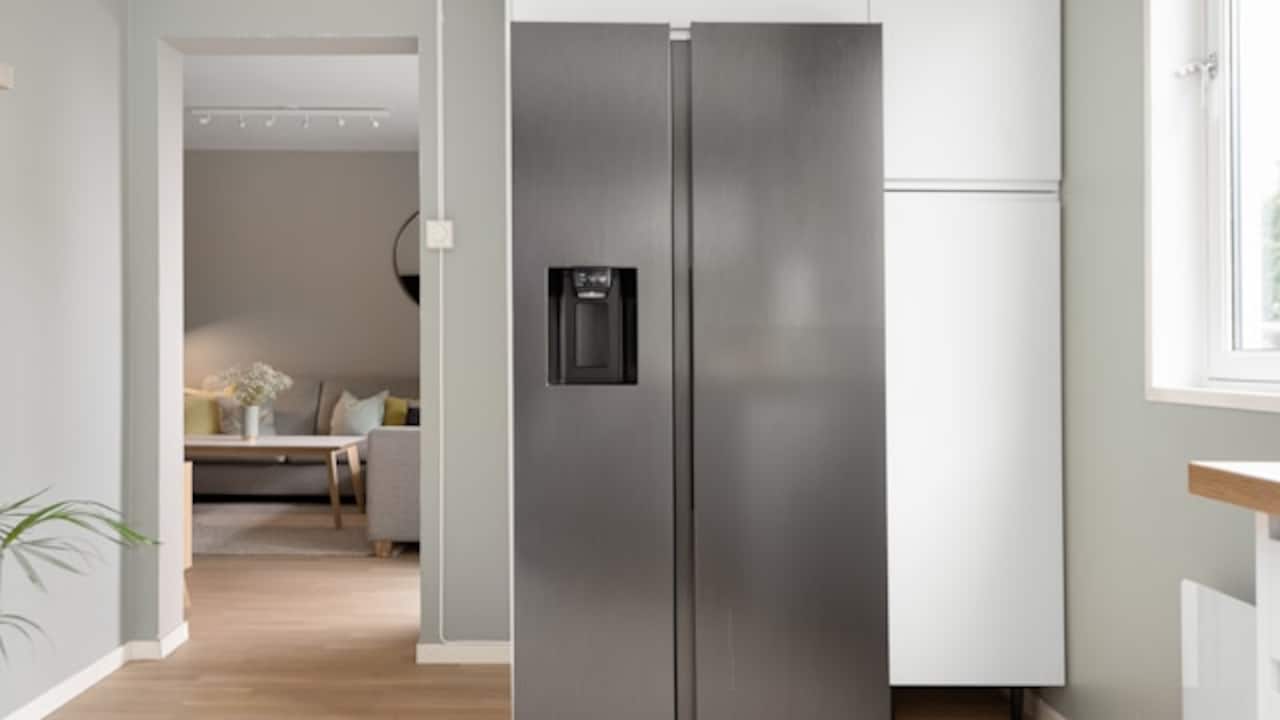
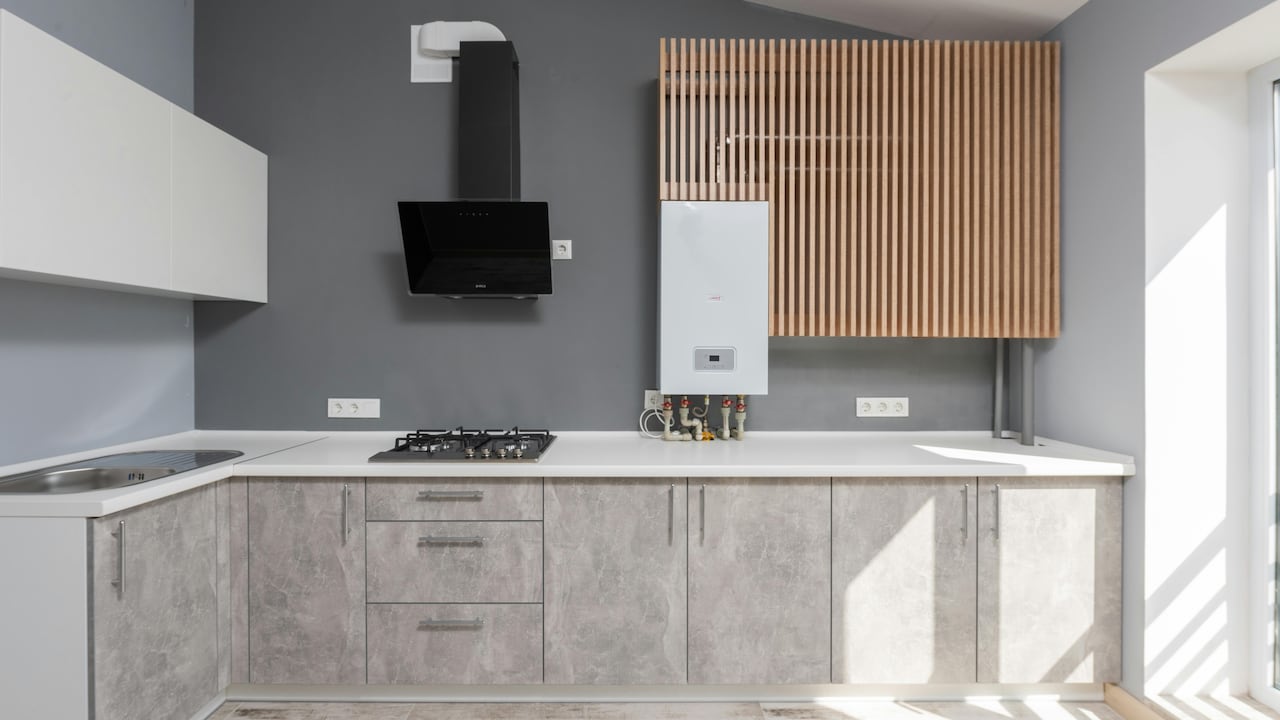
Smart appliance upgrades that can lower your electricity bills; Photo Credit: Unsplash
The trick lies in choosing appliances that balance upfront cost with lower operating expenses. Not every shiny gadget promises genuine savings, but some upgrades truly stand out. These seven appliance improvements can shrink monthly bills, boost efficiency, and even add a touch of modern convenience to everyday routines.
Also Read: Unexpected Home Appliances Every First Time Renter Should Invest In
Smart Appliance Upgrades That Deliver Real Monthly Savings
1. Energy-Efficient Refrigerators That Keep Costs Cool
Refrigerators work around the clock, making them one of the biggest energy consumers in any household. Older models, especially those over ten years old, often consume significantly more electricity than newer energy-rated versions. Upgrading to a modern inverter refrigerator can noticeably lower power bills while maintaining better cooling performance.
Today's efficient refrigerators use advanced compressors that adjust cooling based on usage, rather than running at full throttle constantly. This smarter operation reduces wasted electricity and extends appliance life. Though the upfront investment may range from ₹20,000 to ₹45,000, the monthly savings can make a visible difference over time.
Imagine replacing an old fridge that behaves like a power-hungry beast with one that quietly sips electricity. It's not glamorous, but when the electricity bill arrives looking slimmer, it certainly feels satisfying. Better insulation, improved temperature control, and reduced maintenance costs make this one of the smartest household upgrades available.
2. Inverter Air Conditioners That Beat The Heat Without Burning Cash
Summer heat can push electricity bills into alarming territory. Traditional air conditioners often consume excessive energy by repeatedly switching on and off. Inverter ACs, however, regulate compressor speed efficiently, maintaining room temperature without constant power surges.
While the initial price can seem steep, often between ₹35,000 and ₹60,000, inverter models can reduce cooling costs by up to 30 to 40 per cent. For households relying heavily on air conditioning, this translates into substantial monthly savings.
Beyond cost reduction, these systems also cool rooms more consistently and operate more quietly. No more dramatic power spikes every time the compressor restarts. Instead, there's steady comfort and lower bills. In regions where summer feels relentless, upgrading to an inverter AC becomes less of a luxury and more of a strategic financial decision.
3. Front-Load Washing Machines That Save Water And Electricity
Laundry may seem routine, but inefficient washing machines can waste surprising amounts of water and power. Top-load machines often use more water per cycle, while older models consume excessive electricity. Front-load washing machines offer a smarter solution.
These machines use less water, require less detergent, and spin clothes more efficiently, reducing drying time. Although they typically cost more upfront, ranging from ₹25,000 upwards, their lower utility consumption creates worthwhile long-term savings.
For larger households where laundry piles up endlessly, these savings become even more noticeable. Less water wastage also eases pressure on both municipal supply and water bills. It's the kind of practical upgrade that quietly rewards families every week without demanding much attention.
4. Induction Cooktops That Modernise Kitchens Efficiently
Gas cylinders and rising fuel costs can strain household budgets. Induction cooktops offer an increasingly attractive alternative by converting electricity directly into heat with impressive efficiency.
Unlike traditional gas stoves, induction units heat cookware faster and waste less energy. Cooking times often shorten, and kitchens stay cooler, which feels particularly welcome during hot weather. Modern induction stoves also include precise temperature controls, reducing overcooking and unnecessary power use.
A quality induction cooktop may cost between ₹3,000 and ₹10,000, making it one of the more affordable appliance upgrades. For families balancing speed, savings, and convenience, this upgrade can deliver immediate practical benefits. Plus, there's something undeniably satisfying about quicker tea preparation during a busy morning rush.
5. Solar Water Heaters That Turn Sunshine Into Savings
Water heating accounts for a sizeable share of household energy use, especially during cooler months. Conventional electric geysers can inflate power bills rapidly. Solar water heaters provide a compelling alternative by harnessing abundant sunlight.
Though installation costs can range from ₹20,000 to ₹60,000 depending on capacity, these systems drastically reduce dependence on electricity. Over time, savings accumulate substantially, particularly in homes with high hot water demand.
The beauty of solar water heating lies in its simplicity. Sunshine, after all, remains gloriously free. Once installed, maintenance stays relatively low, and monthly electricity bills often reflect the change. It's an environmentally sensible choice that also happens to be financially rewarding.
6. LED Lighting Systems That Brighten Homes For Less
Lighting may not seem like an appliance upgrade in the traditional sense, but replacing outdated bulbs and fixtures with LEDs can transform monthly electricity costs.
LED lights consume up to 80 per cent less energy than incandescent bulbs and last significantly longer. While individual bulb costs may appear higher initially, the extended lifespan and lower electricity use create meaningful savings.
Across an entire household, especially one with multiple rooms and frequent lighting use, this simple switch can shave a noticeable amount off monthly bills. LEDs also produce less heat, helping maintain cooler interiors. It's a small change with surprisingly powerful results, proof that saving money doesn't always require dramatic sacrifices.
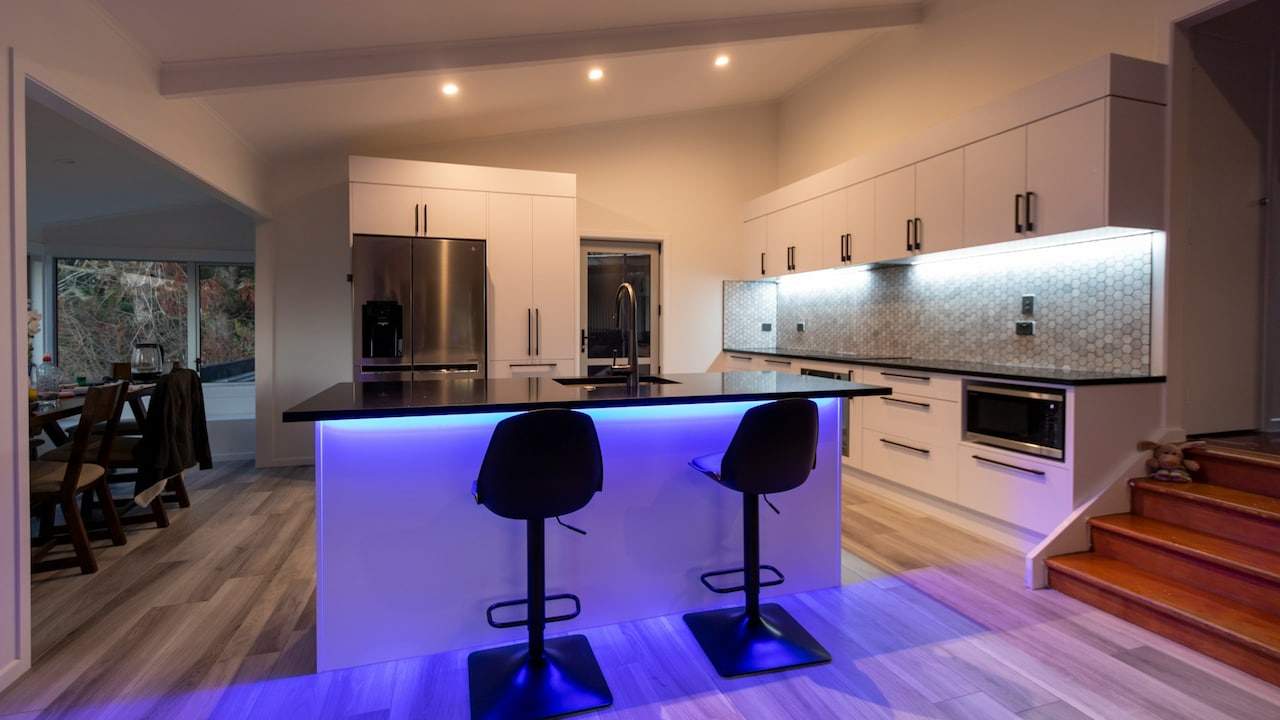
LED lighting can brighten your home without consuming much electricity; Photo Credit: Unsplash
7. Smart Ceiling Fans That Deliver Efficient Cooling
Ceiling fans remain essential in most homes, but older models often consume more electricity than necessary. Modern BLDC (Brushless Direct Current) fans use significantly less power while delivering excellent airflow.
These fans can consume up to 65 per cent less electricity than conventional models. Though they cost more initially, often around ₹3,500 to ₹8,000, their long-term savings are substantial, particularly in homes where fans operate for extended hours.
Given how frequently ceiling fans run throughout the year, this upgrade quickly proves its worth. Lower energy use, quieter performance, and remote-control features add convenience alongside savings. It may not seem revolutionary, but replacing outdated fans can quietly trim expenses month after month.
Products Related To This Article
1. Whirlpool 235 L Frost Free Triple-Door Refrigerator
2. Cruise 1.5 Ton 3 Star,New Star rated
3. Whirlpool 8 Kg 5 Star Inverter Supreme Care Front Load Fully Automatic Washing Machine with In-Built Heater
4. Hafele Magnechef Induction Cooktop |2100W High Power
5. Hoteon Led Under Cabinet Light, USB Plug Batten Lighting with 3 Color Modes
6. atomberg Studio Nexus Smart 1200mm BLDC Ceiling Fan with IoT & Remote Control
Reducing monthly utility costs doesn't always require dramatic lifestyle changes or endless reminders to switch off switches. Sometimes, the smartest move involves upgrading the very appliances that shape daily life.
From inverter refrigerators and efficient air conditioners to induction cooktops and BLDC fans, these choices create meaningful financial relief over time. While upfront costs may seem intimidating, the long-term reduction in electricity, water, and fuel expenses often makes these upgrades worthwhile investments.
In a world where every rupee counts, thoughtful appliance upgrades offer something rare: comfort, convenience and savings all at once. A lower utility bill may not spark wild celebrations, but it certainly brings peace of mind, and that's a reward every household can appreciate.
(Disclaimer: This article may include references to or features of products and services made available through affiliate marketing campaigns. NDTV Convergence Limited (“NDTV”) strives to maintain editorial independence while participating in such campaigns. NDTV does not assume responsibility for the performance or claims of any featured products or services.)