Heavy Oil Cooking Can Overwhelm Weak Chimneys: Top 10 Tips To Learn Before Making A Purchase
Heavy oil cooking demands a powerful kitchen chimney. Learn ten essential tips on suction, filters, maintenance, and value before investing in the right model for a cleaner, fresher kitchen.
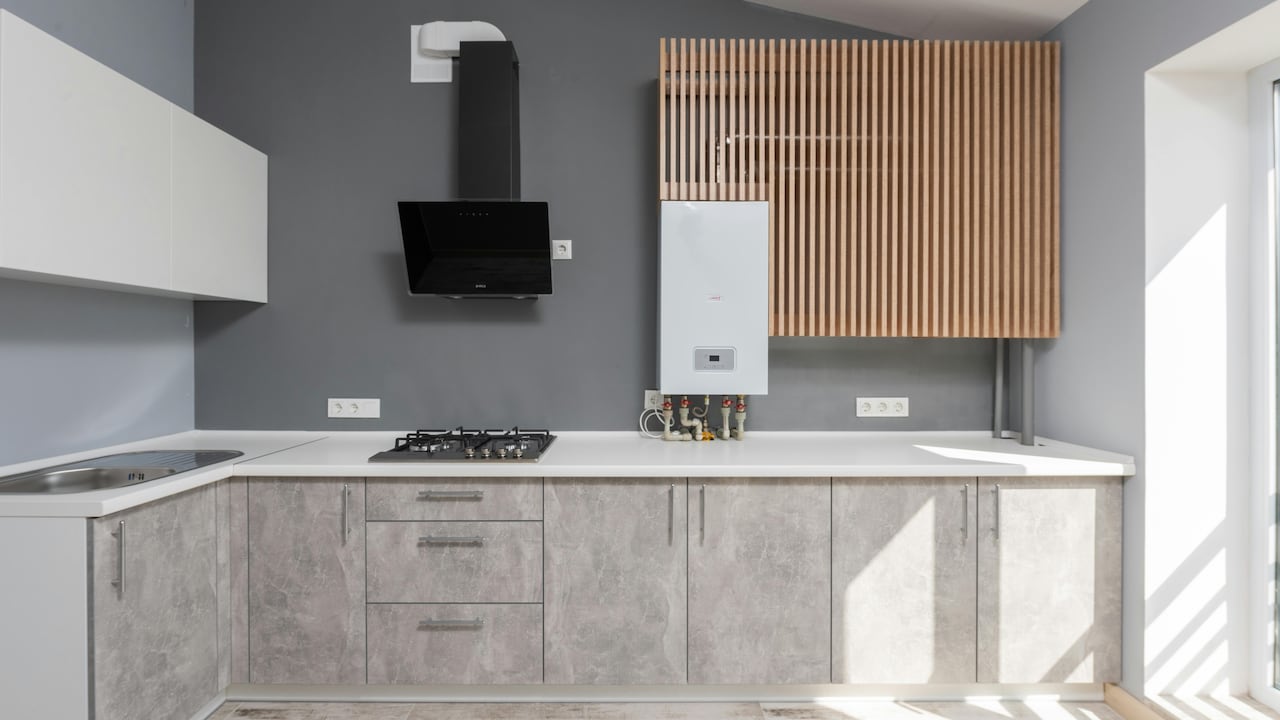
Picking The Best Kitchen Chimney For Heavy Oil Cooks: Top 10 Expert Tips
The kitchen holds a special place in every household. It is where tadkas crackle, festive sweets bubble in hot oil, and weekend indulgences often turn into culinary marathons. Yet, with all this flavour comes smoke, grease, and stubborn odours. Many households discover too late that an underpowered chimney simply cannot cope with frequent heavy frying. Buying a kitchen chimney may seem straightforward at first glance. A sleek finish, shiny buttons, and a tempting discount can easily sway decisions. However, the wrong purchase often reveals itself through lingering smoke clouds, oily residue and maintenance headaches.
Heavy oil cooking creates thicker grease particles than light sautéing or steaming. Weak chimneys struggle to trap these particles, allowing them to settle on cabinets, ceilings, and lungs alike. This makes selecting the right chimney less about appearance and more about performance, durability, and long-term practicality.
Understanding the right features before purchase can transform your kitchen into a cleaner, healthier, and more pleasant place. Here are ten practical tips worth knowing before making that decision.

Heavy Oil Cooking Can Overwhelm Weak Chimneys: Top 10 Tips To Learn Before Making A Purchase
Photo Credit: Pexels
Key Factors To Consider Before Buying A Kitchen Chimney
Understand Suction Power Beyond Fancy Marketing
Suction power forms the backbone of any kitchen chimney, especially for homes where deep frying and robust spice tempering are common. Many buyers fall for attractive advertisements without checking the actual suction capacity, measured in cubic metres per hour.
For heavy cooking, anything below 1200 m³/hr may struggle. A chimney with inadequate suction often leaves behind greasy surfaces and stubborn smells that cling to curtains and furniture. Spending slightly more on a stronger suction can save years of inconvenience.
Picture preparing crispy samosas for guests, only for the smoke to drift into the living room because the chimney cannot cope. That polished steel appliance quickly becomes decorative rather than functional.
Always match suction power to cooking habits rather than kitchen size alone. Rich gravies, frequent frying, and grilled dishes demand stronger extraction. Investing wisely ensures your kitchen remains fresh even during festive cooking marathons.
Prioritise Filter Type For Real-Life Cooking Needs
Filters may seem like a technical detail, yet they determine how efficiently a chimney handles grease. Baffle filters usually suit heavy oil cooking far better than mesh filters because they separate grease effectively without clogging quickly.
Mesh filters often require frequent cleaning, which can become exhausting. Imagine scrubbing sticky residue every fortnight while balancing household responsibilities. It soon turns into an unwelcome chore.
Baffle filters, on the other hand, manage oil-heavy smoke more efficiently. They offer durability and easier maintenance, making them practical for busy kitchens.
Filterless models also attract attention, but they require careful evaluation. While convenient, performance varies significantly by brand. Choosing the wrong one may create more issues than solutions.
A smart purchase means considering cleaning effort as seriously as suction. A chimney should simplify life, not quietly add another demanding task to the weekly routine.
Noise Levels Matter More Than Most Expect
A powerful chimney should not sound like a construction site. Excessive noise can make daily cooking frustrating, especially in open kitchens where family conversations overlap with meal preparation.
Many buyers focus only on power while ignoring decibel ratings. Anything excessively loud can quickly become an irritation during long cooking sessions.
Imagine preparing Sunday lunch while shouting over a roaring chimney just to discuss grocery lists. That constant drone drains comfort from the cooking experience.
A good chimney balances strong suction with manageable sound levels. Modern options often offer quieter motors without sacrificing performance.
Testing noise levels before purchase, either in-store or through reviews, helps avoid regret. A peaceful kitchen environment matters more than one might initially assume, particularly in homes where the kitchen serves as both workspace and social corner.
Size Compatibility Is Crucial For Maximum Efficiency
Even the most advanced chimney performs poorly if its size does not align with the hob. This common oversight leads to inefficient smoke capture.
A chimney should ideally match or slightly exceed the stove width. For example, a 60 cm hob pairs best with a 60 cm or larger chimney.
Undersized chimneys allow smoke and grease to escape from the sides, reducing effectiveness. Cooking fish fry or bhajiyas under such conditions can quickly leave walls coated.
Oversized models may look impressive, but can dominate smaller kitchens unnecessarily. Proper fit ensures balanced aesthetics and practical functionality.
Measuring accurately before purchase prevents expensive mistakes. Kitchen appliances should complement actual requirements, not just visual preferences or promotional deals.
Also Read: Best 5 Mixer Grinders Built For Heavy Kitchens Without Frequent Overheating
Auto-Clean Technology Can Save Time And Hassle
Heavy oil cooking generates substantial grease buildup. Without proper maintenance, chimney performance declines rapidly.
Auto-clean technology addresses this issue by reducing grease accumulation inside crucial components. Though these models may cost more upfront, often between ₹15,000 and ₹35,000, they significantly cut maintenance effort.
Consider the relief of avoiding frequent dismantling or professional servicing after every festive season. For busy families, this convenience often justifies the additional expense.
Manual cleaning remains possible, but neglect can shorten appliance lifespan. Auto-clean features offer practical long-term value, particularly for households with demanding cooking schedules.
While no system eliminates maintenance entirely, reducing effort can make a meaningful difference over several years.
Installation Quality Influences Performance
Even the best chimney can disappoint if installation lacks precision. Pipe length, bend angles, and duct placement all affect suction efficiency.
Poorly installed ducting can weaken airflow dramatically. Sharp bends often trap grease and restrict smoke movement, reducing overall performance.
A premium chimney installed carelessly may perform worse than a mid-range model fitted correctly. This reality surprises many buyers.
Professional installation ensures proper venting, secure mounting, and optimal height above the stove. Usually, 24 to 30 inches offers ideal spacing.
Treat installation as an essential investment rather than an afterthought. Saving a small amount on poor setup can create years of reduced functionality and recurring frustration.

Heavy Oil Cooking Can Overwhelm Weak Chimneys: Top 10 Tips To Learn Before Making A Purchase
Photo Credit: Pexels
Brand Reputation Often Reflects Long-Term Reliability
Not every bargain delivers value. Unknown brands may tempt buyers with lower prices, but after-sales service often reveals hidden compromises.
Kitchen chimneys require servicing, spare parts, and occasional repairs. Established brands generally provide better customer support and wider service networks.
Imagine dealing with a faulty motor during wedding season cooking, only to discover replacement parts are unavailable. Such scenarios can turn savings into costly headaches.
Researching reviews, warranty terms, and service accessibility matters greatly. A reliable chimney should serve consistently, not become an unpredictable burden.
Choosing trusted brands often means better engineering, safer materials, and dependable support, making the initial investment more worthwhile.
Energy Efficiency Should Not Be Ignored
A chimney may not seem like a major electricity consumer, yet frequent use adds up over time.
Energy-efficient motors reduce long-term operational costs while maintaining strong performance. This becomes particularly relevant in households where extensive cooking happens daily.
A slightly higher upfront price can translate into meaningful savings on electricity bills over several years.
Modern energy-saving models often include LED lighting and efficient motor systems that minimise waste. These small details contribute significantly to the overall value.
When comparing models, balancing purchase price with operational expense creates smarter financial decisions. Practicality should always extend beyond the showroom floor.
Design Should Balance Style With Practicality
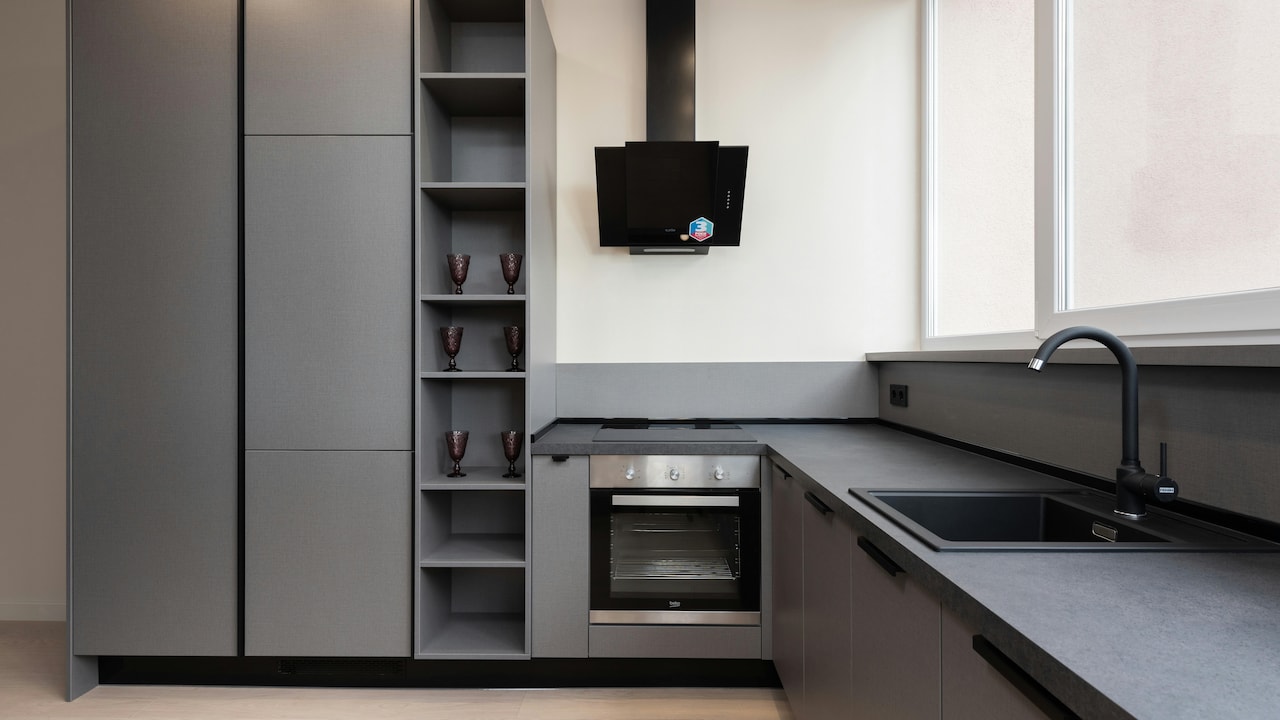
Visual appeal matters, but functionality must lead. Stylish curved glass designs may look stunning, yet some prove harder to clean after frequent oil-heavy cooking.
Grease accumulation on decorative surfaces can quickly diminish their charm. A beautiful chimney coated in sticky residue loses appeal fast.
Straightforward, easy-to-maintain designs often outperform overly complex styles in real kitchens.
A practical design should allow easy access to filters, controls, and cleaning surfaces. Daily use reveals whether the style supports convenience or simply complicates upkeep.
Selecting a model that complements kitchen décor while handling realistic cooking demands creates the best balance.
Budget Planning Must Include Long-Term Costs
The initial purchase price represents only part of chimney ownership. Maintenance, electricity, servicing, and replacement filters all influence total cost.
A ₹9,000 chimney with frequent repairs may ultimately cost more than a ₹20,000 durable model.
Smart buyers evaluate total ownership expense rather than focusing solely on discounts. Festivals often bring tempting offers, but genuine value lies in performance and longevity.
Setting a realistic budget that includes installation and future upkeep prevents unpleasant surprises.
A chimney should feel like a wise household investment, not an appliance that drains resources unexpectedly.
Heavy Oil Cooking Can Overwhelm Weak Chimneys: Top 10 Tips To Learn Before Making A Purchase
Photo Credit: Pexels
Products Related To This Article
1. Haier 90cm 1800 m3/hr T-Shape Low Noise Chimney
2. Faber Pluto 60 cm 1000 m³/hr Wall Mounted Kitchen Chimney
3. Whirlpool 60cm 900 m3/hr Cassette Filter Kitchen Chimney with 5 Years WARR on Motor
4. Crompton QuietPro Plus BLDC 1800m3/hr 90cm Slant Chimney
5. Elica 60cm 1500 m3/hr BLDC Filterless Autoclean Kitchen Chimney with 15 Years Motor & 5 Years Comprehensive Warranty
A kitchen chimney serves as more than a modern accessory. For households where heavy oil cooking remains central to daily life, it becomes a crucial defence against smoke, grease, and discomfort.
Choosing wisely requires looking beyond glossy advertisements and festive discounts. Suction power, filter type, noise, installation, and maintenance all shape real-world satisfaction.
A thoughtful purchase protects kitchen hygiene, preserves home interiors, and enhances cooking comfort for years. With careful planning, the right chimney can handle everything from festive feasts to rainy-day fritters without breaking a sweat.
Before spending your money, remember that the best chimney is not always the flashiest. It is the one built to keep pace with your kitchen's true rhythm.
(Disclaimer: This article may include references to or features of products and services made available through affiliate marketing campaigns. NDTV Convergence Limited (“NDTV”) strives to maintain editorial independence while participating in such campaigns. NDTV does not assume responsibility for the performance or claims of any featured products or services.)