Mini Sewing Machines: Useful For Quick Fixes Or Too Weak For Real Work?
Mini sewing machines are handy for quick hems, small repairs, and light craft work, but they struggle with thick fabrics and heavy use. Here’s how to know whether this compact tool is worth your money or just another gadget for the cupboard.
Mini Sewing Machines: Useful For Quick Fixes Or Too Weak For Real Work?
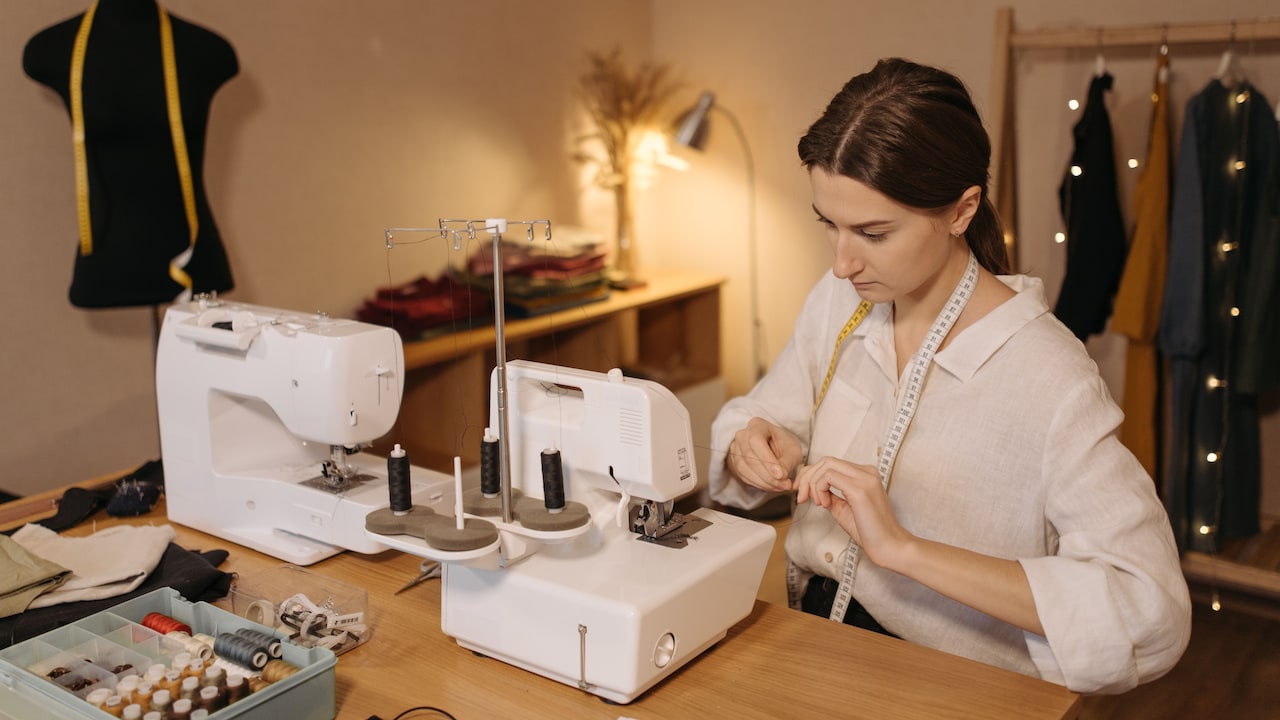
A loose kurta hem before office. A school costume that needs last-minute stitching. A cushion cover that has split open just when guests are expected. In many homes, such tiny fabric emergencies arrive with the confidence of a monsoon cloud. A full-sized sewing machine can solve them, of course, but not everyone has one, knows how to use one, or has space for one. That is where mini sewing machines enter the scene. They look light, friendly, and almost toy-like. Prices often start around ₹800 and go up depending on features, brand, and build quality. For students, beginners, hostel residents, small flats, and occasional users, the idea feels tempting. Why spend more or visit a tailor for every small repair? Yet these machines also raise a fair question. Are they genuinely useful tools or just cute gadgets with big promises and tiny motors? The truth depends on expectations. A mini sewing machine can save the day, but it cannot become a full-time tailoring workhorse. Like a pressure cooker whistle in a quiet kitchen, it works best when one understands its limits.
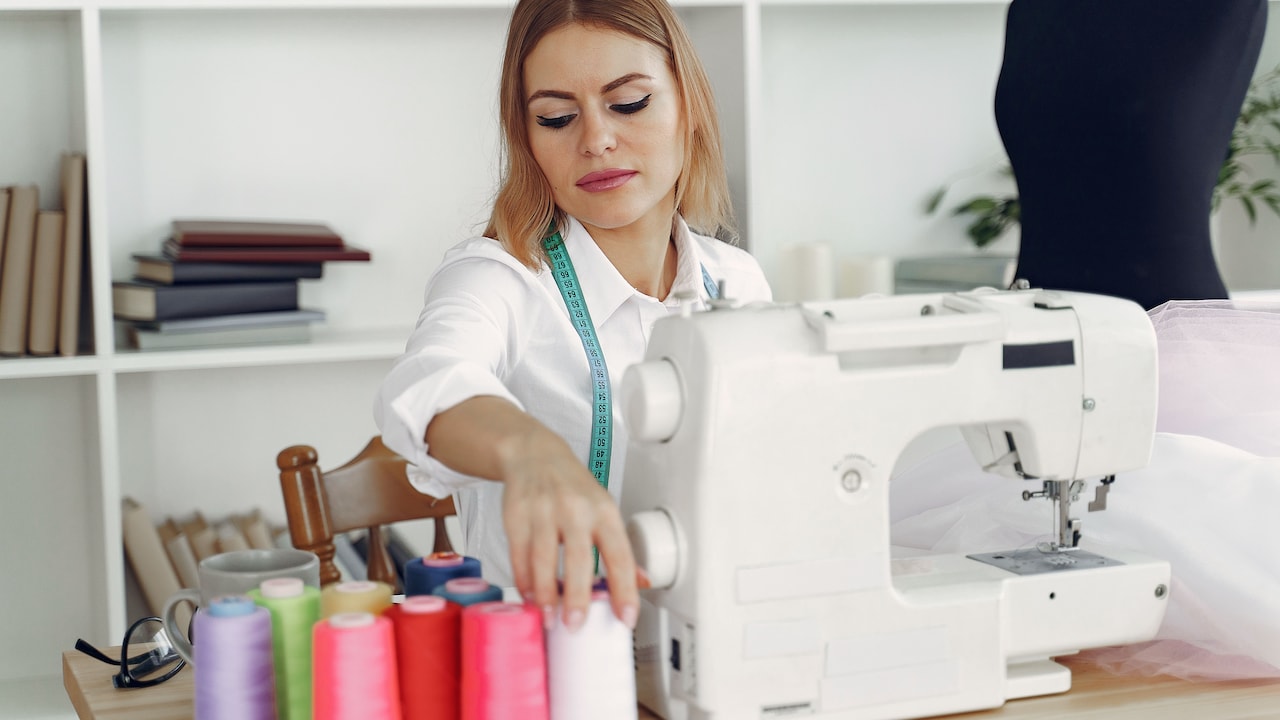
Mini Sewing Machines: Useful For Quick Fixes Or Too Weak For Real Work?; Photo Credit: Pexels
Practical Uses, Limits, And Buying Sense
Small Size, Big Convenience
The biggest charm of a mini sewing machine lies in its size. It can sit on a study table, dining table, or even a sturdy stool without demanding a permanent corner. For homes where every shelf already carries books, spice boxes, school bags, and mysterious plastic containers, this compact design feels like a blessing.
A full-sized machine can feel intimidating to a beginner. It has weight, speed, and a certain seriousness. A mini model looks more approachable. Many users start with it because it removes the fear of “spoiling the machine” or wasting fabric. Someone who only wants to fix a napkin edge or alter a pillow cover may not need a heavy setup.
Portability also helps. A student living away from home can pack one into a cupboard. A hobbyist can bring it out during weekends. It does not require a dedicated sewing room, which sounds grand but remains a dream in most city flats. For quick, light jobs, the size makes sense. The machine says, “No drama, just plug in and stitch.”
Also Read: Sew Smart With Sewing Machines Under ₹7000
What These Machines Can Actually Do
Mini sewing machines can handle basic straight stitching on light fabrics. Cotton, thin polyester, blouse lining, handkerchiefs, soft cushion covers, and simple craft fabric usually pass through without much complaint. They work well for small repairs such as loose seams, torn pockets, basic hemming, and simple decorative projects.
They also help beginners understand sewing fundamentals. Threading the needle, winding the bobbin, guiding fabric, and controlling speed all become easier when the machine feels less overwhelming. Children under supervision, college students, and adults learning from videos can use these machines to practise without investing too much money.
However, the word “basic” deserves respect here. A mini sewing machine usually offers limited stitch options. Many models provide only a straight stitch. Some include double speed settings, a foot pedal, or battery operation, but that does not turn them into professional equipment. They can stitch a cotton tote bag, but they may struggle with layered denim. They can repair a bedsheet edge, but they may not enjoy curtain borders with thick folds. They serve best when treated as helpers, not heroes.
Where They Begin To Struggle
The trouble starts when users expect mini machines to behave like the sturdy black sewing machine many households still remember. Those older machines could stitch blouses, petticoats, denim patches, school uniforms, and blouse hooks with patience and power. Mini machines belong to another category.
Thick seams can jam the needle. Heavy fabrics can refuse to move smoothly. Multiple layers can make the motor sound strained, like a scooter climbing a steep flyover with three people on it. Denim, canvas, upholstery fabric, and thick wool often prove too much. Even if the machine manages a few stitches, the result may look uneven.
Thread tension can also cause headaches. Some models need frequent adjustment, especially cheaper ones. The stitches may skip, bunch up, or break if the fabric, needle, and thread do not match. A beginner may blame personal skill, though the machine itself may have limitations. Mini machines can manage small work, but they rarely forgive rough handling. They need slow feeding, neat threading, and realistic tasks. Push them too hard, and the romance fades quickly.
The Price Temptation
Price plays a big role in the popularity of mini sewing machines. A tailor may charge ₹50 to ₹200 for small alterations, depending on the work and location. A simple machine priced around ₹1,000 to ₹2,500 can feel like a clever investment, especially for homes where minor repairs pile up every month.
The low cost also attracts first-time buyers. Spending ₹10,000 or more on a full-sized sewing machine makes little sense for someone unsure about sewing as a hobby. A mini machine offers a gentler entry point. It says, “Try this first.” That sounds practical in a world where cupboards already hold abandoned yoga mats, baking trays, and craft kits bought during sudden bursts of enthusiasm.
Still, cheap does not always mean value. Some very low-priced models have weak motors, rough plastic bodies, poor foot pedals, or confusing manuals. A machine that stops after a few weeks costs more in frustration than money. Buyers should not chase only the lowest price. A slightly better model with stable stitching, proper accessories, and decent customer reviews often proves wiser. Bargains feel sweet only when they actually work.
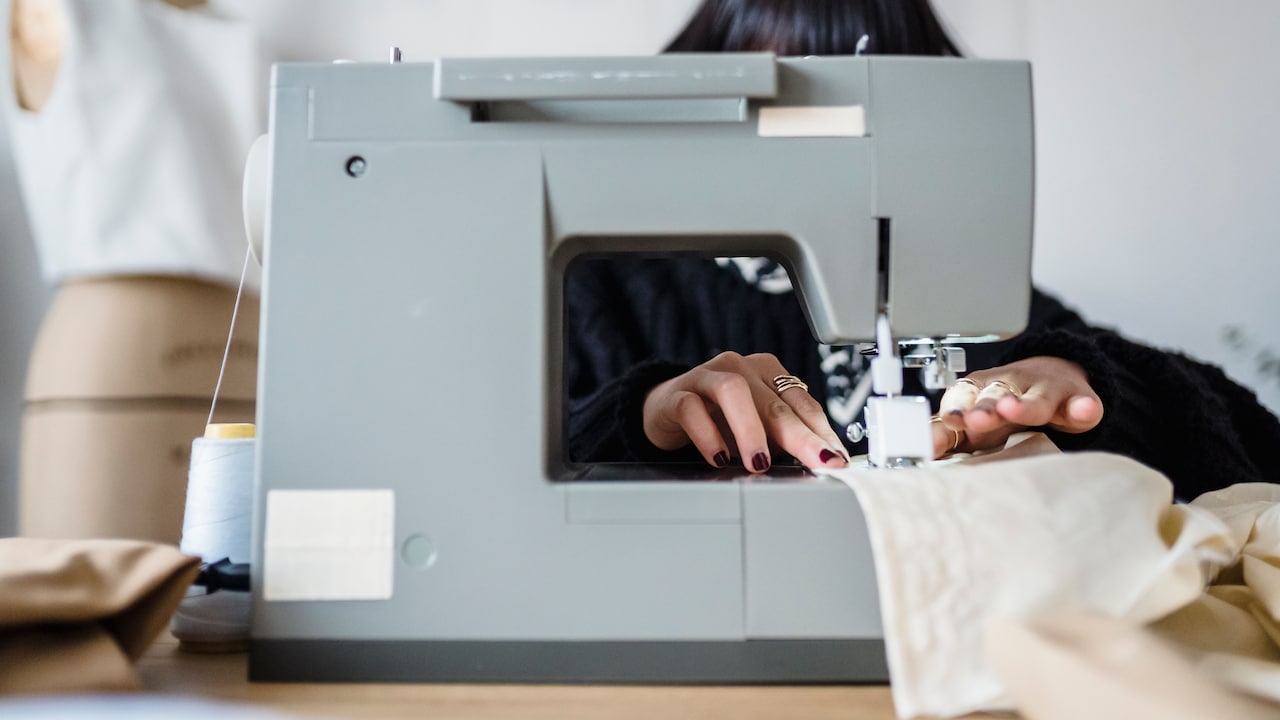
Mini Sewing Machines: Useful For Quick Fixes Or Too Weak For Real Work?; Photo Credit: Pexels
Learning Curve For Beginners
Mini sewing machines look simple, but they still require patience. Threading mistakes, wrong bobbin placement, dull needles, and loose tension can turn a five-minute job into a full family discussion. Someone will blame the thread. Someone else will say the fabric is unlucky. Eventually, the manual will appear from under the packaging.
Beginners should start with scrap cotton fabric. A few straight lines can teach more than a rushed attempt on a favourite kurta. Speed control matters. Many mini machines run faster than expected, especially when the foot pedal responds sharply. Slow hands and calm eyes help the fabric stay straight.
The machine also needs a stable surface. Using it on a bed or lap may look convenient, but it invites uneven stitches and wobbling. Good lighting helps too. Sewing under a dim tube light at midnight before a school event rarely produces elegant results. With practice, the learning curve becomes manageable. These machines can teach confidence, but they do not reward impatience. Sewing may look simple from a distance, yet fabric has a personality of its own.
Quick Fixes Around The House
For household repairs, mini machines can be surprisingly handy. A torn bedsheet corner, a frayed curtain edge, a loose cushion cover seam, or a simple tablecloth hem can get fixed without a trip to the market. During festival cleaning or wedding-season wardrobe checks, such small repairs appear in bunches.
They also help with children's needs. Fancy dress costumes, dance practice outfits, cloth bags for school projects, and simple name-tag patches often need urgent attention. A mini sewing machine can rescue parents from late-night needlework. It may not create a perfect costume worthy of a film set, but it can keep the sleeve attached until the performance ends.
Home décor lovers may enjoy using it for light projects. Fabric buntings, small covers, simple potli bags, and festive toran-style fabric strips can come together nicely. The machine adds speed to projects that feel tiring by hand. For people who enjoy making things but dislike complicated equipment, it opens a small creative window. The key is to choose light fabric and avoid ambitious layers.
Not A Tailor's Replacement
A mini sewing machine cannot replace a skilled tailor. It cannot shape a blouse with proper fitting, finish a lehenga border neatly, or alter formal trousers with professional precision. Tailoring needs measurement sense, fabric knowledge, cutting skill, finishing techniques, and stronger equipment. A small motor alone cannot do that job.
This matters because online descriptions can create unrealistic expectations. Words like “portable professional sewing machine” sound attractive, but they often stretch the truth. Professional work needs consistency. It needs clean seams, steady power, and the ability to handle different fabrics for long hours. Most mini machines heat up or strain if used continuously.
For regular stitching, boutique work, resale projects, or heavy family use, a full-sized sewing machine makes more sense. It costs more, but it offers better control and durability. A mini machine fits occasional repairs, beginner practice, and craft work. Think of it like a small mixer jar. It can grind chutney beautifully, but nobody expects it to run a catering kitchen. Respecting that difference prevents disappointment.
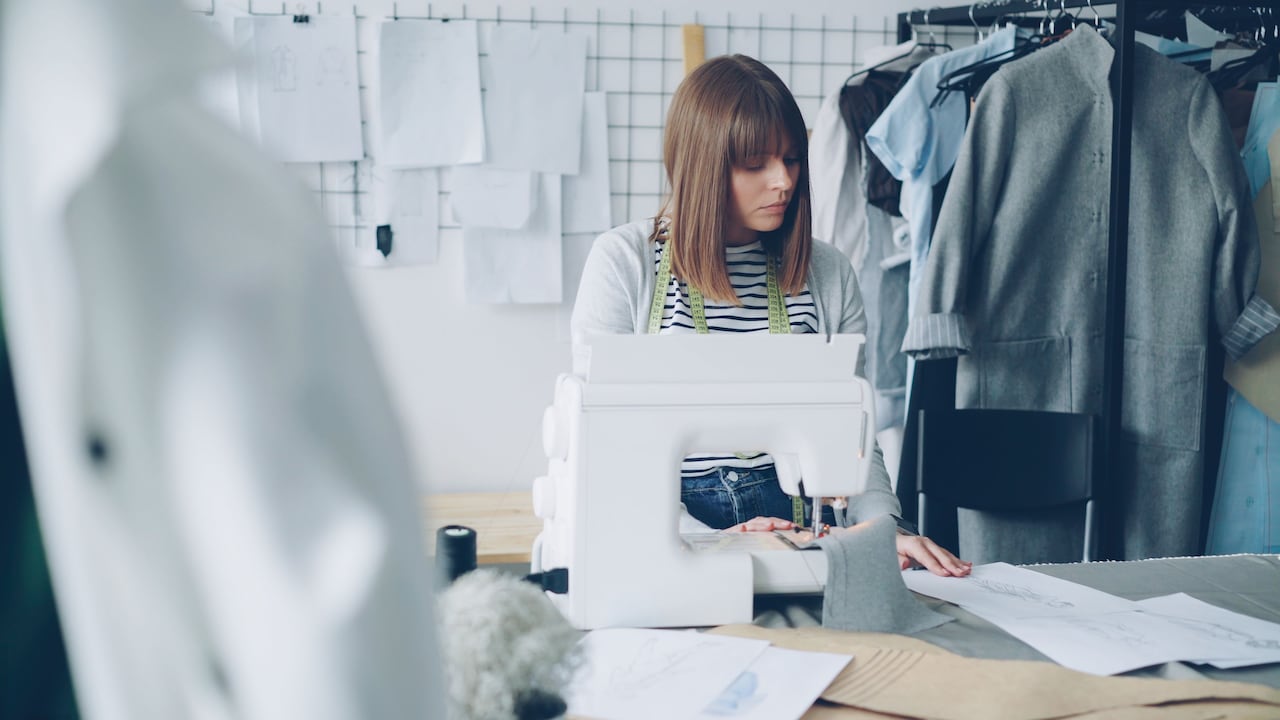
Mini Sewing Machines: Useful For Quick Fixes Or Too Weak For Real Work?; Photo Credit: Pexels
Durability And Maintenance
Durability varies widely across mini sewing machines. Some last for years with gentle use, while others begin acting moody within months. Build quality makes a major difference. A shaky body, loose needle clamp, weak power adaptor, or poor-quality bobbin case can affect stitching from day one.
Maintenance helps extend life. Users should remove lint after sewing, especially when working with cotton. Needles should be changed when they bend or become blunt. Thread quality matters too. Cheap thread can break often and create messy stitches. The machine also needs correct storage. Dust, moisture, and careless handling can damage small parts.
Many mini machines do not offer easy repair options. Local mechanics may refuse them because spare parts can be hard to find or not worth the labour cost. This becomes a serious point before buying. A machine with accessible accessories and service support gives more peace of mind. The best approach is gentle use. Do not force fabric, do not pull the thread roughly, and do not run it for long stretches. Treat it like a delicate helper, not a workshop machine.
Who Should Buy One
A mini sewing machine suits specific users very well. Beginners who want to learn basic stitching without spending too much can benefit from it. Students in hostels, people living in rented rooms, and small-flat households may appreciate its compact size. Craft lovers who work with light fabric can also enjoy it.
It suits families that face frequent small repairs but do not need regular garment construction. Someone who only wants to fix hems, close seams, or make simple cloth bags may find it useful. It also works as a confidence-building tool. Once users learn the basics, they may decide whether a full-sized machine deserves space and money.
However, people who sew often should think carefully. If the plan includes blouse stitching, denim alteration, curtain making, quilting, or daily use, a stronger machine will save time and temper. A mini model may look cheaper today, but repeated frustration can make it feel expensive. The right buyer sees it as a quick-fix companion. The wrong buyer expects a master tailor in a lunchbox-sized body.
Buying Tips Before You Decide
Before buying a mini sewing machine, buyers should check more than just price. A stable base matters because wobbling ruins stitches. A proper foot pedal gives better control. Clear threading instructions reduce beginner panic. Built-in light, speed control, reverse stitch, and extra bobbins can make daily use easier.
Reviews can reveal practical issues. Users often mention whether the machine handles cotton well, whether it jams often, or whether the adaptor heats up. Photos and videos from real buyers help more than glossy product images. Warranty and return options also matter, especially for budget gadgets.
Needle compatibility deserves attention. Some models need specific needles or bobbins, which can become annoying later. It helps to choose a machine that accepts easily available accessories. Buyers should also avoid expecting miracles from battery mode. Electric power usually performs better and more consistently.
A short test after delivery helps. Stitch on scrap fabric, check tension, try the pedal, and inspect accessories. Do not wait until an urgent repair exposes a fault. A mini machine can be useful, but only when chosen with clear eyes.
Products Related To This Article
1. Sewing Machine with Extension Table & Foot Pedal
2. SINGER Tailor Mate Straight Stitch Sewing Machine with Free Arm
3. Akiara Sewing Machine Electric with 12 Stitch Patterns
4. Sewing Machine with Extension Table & Foot Pedal
5. Akiara Mini Sewing Machine Electric for Home
6. SINGER Tailor Mate Straight Stitch Sewing Machine with Free Arm
7. JAXHOM Advanced Sewing Machine Electric With Table Set
Mini sewing machines occupy a sweet but narrow space. They shine during quick fixes, beginner practice, craft projects, and small household repairs. They save trips to the tailor for tiny jobs and bring back a little DIY confidence to the home. For many users, that alone justifies the purchase.
Yet they also have limits. They cannot handle heavy fabric, long working hours, or professional tailoring with ease. Cheap models may disappoint, especially when buyers expect too much power from a tiny motor. The smartest way to view them is simple: they are not weak when used correctly, but they become weak when pushed into real heavy-duty work.
For a loose hem before a family function, a torn cushion cover, or a child's last-minute costume, a mini sewing machine can feel like a small miracle. For wedding blouses, denim repairs, and serious stitching, call the tailor or invest in a proper machine. Tiny tools can do big favours, as long as nobody asks them to carry the whole wardrobe on their shoulders.
(Disclaimer: This article may include references to or features of products and services made available through affiliate marketing campaigns. NDTV Convergence Limited (“NDTV”) strives to maintain editorial independence while participating in such campaigns. NDTV does not assume responsibility for the performance or claims of any featured products or services.)