Can An Electric Flosser Replace Brushing Or Is That A Big Dental Myth?
An electric flosser can clean between teeth, but it cannot replace brushing. This is what it really does, where it helps, and why your toothbrush still deserves centre stage.
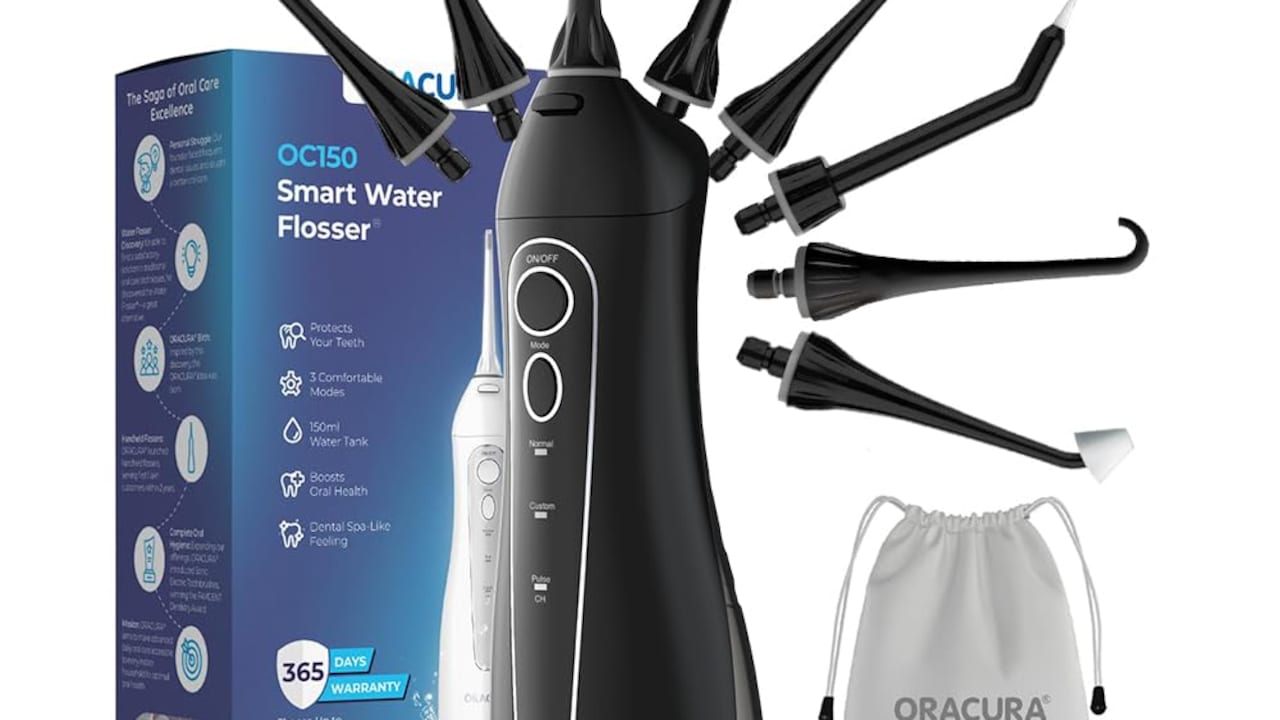
Can An Electric Flosser Replace Brushing? Dental Myth Explained
Dental myths travel faster than family WhatsApp forwards. One day, someone says oil pulling can fix everything. The next day, a shiny electric flosser promises to make brushing feel old-fashioned. It sounds tempting, especially on tired nights when the bed looks more inviting than the bathroom mirror. Just aim a jet of water between the teeth, rinse, smile, and sleep. Convenient? Yes. Complete oral care? Not quite. An electric flosser, often called a water flosser, can help clean food particles and plaque from spaces where a toothbrush struggles to reach. It can feel especially useful after eating corn, kebabs, poha with peanuts, sticky sweets, or anything that leaves tiny bits hiding between teeth. But brushing and flossing do different jobs. Brushing cleans the broad tooth surfaces. Flossing or interdental cleaning works between teeth and along the gumline. Dental bodies such as the American Dental Association say interdental cleaners work best with toothbrushing, not as a replacement for it.
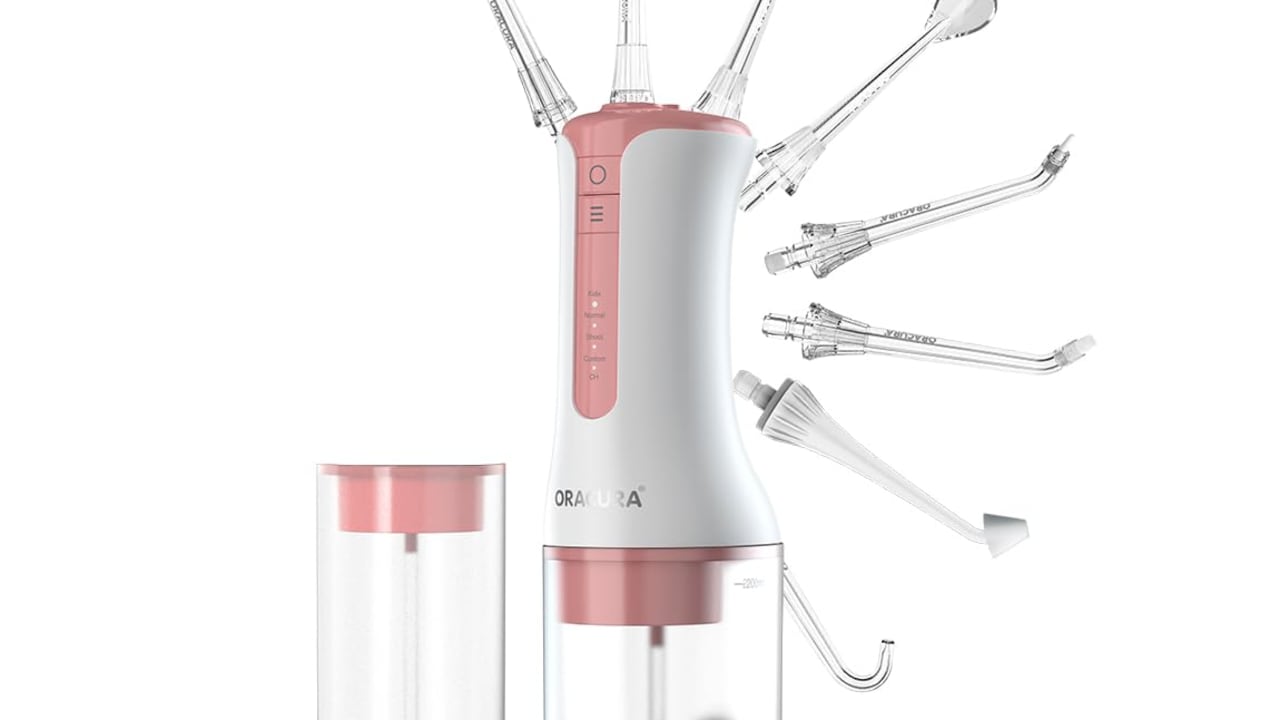
Can An Electric Flosser Replace Brushing Or Is That A Big Dental Myth?
Photo Credit: Amazon
So, can an electric flosser replace brushing? No. That is the big dental myth. But can it upgrade your routine? Absolutely, if used properly.
What Electric Flossers Can And Cannot Do For Your Teeth
Why Brushing Still Remains Non-Negotiable
A toothbrush does the daily heavy lifting. It scrubs the front, back, and chewing surfaces of teeth, where plaque gathers through the day. Plaque does not look dramatic. It forms quietly, like a sticky film, and feeds on sugar from tea, biscuits, sweets, fruit juices, soft drinks, and even simple carbohydrates. Leave it alone long enough, and it can lead to cavities, gum irritation, stains, and bad breath.
An electric flosser cannot brush these wide surfaces properly. Its water stream moves between teeth and around the gumline, but it does not offer the same surface contact as bristles. Think of it like washing a pressure cooker. A water spray may remove loose dal from corners, but burnt masala still needs a scrub. Teeth work in a similar way. The toothbrush removes the sticky layer that water alone may not shift.
Brushing twice daily with fluoride toothpaste remains the foundation of oral hygiene. The flosser can join the routine, but it cannot become the routine.
What An Electric Flosser Actually Does
An electric flosser uses a stream of water to clean between teeth and just under the gumline. Some models pulse gently, while others offer pressure settings from mild to intense. The idea feels simple: water reaches narrow spaces, loosens debris, and washes away particles that brushing misses.
This can help after meals, especially when food gets trapped between molars or around dental work. People with braces, bridges, crowns, implants, retainers, or closely placed teeth may find it easier than string floss. The American Dental Association notes that a water flosser can be useful for people who struggle with other tools, especially around braces, bridges, and dental work.
Still, it works as an interdental cleaner, not a toothbrush. It supports gum care and freshens the mouth, but it does not polish each tooth surface. Used correctly, it can make the mouth feel cleaner. Used as a shortcut, it can create false confidence. That is where the myth becomes risky.
The Brushing Versus Flossing Confusion
Many people mix up brushing and flossing because both aim for a cleaner mouth. But they clean different zones. Brushing covers the visible surfaces of teeth. Flossing or interdental cleaning reaches the tight side spaces where toothbrush bristles often fail.
Picture a tiled kitchen counter. Wiping the top makes it look clean, but crumbs may still sit in the gaps. Teeth also have these hidden gaps. That is where floss, interdental brushes, or water flossers step in. They deal with the spaces where food and bacteria like to settle quietly.
This is why replacing brushing with an electric flosser does not make sense. It would be like mopping only the corners of a room and ignoring the floor. Both areas matter. The flosser may remove trapped bits of food, but the toothbrush breaks up plaque from the main surfaces. A complete routine needs both jobs done, even if the whole process takes only a few extra minutes.\
Also Read: Top 5 Shoe Dryers For Wet Monsoon Footwear Under ₹1000
Why The Myth Became So Popular
The myth became popular because electric flossers feel modern, quick, and slightly fancy. The bathroom counter suddenly looks more premium. The buzzing device, the water tank, the nozzle, the neat spray — it all gives the feeling of serious dental care. Add a few online videos showing dramatic food removal, and the product starts looking like a miracle gadget.
Also, brushing feels boring. Everyone has done it since childhood. An electric flosser feels new, so it gets more attention. For many people, it also feels gentler than string floss. No awkward finger twisting, no snapping floss into the gums, no standing in front of the mirror wondering whether the technique is wrong.
But convenience should not become confusion. A gadget can improve a routine without replacing the basics. Toothbrushes may not look exciting, yet they remain essential. The real win lies in using the electric flosser as a helper, not as a heroic replacement for brushing.
When An Electric Flosser Helps The Most
An electric flosser can help people who find regular floss difficult. Tight teeth, sensitive gums, braces, permanent retainers, bridges, crowns, and implants can make string floss awkward. In these cases, a water stream may feel easier and less frustrating. That matters because the best dental tool is often the one a person will actually use every day.
It can also help those who often get food stuck after meals. Popcorn, meat fibres, sesame seeds, coriander stems, and tiny spice bits seem to have a talent for hiding between teeth. A flosser can clear these spots more comfortably than toothpicks, which may hurt the gums if used roughly.
Research on interdental cleaning has shown that tools used along with brushing may reduce plaque and gum inflammation more than brushing alone, though evidence varies across different devices. Cochrane's review found that interdental cleaning can help with gingivitis and plaque, while evidence for oral irrigators remains more limited and mixed.
Why It Cannot Remove All Plaque
Plaque sticks. That is the important part. It does not always float away just because water touches it. A strong water jet may dislodge loose food and disturb some plaque, but brushing gives the mechanical scrubbing needed across the tooth surface.
This is also why rinsing the mouth after tea or meals feels fresh but does not count as cleaning. The mouth may feel better, but the sticky film can remain. A water flosser works better than plain rinsing because it targets gaps and gumlines, yet it still cannot copy the bristle action of a toothbrush.
Pressure also matters. Turning the device to the highest setting does not magically improve cleaning. It may irritate gums, especially if they already bleed or feel tender. Gentle, consistent use works better than aggressive spraying. Dental care should not feel like washing a scooter at a service station. The mouth needs care, not punishment.
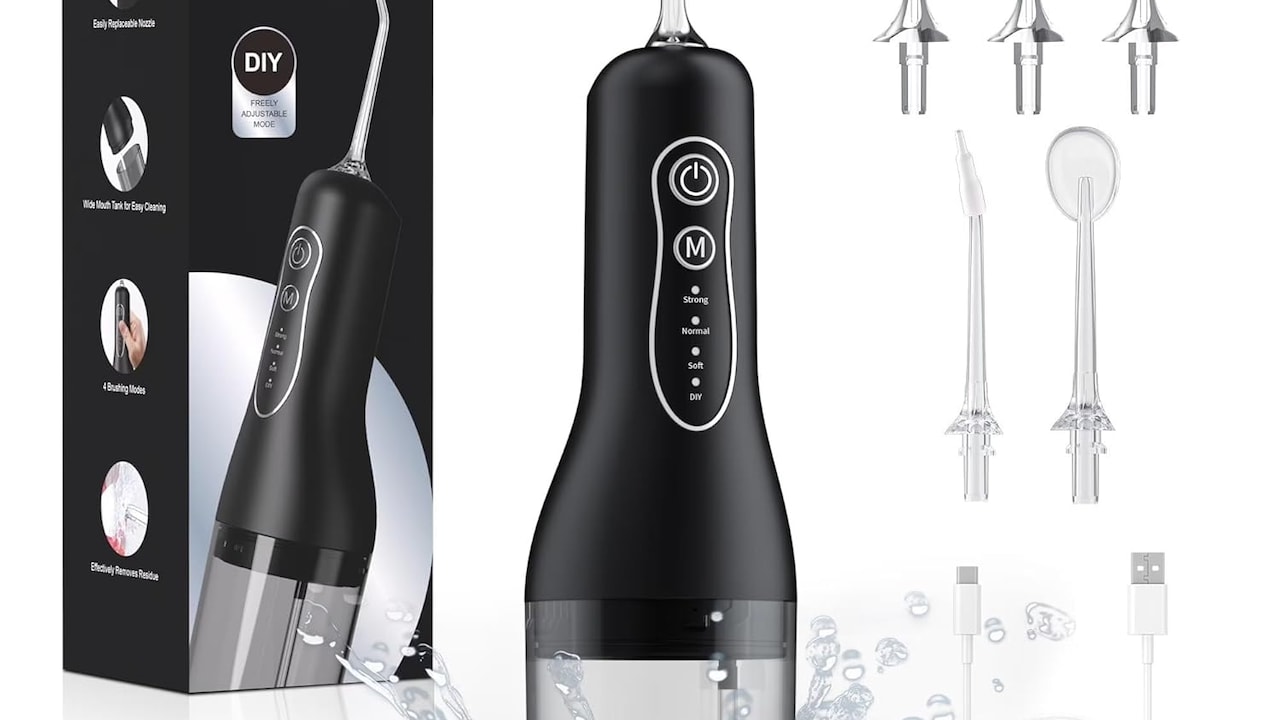
Can An Electric Flosser Replace Brushing Or Is That A Big Dental Myth?
Photo Credit: Amazon
How To Use It Without Hurting Your Gums
An electric flosser should feel comfortable, not painful. Start with the lowest pressure setting, especially if the gums bleed easily. Lean slightly over the sink, keep the mouth partly closed, and guide the nozzle along the gumline. Pause briefly between teeth so the water can clean the spaces properly.
Angle matters. The stream should meet the gumline and gaps between teeth, not blast directly into soft tissue. Move slowly from one tooth to the next. Rushing through the routine may look efficient, but it often misses the very areas that need attention.
A little bleeding may happen if the gums are inflamed or if interdental cleaning is new. But regular bleeding, swelling, bad taste, pus, or pain needs a dentist's attention. Do not keep increasing pressure to “clean deeper”. More force does not always mean better hygiene. Sometimes it just means angrier gums and a bathroom mirror covered in splash marks.
The Right Order In Your Routine
A sensible routine feels simple. Use the electric flosser before brushing or after meals when something feels stuck. Many people prefer using it before brushing because it clears the spaces and allows toothpaste to reach the mouth more evenly. Others use it after brushing because they enjoy the fresh finish. The exact order matters less than consistency and proper technique.
Brushing should still happen twice a day with fluoride toothpaste. Clean for about two minutes and cover all surfaces: outer, inner, and chewing areas. Avoid brushing too hard, as rough brushing can irritate gums and wear down enamel over time. NHS guidance also supports cleaning between teeth with suitable tools and recommends asking a dentist or hygienist for the best option for your mouth.
After brushing, avoid rinsing aggressively with lots of water. Spitting out excess toothpaste helps leave fluoride on the teeth for longer. It may feel odd at first, but it makes the toothpaste work harder.
What To Check Before Buying One
Before buying an electric flosser, look beyond the shiny design. A good model should offer adjustable pressure settings, a comfortable nozzle, easy cleaning, and a water tank that does not need refilling every few seconds. For small bathrooms, a cordless model may suit better. For family use, a countertop version with a larger tank may feel more practical.
Noise level also matters. Some devices sound like tiny bathroom machinery. That may not bother one person, but it can irritate a sleepy household at midnight. Battery life matters too, especially for people who travel often or forget to charge devices until they stop working.
Do not buy only because a model looks expensive or has too many attachments. Extra tips and modes mean little if the device feels clumsy. A basic, well-built flosser used daily beats a fancy one lying untouched beside the sink. Prices can vary widely, so choose based on comfort, cleaning needs, and durability rather than pure excitement.
Who Should Be Extra Careful
People with gum disease, recent dental surgery, loose teeth, mouth ulcers, severe sensitivity, or ongoing bleeding should ask a dentist before using high-pressure settings. The same applies to anyone with implants, braces, or complex dental work. An electric flosser can help, but the wrong technique may cause discomfort.
Children should use such devices only under adult supervision. A water flosser may look like a fun toy, but it still needs careful handling. Also, people who already brush harshly may carry the same attitude into flossing. The goal is not to attack the mouth. The goal is to clean patiently.
Bad breath, bleeding gums, tooth pain, or food getting stuck regularly may point to issues that a gadget cannot fix. Cavities, gum pockets, tartar build-up, or poorly fitting fillings need professional care. A flosser can support hygiene, but it cannot replace a dental check-up, scaling, or treatment when something has already gone wrong.
The Best Way To Build The Habit
The easiest way to use an electric flosser regularly is to keep it visible and ready. If it stays packed in a box or hidden in a cupboard, it will slowly become another “good intention” purchase. Keep it near the toothbrush, fill it before use, and clean the tank often. A dirty device defeats the purpose of oral care.
Attach the habit to something already familiar. Use it at night before brushing, after dinner, or after sticky snacks. Small routines survive better than dramatic plans. There is no need to create a 20-minute spa-style dental ritual unless that genuinely feels enjoyable. Most people need a routine that works even on busy weekdays, sleepy nights, and mornings when the pressure cooker whistles at the wrong time.
The flosser should make dental care easier, not more intimidating. Once it becomes part of the routine, the mouth may feel cleaner, the gums may feel healthier, and those annoying food bits may stop making surprise appearances during conversations.
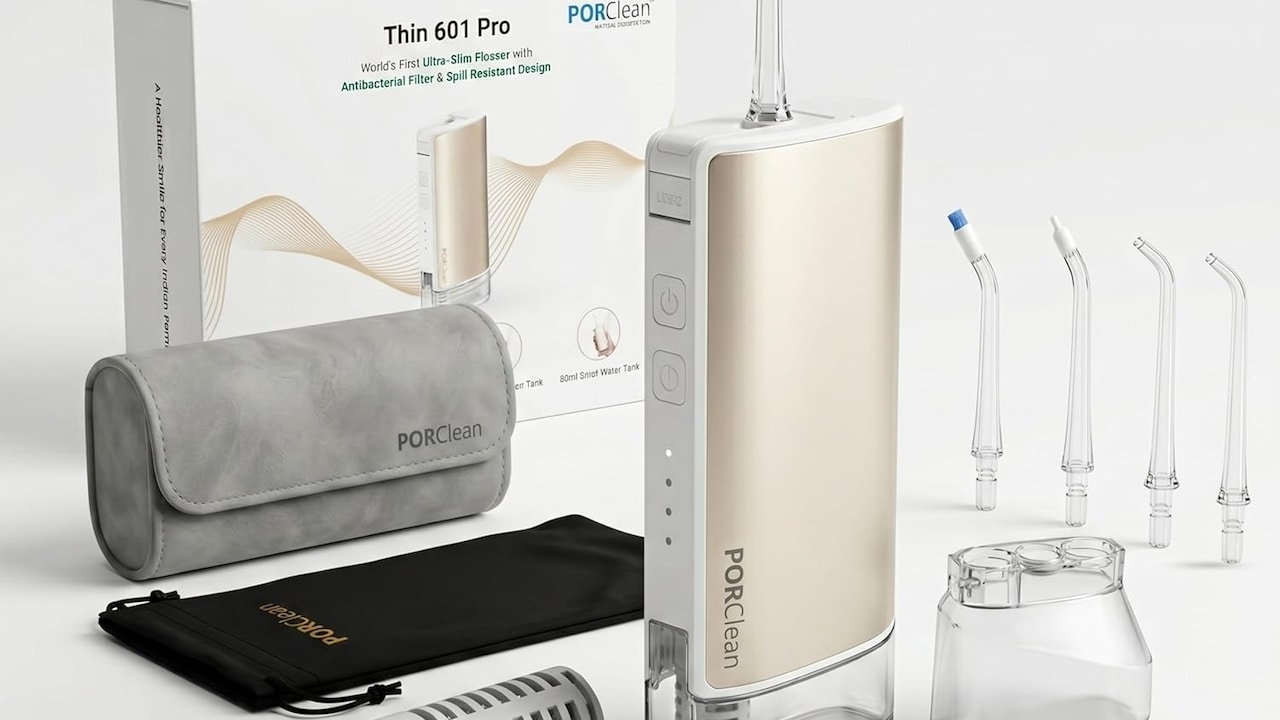
Can An Electric Flosser Replace Brushing Or Is That A Big Dental Myth?
Photo Credit: Amazon
Products Related To This Article
1. ORACURA® OC200 Dental PRO Smart PLUS Water Flosser
2. H2ofloss Water Dental Flosser Teeth Pick -Portable Oral Irrigator with 5 Modes
3. AGARO Royal Dental Flosser for teeth, 2 Nozzles
4. Perfora Power Dental Water Flosser - 300ml
5. FlossJet Water Flosser for Teeth
6. CPENSUS 360° water flosser for teeth 350 ml
7. Water Flosser for Teeth Cleaning
An electric flosser cannot replace brushing. That idea belongs firmly in the dental myth basket, right next to “harder brushing means cleaner teeth”. Brushing cleans the main tooth surfaces, while an electric flosser helps between teeth and around the gumline. Used together, they make a stronger team.
So, keep the toothbrush. Add the flosser if it suits your mouth, budget, and routine. The smartest dental care does not come from choosing one tool and rejecting the other. It comes from knowing what each tool does, using it well, and not letting a fancy gadget talk you out of the basics.
(Disclaimer: This article may include references to or features of products and services made available through affiliate marketing campaigns. NDTV Convergence Limited (“NDTV”) strives to maintain editorial independence while participating in such campaigns. NDTV does not assume responsibility for the performance or claims of any featured products or services.)