Air Cooler Mistakes That Raise Humidity Without Lowering Room Temperature
Common air cooler mistakes can raise indoor humidity without reducing heat. Poor ventilation, wrong placement, dirty pads and excess water often turn cool airflow into sticky discomfort.
Common reasons for air coolers increasing humidity
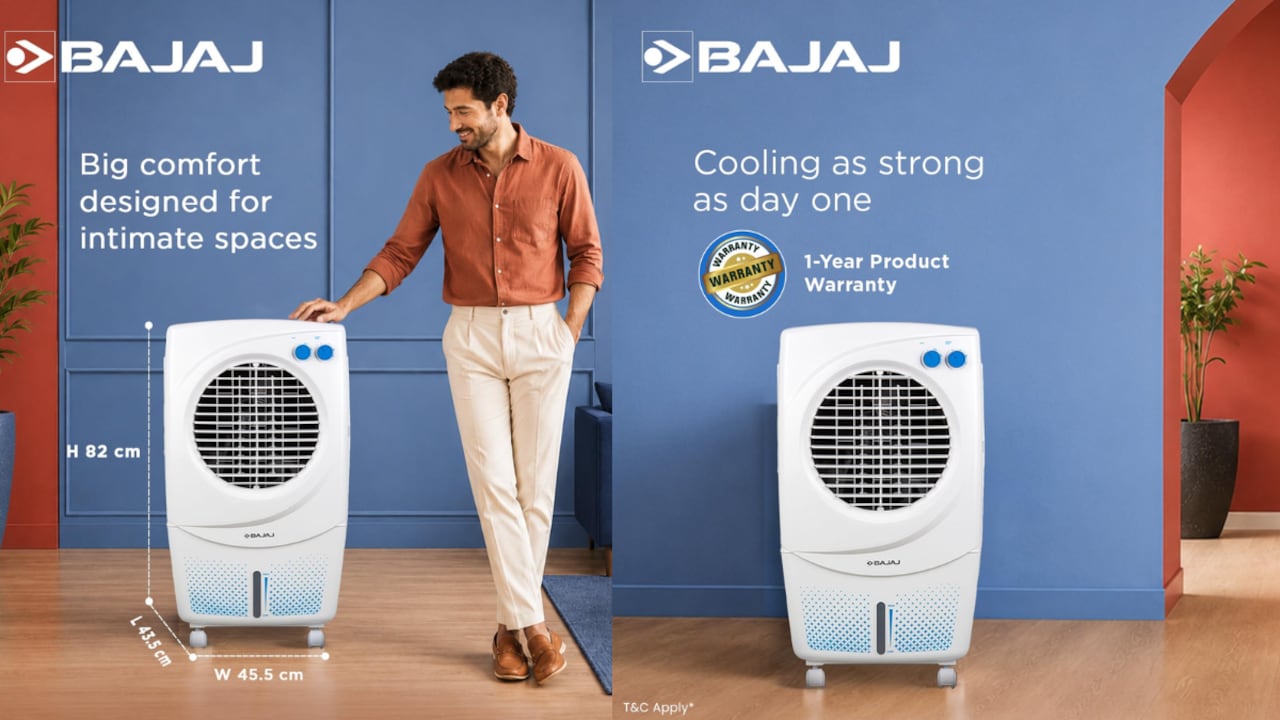
When summer heat settles over the house, an air cooler often feels like the sensible middle path between a ceiling fan and an air conditioner. It costs less to buy, consumes less electricity and can deliver a pleasant breeze without sending the monthly power bill into dramatic territory. However, air coolers have one important condition: they need airflow. Unlike an air conditioner, which removes heat and moisture from indoor air, a cooler adds moisture while lowering air temperature through evaporation. Fresh, dry air enters the machine, passes through wet cooling pads and moves into the room as a cooler breeze. The warm, humid air already inside must then find a way out.
Common air cooler mistakes that can increase humidity
Photo Credit: Amazon
When this cycle breaks, humidity rises. The bedsheet starts feeling damp, the floor feels oddly sticky, and the room remains stubbornly warm. People often blame the cooler, the weather or the water pump. In many cases, the real problem is how the appliance is being used. Here are ten common air cooler mistakes that raise humidity without delivering meaningful cooling.
Also Read: SUMMERCOOL Air Coolers For Powerful Summer Cooling
Common Air Cooler Mistakes That Make Rooms Hot And Humid
Keeping Every Door And Window Shut
Closing every door and window may seem logical. After all, nobody wants cool air escaping. That approach works with an air conditioner, but an air cooler follows a completely different rulebook.
A cooler needs a continuous supply of fresh air and a clear exit route for humid air. In a sealed room, the same moisture-filled air keeps circulating. The cooling pads add more water vapour with every round, turning the space muggy rather than comfortable.
The result feels familiar: the cooler is running at full speed, the curtains are fluttering, and everyone is still wiping sweat from their forehead. The machine is moving air, but evaporation has slowed because the room has become too humid.
Keep one window or door partly open, preferably on the opposite side of the room. This creates cross-ventilation and pushes warm, moist air outside. The opening does not need to resemble a railway platform entrance. Even a modest gap can improve circulation.
Think of the room as a pressure cooker. Without an outlet, all that moisture simply stays trapped inside.
Placing The Cooler Deep Inside The Room
An air cooler tucked beside a sofa or pushed into a distant corner may look tidy, but it often performs poorly. The appliance works best when it can draw warm, relatively dry air from outside.
When placed deep inside the room, it pulls in air that has already passed through the cooling pads. That air contains more moisture. Recycling it repeatedly raises humidity and reduces the rate of evaporation, so the breeze may feel damp without feeling significantly cooler.
Position the cooler near an open window, balcony door or ventilated entrance. The back of the unit should face the fresh-air source, while the front should point towards the occupied area. This arrangement gives the machine the dry air it needs and helps push stale air towards another opening.
A common mistake is placing the cooler directly against a wall because the room looks more organised that way. Leave enough space behind it for proper air intake.
Furniture placement matters too. A showcase, curtain or stack of storage boxes behind the cooler can restrict airflow. The machine may roar enthusiastically while achieving very little, rather like a scooter revving at a red light.
Using The Cooler During Highly Humid Weather
Air coolers perform best in hot, dry conditions. They become less effective when the atmosphere already contains a great deal of moisture.
During humid weather, water evaporates slowly. Since evaporation produces the cooling effect, the cooler cannot lower the air temperature efficiently. It may still blow air across the room, but the cooling pads continue adding moisture to an already damp environment.
This problem often appears during the monsoon or in coastal regions. The room starts feeling heavy, clothes take longer to dry, and the cooler breeze feels more like air from a wet towel.
Check the weather before filling the tank and switching on the pump. On humid days, use the cooler in fan-only mode if the model offers that option. The airflow can still improve comfort without adding more moisture.
A ceiling fan can also help distribute air and reduce the feeling of stuffiness. However, no arrangement can force strong evaporative cooling when outdoor humidity is high.
The appliance is not necessarily faulty. Sometimes the weather has simply decided not to cooperate, which is a familiar household villain with excellent timing.
Running The Water Pump Continuously
Many users assume that more water must produce more cooling. That belief often leads to the pump running continuously, even when the room already feels humid.
The pump keeps the cooling pads wet. This is necessary for evaporation, but constant saturation can become counterproductive in certain conditions. If the pads are dripping heavily or the room lacks ventilation, the machine may release excessive moisture without creating enough temperature reduction.
A better approach is to observe the room rather than treating the pump switch as sacred. Run the cooler with the pump for a while, then switch to fan-only mode if the space begins to feel sticky. Some modern models include humidity controls or automatic water circulation cycles, which can make this easier.
The cooling pads should remain evenly damp, not soaked to the point of leaking. Water flowing down in thick streams does not guarantee better performance.
Also inspect the pump settings. An oversized or incorrectly adjusted pump can flood the pads faster than needed. This wastes water and may create splashes around the unit.
Effective cooling depends on balanced evaporation, not on turning the appliance into a miniature waterfall.
Overfilling The Water Tank
Filling the water tank right to the brim may appear efficient, especially when nobody wants to refill it during a hot afternoon. However, overfilling can lead to leakage, poor circulation and excess dampness around the cooler.
Most units have a maximum water-level mark for a reason. Water above that line may spill when the machine moves, when the pump starts or when the internal float mechanism shifts. Damp flooring around the cooler can increase the feeling of humidity and create a slipping hazard.
Excess water can also reach components that should remain dry. In poorly maintained units, this may damage the pump, motor connections or electrical parts. A small puddle beside a plugged-in appliance is not a charming summer feature.
Fill the tank only up to the recommended level. If the cooler has a water-level indicator, check it rather than relying on guesswork. Also ensure the unit stands on a flat surface, as a tilted cooler may leak even when the tank is not technically overfilled.
Refilling once more during the day is far less inconvenient than mopping the floor repeatedly while wondering why the room feels like a laundry area during monsoon season.
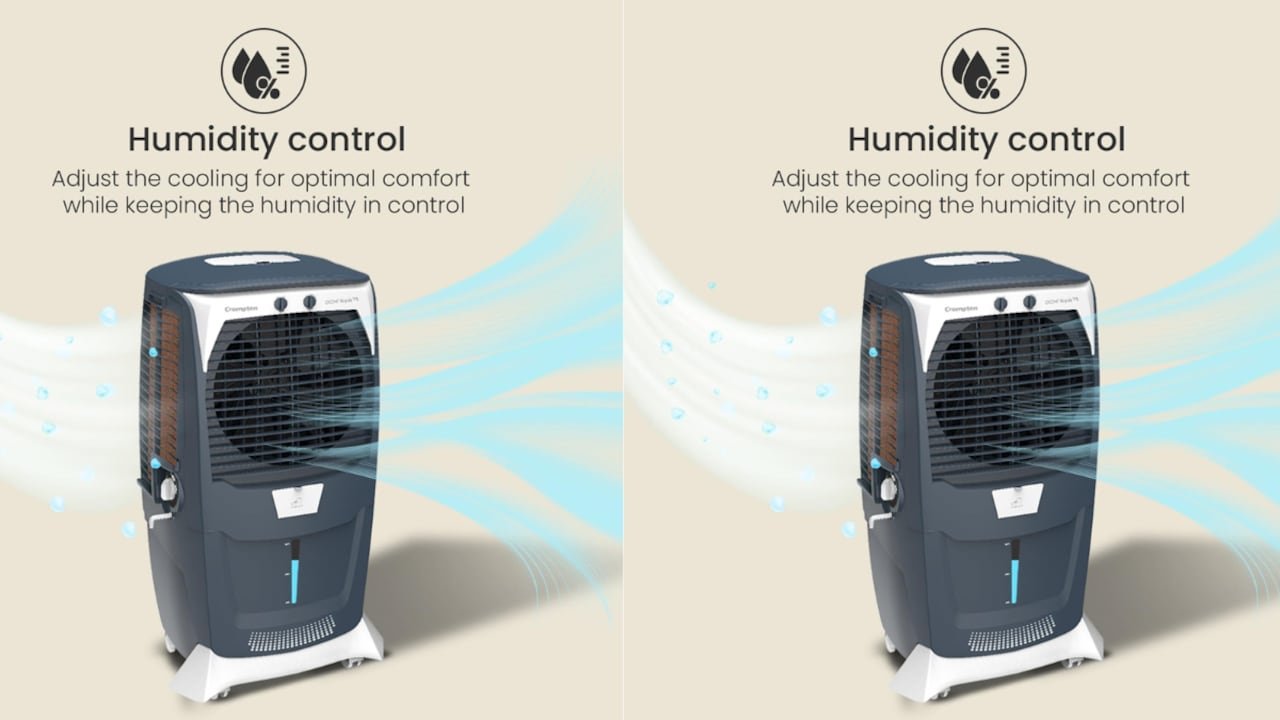
Overfilling the tank can also cause the cooler to raise humidity levels and reduce cooling
Photo Credit: Amazon
Using Dirty Or Clogged Cooling Pads
Cooling pads collect dust, mineral deposits, pollen and other debris over time. When they become clogged, air struggles to pass through them. The pump may continue soaking the pads, but restricted airflow reduces evaporation and cooling.
This creates an unpleasant combination. The machine adds moisture, yet the outgoing air feels weak and barely cooler than the room. Dirty pads can also produce a musty smell that spreads quickly through the house.
Clean the pads regularly during periods of frequent use. Honeycomb pads often need gentle washing with clean water, while wood-wool pads may require more frequent replacement. Always follow the manufacturer's care instructions, as aggressive scrubbing can damage the material.
Hard water causes another problem. Mineral deposits form a pale crust on the pads and block the tiny air passages. A mild descaling method recommended by the manufacturer can help. In areas with heavy mineral content, more regular cleaning may be necessary.
Replace pads that have become brittle, uneven or permanently clogged. Fresh pads allow better airflow and more consistent evaporation.
A cooler cannot breathe through dirty pads. Expecting it to perform anyway is like trying to enjoy chai through a blocked straw.
Ignoring Cross-Ventilation
Opening a window near the cooler helps, but that alone may not be enough. The humid air also needs a clear route out of the room.
Cross-ventilation works when fresh air enters from one side and warm, moisture-laden air exits from another. Without an opposite opening, the incoming air can create turbulence rather than a steady flow. Humidity then builds up around the room.
Open a door, ventilator or window across from the cooler. The outlet should ideally be slightly smaller than the inlet, which can help maintain a stronger stream of air through the space.
Room layout also affects the path. Tall cupboards, closed partitions, and heavy curtains may block circulation. Rearranging a chair or tying back a curtain can sometimes improve cooling more than increasing the fan speed.
In larger homes, keeping connected doors partly open can help the air travel towards a hallway or balcony. However, avoid trying to cool several rooms with one small unit. The airflow becomes scattered and ineffective.
Good ventilation should feel like a gentle current moving through the room. When the air has nowhere to go, the cooler simply keeps seasoning the same warm space with extra moisture.
Choosing The Wrong Cooler Size
A cooler that is too small for the room may run constantly without delivering enough airflow. A unit that is unnecessarily large can introduce more moisture than the space can release.
Cooling capacity depends on room size, ceiling height, ventilation and local climate. A compact personal cooler may work well beside a study table but struggle in a large drawing room. Meanwhile, a powerful desert cooler in a tiny bedroom may create a fierce, damp breeze that rattles newspapers without improving comfort.
Check the recommended coverage area before buying. Manufacturers usually mention airflow capacity and suitable room size. Treat those figures as guidance rather than guaranteed performance, since poor ventilation can reduce the effectiveness of even a powerful model.
Also consider where the cooler will be used. A well-ventilated living room may need a different machine from a closed bedroom. For large spaces, stronger airflow matters more than flashy features or a tank large enough to supply a roadside juice stall.
Buying purely according to price can lead to disappointment. Spending ₹1,000 less on an undersized unit may seem clever until it runs all day and still fails to cool the room.
Pointing The Cooler In The Wrong Direction
Air direction has a major effect on comfort. A cooler aimed at a wall, cupboard or empty corner wastes much of its airflow. The cool breeze loses speed before reaching anyone, while moisture spreads through the room.
Direct the front of the cooler towards the occupied part of the space. The airflow should travel across the room and towards an exit such as an open window or door. This supports circulation and prevents damp air from gathering in one area.
Avoid placing the unit so close to a bed or sofa that the breeze feels harsh. Constant exposure to a strong wet airflow can feel uncomfortable, especially at night. A distance of a few feet usually creates a more even cooling effect.
Use the swing function when several people share the room. However, fixed airflow may work better when the goal is to create a clear path from the cooler to the opposite opening.
Check the louvres as well. Upward-facing louvres can help distribute air through the room, while downward airflow may hit the floor and lose momentum.
The cooler should guide air through the space, not fire it at the nearest piece of furniture.
Neglecting Regular Maintenance
Even a well-positioned cooler loses efficiency without basic maintenance. Dusty fan blades, blocked filters, stale tank water and loose pump pipes can reduce airflow or increase unwanted moisture.
Empty and rinse the tank regularly. Standing water can develop an unpleasant smell and encourage algae or bacterial growth. Fresh water does not directly solve humidity problems, but it improves hygiene and helps the machine operate as intended.
Inspect the fan blades and air vents for dust. A thick layer of grime reduces airflow, forcing the cooler to work harder while circulating less air. Check the water distribution pipes too. Uneven flow may leave one part of the pad dry and another part drenched.
Look for leaks around the tank, drain plug and pipe connections. Even a slow drip can create constant dampness near the unit.
Before the summer season begins, arrange a thorough service if the machine has been stored for months. A basic service often costs far less than replacing a damaged pump or motor.
An air cooler is simple, but it is not maintenance-free. It needs occasional attention, much like the household mixer that behaves perfectly until guests arrive.
Products Related To This Article
1. Cadlec ChillMate 50L Personal Air Cooler For Home
2. Orient Electric Durachill 40 L Portable Air Cooler For Home
3. Bajaj DMH 90 Neo 90L Desert Air Cooler for Home
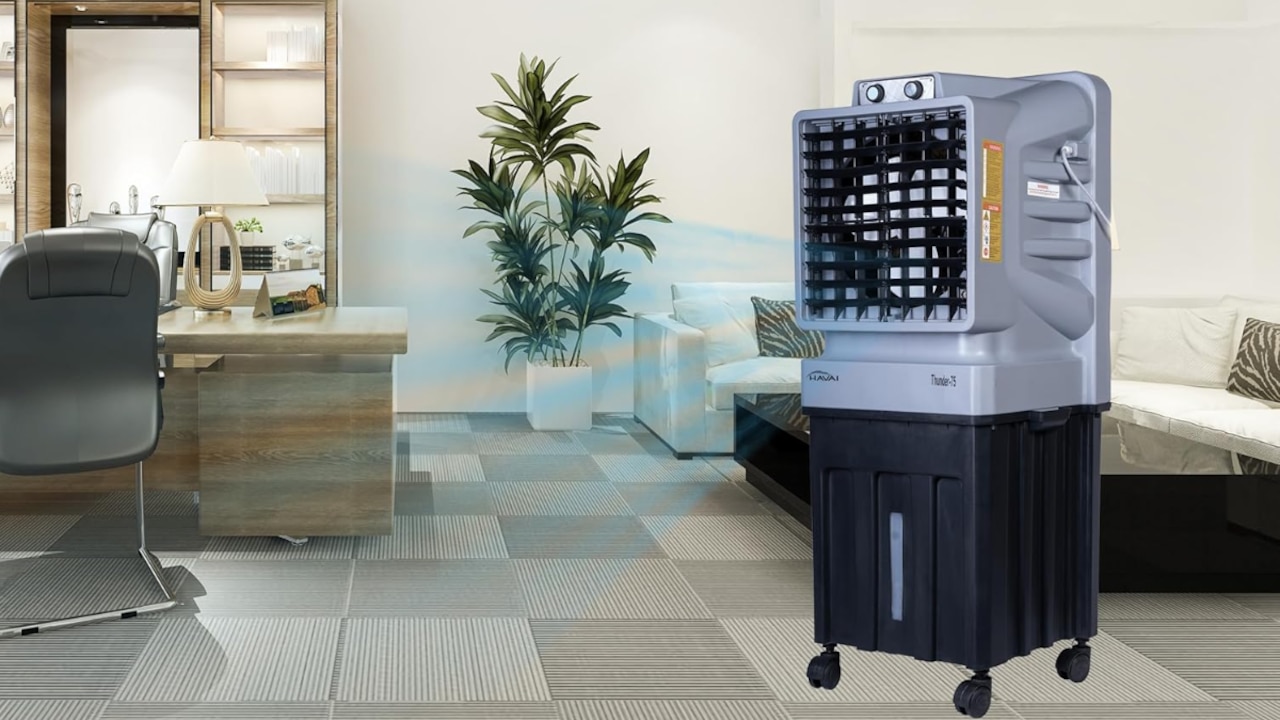
4. HAVAI Thunder-75 Tower Air Cooler
5. WelTherm 6L Tower Air Cooler for Room
6. BHABURLY | GLX 35 LTR | Personal Portable Cooler with Anti Bacterial Honeycomb
7. Symphony Diet 12T Tower Air Cooler
An air cooler can deliver affordable relief during scorching weather, but only when fresh air enters and humid air escapes. Most disappointing results come from treating the appliance like an air conditioner.
Sealed rooms, poor placement, dirty cooling pads and excessive water circulation all raise moisture levels. The cooler continues running, yet the temperature barely changes. The room then feels sticky, uncomfortable and strangely warmer than expected.
The solution rarely involves complicated repairs. Open an opposite window, position the unit near a fresh-air source and keep the water level within the recommended limit. Clean the pads, check the airflow and use fan-only mode when the weather becomes too humid for effective evaporation.
Most importantly, pay attention to how the room feels. A cooler should create a light, moving breeze rather than a damp blanket of air.
Used correctly, it can make summer afternoons far more bearable without placing an enormous burden on the electricity bill. Used carelessly, it may simply turn the bedroom into a tropical enclosure, minus the holiday mood.
(Disclaimer: This article may include references to or features of products and services made available through affiliate marketing campaigns. NDTV Convergence Limited (“NDTV”) strives to maintain editorial independence while participating in such campaigns. NDTV does not assume responsibility for the performance or claims of any featured products or services.)