Smartwatches With Built-In GPS: How Can This Feature Be More Useful?
Built-in GPS makes a smartwatch more useful by enabling accurate fitness tracking, phone-free navigation, safer location sharing and smarter route planning for everyday travel and outdoor activities.
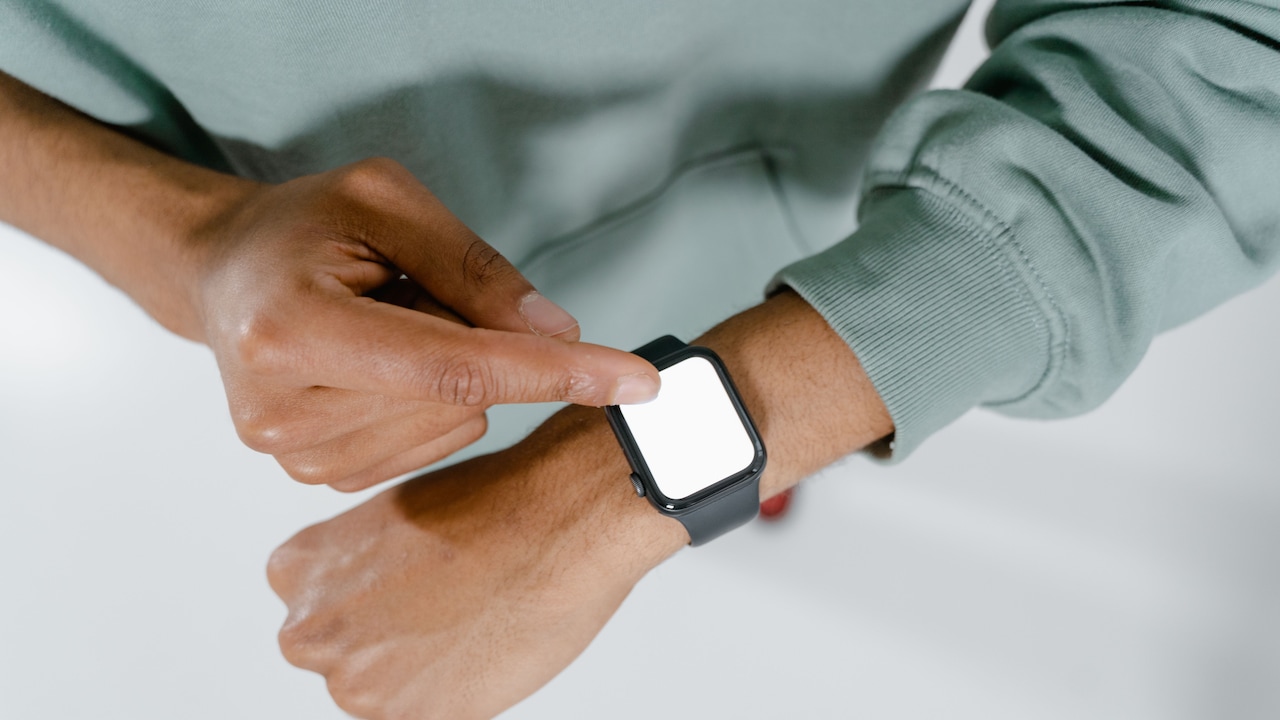
10 ways to use the built-in GPS in your smartwatch
Smartwatches have quietly moved from being fancy notification screens to becoming useful everyday tools. They count steps, monitor heart rate, track sleep and occasionally remind their owners to stand up after three hours of scrolling. Among these features, built-in GPS stands out because it allows the watch to track location without depending constantly on a smartphone. That independence matters more than it may seem. A runner can leave a bulky phone at home. A cyclist can record a long route. A traveller can navigate through unfamiliar streets without staring at a handset every few seconds. Even a casual evening walk can produce meaningful information about distance, pace and direction.
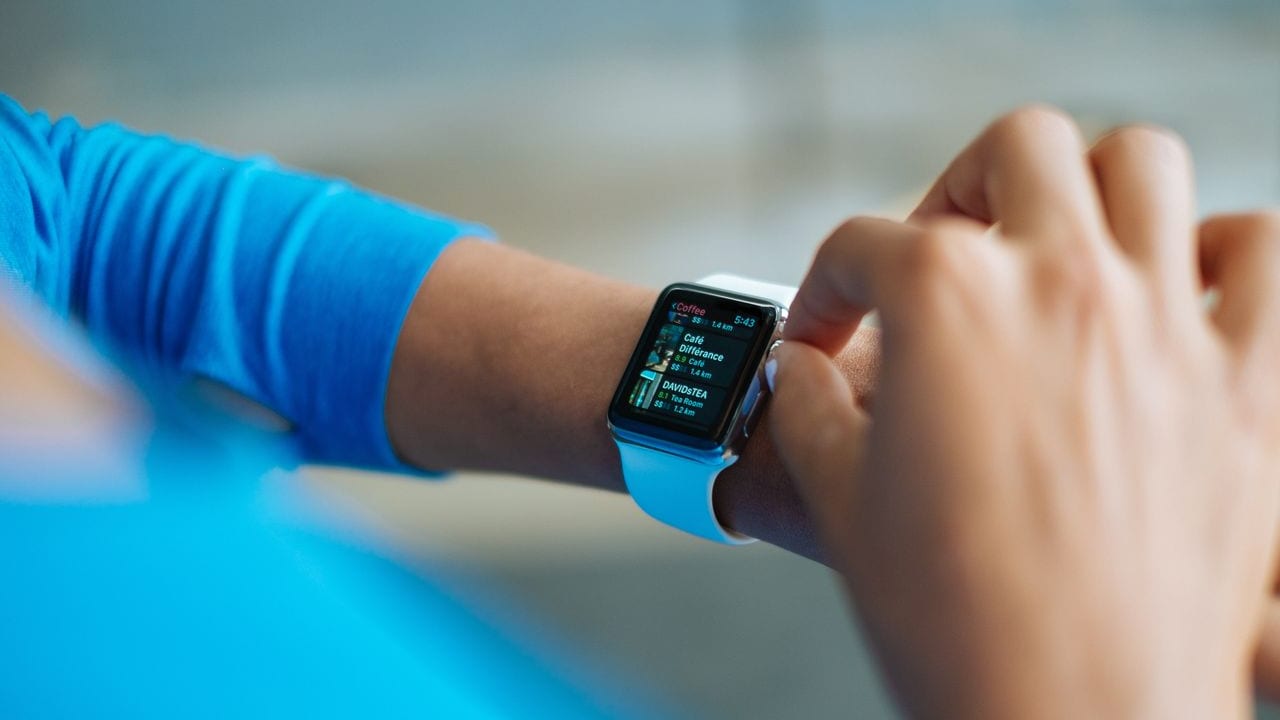
Different ways to use the built-in GPS in your smartwatch; Photo Credit: Pexels
However, many people use GPS only to check how far they have walked or run. The technology can offer far more when paired with the right habits and settings. From safer commutes to smarter training, built-in GPS can make a smartwatch feel less like a gadget and more like a dependable assistant strapped to the wrist.
Also Read: Best Smartwatches Under ₹1500 On Amazon
Ten Practical Ways To Make Built-In GPS More Useful
Accurate Tracking Without Carrying A Phone
The greatest advantage of built-in GPS is simple: it works independently. A smartwatch without its own GPS often borrows location data from a connected phone. That arrangement works well until the phone remains at home, loses connection or sits deep inside a bag where the signal weakens.
With built-in GPS, walkers, runners and cyclists can record their routes directly from the wrist. The watch measures distance, pace and movement with greater consistency. This freedom feels especially useful during early morning runs when carrying a large phone becomes more irritating than motivating.
Picture a jog around a neighbourhood park before breakfast. The watch maps every turn while the phone charges safely at home. After the session, the route appears in the fitness app, complete with pace changes and distance covered. No bouncing phone, tangled earphone cable or nervous pocket-checking.
This feature also suits people who prefer minimal distractions. Without constant messages and social media alerts, a workout becomes calmer. The watch records the important details while allowing the wearer to focus on breathing, movement and the satisfying thought of earning an extra paratha later.
Smarter Running And Walking Routes
Built-in GPS can turn an ordinary walk or run into a more structured activity. Instead of repeating the same route every day, users can study previous maps and discover new paths that match their fitness goals.
Someone preparing for a five-kilometre event can identify routes with the correct distance. A beginner may prefer flat roads, while an experienced runner may choose slopes or longer stretches for endurance training. GPS records reveal which areas slow the pace and where performance improves.
This information becomes particularly useful in crowded neighbourhoods. Busy crossings, uneven pavements and traffic-heavy roads can interrupt rhythm. By reviewing earlier routes, a runner can choose quieter lanes or nearby parks for the next session. Even small changes can make exercise feel safer and more enjoyable.
Walking groups can also benefit. Friends may compare routes and plan a weekend circuit around a lake, market or residential area. The activity becomes more engaging when everyone can see the distance covered.
Instead of treating GPS as a silent background function, users can make it part of route planning. A little curiosity can transform repetitive exercise into a fresh weekly adventure.
Better Pace Management During Workouts
Many people begin a run with heroic enthusiasm and finish it negotiating with their lungs. Built-in GPS can help prevent that dramatic decline by showing real-time pace.
Pace data tells users how quickly they are covering each kilometre. Runners can glance at the watch and adjust their speed before exhaustion arrives. Someone targeting a steady seven-minute kilometre can slow down if the watch shows an overexcited opening pace of five minutes.
This guidance supports more balanced training. Beginners learn to avoid starting too fast, while experienced runners can practise intervals and tempo sessions. Walkers can also use pace information to maintain a brisk, consistent rhythm.
The value extends beyond numbers. Real-time feedback builds awareness of the body. Users begin to understand how heat, sleep, food and road conditions affect performance. A humid morning may require a slower pace than a cool winter evening, and that is perfectly sensible.
Over time, GPS data shows whether endurance has improved. A familiar route may take fewer minutes or feel easier at the same pace. Progress often appears slowly, so these records provide encouraging proof that regular effort is producing results.
More Reliable Cycling Data
Cyclists can gain enormous value from built-in GPS, particularly when travelling across long or unfamiliar routes. The watch can track speed, distance, elevation and the exact path taken without requiring a phone to remain mounted on the handlebar.
This proves helpful during weekend rides, daily commutes and fitness training. A cyclist travelling from one part of the city to another can compare different routes and identify which one takes less time. The shortest road may not always offer the smoothest ride. A slightly longer route with fewer signals and potholes may feel far better.
GPS records also help cyclists understand effort. Elevation data reveals climbs that may not appear obvious during the ride. Speed changes show where traffic, road conditions or fatigue affected performance.
For recreational riders, the route map becomes a digital memory. A lakeside ride, hill route or countryside journey can remain saved for future weekends. Friends can repeat the same trail or challenge themselves to improve their timing.
The watch cannot fix chaotic traffic or surprise speed breakers, of course. Still, it can provide reliable information that helps cyclists plan more confidently and ride with greater purpose.
Safer Exploration In Unfamiliar Places
Travelling through an unfamiliar area often involves a familiar scene: stopping at every corner, unlocking the phone and rotating it repeatedly to understand the map. A smartwatch with GPS can make navigation less awkward.
Many models provide turn-by-turn directions or route guidance directly on the wrist. A gentle vibration can signal an upcoming turn, allowing travellers to continue walking without displaying an expensive phone in a crowded street.
This feature can help during holidays, work trips or visits to a new part of town. Someone searching for a café, hotel or meeting venue can follow directions discreetly. It also reduces the chance of missing a turn while arguing with a map that appears to face the wrong direction.
GPS navigation proves equally helpful at large campuses, exhibitions, amusement parks and outdoor events. These places can feel like small cities once the crowd grows.
Offline maps can make the feature even more useful. Downloading an area before leaving ensures navigation continues when mobile data becomes weak. With a little preparation, the smartwatch can guide the wearer through unfamiliar surroundings while the phone stays safely tucked away.
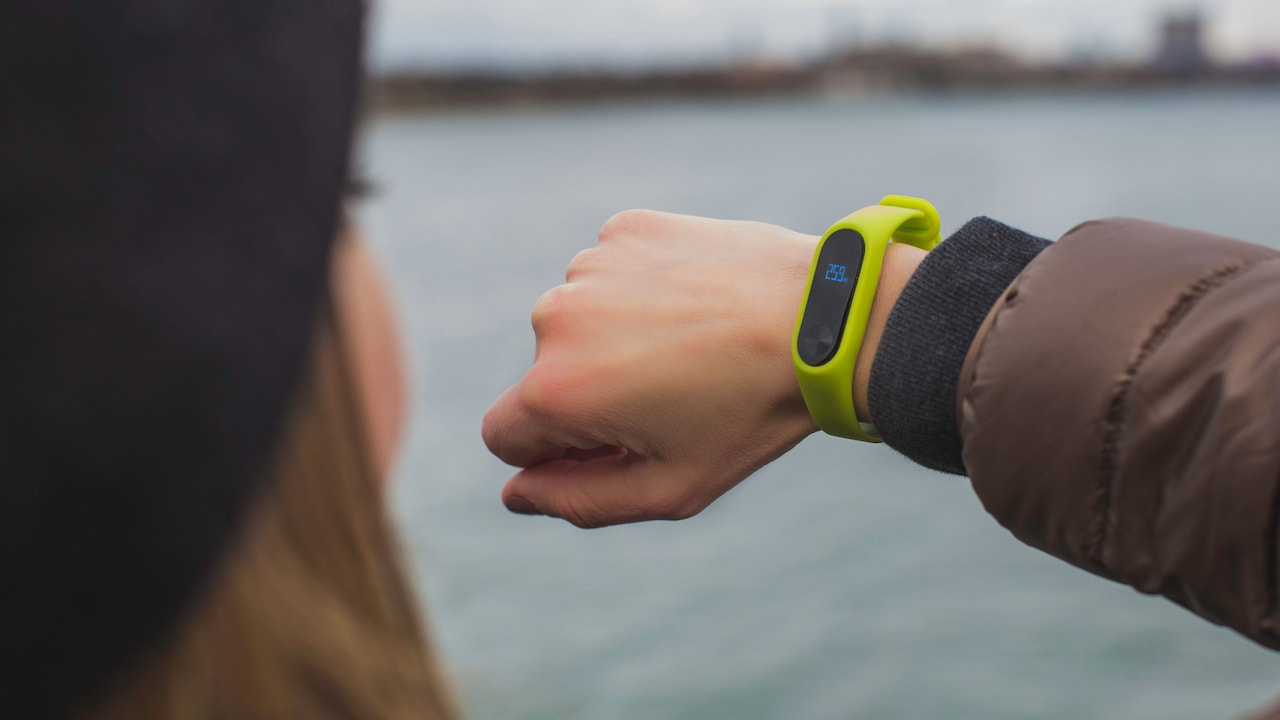
Built-in GPS can help explore new places safely; Photo Credit: Pexels
Faster Help During Emergencies
Built-in GPS can support personal safety when paired with emergency features. Some smartwatches allow users to share live location, send an SOS message or contact selected people during a difficult situation.
This can matter during late-evening travel, solo walks, cycling trips or outdoor activities. A person who feels unsafe may trigger an alert from the wrist without searching through a bag for a phone. The location data helps family members or emergency contacts understand where assistance may be needed.
Fall detection can add another layer of support. If the watch senses a hard fall and receives no response, compatible models may alert a contact automatically. This feature can prove useful for older adults, hikers and people who exercise alone.
However, users should not assume these tools work perfectly without preparation. Emergency contacts must remain updated. Location permissions, mobile connectivity and safety settings should also receive regular checks.
A five-minute setup can make a major difference later. GPS cannot prevent every problem, but it can shorten the time required to reach someone. In a stressful moment, quick location sharing may feel far more valuable than step counts or colourful fitness badges.
Improved Tracking For Outdoor Adventures
Treks, nature walks and camping trips become more manageable when a smartwatch can record location independently. Built-in GPS helps users track the route, estimate distance and understand elevation changes during outdoor adventures.
A trek may look straightforward on a map, yet the ground often tells a different story. Steep climbs, winding paths and unexpected diversions can increase both distance and effort. GPS data provides a clearer picture of the journey.
Some smartwatches offer breadcrumb navigation, which displays the path already travelled. This function can help users retrace their steps when a trail becomes confusing. It should not replace proper preparation, local guidance or a dedicated navigation device on difficult routes, but it offers useful support.
The watch can also record memorable journeys. A sunrise climb, forest walk or coastal trail can remain saved as a route rather than fading into a collection of blurred photographs.
Battery planning matters during longer trips. Continuous GPS consumes more power than regular watch functions. Reducing screen brightness, switching off unnecessary alerts and choosing a battery-saving GPS mode can extend usage. Good preparation ensures the watch remains useful when the scenery becomes beautiful and the nearest charging point becomes imaginary.
More Meaningful Fitness Progress
Step counts offer a broad idea of daily activity, but GPS adds context. Ten thousand steps around a shopping centre differ greatly from ten thousand steps on a hilly outdoor route. Location, pace and elevation help explain how the body actually worked.
GPS records allow users to compare similar workouts over weeks or months. A person may notice that a regular three-kilometre walk now takes less time. Another may discover that heart rate remains lower at the same running pace. These patterns make progress easier to understand.
The maps can also reveal consistency. A colourful collection of routes across the month often feels more motivating than a simple number on the screen. Each line represents a morning when the alarm was not ignored and a walk happened despite the tempting comfort of bed.
Fitness data should encourage rather than control. Not every session needs to break a record. Illness, weather, stress and poor sleep can affect performance. GPS information works best when users view it as guidance, not judgement.
When combined with realistic goals, the feature helps people celebrate gradual improvement. Small gains may not attract applause, but they often create the strongest long-term habits.
Easier Location Sharing With Family
Location sharing can offer reassurance during commutes, outdoor activities and solo journeys. A smartwatch with GPS can help trusted contacts follow a user's live position when the supporting service allows it.
Parents may find this useful when an older child travels to coaching classes or returns from an evening activity. Family members can also track someone completing a long-distance run, cycle ride or trek. Instead of making repeated calls, they can check the location and allow the person to continue without interruption.
The feature also helps during crowded gatherings. Festivals, fairs, concerts and large wedding venues can separate groups within minutes. Sharing a location from the wrist can make reunions quicker and reduce frantic messages such as “near the entrance” when a venue has six entrances.
Privacy deserves equal attention. Continuous sharing should remain limited to trusted people and specific situations. Users should review which apps can access location and switch off sharing when it no longer serves a purpose.
Used thoughtfully, GPS sharing offers convenience without becoming intrusive. The goal is reassurance, not constant surveillance. Clear family boundaries can keep the feature helpful, respectful and genuinely comforting.
Greater Convenience During Daily Travel
Built-in GPS does not only belong to athletes and adventurers. It can make routine travel smoother for office workers, students and anyone moving through a busy city.
Navigation prompts on the wrist can help users walk from a metro station to an office building or find the correct lane for an appointment. The watch can also record regular routes, allowing users to compare travel times across different days.
Someone who walks part of the daily commute may discover a quieter path behind a busy road. Another person may notice that getting off public transport one stop earlier adds useful activity without disrupting the schedule. Small adjustments like these can improve both fitness and mood.
GPS can also support time estimates. By learning how long a familiar walking route takes, users can leave home more accurately instead of relying on optimistic calculations. The watch may not eliminate traffic, but it can reduce the classic last-minute sprint from the parking area.
The most useful technology often disappears into everyday life. When GPS quietly guides a turn, records a walk or helps someone reach a meeting on time, the smartwatch earns its place on the wrist.
Products Related To This Article
1. Redmi Watch 5 Lite, 1.96" Amoled, Advanced in-Built GPS
2. boAt Lunar Discovery w/ 1.39" (3.5 cm) HD Display
3. Amazfit Bip 6 Smart Watch 46mm
4. Boat Storm Infinity w/15 Days Extensive Battery Life
5. Fastrack Discovery Smart Watch, 4.9 CM AMOLED Display
6. Amazfit Active Max(Smartchoice) Smart Watch
7. imoo Kids Phone Watch Z1 – Smart Watch with GPS Tracker
Built-in GPS gives a smartwatch something far more valuable than another technical specification. It gives the device independence, context and practical purpose.
The feature can track workouts accurately, guide unfamiliar journeys, improve pace management and support safety tools. It can help cyclists choose better routes, families share locations and travellers explore without constantly holding a phone. Even an ordinary commute can become easier when location information sits one glance away.
Its usefulness, however, depends on thoughtful setup. Users should explore navigation options, update emergency contacts, manage privacy permissions and learn how GPS affects battery life. A feature left buried inside a settings menu cannot offer much help.
Smartwatches often arrive with an impressive collection of functions, yet only a few become part of daily life. Built-in GPS deserves to be one of them. Used properly, it can turn a small screen into a fitness coach, travel guide, safety companion and route planner. That is quite a lot of responsibility for something that also tells the time.
(Disclaimer: This article may include references to or features of products and services made available through affiliate marketing campaigns. NDTV Convergence Limited (“NDTV”) strives to maintain editorial independence while participating in such campaigns. NDTV does not assume responsibility for the performance or claims of any featured products or services.)