Why Does My Phone Charger Cable Wear Out So Quickly
Understand why phone charger cables are prone to wearing out easily and know about some simple habits that can increase their lifespan and prevent damage.

Why Does My Phone Charger Cable Wear Out So Quickly
The most widely used accessories are the cables for phone charging. Constant stress is put on them as they are bent, twisted, packed in bags, pulled from sockets, and used numerous times each day. There are a lot of individuals who end up being let down after just a couple of months of use when the charging cable breaks down. Common issues include frayed ends, exposed wires, loose connectors, and erratic charging, and the issues start to show up much sooner than we would think. Knowing the reasons behind ‘failed cables' can help avoid needless replacements and save on costs in the long term. Many times, it's just a matter of changing cable handling and storage procedures that can dramatically increase cable life.

Discover simple daily habits that increase your phone charger cable lifespan and prevent wear; Photo Credit: iStock
Also Read: 5 Best Wireless Chargers For Bedside Use Under ₹3000
Common Reasons a Phone Charger Cable Wears Out So Quickly
Although they appear to be simple, charging cables are made up of thin wires and insulation that can easily be damaged. Often, the greatest sources of early damage include frequent bending and inappropriate handling.
While there's an inherent limit on the usage life of cables, many cable failures occur due to common usage practices, which add to the stresses on the internal wiring.
Frequent Bending Near The Connector Causes Damage
The highest amount of movement is at the connector section when used. Frequent deformations at this point can lead to internal wiring becoming stressed and punctured or to the charging being interrupted or even being prevented.
Pulling The Cable Instead Of The Plug Weakens Connections
Many users pull the cable out rather than the connector off of the charger. This will cause stress to the joints within and make them likely to get damaged over time.
Tight Wrapping Creates Internal Stress
Cables that are coiled tightly around chargers and phones may stiffen and stretch internal cabling. This not only makes the cable less robust but also less durable with the passage of time.
Heat Exposure Can Reduce Durability
Charging produces heat, and exposure to additional sunlight, hot cars, and/or covering surfaces can affect the insulation materials and lead to premature degradation.
Low-Quality Materials Often Fail Earlier
Sometimes budget cables use thinner wires and/or weaker protective materials, which allow the cables to succumb to the day-to-day wear and tear that occurs with them, as opposed to higher-quality cables.
Understanding How Charging Cables Fail
Most charging cables have several thin wires inside tasked with transferring power and data. These wires are covered by insulation layers to cope with the movement and flexibility in normal usage.
But stress at a particular site is repeated over time, which leads to microscopic damage. As time passes, more than a set number of wires fail internally, and charging slows down, halts or ceases entirely. Looseness, cracking or other visible damage represents the final step in the degradation process that began long ago inside the cable.
Practical Ways To Make Charger Cables Last Longer
Step 1: Disconnect Using The Connector
Do not pull the charger cable, but only the plug, when disconnecting a charger.
Step 2: Avoid Sharp Bends
Make sure the cable is straight to minimise stress on internal wires at either end of the connector.
Step 3: Store Cables Loosely
It is definitely preferable to have loose loops rather than tight wraps in bags, drawers or travel cases for storing cables.
Step 4: Protect Cables During Travel
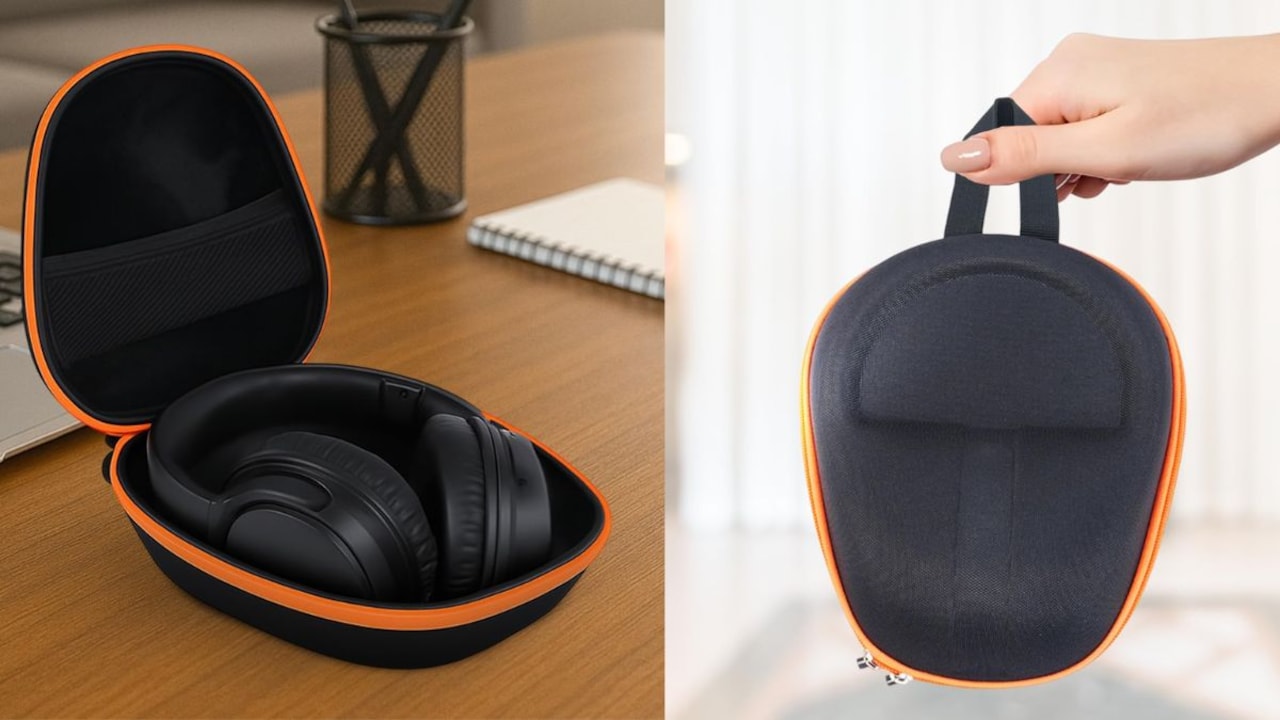
Cable organisers and cases will stop the cables from crushing, twisting, or wearing out during transportation.
Benefits Of Taking Better Care Of Charging Cables
With careful and proper care, charging cables can last longer, and people won't have to change them so frequently. A good cable offers more dependable charging capabilities and reduces the risk of a charging failure at crucial times.
Cost savings over time and a reduction in electronic waste are also part of the advantages of longer-lasting cables. The user can, through a simple improvement of everyday practices, get more value out of the cable that was once purchased with their hard-earned money and without any need to make repeated new purchases. With proper care, charging speeds can be ensured, and there is less danger of overheating and damaged wiring, which can cause poor connection.
Common Mistakes To Avoid
Common errors include charging the phone and leaving the charger cable bent at a 90° angle close to the connector. This ongoing exertion causes a reduction in the strength of the weakest point in the cable and is a cause of early failure in the cable.
Another error is to store cables tightly wrapped around chargers or without protection in a bag. These will bend internal wires and damage wires that can't be seen, which will cause deterioration in charging performance over time. Damaged cables that have exposed wires should also not be used, as this can pose a risk to safety and adverse effects to connected devices.

Understand cable damage causes and adopt easy practices to extend your phone charger's lifespan; Photo Credit: iStock
Some Charger Accessories You May Like
1. OnePlus Fast 80W Original USB Type-C Data Sync Fast Charging Charger Cable
2. Apple MFi Certified Fast Charging & Data Sync Charging Cable
3. Ambrane Type-C to Lightning USB Cable
4. Portronics Konnect Core 3 USB-A to Micro Fast Charging Cable
5. COSTAR 3-in-1 USB Fast Charging Cable
6. Braided USB-C to Compatible with Lightning Fast Charging Cable
7. Belkin Apple Certified Braided Lightning to USB-C Charger
8. DailyObjects SURGE Kevlar Core 4-in-1 100W Charging Cable
The right charger accessories can make everyday charging faster, safer, and far less messy, whether you're at your desk, in the car, or on the move. Choosing well-made cables, adapters, and organisers not only protects your devices but also saves you from constant replacements. A small investment in good charging accessories goes a long way in keeping your daily routine simple and stress-free. Shop now on Amazon
Frequently Asked Questions (FAQs)
1. Why do charger cables usually break near the ends?
To perform well, the connector areas need to bend and to move the most, and hence are the most frequent failure areas.
2. Are braided charging cables more durable?
Yes, charger cables that are braided and have no plastic jacket are inherently more resistant to wear and buckling than are single plastic-coated cables.
3. Does fast charging damage charging cables?
Typically, faster charging will not cause damage to the cable if the cable is approved to handle the charge rates.
4. How long should a phone charging cable last?
With careful and proper handling and storage, a high-quality cable may last for several years.
5. Can damaged charging cables be repaired safely?
Sometimes, cables are damaged due to external damage. But if they have extreme damage or are exposed, they should be replaced for safety purposes.
(Disclaimer: This article may include references to or features of products and services made available through affiliate marketing campaigns. NDTV Convergence Limited (“NDTV”) strives to maintain editorial independence while participating in such campaigns. NDTV does not assume responsibility for the performance or claims of any featured products or services.)