The Hidden Problem With Silicone Sink Mats In Humid Kitchens: Top Tips To Use Them Well
Silicone sink mats trap moisture, odours, and grime in humid kitchens. Learn the hidden problems they cause and smart ways to keep sinks cleaner, fresher and hassle-free year-round.
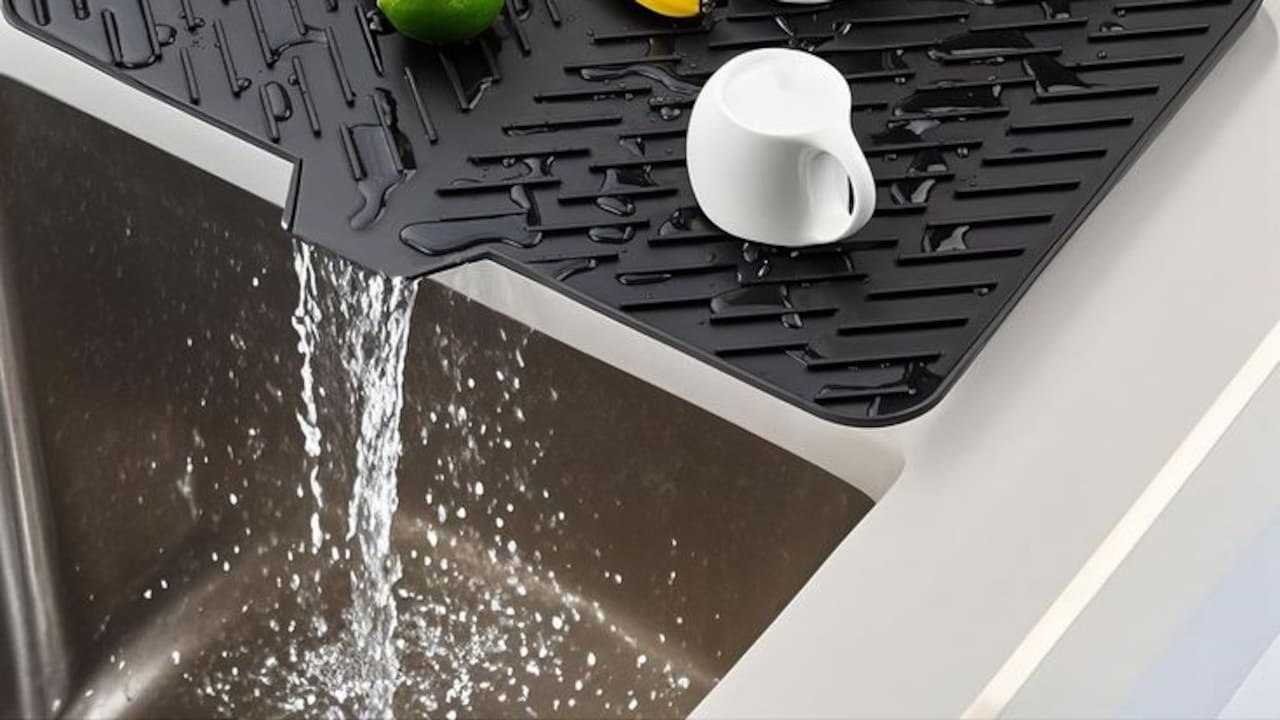
Silicone Sink Mats In Humid Weather: Common Mistakes And Cleaning Tips
Every modern kitchen seems to have one now, the trusty silicone sink mat sitting neatly at the bottom of the sink. It promises protection, comfort, and a cleaner washing area. At first glance, the idea feels brilliant. No more steel utensils crashing around like a wedding band rehearsal. No more scratches on that shiny sink purchased after weeks of comparing prices online. A decent silicone mat costing around ₹400 to ₹1,200 appears like a smart investment. But humid kitchens tell a different story. In coastal cities and monsoon-heavy regions, kitchens rarely stay dry for long. Steam from pressure cookers, damp dishcloths, dripping vegetables, and constantly running taps create the perfect environment for trapped moisture. Silicone mats often sit quietly in the middle of all this chaos, collecting water underneath while pretending to keep things hygienic.
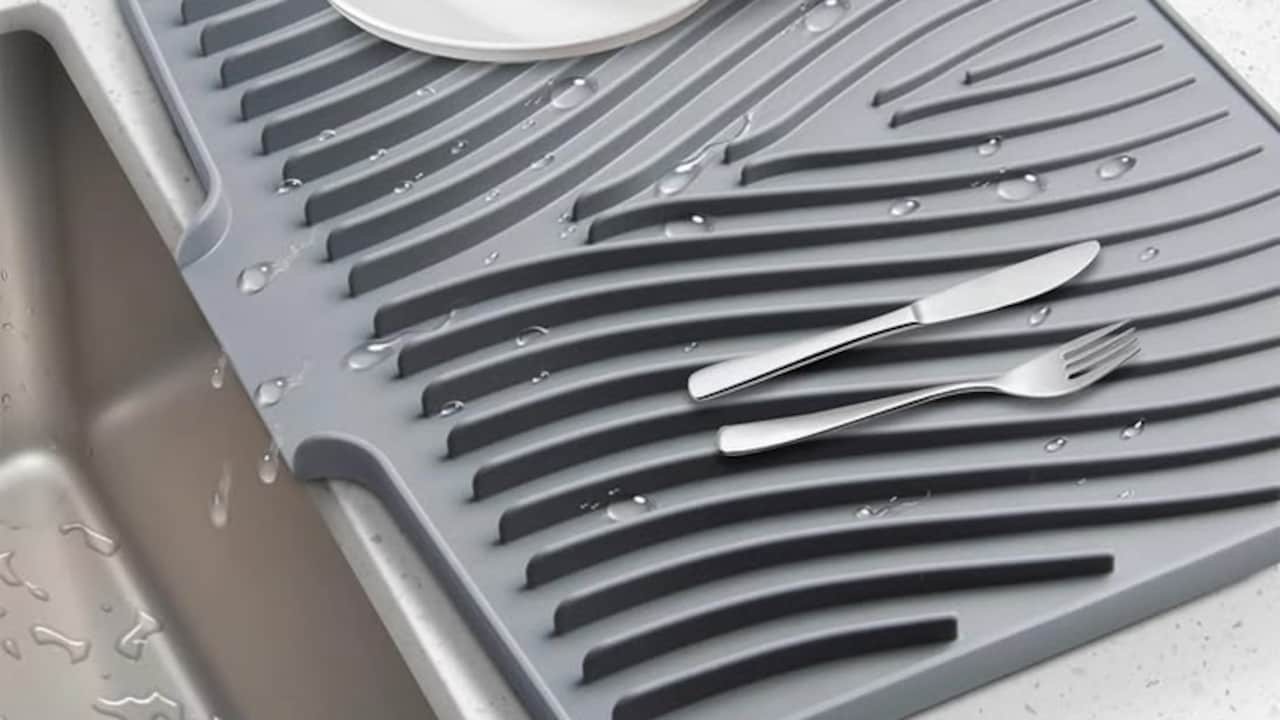
Silicone Sink Mats In Humid Weather: Common Mistakes And Cleaning Tips; Photo Credit: Pexels
The result usually arrives slowly. A faint smell appears first. Then dark patches form beneath the mat. Sometimes the sink develops slimy residue despite daily cleaning. Many households blame hard water or poor ventilation without realising the humble sink mat plays a major role. That does not mean silicone sink mats deserve retirement. Far from it. They can still work brilliantly when used correctly. The trick lies in understanding how humidity changes their behaviour and learning a few practical habits that make all the difference.
Why Trapped Moisture Turns Into A Silent Kitchen Problem
Silicone itself resists water well, but the problem begins underneath the mat. Most mats sit flat against the sink surface, creating tiny pockets where water stays trapped for hours. In humid weather, that moisture struggles to evaporate. Add leftover soap, food particles, and kitchen heat into the mix, and the sink suddenly becomes a cosy little resort for bacteria.
Many people clean the visible top of the mat every day while forgetting the underside completely. Unfortunately, the hidden side often becomes the real troublemaker. A kitchen may smell fresh after mopping and wiping counters, yet a stale odour still lingers near the sink. That mysterious smell often comes from water trapped beneath the mat for days.
This issue becomes worse during the monsoon season. Windows stay shut more often, sunlight disappears, and dampness settles into every corner. Even expensive silicone mats cannot escape this reality. Some households replace perfectly good mats every few months, thinking the product quality has failed, when the real issue lies in maintenance habits.
Regular lifting and drying make a huge difference. Even something as simple as standing the mat upright after dinner can help air circulate properly. It sounds small, yet tiny routines often save kitchens from bigger cleaning headaches later.
Also Read: Top 5 Anti-Slip Bath Mats For Monsoon Under ₹850
Cheap Silicone Mats Often Create Bigger Trouble
Not all silicone mats deserve equal trust. Budget options flooding online marketplaces sometimes contain low-grade materials that absorb odours surprisingly quickly. At first, they look identical to premium versions. The colours appear attractive, the texture feels soft, and the price seems irresistible. A ₹250 deal can feel like a bargain compared to a ₹1,000 branded mat. Then reality arrives.
Lower-quality mats often lose shape under hot water. Some develop greasy surfaces that never feel fully clean. Others trap grime in tiny textured patterns that become impossible to scrub properly. In humid kitchens, these flaws appear much faster because moisture accelerates wear and tear.
A common mistake involves buying mats with overly decorative designs. Fancy grooves and deep patterns may look stylish online, but they often trap bits of dal, rice, masala residue, and tea leaves. Cleaning turns into an exhausting scrubbing session nobody enjoys after dinner.
Simple designs usually work better. Mats with raised drainage patterns allow water to flow more freely. Thicker silicone also tends to last longer without curling at the edges. Spending slightly more upfront often saves repeated replacement costs later.
That said, even premium mats need care. No sink accessory becomes magically self-cleaning just because the packaging claims “anti-bacterial” in bold letters.
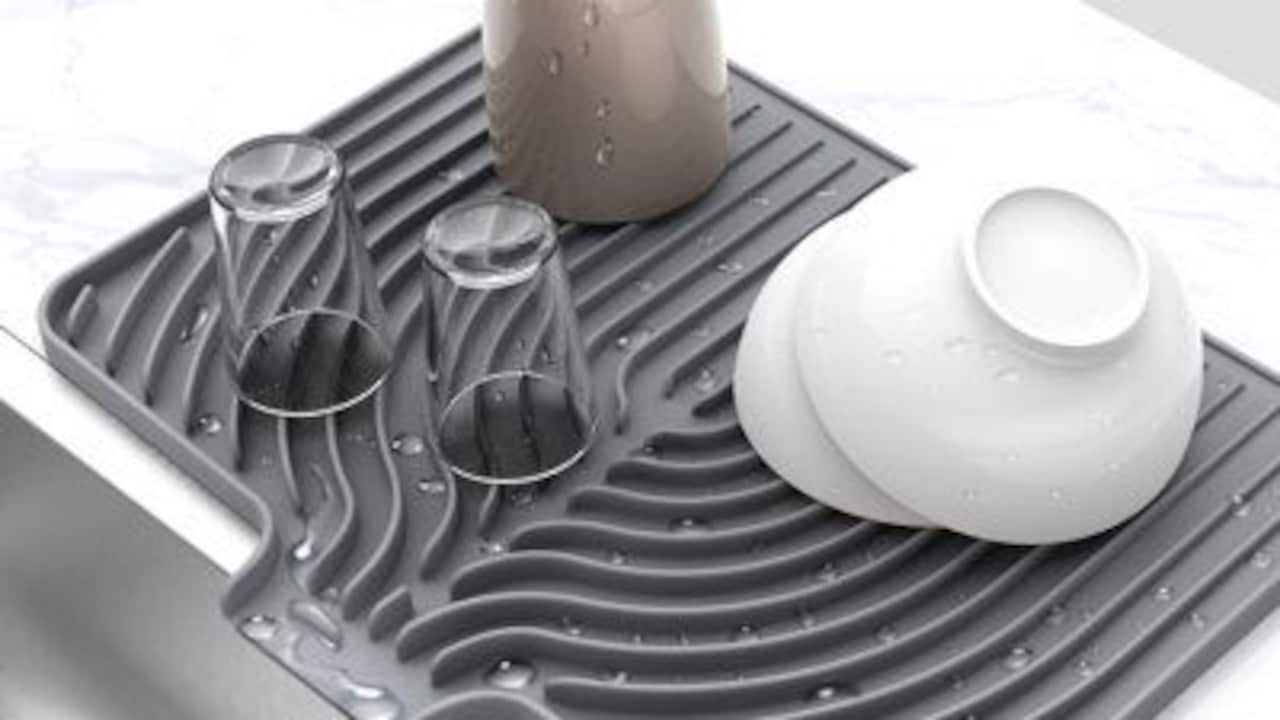
Silicone Sink Mats In Humid Weather: Common Mistakes And Cleaning Tips; Photo Credit: Pexels
Humidity Makes Kitchen Odours Much Worse
Every kitchen develops smells occasionally. Frying onions, grinding garlic chutney, or cooking fish naturally leaves strong aromas behind. Humidity traps those smells indoors for longer periods, and silicone mats quietly absorb part of that environment over time.
Many households notice this during rainy weeks. The sink area starts smelling slightly sour despite washing utensils regularly. Some people pour extra phenyl or dishwashing liquid into the sink, hoping to solve it. Unfortunately, fragrance only masks the issue temporarily.
Silicone holds onto oily residues surprisingly well when cleaning routines become rushed. In humid weather, those residues stay damp and begin producing unpleasant odours. The underside of the mat usually suffers most because airflow remains limited there.
A quick daily rinse rarely solves the problem fully. Proper cleaning matters. Warm water with mild soap works well, but occasional soaking in vinegar and baking soda helps remove stubborn smells more effectively. Leaving the mat in direct sunlight for a few hours also freshens it naturally. Sunshine still beats many expensive cleaning sprays sold in supermarkets.
Some kitchens especially struggle because the sink doubles as a prep station. Washing vegetables, thawing frozen food, and rinsing pressure cooker parts all add moisture constantly. In such setups, rotating between two mats can help. One dries completely while the other stays in use.
Incorrect Placement Reduces Airflow Completely
Many people place sink mats incorrectly without realising it. Large mats covering the entire sink base often block proper drainage and airflow. Water gets trapped along the corners and remains there quietly for hours.
This becomes especially problematic in compact apartments where kitchen ventilation already struggles. A sink mat pressed tightly into every corner creates the perfect damp chamber underneath. Even stainless steel sinks can develop dull patches over time when moisture stays trapped repeatedly.
Placement matters more than people assume.
Slightly smaller mats usually perform better because they allow water movement around the edges. Raised feet or perforated designs improve airflow significantly, too. Kitchens with double sinks often benefit from using smaller mats in only one section instead of covering both sides fully.
Another overlooked issue involves stacking utensils directly over the mat for long periods. Heavy pots and pans prevent moisture from evaporating beneath them. Leaving washed utensils overnight on the mat practically guarantees trapped dampness by morning.
Simple adjustments create noticeable improvements. Allowing breathing space around the mat and avoiding overcrowding helps the sink stay fresher for longer. Kitchens rarely need perfection; they simply need smarter habits.
Hard Water And Silicone Mats Make A Frustrating Pair
Hard water causes enough trouble already. White stains on taps, cloudy utensils, and stubborn mineral deposits frustrate nearly every household at some point. Silicone sink mats, unfortunately, collect these mineral marks quite easily.
Over time, hard water leaves chalky patches across the mat surface. Humidity worsens this because the water evaporates slowly, allowing mineral residue to settle more heavily. Dark-coloured mats often show these marks dramatically, making the sink area look dirtier than it actually is.
Some people respond by scrubbing aggressively with steel wool or harsh cleaners. That usually damages the silicone surface and creates tiny scratches where grime builds even faster later.
Gentler cleaning works better. Lemon juice and vinegar help dissolve mineral deposits naturally without harming the mat. Weekly cleaning prevents buildup from becoming stubborn in the first place. Soft brushes also clean textured surfaces more effectively than rough scrubbers.
Water quality affects kitchen accessories more than advertisements admit. A beautiful sink setup photographed for social media rarely shows the reality after months of humid weather and hard water exposure. Real kitchens demand practical choices rather than showroom perfection.
Choosing lighter-coloured mats can also reduce the visibility of water stains. It sounds like a small detail, yet it makes daily maintenance feel less frustrating overall.
The Wrong Cleaning Routine Can Damage Silicone
Many households unknowingly shorten the life of silicone mats through harsh cleaning habits. Bleach-heavy cleaners, rough scrubbers, and boiling-hot water may seem effective, but they slowly weaken the silicone structure.
Once the surface starts degrading, the mat becomes sticky or develops a cloudy appearance. Some mats even begin releasing strange odours after repeated chemical exposure. Humid kitchens speed up this process because dampness already stresses the material constantly.
A balanced cleaning routine works far better.
Warm, soapy water handles daily cleaning well enough. For deeper cleaning, baking soda paste removes greasy residue without damaging the surface. Vinegar helps tackle odours naturally. Drying the mat fully before placing it back into the sink remains equally important.
Dishwashers can help occasionally, but excessive machine washing sometimes causes curling or warping. Always checking manufacturer instructions saves unnecessary damage later.
Cleaning products marketed as “extra strong” often create extra problems instead. Kitchens function best when maintenance stays simple and consistent rather than aggressive and occasional.
Even timing matters. Cleaning the mat immediately after cooking oily meals prevents stubborn residue from settling overnight. Delayed cleaning always demands more effort later.
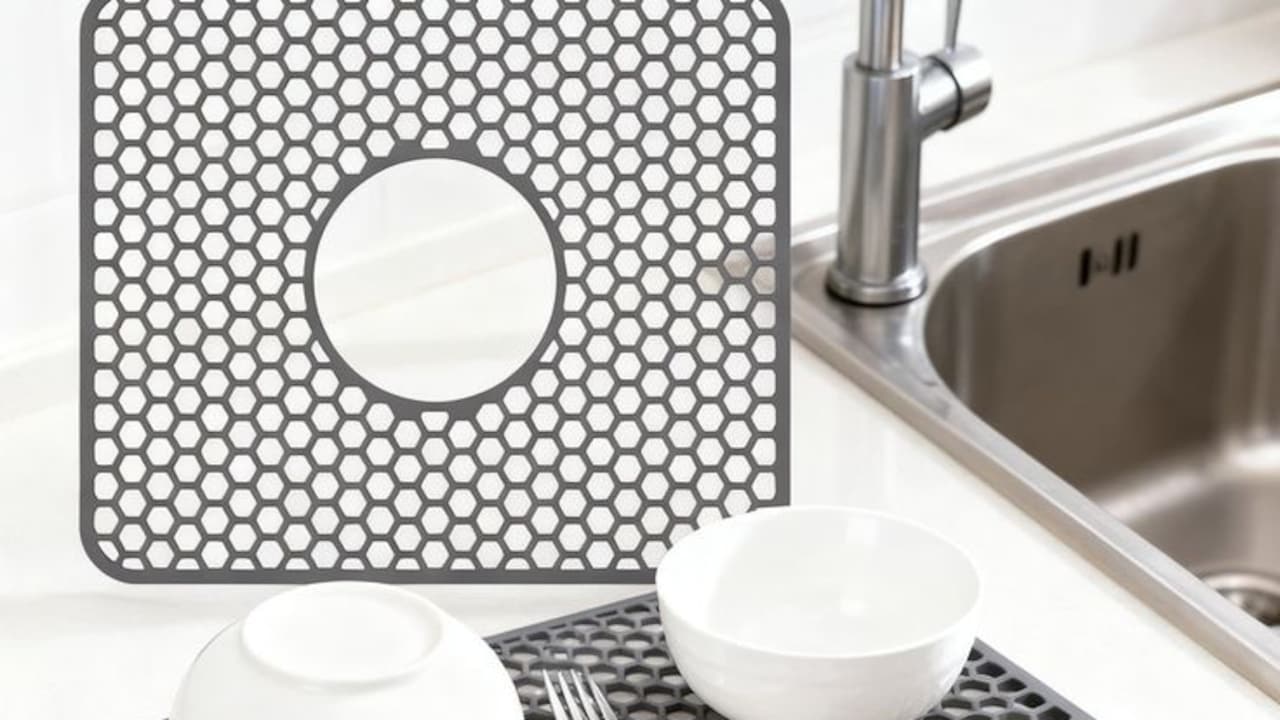
Silicone Sink Mats In Humid Weather: Common Mistakes And Cleaning Tips; Photo Credit: Pexels
Small Kitchens Face Bigger Sink Mat Challenges
Compact kitchens handle humidity differently. In smaller flats, steam from cooking spreads quickly across the room. The sink area rarely gets enough airflow, especially during rainy weather when windows stay closed.
Silicone mats struggle more in these spaces because moisture simply has nowhere to escape. A mat that performs perfectly in a spacious modular kitchen may become a smelly nuisance in a tighter setup.
Storage habits also contribute. Many households keep wet scrubbers, dishwashing liquid bottles, and damp cloths around the sink itself. Together, they create a permanently moist environment. The sink mat quietly absorbs part of that damp atmosphere every single day.
Rotating cleaning routines helps significantly in compact kitchens. Wiping the sink dry before bedtime, hanging cloths properly, and removing the mat overnight improve airflow more than most people expect.
Kitchen exhaust fans also deserve more credit. Running them for a few extra minutes after cooking reduces overall humidity levels noticeably. Sometimes the solution does not involve replacing accessories at all. It simply involves helping the kitchen breathe better.
A fresh-smelling sink area changes the entire feel of a kitchen. Even simple evening chai preparation feels more pleasant when hidden damp odours disappear.
Silicone Mats Can Affect Sink Hygiene More Than Expected
People often assume silicone automatically means hygienic. Marketing campaigns reinforce this idea constantly. Yet hygiene depends far more on maintenance habits than material alone.
A neglected sink mat quickly collects soap residue, vegetable scraps, grease, and moisture. In humid conditions, this buildup becomes surprisingly slimy within days. Washing utensils over that surface repeatedly defeats the purpose of maintaining a clean kitchen.
Cross-contamination also becomes possible when mats stay dirty for too long. Raw food residue trapped beneath the mat creates unnecessary hygiene risks, especially in busy family kitchens where cooking happens several times daily.
The good news remains simple. Regular inspection prevents most problems easily.
Lifting the mat every evening takes seconds. A quick rinse underneath removes hidden residue before it turns stubborn. Monthly deep cleaning keeps the surface fresh and reduces bacterial buildup significantly.
Some households avoid sink mats entirely due to hygiene fears. That approach works too, but many people still prefer the cushioning and scratch protection that mats provide. The key lies in treating them as items requiring care rather than permanent fixtures to forget about.
Kitchen hygiene rarely depends on expensive gadgets. Consistent small habits usually matter far more.
Seasonal Changes Affect Sink Mats Dramatically
Kitchen behaviour changes with the seasons, and sink mats react differently throughout the year. Summer heat may dry mats faster, but monsoon humidity creates prolonged dampness. Winter cooking often produces heavier steam indoors, especially during festive meal preparations.
Many households ignore these seasonal shifts completely. The same cleaning routine used during dry months suddenly becomes inadequate once humidity rises sharply. That explains why sink odours often appear “out of nowhere” during rainy periods.
Adjusting routines seasonally helps tremendously.
During humid weeks, increasing cleaning frequency prevents moisture buildup. Allowing mats to dry near sunlight whenever possible keeps them fresher too. Some people even temporarily reduce sink mat usage during peak monsoon periods to improve airflow.
Kitchen fabrics already demand extra care during damp weather. Sink mats deserve similar attention. Ignoring seasonal changes only creates unnecessary frustration later.
Festive cooking seasons especially challenge kitchen hygiene. Continuous frying, boiling, and washing generate intense moisture. A neglected sink mat during these busy weeks quickly turns unpleasant.
A little awareness saves a great deal of effort. Kitchens evolve with the weather, and maintenance habits should evolve too.
Choosing The Right Sink Mat Makes Everyday Life Easier
A good silicone sink mat should simplify kitchen life, not complicate it. Unfortunately, many purchases happen based purely on appearance. Bright colours and trendy patterns attract attention quickly online, but practical features matter far more in daily use.
Drainage design remains crucial. Mats with raised ridges allow better airflow underneath. Medium-sized mats generally outperform oversized versions. Food-safe silicone also reduces the chances of unpleasant chemical smells developing later.
Flexibility matters too. A mat should lift easily for cleaning without feeling flimsy. Thick yet lightweight designs usually balance durability and convenience well.
Reading reviews carefully helps avoid disappointment. Many users honestly describe odour issues, warping problems, or cleaning difficulties after long-term use. Those details matter more than glamorous product photos.
Price alone rarely guarantees quality, either. Some reasonably priced mats perform brilliantly because they prioritise function over flashy design. Kitchens demand reliability first.
Choosing wisely transforms the experience completely. A well-maintained sink mat can genuinely reduce noise, protect surfaces, and improve comfort during long cooking sessions. The goal simply involves using it intelligently rather than forgetting it exists beneath a pile of utensils.
Products Related To This Article
1. Large Silicone Dish Drying Mat for Kitchen Sink 23 × 17 Inches
2. AXIESO Large Silicone Dish Drying Mat for Kitchen
3. Kitchen Silicone Sink Mat, Dish Drying Kitchen Mat
4. Multi-Purpose Silicone Sink Drainer Mat – Flexible Kitchen Sink Organizer Tray for Soap
5. Primeway® PVC Protective mat | XXL 47" Length | Multi-Utility Non Slip
6. Supvox® 31x26cm Porous Silicone Sink Mat
7. Dish Drying Mat, 60 x 40 cm, Silicone Sink Mat
Silicone sink mats remain useful kitchen companions, especially in busy homes where sinks handle constant activity from morning chai cups to late-night pressure cooker cleaning. Yet humid kitchens expose their hidden weaknesses quickly. Trapped moisture, lingering odours, mineral buildup, and poor airflow quietly turn a helpful accessory into an annoying maintenance problem.
Thankfully, the solution does not require abandoning silicone mats altogether. Smarter cleaning habits, better placement, proper drying, and choosing quality materials make an enormous difference. Small adjustments often solve issues that expensive cleaners and repeated replacements never fix.
Kitchens rarely need perfection. They need thoughtful routines that fit real daily life. A sink mat should support that rhythm, not disrupt it with hidden dampness and stubborn smells.
Used well, silicone sink mats still deserve their place beside the steel utensils, spice boxes, and steaming cups of evening chai that make every kitchen feel alive.
(Disclaimer: This article may include references to or features of products and services made available through affiliate marketing campaigns. NDTV Convergence Limited (“NDTV”) strives to maintain editorial independence while participating in such campaigns. NDTV does not assume responsibility for the performance or claims of any featured products or services.)