10 Reasons Cutting Boards Keep Smelling After Washing And How To Remove Trapped Odours
Cutting board still smelling of onion, garlic or fish after a thorough wash? The problem may lie deeper than the surface. Here are 10 reasons kitchen boards trap odours and practical ways to get them smelling fresh again.
How to remove smell from cutting boards
A cutting board can look perfectly clean and still tell you exactly what was chopped on it yesterday. One whiff and there it is: garlic from dinner, onion from lunch or that unmistakable fishy smell that somehow refuses to leave. Washing the board again might help briefly, but the odour often returns as soon as the surface dries. The problem isn't always poor cleaning. Cutting boards spend their lives dealing with moisture, oils, food juices and strongly scented ingredients. Tiny scratches, porous fibres and damp storage conditions give all of those substances plenty of places to hide. Even plastic boards, which appear almost impermeable, develop knife grooves that can hold onto residues.
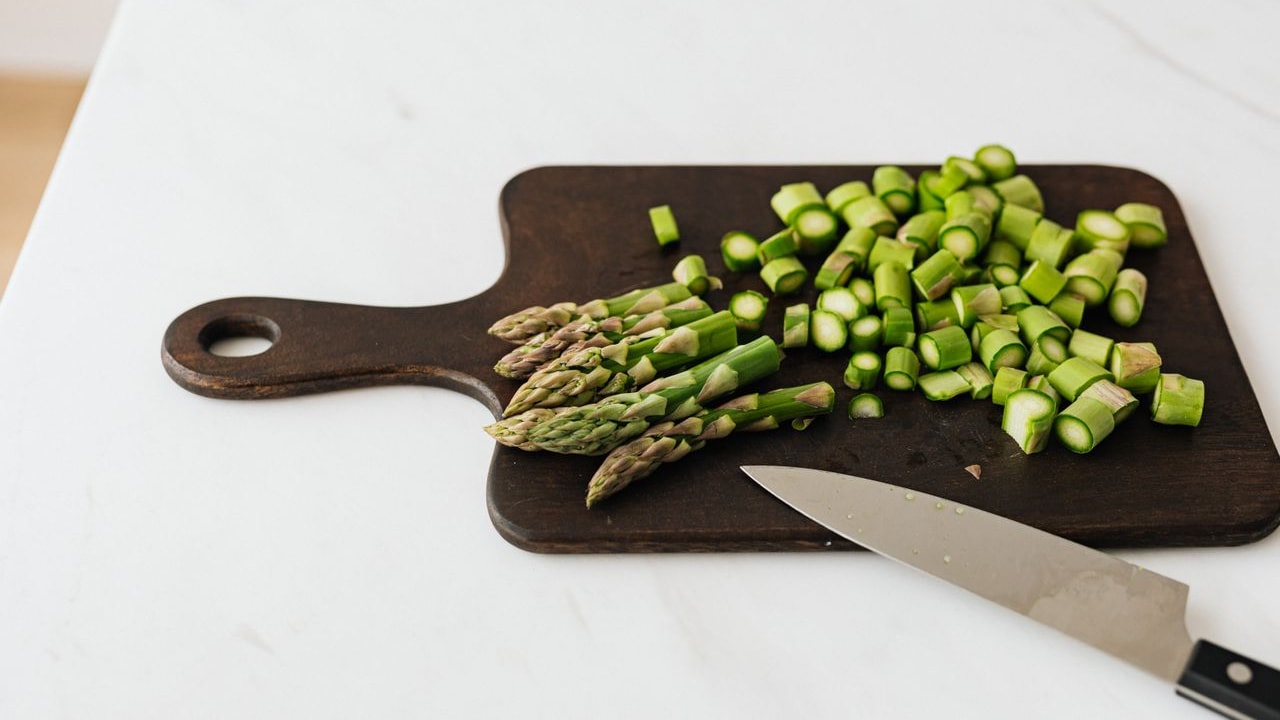
Cleaning tips to remove smell from cutting boards
Photo Credit: Pexels
The solution depends on what's causing the smell. More soap isn't necessarily better, and endlessly scrubbing a wooden board can sometimes make matters worse. From chopping pungent ingredients to putting a board away before it has dried properly, everyday kitchen habits can quietly turn a neutral chopping surface into a collection of yesterday's aromas.
Also Read: Types of Chopping Boards For Kitchen- Chopping Board Uses And Benefits
Here are ten common reasons cutting boards continue smelling after washing, along with practical ways to tackle trapped odours without unnecessarily replacing a perfectly usable board.
Why A Clean-Looking Cutting Board Can Still Hold Onto Yesterday's Dinner
1. Knife Grooves Are Holding Onto Food Residue
A brand-new cutting board starts with a smooth surface. Give it a few months of regular chopping, however, and hundreds of tiny knife marks begin appearing. They may barely show from a distance, but they create excellent hiding spots for microscopic food residue.
Think about chopping onion, ginger, garlic or raw meat. Juices get pushed directly into those cuts every time the knife comes down. A quick rinse cleans the surface but may not reach material sitting deeper inside the grooves. Once trapped residue starts breaking down, the resulting smell can survive several rounds of ordinary washing.
Use warm water and washing-up liquid, then scrub across the grooves rather than simply wiping in one direction. A dedicated kitchen brush often reaches textured areas better than a soft sponge.
Deeply scarred plastic boards deserve closer inspection. When grooves become difficult to clean or start developing permanent discolouration, replacing the board may make more sense than fighting persistent smells indefinitely.
Wooden boards require a gentler approach. Avoid aggressive soaking, but clean grooves promptly after use and allow the entire board to dry thoroughly before storage.
2. Onion And Garlic Compounds Linger Longer Than Expected
Few ingredients leave behind evidence quite as enthusiastically as onion and garlic. Their sulphur-containing compounds create those familiar sharp aromas, and some can cling stubbornly to cutting-board surfaces even after regular washing.
The problem becomes particularly noticeable when the same board gets used for fruit afterwards. Nobody wants freshly sliced watermelon carrying an unexpected hint of garlic.
Rather than repeatedly adding more washing-up liquid, tackle the source. After normal washing, rubbing the surface with a cut lemon can help reduce lingering food smells. Let the juice sit briefly before rinsing the board and drying it completely. For suitable board materials, a paste made with bicarbonate of soda and a little water can also help absorb stubborn odours.
Better still, consider keeping one cutting board specifically for strongly scented savoury ingredients. It doesn't need to become an elaborate kitchen organisation project. Simply separating the board used for onions, garlic, chillies and meat from one reserved for fruit and bread can prevent plenty of unwanted flavour crossovers.
That small habit often works better than repeatedly trying to deodorise the same heavily used board.
3. The Board Stays Damp For Too Long
Sometimes the smell isn't coming from yesterday's ingredients at all. It's coming from the board remaining damp.
Washing a cutting board and immediately placing it flat on the kitchen counter can trap water underneath. The top may feel dry while the underside remains moist for hours. Wooden boards absorb some of that moisture, while scratches and textured areas on plastic boards can retain tiny droplets.
Warm kitchens plus lingering moisture create an environment where unpleasant musty smells can develop surprisingly quickly.
After washing, wipe away excess water and stand the board upright so air can circulate around both sides. A plate rack works well, as does leaning the board securely against a wall with enough space behind it for airflow.
Avoid putting a board inside a cupboard while it still feels even slightly damp. That enclosed space slows evaporation and can intensify stale smells.
This habit matters even more during humid or rainy weather, when kitchen surfaces naturally take longer to dry. A board that normally dries within an hour may stay damp considerably longer.
Complete drying isn't merely about keeping the kitchen tidy. It plays a major role in keeping cutting boards fresher between uses.
4. Strong Food Oils Have Soaked Into A Porous Surface
Certain smells come from water-based food juices. Others hitch a ride on oils, which makes them more stubborn.
Spiced marinades, oily cooked meats, fish, masala pastes and certain pickles can leave aromatic oils on a board. Wooden and bamboo boards are particularly capable of holding onto these substances because their surfaces contain pores and fibres. Ordinary rinsing removes loose food but may leave oily residue behind.
Hotter water isn't always the answer. Excessive heat and prolonged soaking can damage wooden boards, encouraging warping or splitting.
Instead, wash the board promptly with warm water and a small amount of washing-up liquid designed to cut through grease. Scrub gently but thoroughly before rinsing and drying immediately.
If a smell remains, bicarbonate of soda can help with some food-related odours. Apply a light paste, allow brief contact and rinse it away rather than leaving the board soaking.
Prevention helps enormously. Don't leave oily leftovers sitting on a cutting board while dinner continues for another hour. Moving chopped or cooked ingredients to a plate quickly limits the amount of oil that gets a chance to settle into the surface.
5. Raw Fish And Meat Juices Reached Deep Scratches
Raw fish can turn an otherwise innocent cutting board into the most suspicious-smelling object in the kitchen. Chicken and other raw meats can create their own lingering odours too, particularly when juices enter old knife grooves.
Here, odour isn't the only consideration. Hygiene matters far more.
Wash boards used for raw meat or fish promptly rather than leaving them beside the sink until the rest of the dishes are finished. Use hot, soapy water appropriate for the board material and clean both sides, including edges and handles. Follow suitable food-safety guidance for sanitising food-contact surfaces after raw meat preparation.
Using separate boards can simplify matters considerably. One board for raw meat and fish and another for vegetables, bread and ready-to-eat foods reduces cross-contamination risk while also preventing stubborn savoury smells from transferring to fruit or salads.
Pay attention to the board's condition as well. A plastic board covered in deep cuts becomes increasingly difficult to clean effectively. Keeping it indefinitely because it technically hasn't broken isn't necessarily economical.
Sometimes the most useful deodorising technique is recognising when an ageing board has reached retirement.
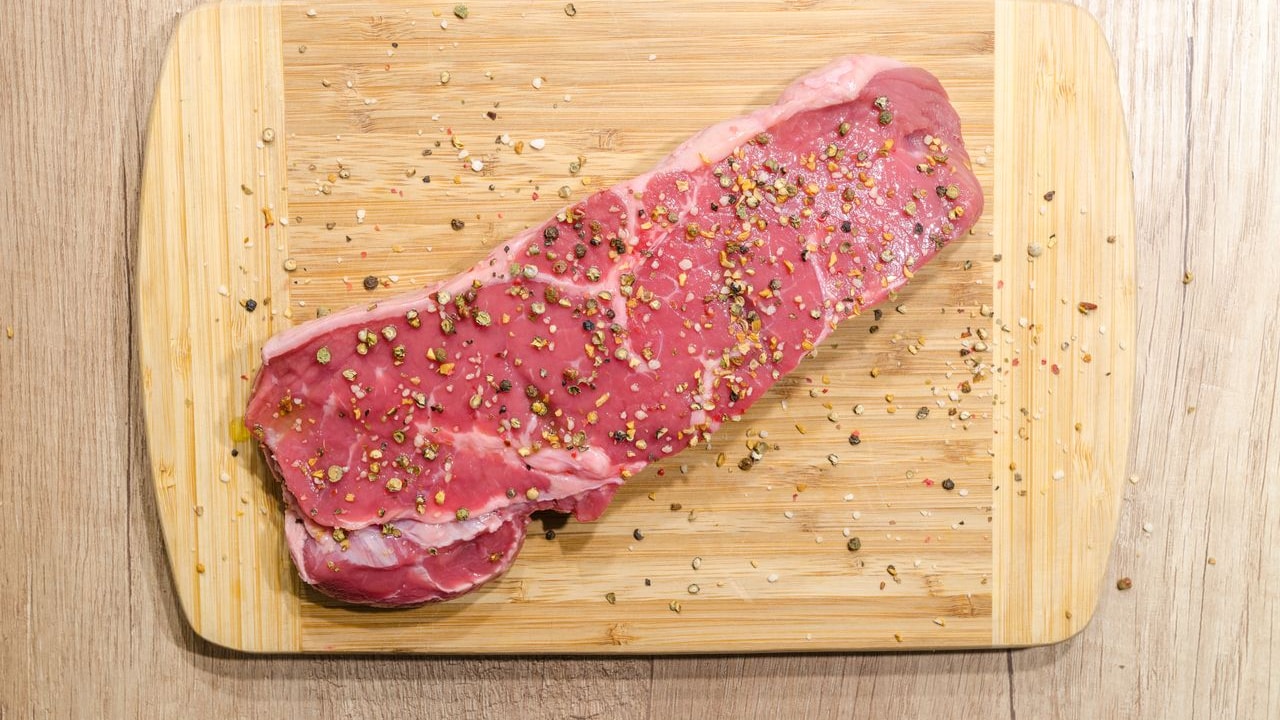
Juices from raw meat and fish can get absorbed into deep scratches and cuts
Photo Credit: Pexels
6. Washing-Up Liquid Hasn't Fully Removed Grease
More washing-up liquid doesn't automatically mean cleaner. In fact, using a large squirt of detergent followed by a rushed rinse can leave its own residue behind.
Greasy food residue often needs some physical scrubbing. Simply spreading foam across the board won't necessarily lift oils sitting inside textured areas. On the other hand, detergent that isn't rinsed away properly can combine with old food smells and create an odd perfumed-stale aroma of its own.
Start with a modest amount of washing-up liquid. Scrub the entire surface, paying particular attention to knife marks, corners and edges. Then rinse thoroughly until the board no longer feels slippery.
Smell the board only after it has dried. Water temporarily masks some aromas, which explains why a board can seem perfectly fresh beside the sink and start smelling again later.
If grease regularly causes trouble, clean the board immediately after chopping oily ingredients rather than waiting for the residue to dry.
Kitchen cleaning often works best when timing beats force. Five minutes of prompt cleaning can accomplish more than an energetic twenty-minute scrub several hours later, once oils and food particles have settled into every available groove.
7. The Underside Rarely Gets Cleaned
The chopping surface gets all the attention. The underside quietly collects its own mixture of water, crumbs and food residue.
During chopping, juices can run over the edge. During washing, dirty water can travel underneath. Then the board gets placed back on the counter, where moisture remains trapped between two flat surfaces. Over time, the bottom can start smelling even when the top stays relatively clean.
The next time an unexplained odour appears, flip the board over. The culprit may reveal itself quickly.
Wash both sides every time, even when only one side touched food. Don't forget edges, rubber grips or recessed handles either. Small design details often collect moisture and rarely receive the same scrubbing attention as the centre.
After washing, stand the board vertically rather than leaving one side pressed against a damp countertop.
This matters particularly with thick wooden boards. Uneven moisture exposure can do more than create odours; it may also encourage the board to warp.
A cutting board is one object, not merely one chopping surface. Treating every side as part of the cleaning routine makes a surprisingly large difference.
8. Food Was Left On The Board For Too Long
Cooking has a way of becoming chaotic. Onions get chopped, the phone rings, the pressure cooker demands attention, and the cutting board sits forgotten under a pile of vegetable scraps.
Unfortunately, time gives food juices a chance to penetrate surface scratches and fibres.
Strongly coloured or aromatic ingredients create the biggest problems. Beetroot, fish, garlic, onion, coriander pastes and heavily spiced marinades can all become harder to remove once residue starts drying.
There's no need to wash the board after every single ingredient during one cooking session. But scraping scraps into the food-waste bin and giving the surface a quick rinse when there's a long pause can help.
After cooking, clean the board before tackling less urgent kitchen jobs. Dried residue usually demands more scrubbing and can leave stronger smells.
This is especially useful for wooden boards, which shouldn't spend long periods covered in wet food.
A board doesn't need obsessive treatment. It simply benefits from prompt attention. The difference between washing something after ten minutes and finding it three hours later can be the difference between one ordinary clean and several rounds of deodorising.
9. The Board Is Being Stored In A Closed, Poorly Ventilated Space
A freshly washed board can develop a stale smell after cleaning simply because of where it lives.
Sliding a board into a narrow cabinet while traces of moisture remain creates an enclosed, poorly ventilated environment. Boards stacked tightly against trays, pans or other chopping boards get even less airflow.
Instead, let the board become completely dry before storage. Keeping boards upright with small gaps between them helps air circulate and prevents moisture from becoming trapped between surfaces.
Wooden boards deserve particular attention because they naturally absorb and release moisture depending on the surrounding environment. Repeatedly putting them away damp can lead to unpleasant smells and may eventually affect their shape or condition.
Plastic boards aren't exempt either. Water can remain inside textured undersides, handles or deep grooves.
Storage may seem unrelated to odour because the board already looked clean when it entered the cupboard. Yet washing removes residue while drying finishes the job.
If a board repeatedly smells musty rather than distinctly of food, inspect its usual storage area. The cupboard, rack or drawer may need cleaning and better ventilation too.
10. The Board Has Reached The End Of Its Useful Life
Sometimes every home remedy gets blamed before the simplest possibility gets considered: the board is worn out.
Cutting boards aren't necessarily lifetime kitchen tools. Years of chopping can create deep grooves, rough patches, cracks and stained areas that become increasingly difficult to clean. Wooden boards may split, while plastic boards can develop dense networks of knife scars.
When smells return immediately after proper washing and drying, examine the surface under bright light. Deep damage can hold onto food residue beyond the reach of routine cleaning.
Minor marks don't automatically mean a board needs replacing. Regular wear comes with the job. The concern starts when cuts become deep enough to trap visible debris, cracks remain damp, the board develops persistent mould-like spots or odours refuse to disappear despite thorough cleaning.
Replacing a heavily damaged everyday board doesn't require spending a fortune. Plenty of practical options fall within modest household budgets, and maintaining a couple of separate boards can extend their usable life.
Knowing when to stop scrubbing is part of good kitchen maintenance too. Some smells need cleaning. Others are the board's way of handing in its resignation.
Products Related To This Article
1. CUMIN CO. Chopping Board
2. Large Stainless Steel Chopping Board |Antiskid Silicon Corner
3. Wood Chop Single-Piece Solid Acacia Wood Cutting & Chopping Board
4. Herrlich Homes Premium 304 Stainless Steel Rectangle Chopping Board
5. Empune Double Sided Chopping Board | Stainless Steel & Wheat Straw
6. Large Steel Chopping Cutting Board for Kitchen with Knife Sharpner
7. Stainless Steel Chopping Board with Knife with Non-Slip Pads, Large
A smelly cutting board doesn't always mean it hasn't been washed properly. Deep knife grooves, moisture, oily foods, pungent ingredients and poor drying habits can all leave aromas behind long after the visible mess disappears.
Prompt washing, thorough rinsing and complete drying solve many everyday cases. Lemon or bicarbonate of soda can help with stubborn food smells when they're suitable for the board material, while separate boards for raw proteins and ready-to-eat foods make kitchen hygiene easier to manage.
Most importantly, pay attention to the board itself. Clean both sides, give it enough airflow and don't ignore deep cracks or heavily worn surfaces. A cutting board handles almost every meal prepared in the kitchen. A little thoughtful care keeps yesterday's garlic from becoming an unwanted ingredient in tomorrow morning's fruit.
(Disclaimer: This article may include references to or features of products and services made available through affiliate marketing campaigns. NDTV Convergence Limited (“NDTV”) strives to maintain editorial independence while participating in such campaigns. NDTV does not assume responsibility for the performance or claims of any featured products or services.)