10 Watering And Soil Habits That Make Terracotta Pots Develop White Residue Faster
Hard water, excess fertiliser and poor drainage can leave terracotta pots coated in white residue. These 10 common watering and soil habits speed up mineral build-up and make those chalky marks appear much sooner.
Why Terracotta Pots Turn White: 10 Watering And Soil Habits To Blame
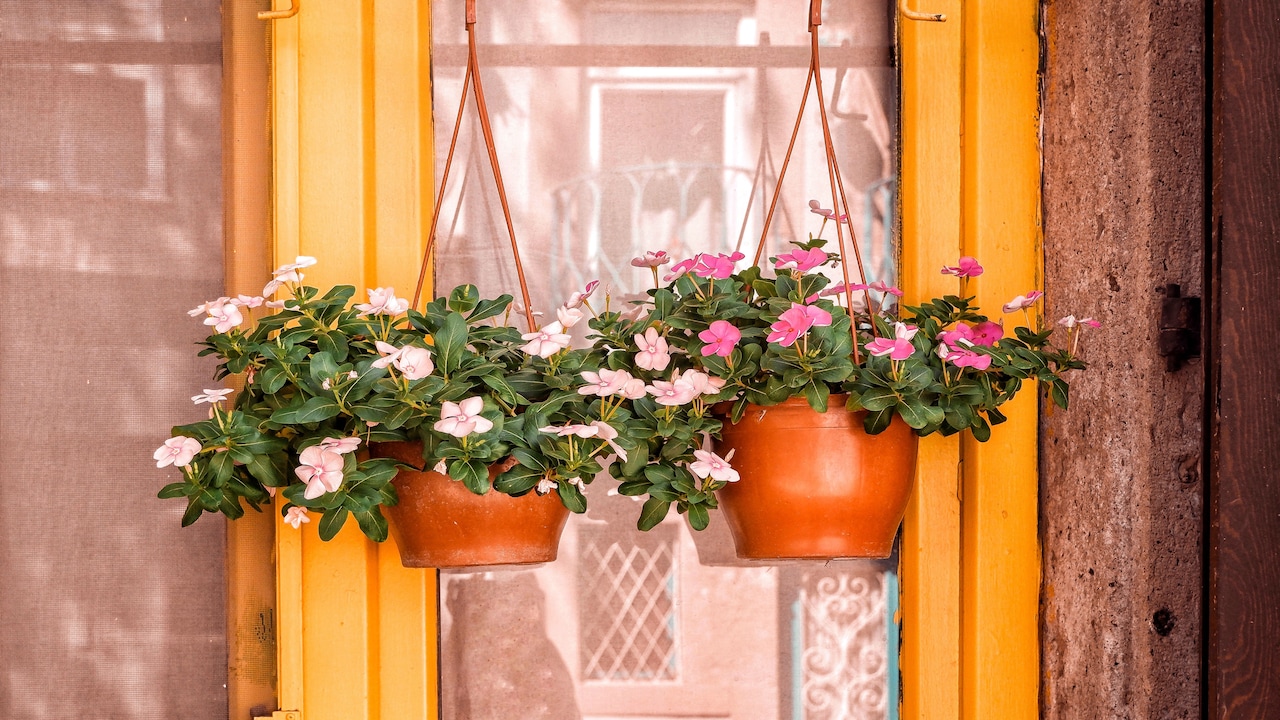
Terracotta pots have a certain old-world charm that plastic containers struggle to match. Their warm orange tones look equally at home beside a sunny kitchen window, on an apartment balcony or among a crowded collection of tulsi, jasmine, and money plants. Then comes the familiar surprise: pale patches begin appearing on the outside. At first, the marks may resemble dust. A few weeks later, a white crust can spread around the rim and sides. It may even make a fairly new ₹200 planter look as though it has spent years forgotten on a terrace. Terracotta is naturally porous. Water passes slowly through microscopic spaces in the clay and evaporates from the surface. Minerals dissolved in that water remain behind. Salts from fertilisers and potting mixes can make the coating even more noticeable. Some degree of residue is therefore perfectly normal. However, everyday gardening habits can make it appear much faster. Watering frequency, drainage, soil composition and even the way fertiliser is applied all influence how quickly those ghostly white stains settle in. Here are ten common habits that encourage terracotta pots to develop white residue sooner than expected.
Why Terracotta Pots Turn White: 10 Watering And Soil Habits To Blame; Photo Credit: Pexels
Why White Residue Builds Up Faster On Terracotta Pots
1. Watering Regularly With Hard Tap Water
Tap water can carry dissolved calcium, magnesium and other minerals. When that mineral content is high, terracotta pots often reveal the evidence before anything else in the garden does.
During watering, moisture soaks into the porous pot walls. Some of it reaches the outer surface and evaporates. The water disappears, but the minerals cannot evaporate with it. They stay behind as pale deposits. Repeat this routine several times a week and the once-clean pot can gradually develop a chalky complexion.
The effect becomes particularly obvious during hot weather, when evaporation speeds up. A balcony receiving strong afternoon sun may show white deposits surprisingly quickly.
Using hard water does not automatically make it unsuitable for plants, and there is little reason to panic over a few white marks. However, gardeners keen to preserve the natural colour of terracotta can occasionally use collected rainwater or filtered water where practical.
The important point is consistency. Every watering adds another tiny mineral contribution. Terracotta simply keeps the receipts on its surface.
Also Read: Vinod Induction Cookware Sets: Top 6 Durable, Non-Stick Pots And Pans That Resist Scratching
2. Watering Too Frequently
Terracotta already loses moisture faster than glazed ceramic or plastic containers. That often tempts gardeners to reach for the watering can more frequently than necessary.
Constant watering keeps the walls of the pot damp. As that moisture repeatedly travels through the clay and evaporates, dissolved minerals move with it. More wet-and-dry cycles mean more opportunities for mineral residue to collect outside.
The soil may also remain wetter than the plant actually needs. This is particularly common when people follow a fixed schedule such as watering every morning instead of checking the compost first.
During cooler months or humid monsoon weather, a plant that needed daily watering in May may suddenly require far less. Continuing the same routine can keep both soil and pot unnecessarily moist.
Touching the top few centimetres of soil usually gives a better clue. The pot can also be lifted to judge its weight once gardeners become familiar with it.
Water according to the plant and weather rather than the clock. The terracotta will usually stay cleaner, and the roots are likely to appreciate the change too.
3. Giving Small Amounts Of Water Again And Again
A quick splash may seem like a gentle way to water plants, especially when rushing through a busy morning. Unfortunately, repeated shallow watering can create ideal conditions for salt accumulation.
When only a small amount of water enters the pot, it may moisten the upper layer without flowing through the entire root zone. Minerals already present in the compost stay largely trapped instead of washing out through the drainage hole.
As the moisture evaporates, some dissolved salts migrate towards the porous sides and upper rim of the terracotta. Over time, these concentrated deposits become visible as pale streaks or crusty patches.
A better approach for many container plants is thorough watering when the soil actually needs it. Add water slowly until some begins draining from the bottom. Then allow the excess to escape rather than leaving the container standing in it.
Naturally, plant requirements differ, so a succulent should not receive the same treatment as a thirsty flowering annual.
Think of watering as a proper drink rather than endless tiny sips. The soil gets evenly moistened, while unwanted salts have a chance to leave.
Why Terracotta Pots Turn White: 10 Watering And Soil Habits To Blame; Photo Credit: Pexels
4. Leaving Pots Standing In Drainage Water
A saucer beneath a terracotta pot can save balconies, shelves and floors from muddy puddles. Problems begin when that saucer becomes a permanent miniature pond.
Water draining from potting soil carries dissolved minerals and fertiliser salts. When the base of a terracotta pot sits in this water, the porous clay can absorb some of it again. Moisture then travels through the pot and eventually evaporates, leaving those salts behind on the surface.
The lower section may consequently develop a pale ring, sometimes accompanied by darker damp patches. In humid conditions, algae can join the party and turn a simple mineral stain into something far less decorative.
Emptying excess water from saucers after the pot has finished draining reduces this cycle. Pot feet or small risers can also improve airflow underneath larger terrace containers.
There is another bonus: roots are less likely to remain waterlogged.
A saucer should catch drainage, not become long-term storage for it. Giving excess water somewhere to go helps both the plant and the appearance of the terracotta surrounding it.
5. Using Fertiliser More Often Than The Plant Needs
A little plant food can encourage lush leaves and generous flowering. A lot does not necessarily produce an even happier plant.
Most fertilisers contain soluble mineral salts. Plants absorb some of these nutrients, but excess salts can remain in the potting mix. Water dissolves them again during future watering sessions and carries them towards the porous terracotta walls.
Once the water evaporates, pale residue appears. Heavy fertilising can therefore make white deposits develop faster and look thicker than those caused by tap-water minerals alone.
Container plants are particularly vulnerable because excess salts have nowhere to disperse except through drainage or the sides of porous pots.
Following the recommended dilution matters. Feeding every time a plant looks slightly tired can quickly become counterproductive, especially during periods when growth naturally slows.
More fertiliser can also damage sensitive roots, causing brown leaf tips or wilting that gardeners may mistakenly interpret as hunger.
Plant food works best as nutrition, not encouragement shouted through a megaphone. Moderate feeding keeps the soil healthier and gives terracotta fewer salts to display.
6. Allowing Fertiliser Salts To Build Up In The Soil
Even careful feeding can eventually leave mineral salts behind. The risk increases when plants remain in the same container for months without the soil ever receiving a thorough flush.
Every fertiliser application adds soluble nutrients. The plant takes what it can use, while some remain within the potting mix. If watering is always light or drainage is poor, these leftovers gradually become concentrated.
Terracotta acts almost like blotting paper. Moisture carrying dissolved salts moves towards the outer surface, where evaporation leaves a whitish deposit. The crust may appear strongest around the rim because that area dries especially quickly.
Occasionally flushing suitable plants can reduce this accumulation. Water the compost thoroughly and allow plenty of liquid to run freely from the drainage hole. Avoid doing this indiscriminately with plants that dislike excessive moisture, particularly drought-loving species.
Repotting may also help when old compost has become compacted or excessively salty.
White residue is sometimes treated purely as a cosmetic issue, yet a heavily crusted pot can hint at what is happening inside. The terracotta may be quietly signalling that the soil has collected more salts than expected.
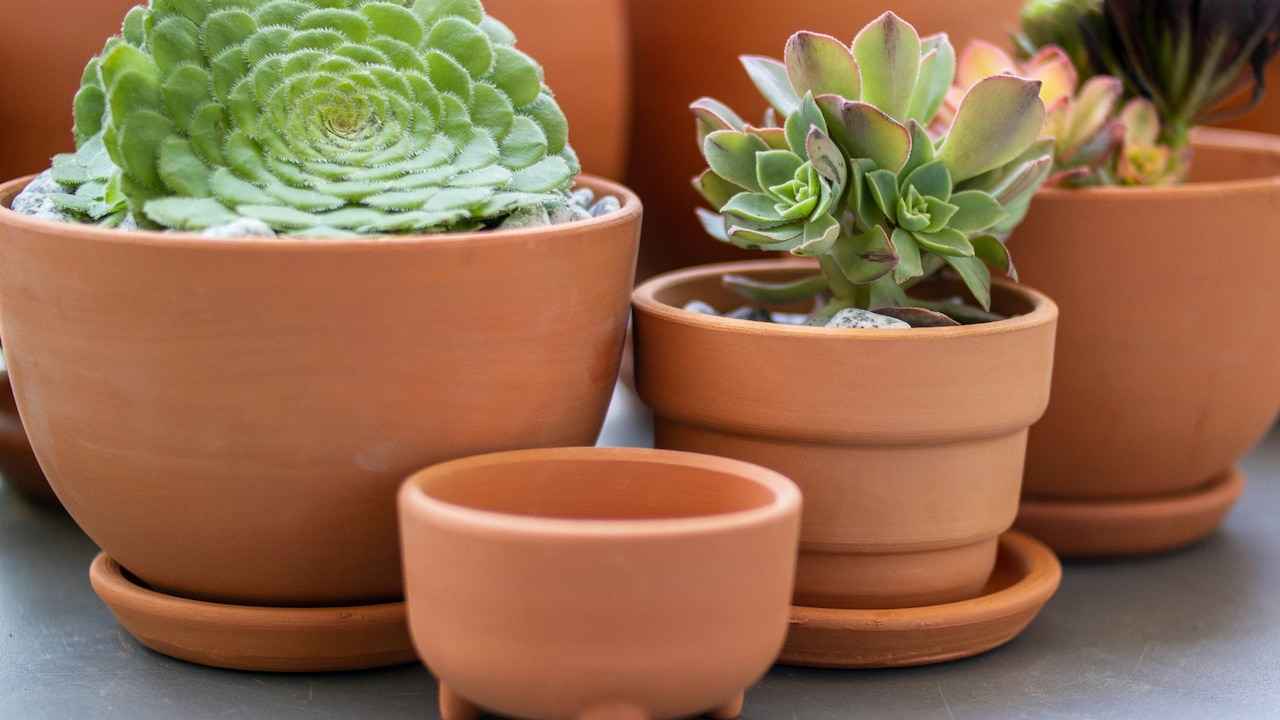
Why Terracotta Pots Turn White: 10 Watering And Soil Habits To Blame; Photo Credit: Pexels
7. Using Soil Mixes Rich In Mineral-Based Ingredients
Potting mix rarely consists of plain garden soil. It often contains several ingredients chosen to improve drainage, aeration or moisture retention. Some of those materials naturally contribute soluble minerals.
Certain composts, amendments and mineral-rich components can release salts into the water moving through the container. The exact effect depends on the product, water quality and fertilising routine. When a terracotta pot is involved, those dissolved substances have an easy route to the outer wall.
This does not mean mineral-based potting ingredients are automatically harmful. Many are extremely useful. Problems arise when a mix already contains a noticeable mineral load and is then paired with hard water and regular fertilising.
That combination can produce white deposits at impressive speed.
Choosing a potting mixture suited to the plant matters more than selecting one solely to keep the container spotless. However, gardeners puzzled by unusually rapid residue should check the composition of their growing medium.
Sometimes the pot is blamed simply because it shows the evidence. Terracotta is merely the messenger. The real story may begin in the mixture packed inside it.
8. Packing Heavy Soil Too Tightly
Scooping dense garden soil straight into a terracotta pot seems simple and inexpensive, but container plants usually need a more open growing medium.
Heavy soil can compact after repeated watering. Water then moves unevenly through the container, collecting in certain areas while bypassing others. Poor drainage also means dissolved minerals and fertiliser salts are not washed away effectively.
As moisture slowly works through the pot walls instead, salts can accumulate on the outer terracotta surface.
Compacted soil brings another concern. Roots need oxygen, and dense, saturated soil leaves fewer air spaces. A pot may look damp for days while the plant above appears mysteriously unhappy.
A well-structured potting mix designed for containers usually handles water more predictably. Depending on the plant, materials that improve drainage and aeration can prevent the mixture from becoming a solid lump after a few months.
Terracotta may be forgiving, but it cannot fix unsuitable soil by itself.
If water takes ages to disappear after watering, pools on top or escapes mainly around the edges, the growing medium deserves attention before the white residue gets all the blame.
9. Letting The Pot Dry Extremely Fast Every Day
Sunlight gives terracotta much of its charm, but intense heat also accelerates evaporation dramatically.
Imagine a dark green basil plant sitting in an unglazed pot on a west-facing balcony in peak summer. By mid-afternoon, the clay can feel warm and the soil may already be noticeably drier than it was after breakfast.
As moisture rapidly evaporates through the sides, dissolved minerals remain on the surface. The faster this cycle repeats, the sooner pale stains become noticeable.
This does not mean terracotta pots should be hidden from sunshine. Many sun-loving plants need those bright conditions. The trick is matching the pot size, soil and watering routine to the location.
Very small terracotta pots dry especially quickly because they hold little moisture and expose plenty of clay relative to their volume. Moving sensitive containers away from scorching walls or providing afternoon protection can sometimes slow water loss.
Rapid drying is often celebrated as one of terracotta's advantages, particularly for plants prone to soggy roots. Yet that same useful quality also explains why mineral residue can develop with surprising enthusiasm.
10. Never Refreshing Old Potting Soil
Potting soil changes with age. Organic material breaks down, particles become finer, drainage may worsen and salts can accumulate from months of watering and feeding.
A plant that has occupied the same terracotta pot for several growing seasons may therefore sit in a very different environment from the fresh mixture it started with.
Every watering can dissolve some of the stored minerals. The porous clay provides an escape route for that moisture, while evaporation leaves minerals on the pot's surface. Older containers may consequently develop residue soon after being cleaned because the source inside remains unchanged.
Refreshing exhausted compost when the plant needs repotting can help restore structure and drainage. It also offers an opportunity to inspect the roots, remove compacted material and check whether the drainage hole has become blocked.
There is no need to replace perfectly functional soil simply because a faint white patch appears. Terracotta naturally develops character with age.
However, when residue returns quickly alongside slow drainage, tired growth or heavily compacted compost, the potting mixture deserves a closer look. Sometimes the container is wearing the history of everything that has passed through its soil.
Products Related To This Article
1. HABERE INDIA White Floral Terracotta Planter With Under Plate
2. Wonderland Blue & White Printed Round Hanging Planters
3. HABERE INDIA 2-Pcs Pink Terracotta Planters
4. ExclusiveLane White & Black Hand-Painted Terracotta Table Planter Pot
5. ExclusiveLane Green Terracotta Table Planter Flower Pot
6. Wonderland Pink & White Printed Heritage Terracotta Planter
7. HABERE INDIA Beige Terracotta Clay Lightweight Small Plant Pot
White residue on terracotta pots may look alarming, but it is usually a predictable result of water, minerals and evaporation working together. The porous nature of the clay makes the process visible in a way that plastic or glazed containers simply hide. Hard water, frequent watering, excessive fertiliser, compacted soil and poor drainage can all speed things up. Hot weather adds another push by encouraging moisture to evaporate faster.
Fortunately, a spotless pot is not essential for a healthy plant. Many gardeners even enjoy the weathered appearance of aged terracotta, with its pale mineral patterns giving each container a little character of its own.
For those who prefer the warm orange clay to remain visible, small changes can make a noticeable difference. Water according to the plant's needs, allow proper drainage, avoid unnecessary fertiliser and pay attention to the condition of the potting mix. Terracotta tells a story as it ages. A little white dust may simply be one chapter. When the crust starts appearing unusually fast, however, it is worth looking beyond the surface. The watering can and the soil inside may be writing most of that story.
(Disclaimer: This article may include references to or features of products and services made available through affiliate marketing campaigns. NDTV Convergence Limited (“NDTV”) strives to maintain editorial independence while participating in such campaigns. NDTV does not assume responsibility for the performance or claims of any featured products or services.)