Memory Foam vs. Spring Mattress: Which One Offers Better Support for a Bad Back?
Choosing between memory foam and spring mattresses for back pain? This guide compares support, comfort, firmness and airflow to help you pick the right mattress for better spinal alignment and restful sleep.
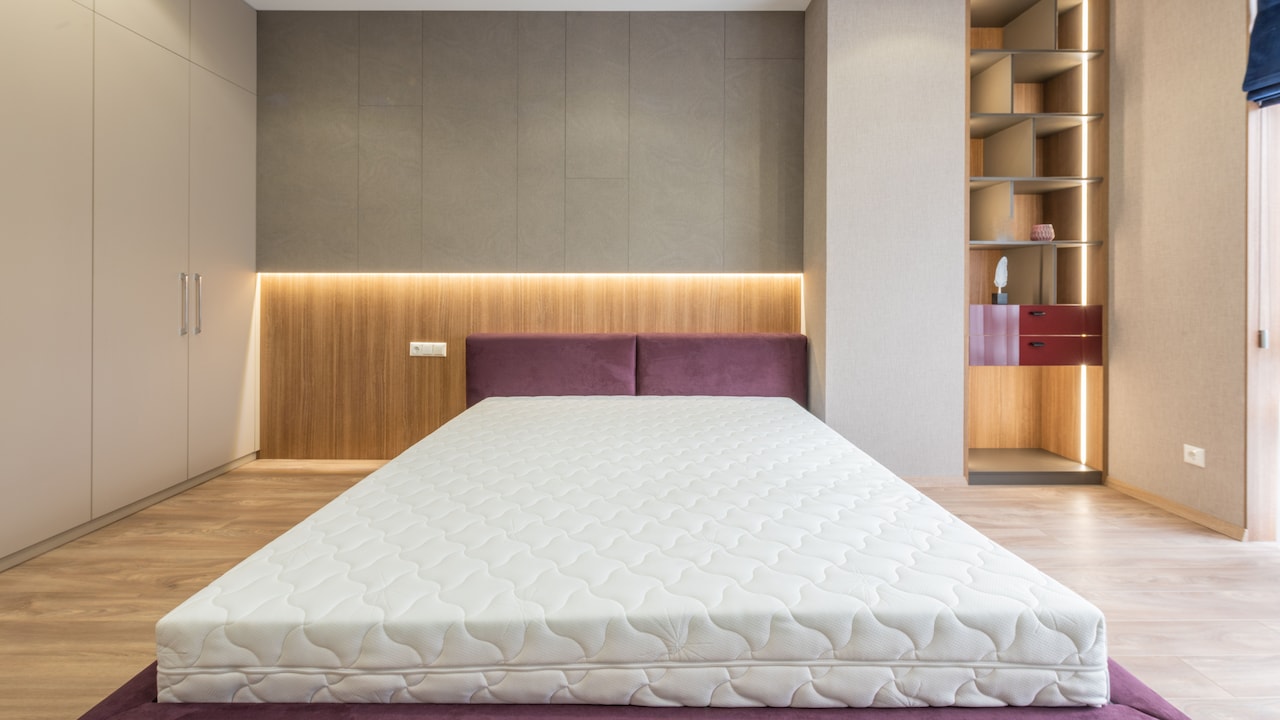
Best Mattress For Back Pain: Memory Foam Or Spring Mattress?
Back pain has become almost as common as morning chai. Long commutes, desk jobs, two-wheeler rides on uneven roads, household work, gym enthusiasm without stretching, and the occasional “just five more minutes” on a plastic chair all play their part. Then night arrives, and the mattress either helps the body recover or quietly adds to the trouble. Most people blame the pillow, posture or age when the back starts protesting. The mattress often escapes suspicion, even though it carries the body for six to eight hours every night. A poor mattress can push the spine out of line, sink under the hips, create pressure near the shoulders, or leave the lower back in pain without support.
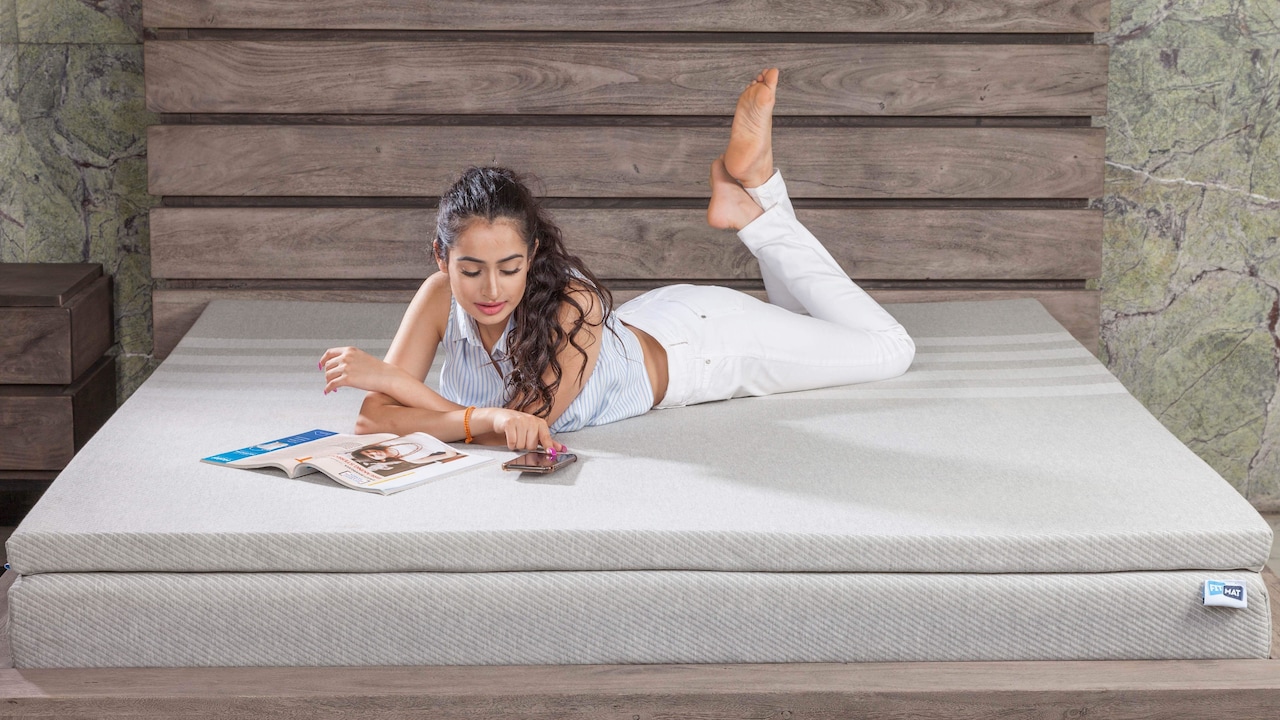
Best Mattress For Back Pain: Memory Foam Or Spring Mattress?; Photo Credit: Pexels
Memory foam and spring mattresses sit at the centre of this debate. Memory foam hugs the body and spreads pressure. Spring mattresses offer bounce and airflow. Both can suit a bad back, but only when chosen wisely. The real question is not which mattress sounds fancier. The real question is which one keeps the spine supported, the muscles relaxed, and the mornings less painful.
Key Factors To Consider Before Choosing A Mattress
How Mattress Support Affects A Bad Back
A good mattress does not need to feel like a wooden plank. It also should not behave like a soft gulab jamun. Support means the mattress holds the spine in a natural position while allowing the shoulders and hips to settle comfortably. When the spine stays aligned, the back muscles get a chance to rest instead of working overnight.
For people with lower back pain, the hips matter a lot. If the mattress sags under the pelvis, the lower spine bends unnaturally. This can create stiffness by morning. If the surface feels too hard, pressure builds around the tailbone, shoulders and ribs. The body then keeps shifting through the night, and sleep loses its depth.
The best mattress for a bad back usually balances comfort and firmness. It gives enough cushioning to reduce pressure, but enough pushback to prevent sinking. This balance matters more than the mattress label. A poor-quality memory foam mattress can hurt the back. A well-designed spring mattress can support it beautifully. The reverse can also happen. So the focus should stay on spinal alignment, not marketing words.
Also Read: Best Mattresses For Back Pain Relief: Features That Help and Features That Are Just Marketing
What Memory Foam Does For Back Support
Memory foam responds to body heat and pressure. When someone lies down, the foam slowly moulds around the body shape. This creates a snug, contouring feel, almost like the mattress remembers where the shoulders, waist and hips need space. For back pain, this can feel soothing because the material spreads weight evenly.
People who sleep on their side often enjoy memory foam because it cushions the shoulders and hips. This reduces sharp pressure points, especially after a long day of standing, travelling or working at a desk. Memory foam can also help those who share a bed because it absorbs movement well. One person turning at 2 a.m. will not shake the whole mattress like a train berth.
However, memory foam needs the right firmness. Too soft, and the body may sink too deep. Too firm, and it loses its pressure-relieving charm. Heat can also become an issue in warmer cities, especially without air conditioning. Many newer foam mattresses use cooling layers, but the basic nature of memory foam still feels warmer than a spring mattress.
What Spring Mattresses Do For Back Support
Spring mattresses use metal coils to create support and bounce. Traditional models often have interconnected springs, while better modern versions use pocket springs. Pocket springs move separately, so they adapt better to different body areas. This makes them more supportive than old-style spring mattresses that sometimes feel like a trampoline at a cousin's wedding.
For back pain, a spring mattress can work well when the coil system feels stable and the comfort layer on top offers enough cushioning. The springs push back against body weight, which helps prevent excessive sinking. This can suit people who sleep on their back or stomach, and those who prefer a firmer, more responsive surface.
Spring mattresses also allow better airflow. In humid weather, this can make a noticeable difference. The mattress feels less heat-trapping and more breathable. The downside appears when the springs lack quality or the top layer feels thin. In such cases, pressure points develop quickly. Over time, cheaper spring mattresses may sag, creak or lose support. For a bad back, that is not a small inconvenience. It can become a daily complaint.
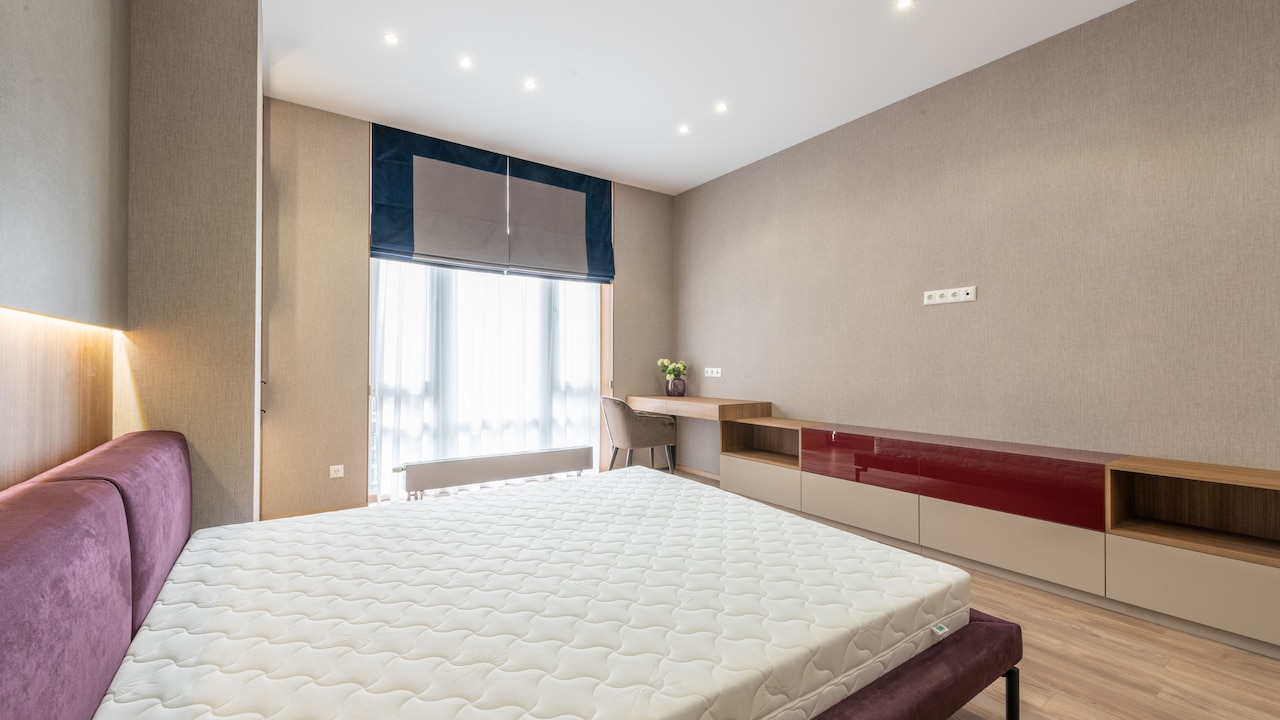
Best Mattress For Back Pain: Memory Foam Or Spring Mattress?; Photo Credit: Pexels
Firmness Matters More Than The Mattress Type
Many shoppers ask whether memory foam or spring works better for back pain. A more useful question asks how firm the mattress feels. Firmness plays a huge role in support. Most people with back pain do better on a medium-firm mattress because it supports the spine without feeling harsh.
A mattress that feels too soft allows the heavier parts of the body to dip. The hips usually sink first, followed by the lower back. This creates a curved sleeping posture that may worsen pain. On the other hand, an extremely firm mattress can press against joints and make the body tense. That tension can turn into morning soreness.
Body weight changes the firmness experience. A mattress that feels medium-firm to a 70 kg person may feel soft to someone heavier. A lighter person may find the same mattress too hard. This is why a quick showroom test does not always tell the full story. Lying down for five minutes after lunch is not the same as sleeping for seven hours. Still, testing helps. The spine should feel level, not arched or dipped.
Sleeping Position Can Change The Best Choice
Sleeping position can quietly decide the winner in the memory foam versus spring mattress debate. Side sleepers need pressure relief around the shoulders and hips. Memory foam often performs well here because it cushions these areas and fills the gap near the waist. A medium-firm foam mattress can reduce the “dead arm” feeling that many side sleepers know too well.
Back sleepers need even support from shoulders to hips. Both memory foam and spring mattresses can work, but the surface should hold the lower back gently. A slight contour helps, but deep sinking does not. Pocket spring mattresses with a comfort foam layer can feel especially balanced for this group.
Stomach sleepers face a different challenge. Their hips can sink and strain the lower back if the mattress feels too plush. A firmer spring mattress or firm foam mattress may suit them better. However, stomach sleeping often worsens back and neck discomfort, especially with a thick pillow. Changing sleep position may help more than changing the mattress. Of course, habits formed over years do not change overnight, much like tea preferences.
Motion Isolation And Partner Disturbance Matter Too
A bad back does not only need support. It also needs uninterrupted rest. When sleep breaks again and again, the body struggles to recover. This matters for couples, families with young children, or anyone who shares a bed with a restless sleeper who rotates like a ceiling fan.
Memory foam usually wins in motion isolation. It absorbs movement instead of sending it across the bed. If one person gets up early for office, prayers, school tiffin duty or a morning walk, the other person feels less disturbance. This can help people with back pain stay asleep longer and wake up less stiff.
Spring mattresses vary. Older interconnected spring designs transfer movement easily. Pocket spring mattresses perform much better because each spring moves on its own. Still, they usually feel bouncier than memory foam. Some people enjoy that lively feel, while others find it disruptive. For back pain, the goal is calm, steady sleep. A mattress that keeps waking the body may reduce the benefit of good support.
Heat, Airflow And Everyday Comfort
Comfort in a hot climate needs more than softness. A mattress that traps heat can make sleep sweaty and restless. Memory foam often holds more warmth because it hugs the body and has a denser structure. This can bother people who sleep hot, live in humid cities, or avoid running the AC all night because the electricity bill already looks dramatic.
Many brands now add gel foam, open-cell foam or breathable covers to reduce heat. These features can help, though they do not make every memory foam mattress equally cool. Checking the fabric, ventilation and return policy becomes important.
Spring mattresses naturally allow more air to move through the coil layer. This makes them a strong option for warm sleepers. Better airflow can keep the surface fresher and more comfortable through the night. However, airflow alone cannot fix poor support. A cool mattress that leaves the lower back unsupported still creates trouble. The ideal choice should feel breathable, stable and comfortable. Sleep should not feel like a wrestling match between back pain and body heat.
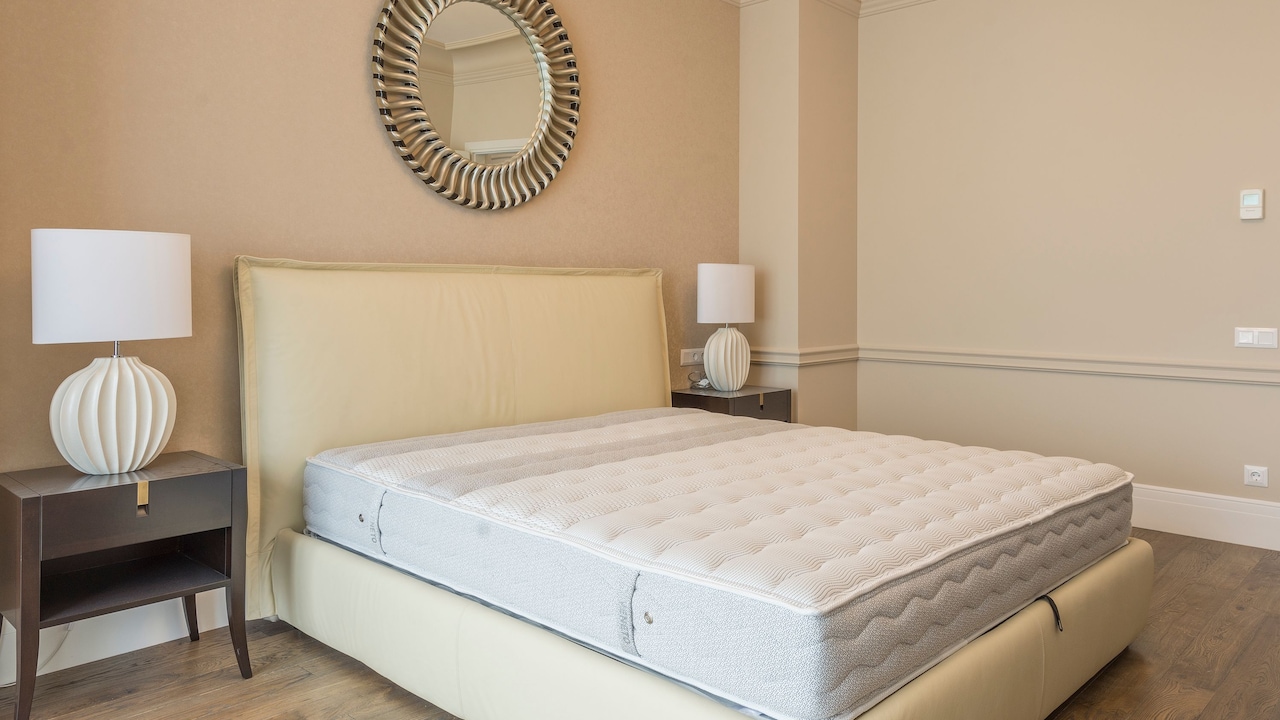
Best Mattress For Back Pain: Memory Foam Or Spring Mattress?; Photo Credit: Pexels
Durability, Sagging And Long-Term Back Health
A mattress may feel wonderful during the first month and disappointing after two years. For back support, durability matters because sagging changes everything. Once the middle dips, the spine loses alignment. The body then sleeps in a shallow valley, and the back pays the price.
High-density memory foam usually lasts longer than low-density foam. It resists early sagging and keeps its shape better. Cheaper foam may flatten quickly, especially under heavier body weight or daily use. A good memory foam mattress should recover its shape after pressure and should not form a permanent body impression too soon.
Spring mattresses depend on coil quality, coil count and construction. Pocket springs usually provide better durability than basic Bonnell springs. A thick comfort layer also protects the body from feeling the coils. Over time, poor spring mattresses may become noisy or uneven. That familiar creak may sound harmless, but it often signals wear.
For long-term back health, the mattress should stay level. Rotating it as recommended, using a strong bed base, and avoiding children jumping on it can extend its life. Though convincing children not to jump may require divine support.
Budget, Value And Practical Buying In Money
Mattress prices vary widely, from budget models under ₹10,000 to premium options above ₹60,000. A higher price does not always guarantee better back support. It often reflects brand name, materials, warranty, thickness, cooling features and marketing. The smarter approach compares comfort, firmness, trial period and durability.
For a single bed or guest room, a basic spring or foam mattress may work. For daily use with back pain, spending a little more on quality can make sense. A medium-firm memory foam mattress with good density may offer strong pressure relief. A pocket spring mattress with a supportive foam top may give better airflow and bounce. Both can offer value when the materials suit the sleeper.
Online mattress brands often provide trial periods, which helps because the body needs time to adjust. Showroom purchases may allow touch and testing, but return rules can differ. Always read warranty terms carefully. Some warranties cover deep sagging but not comfort changes. A mattress should not become a regret wrapped in fabric. Good value means better sleep, fewer painful mornings and support that lasts beyond the festive sale excitement.
When Memory Foam May Suit A Bad Back Better
Memory foam may suit people who need close contouring and pressure relief. Side sleepers, lighter individuals, and those with shoulder or hip discomfort often appreciate its gentle hug. It can also help people who wake up due to partner movement, since foam keeps the surface steady.
For lower back pain, memory foam works best when it has medium-firm support. The hips should settle slightly, not disappear into the mattress. The lower back should feel held, not hollow. A mattress with zoned support can help because it gives firmer support near the hips and softer comfort near the shoulders.
Memory foam can also suit people who enjoy a cosy, cushioned sleep feel. It creates a sense of stillness that some find deeply relaxing. Yet it may not suit those who dislike sinking, sleep hot, or need quick movement while turning. Some people feel stuck in soft foam, especially when changing sides. For them, even a supportive foam mattress may feel inconvenient. Comfort should feel natural, not like escaping from wet sand.
When A Spring Mattress May Suit A Bad Back Better
A spring mattress may suit people who prefer a firmer, cooler and more responsive surface. Back sleepers and stomach sleepers often enjoy the lift that springs provide. Heavier individuals may also find spring mattresses more supportive, especially pocket spring models with strong coils and a quality comfort layer.
The bounce makes movement easier. Anyone who changes position often at night may prefer this. Getting in and out of bed also feels simpler on a spring mattress, which can matter for older family members or people with stiffness. A breathable spring design can feel more comfortable in warm weather, especially without constant cooling.
However, not every spring mattress supports a bad back well. Thin, cheap or overly bouncy models can create pressure and uneven support. Pocket springs usually perform better than connected coils because they adjust to the body more precisely. A pillow-top or foam-top spring mattress can offer a pleasant mix of cushioning and firmness. For many households, this hybrid-like feel hits the sweet spot between comfort, airflow and support.
Products Related To This Article
1. Amazon Basics Orthopedic Classic Comfort Memory Foam Mattress
2. Centuary Mattresses Sleepables 6-Inch Queen Size Ortho Pocketed Zero Partner Disturbance Plush Quilted
3. Springtek Eurotop Luxe Memory Foam Mattress
4. LOOM & NEEDLES 78x72x10 Inches King Size Mattress
5. Wakefit ShapeSense Orthopedic Classic Memory Foam Mattress
6. peps Springkoil Cozy 6 Inch Orthopedic Bonnell Spring Mattress
7. Kurlon Spinel Ortho Mattress | Orthopedic Mattress
So, which one offers better support for a bad back: memory foam or spring? The honest answer depends on the sleeper, not the label. Memory foam often gives better pressure relief and motion control. It can suit side sleepers and people who like a cushioned, body-hugging feel. Spring mattresses often provide better airflow, bounce and firm support. They can suit back sleepers, stomach sleepers, warm sleepers and those who prefer easier movement.
For most people with back pain, the best mattress sits in the medium-firm range. It keeps the spine aligned, supports the hips, cushions pressure points and stays stable through the night. Quality matters more than category. A cheap memory foam mattress that sags will not help. A poor spring mattress that pokes and creaks will not help either.
Think of the mattress as a quiet health partner. It will not fix every back issue, and it cannot replace medical advice when pain feels severe or persistent. But the right one can make mornings kinder. Instead of waking up like an old scooter in winter, the body can rise with less drama, more ease and perhaps enough cheer to face the day's first traffic signal.
(Disclaimer: This article may include references to or features of products and services made available through affiliate marketing campaigns. NDTV Convergence Limited (“NDTV”) strives to maintain editorial independence while participating in such campaigns. NDTV does not assume responsibility for the performance or claims of any featured products or services.)