Myth Buster: Is Cast Iron Too Much Work For Everyday Indian Cooking?
Cast iron is not the kitchen headache many fear. With simple care, it can handle dosas, rotis, tadkas and sabzis beautifully, making everyday cooking richer, sturdier and far less fussy than its reputation suggests.

Is Cast Iron Cookware Too Much Work For Everyday Cooking?
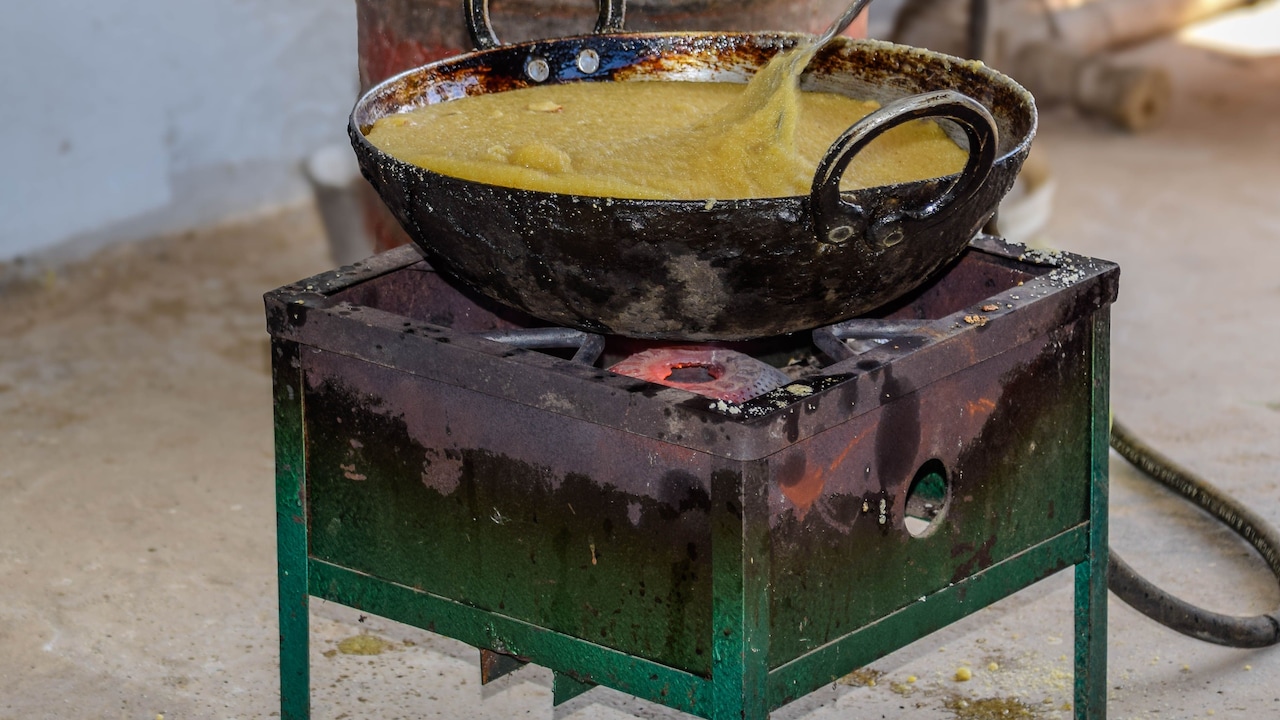
Every kitchen has that one object surrounded by family opinions. The pressure cooker whistles with authority. The mixer-grinder roars like a small aircraft. The cast iron tawa, meanwhile, sits with quiet dignity, carrying stories of crisp dosas, puffed phulkas, smoky baingan and the occasional burnt paratha that nobody wants to discuss. For years, many home cooks have treated cast iron like a moody guest. Too heavy. Too rusty. Too sticky. Too much work after dinner. In a world of non-stick pans that promise convenience with one swipe of oil, cast iron seems like it belongs to a slower era.
Is Cast Iron Cookware Too Much Work For Everyday Cooking?
Photo Credit: Pexels
Yet look closer and the picture changes. Cast iron does ask for care, but not drama. It rewards regular use, forgives small mistakes and often improves with age. Once it settles into the kitchen routine, it can handle daily cooking with surprising ease. The real myth is not that cast iron needs attention. The myth is that attention means effort.
Ten Everyday Truths About Cast Iron Cookware
Cast Iron Is Not As High-Maintenance As Its Reputation
Cast iron has suffered from terrible public relations. People speak about seasoning as if it involves secret rituals, whispered mantras and three generations of kitchen wisdom. In reality, a cast iron pan needs three simple things after use: clean it, dry it and give it a whisper of oil. That is hardly more demanding than wiping a gas stove after milk boils over.
The trouble begins when cast iron is compared with non-stick cookware. Non-stick pans ask for little care in the beginning, then slowly loses its charm. Cast iron works in the opposite direction. It may test patience at first, but it grows better with every round of rotis, dosas, uttapams and parathas.
The first few weeks may feel awkward. Food may cling. The pan may look patchy. That does not mean failure. It simply means the surface still needs building. Treat it like a new relationship. Do not expect lifelong loyalty after one breakfast. Cook with enough oil, keep the flame sensible and avoid scrubbing it like a bathroom tile. Soon, the pan starts behaving less like a problem and more like family.
The Weight Feels Annoying Until It Starts Helping
No one can deny it. Cast iron feels heavy. A large kadai can make the wrist reconsider its life choices. A tawa can feel like gym equipment with a handle. This weight often becomes the first complaint, especially in busy homes where cooking already demands speed.
Yet that same weight gives cast iron its magic. It holds heat beautifully. Once hot, it stays steady, which helps food cook evenly. A thin pan may flare up, cool down and create hot spots. Cast iron brings patience to the flame. It gives rotis a better char, dosas a deeper crisp and aloo tikki that golden edge people pretend not to fight over.
The trick lies in choosing the right size. A massive tawa looks impressive, but a medium one suits daily cooking better. A small skillet handles tadka, omelettes, paneer, roasted peanuts and leftover sabzi with less fuss. Nobody needs to swing a wedding-catering-sized pan for two parathas.
Once the pan rests on the stove, the weight stops mattering. It does the hard work quietly. In a kitchen, that counts as a rare virtue.
Seasoning Sounds Complicated, But It Is Just a Habit
Seasoning may be the most misunderstood word in cast iron cooking. It sounds technical, almost like something done in factories with machines and protective glasses. At home, seasoning simply means building a thin layer of oil on the pan through heat and use.
Every time oil meets a hot cast iron surface, it helps create a smoother cooking layer. That layer protects the pan and reduces sticking. The more often the cookware sees real food, the better it becomes. Dosas, cheelas, parathas, fried eggs, shallow-fried cutlets and even the humble tadka all help.
Fresh cast iron may need a little extra love. Heat it gently, rub a thin film of oil over it and let it cool. Repeat when needed. That is all. The oil should not pool or turn sticky. A few drops spread across the surface work better than enthusiasm poured straight from the bottle.
Many homes already understand this without using fancy words. The old iron tawa that never fails did not become wonderful overnight. It became wonderful because someone used it often, wiped it properly and trusted it long enough to let it mature.
Also Read: Be!Myn Launches New Foundation Range At Up To 15% Off On Myntra End Of Reason Sale
Dosa Disasters Do Not Mean The Pan Has Failed
Almost every cast iron story contains one tragic dosa. The batter spreads beautifully, hope rises, edges crisp, then the centre refuses to leave the pan. Suddenly, breakfast turns into abstract art. At that moment, many people banish the tawa forever.
But dosa has standards. It does not forgive a cold pan, a wet surface or nervous flipping. Cast iron needs preheating. Not smoking-hot anger, just steady heat. Sprinkle a few drops of water. If they dance and vanish, the tawa has woken up. If they sit around lazily, wait a little longer.
The batter also matters. Very watery batter can cling. Too much pressure while spreading can scrape away the thin oil layer. A cut onion dipped in oil and rubbed over the surface before pouring batter often works like kitchen diplomacy.
The first dosa may still behave badly. That is normal. In many homes, the first one belongs to the cook, the dog or destiny. After that, the tawa settles down. Cast iron rewards rhythm more than perfection.
Cleaning Is Easier Than Most People Think
The fear of cleaning cast iron has become larger than the actual chore. Some people think water will ruin it. Others believe soap will destroy years of seasoning. Then the pan sits unwashed, gaining suspicion and resentment.
Cast iron can handle water. It simply dislikes staying wet. After cooking, let the pan cool slightly. Rinse it, wipe away food bits and use a gentle scrubber when needed. For stubborn masala or stuck batter, add a little water, warm the pan and loosen the residue with a wooden spatula. This feels far easier than attacking dried sambar with regret later.
A small amount of mild dish soap will not cause a disaster. The bigger issue is harsh scrubbing with metal wool every day. That can strip the surface and make the pan feel new again, which sounds nice but behaves badly.
After washing, dry it on the stove for a minute. Rub a thin coat of oil while it still feels warm. That final step takes less time than finding the matching lid for a plastic dabba.
Rust Looks Scary, But It Is Usually Fixable
Rust on cast iron can create panic. One orange patch appears, and suddenly the pan looks like an archaeological find. Many people assume rust means the cookware has died. It has not. Cast iron has a flair for drama, but rust usually means moisture lingered too long.
The solution stays simple. Scrub the rusty area, wash the pan, dry it thoroughly and oil it again. For heavier rust, a paste of salt and oil can help. Some people use a cut potato with salt for extra grip. Once the rust lifts, heat the pan and rebuild the seasoning with a thin oil layer.
Rust prevention needs only discipline. Do not leave the pan soaking in the sink. Do not store it damp. Do not cover it tightly while moisture remains inside. In coastal cities, where humidity turns even biscuits soft, extra drying helps.
Cast iron teaches one clear lesson: neglect causes more trouble than use. A pan used daily often stays healthier than a pan stored like a museum piece.
Acidic Foods Need Timing, Not Fear
Many cooks worry about tomatoes, tamarind, curd-based gravies and lemon. The warning usually arrives in a serious voice: never cook anything sour in cast iron. That advice needs a little nuance.
Highly acidic foods can react with poorly seasoned cast iron, especially if they simmer for a long time. A new pan may give food a faint metallic taste. It may also disturb the seasoning. But this does not mean every tomato tadka causes tragedy.
A well-seasoned kadai can handle quick cooking with tomatoes, onions and spices. A brief masala base for bhindi, paneer bhurji or egg curry should not create panic. The key is not to leave rasam, kadhi or tamarind-heavy curry simmering for ages in a young pan.
Use stainless steel or clay for long sour preparations if that feels safer. Let cast iron handle roasting, sautéing, frying, searing and bread. With age and seasoning, it becomes more tolerant. Like many elders at family functions, cast iron softens once treated with respect.
It Fits Daily Meals Better Than Trendy Cookware
Cast iron often gets marketed as rustic or premium, but its best role remains wonderfully ordinary. It belongs with everyday meals. It can roast cumin for raita, toast pav, fry fish, cook bhindi without turning it slimy, and give leftover rice a smoky makeover.
A tawa can move from morning cheela to afternoon phulka to evening paratha without complaint. A small skillet can handle tadka for dal, sauté curry leaves for chutney, roast makhana or crisp up yesterday's idlis. A kadai can make poha, upma, sabzi, pakoras and even deep-fried festive snacks when the mood demands celebration.
This versatility makes cast iron practical rather than precious. It does not need a separate personality or a special day. It works best when kept within reach, not wrapped in a newspaper on the highest shelf.
The more it enters the daily rhythm, the less intimidating it feels. Soon, the cook stops thinking about maintenance and starts thinking about flavour. That is when cast iron quietly wins.
Is Cast Iron Cookware Too Much Work For Everyday Cooking?
Photo Credit: Pexels
The Cost Makes Sense Over Time
A good cast iron tawa or skillet may cost more than a basic non-stick pan. Prices vary by brand, thickness and size, but many reliable pieces sit in a range that households can plan for without treating it like a luxury purchase. The important part is not the first bill. It is the number of years the pan stays useful.
Non-stick cookware often starts beautifully. Eggs glide, dosas obey, and washing feels effortless. Then scratches appear. The surface dulls. Food begins to stick. Soon, a replacement enters the shopping list. Cast iron follows another path. It may look rough at first, but it improves with use. A well-kept piece can serve for years, even decades.
This makes it a sensible choice for homes that cook often. It also reduces the cycle of buying, replacing and complaining. There is something satisfying about owning a pan that does not become useless because someone used the wrong spatula once.
Cast iron asks for small care, not frequent replacement. In a kitchen budget, that difference matters.
The Flavour Argument Is Hard To Ignore
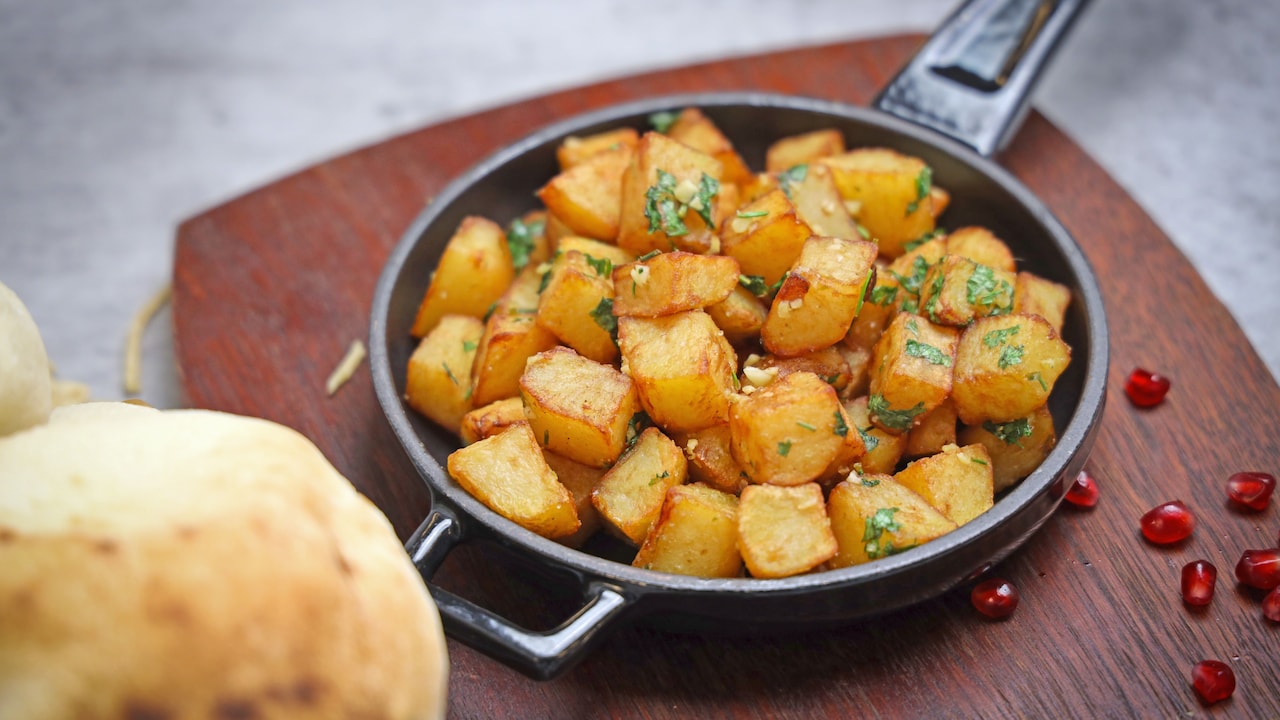
Some cookware merely cooks food. Cast iron adds character. The difference shows up in small ways. Onions brown deeper. Potatoes crisp better. Rotis get that pleasing roasted patch. Dosa edges turn lace-like and golden. Baingan roasted on cast iron gains a smoky richness that feels almost festive.
This happens because cast iron holds heat steadily and encourages browning. Food does not just soften; it develops flavour. A simple cabbage sabzi can taste less flat. Paneer can get a light crust before turning rubbery. Even leftover dal, reheated with garlic tadka in a small iron pan, smells like someone made an effort.
The pan also suits high-heat cooking, which many home dishes need. Quick stir-frying, roasting spices, shallow frying and searing all benefit from a surface that does not lose its colour when ingredients enter.
Convenience matters, of course. No one wants cookware that turns dinner into homework. But when better flavour comes with only a few extra seconds of care, the argument becomes deliciously unfair.
Cast Iron Works Best When It Becomes Routine
The secret to cast iron lies in routine, not perfection. Use it often. Heat it properly. Cook with enough fat in the early days. Clean it without fear. Dry it fully. Oil it lightly. Repeat. That rhythm soon becomes automatic, like checking whether the gas knob has turned off or saving coriander stems for stock.
Trouble starts when people expect cast iron to behave like coated cookware from day one. It will not. It has its own pace. Once accepted, that pace feels less like an inconvenience and more like kitchen wisdom. It teaches patience without giving lectures.
Keep one tawa for dosas and rotis if possible. Avoid using it for strong-smelling fish one night and sweet pancakes the next morning unless a little flavour confusion sounds exciting. Store it somewhere accessible, because hidden cookware never becomes useful.
The best cast iron pan in any home is not the most expensive one. It is the one that gets used, cleaned and used again. That is where the magic lives.
Is Cast Iron Cookware Too Much Work For Everyday Cooking?
Photo Credit: Pexels
Products Related To This Article
1. Meyer Pre-Seasoned Cast Iron Frypan | Cast Iron Skillet
2. The Indus Valley Pre-Seasoned Cast Iron Cookware Set
3. Lifelong Cast Iron Cookware Combo Set | 4-Piece Pre-Seasoned
4. KNOBON 7 Layer Pre-Seasoned Cast Iron Cookware Set
5. Hawkins Futura 2 Litre Cast Iron Kadhai
6. The Indus Valley Super Smooth Cast Iron Skillet Fry Pan
7. SOLARA Pre Seasoned Cast Iron Kadhai 7 Inch
So, is cast iron too much work for everyday cooking? Not really. It is more like a reliable old scooter than a shiny automatic car. It needs a kick, some familiarity and the occasional bit of attention. In return, it runs for years and carries memories along with meals.
Cast iron does not suit everyone's mood every day. There will be evenings when a lightweight pan feels kinder. There will be mornings when the first dosa still behaves like a rebel. Yet none of this makes cast iron impractical. It only makes it honest.
For homes where food happens daily, where tadka crackles, rotis puff, onions brown and someone always asks for “just one more” paratha, cast iron fits beautifully. It brings flavour, durability and a sense of continuity that modern cookware often misses.
The myth deserves retirement. Cast iron is not too much work. It is simply cookware that gives back what it receives. Treat it with a little care, and it may become the pan everyone reaches for without thinking.
(Disclaimer: This article may include references to or features of products and services made available through affiliate marketing campaigns. NDTV Convergence Limited (“NDTV”) strives to maintain editorial independence while participating in such campaigns. NDTV does not assume responsibility for the performance or claims of any featured products or services.)