How To Prepare Your Home For Monsoon Season In India
Wondering how to prepare your home for monsoon season in India? Learn practical ways to prevent leaks, dampness, mould, and weather-related damage.

How To Prepare Your Home For Monsoon Season In India
Nothing beats that first proper monsoon shower after months of baking in the Indian summer. The air cools down, everything turns lush green, and you just want to chill with some chai. But honestly? The rainy season can also cause significant damage to your home. That little wall crack you forgot about in May? Come July, it's a constant, annoying drip. Plus, your clothes start smelling super musty, damp spots ruin the walls, and the electricity loves to cut out whenever it's most inconvenient.

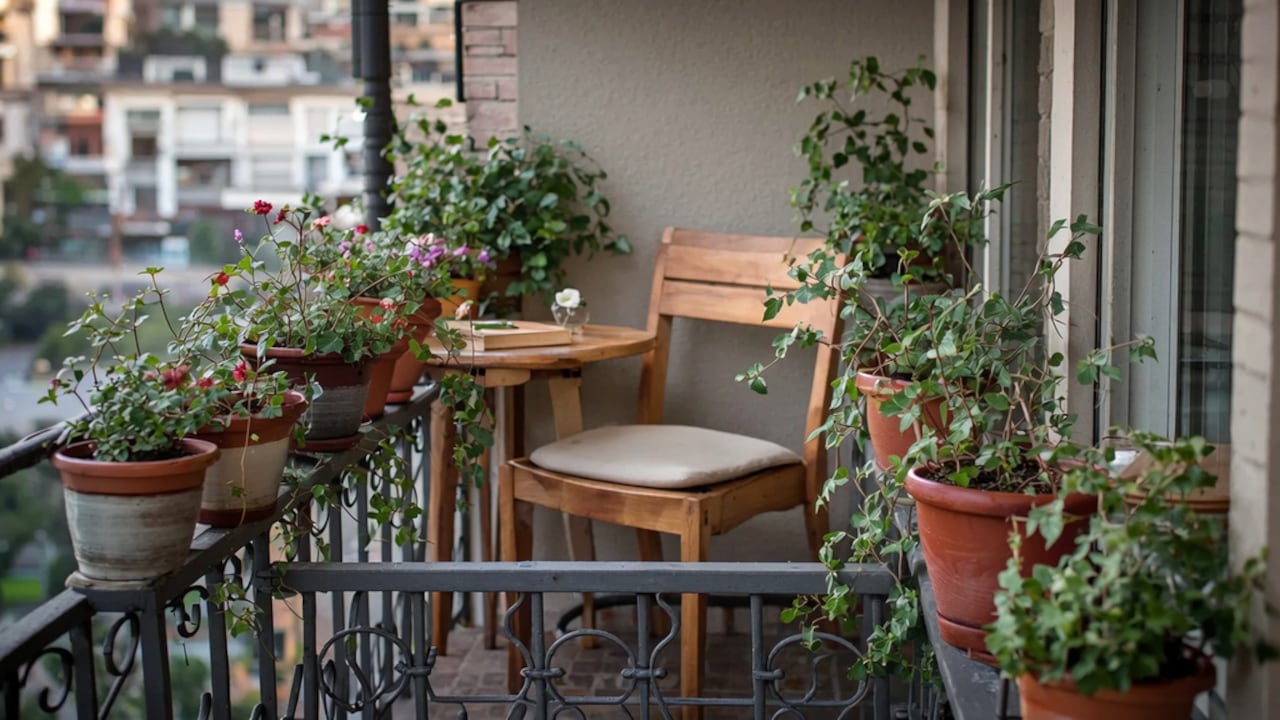
Prevent mould and structural damage with these essential tips for the Indian monsoon season; Photo Credit: Pexels
The trick is staying ahead of the game. Waiting for the heavy downpours to begin puts you in a difficult situation. It really doesn't matter if you're living in a massive independent villa, a high-rise flat, or a small rented place; knocking out a few chores right now will save your sanity and your wallet. So, what needs your attention before the skies open up? From checking your roof to keeping your electronics and documents safe, here is a realistic pre-monsoon checklist to get your place completely rain-ready.
Also Read: What Are The Best Things To Keep In Your Bag For The Rainy Season?
Why Monsoon Season Can Create Problems Inside Indian Homes
The rainy season doesn't just stay outside your windows; it has a way of creeping into your living spaces. Weeks of continuous rain and high humidity can significantly damage your property. Your walls soak up the ambient moisture, wooden doors and drawers swell up and get stuck, and closed-off rooms become the perfect environment for mould and mildew to thrive.
When it rains heavily, we keep our windows tightly shut, which completely cuts off indoor air circulation. This trapped, humid air is precisely why that familiar, musty smell takes over so many Indian households during the monsoon. Addressing these issues promptly is the most effective way to prevent them from escalating.
How To Prepare Your Home For Monsoon Season In India
Step 1: Inspect Your Roof, Walls And Windows For Early Signs Of Leaks
Before the skies open up, take a walk around your house to hunt for hidden gaps. It's crazy how a tiny crack in a window frame or balcony joint can invite a whole puddle inside during a heavy downpour. Look closely at your window sealants and ceilings. Notice any peeling paint or dark patches? Patch them up right away. Grab some waterproof sealants or heavy-duty weather tapes for a quick fix. Trust me, spending twenty minutes on the repairs now beats staring at a soggy, ruined wall all season.
Step 2: Clean Drains, Balconies And Water Outlets Before Heavy Rainfall Begins
Blocked drains are the absolute worst, and they're the number one reason homes flood in the rains. Over the summer, dried leaves and dust pile up inside your pipes, completely choking them. Go ahead and clear out your balcony drains, gutters, and terrace pipes. Ensuring water has a clear path to flow away keeps it from pooling against your walls or, worse, backing up into your living room.
Step 3: Protect Furniture, Mattresses And Soft Furnishings From Moisture
The crazy humidity can wreck your stuff way before an actual leak does. Your bed starts feeling damp, wooden furniture swells up, and sofas get that weird, musty smell. Pull your couches an inch or two away from the walls so air can circulate. It's also smart to use a quality mattress protector and breathable covers for your expensive furniture. On days the sun actually comes out, pop your wardrobes open to let them breathe.
Step 4: Keep Important Documents And Electronics Safe From Water Damage
We often worry about big furniture and completely forget about paperwork until a leak ruins it. It can be extremely challenging to replace passports, certificates, or property deeds. Stuff your vital papers into waterproof pouches or storage cases and put them on a high shelf. For your electronics, always use reliable surge protectors. Voltage spikes and sudden blackouts constantly happen during monsoon storms.
Step 5: Reduce Indoor Humidity To Prevent Dampness And Mould
The real enemy isn't always the rain; it's the sticky humidity. Even without leaks, trapped moisture breeds mould. Keep your kitchen and bathroom exhaust fans running, crack the windows when it stops raining, and toss moisture absorbers inside your closets. Throwing a few silica gel packets into your shoe racks works wonders to stop unpleasant odours.
Step 6: Prepare For Power Cuts And Electrical Safety During Storms
In India, when heavy rain shows up, it almost always comes with a power cut. You might not be able to mend the grid, but you can absolutely stop yourself from stumbling around in full pitch black. So, charge up your emergency lights, your portable lanterns, and even your power banks before the storms roll in. Check your extension cords again for any fraying or worn spots. When your backup gadgets are already ready, the blackouts feel way less irritating.
Step 7: Fill Your Home With Everyday Monsoon Stuff
There's nothing more annoying than needing something in the middle of a storm and then finding the local shops closed while the delivery apps are also down. So be alert and plan ahead. Pick up super-absorbent doormats, microfibre cloths, waterproof organisers, extra emergency lights, and moisture absorbers before the clouds thicken.
Common Monsoon Home Maintenance Mistakes People Often Make
1. Waiting for the First Leak to Fix Cracks
A huge mistake is ignoring a tiny hairline crack on your wall. People think it's no big deal, but once the heavy rain starts, that small gap turns into a massive, peeling leak. It's way easier to seal it now.
2. Forgetting to Clear Out the Balcony Drains
We usually don't think about pipes until the water is already rising on the balcony. Leaves and dust block the drains over the summer, so if you don't clean them early, you risk flooding your home.
3. Ignoring the Sticky Indoor Air
Many people think things are fine if there's no dripping water. But high humidity silently ruins wooden furniture, makes clothes smell musty, and rusts metal objects. Taking action early is always cheaper and less stressful.
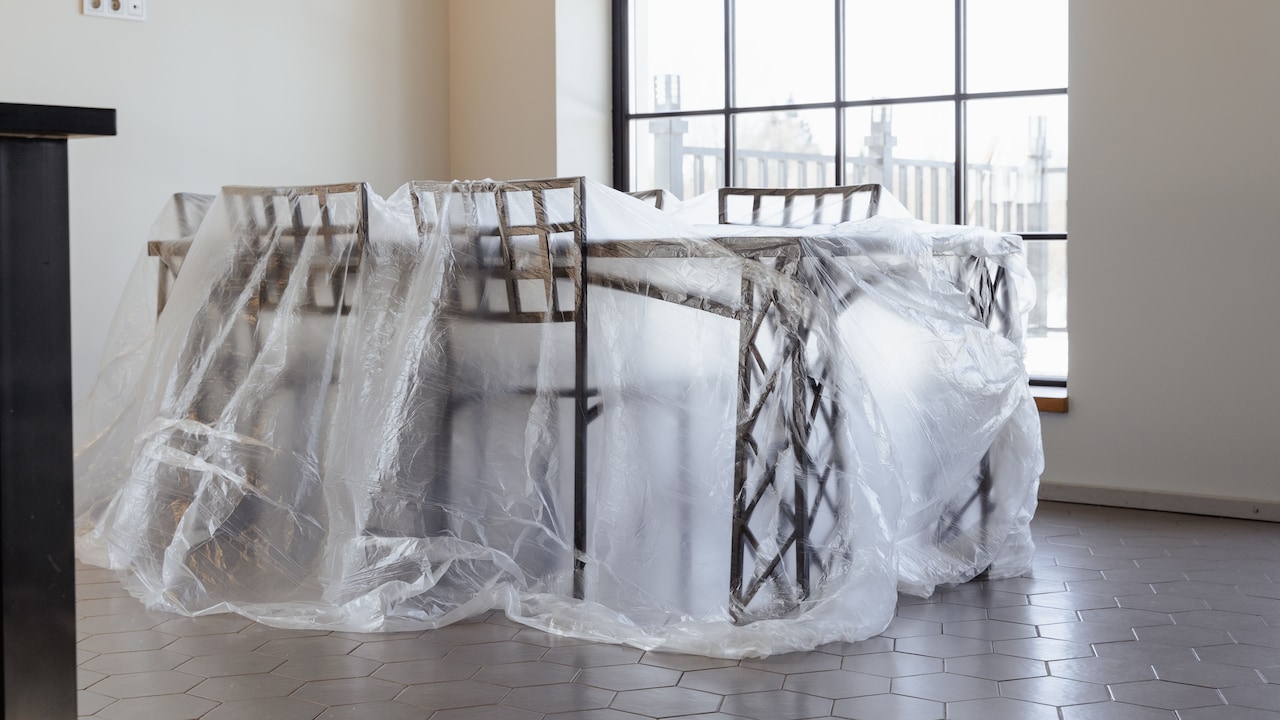
Keep dampness away from your house by fixing cracks before the heavy rains start; Photo Credit: Pexels
Some Monsoon Home Protection Products You May Like
1. Wakefit 100% Waterproof Premium Cotton Mattress Protector
2. GADDA CO 100% Waterproof Premium Cotton Feel Mattress Protector
3. Philips Torch Rechargeable, 7W Magnetic Torch & Side Bright Light
4. DAVSORB Dehumidifier Room Moisture Absorber for Wardrobe & Shoe Racks
5. SGMVK Multipurpose Travel File Organiser Waterproof Document Storage Bag
6. Homestrap set of 2 Transparent Storage Bags 45L for Clothes and More
7. Wipro Safari Emergency Rechargeable LED Lantern with 7200 mAh Battery
8. STAPRICO Zipper Pouch Folder, Multi-Color Document Storage Bag with Zip Lock
div id="2-00MOLtD7">
Monsoon can bring dampness, leaks, and pests into your home. Use waterproof sprays, sealants, and moisture absorbers to protect walls, roofs, and furniture. Find these monsoon home protection essentials on Amazon and keep your home safe and dry all season.
Frequently Asked Questions (FAQs)
1. When should I start preparing my home for monsoon season?
Ideally, start a couple of weeks before the monsoon is expected to arrive, or at least before the sky decides to dump everything at once. That timing gives you enough breathing room to look around, mend small cracks, and clean out your drains without that last-minute panic.
2. How can I reduce dampness inside my home during the monsoon?
Try to keep the air in motion, use exhaust fans, open up windows and doors during dry intervals, and toss moisture-absorbing packs in closets and drawers. Also, don't let storage spaces get too packed, because clutter tends to trap that stale, damp air and makes it linger.
3. Are waterproof mattress protectors useful during the monsoon?
Yes, think of them as a protective shield against the heavy moisture and constant humidity. They help keep the mattress from feeling damp and also reduce the chances of mould developing in the first place.
4. How do I keep important papers safe from water damage?
Try using waterproof storage bags or sealed plastic folders, then put them up higher on an upper shelf or tucked inside an elevated cabinet. That way, if there's a small leak, it is less likely to crawl all the way to your documents.
5. What is the biggest monsoon-related problem inside homes?
In most cases, it's the high indoor humidity. It's usually the hardest part; it brings that musty smell, makes furniture swell or warp, ruins clothing faster, and gives mould a really friendly environment in which to spread.
(Disclaimer: This article may include references to or features of products and services made available through affiliate marketing campaigns. NDTV Convergence Limited (“NDTV”) strives to maintain editorial independence while participating in such campaigns. NDTV does not assume responsibility for the performance or claims of any featured products or services.)