The Hidden Problem With Foldable Study Tables In Small Flats: How To Combat These Issues For Longer Use
Foldable study tables save space in compact flats, but weak hinges, poor ergonomics and cheap materials often reduce their lifespan. This is how to avoid common problems and make them last longer.
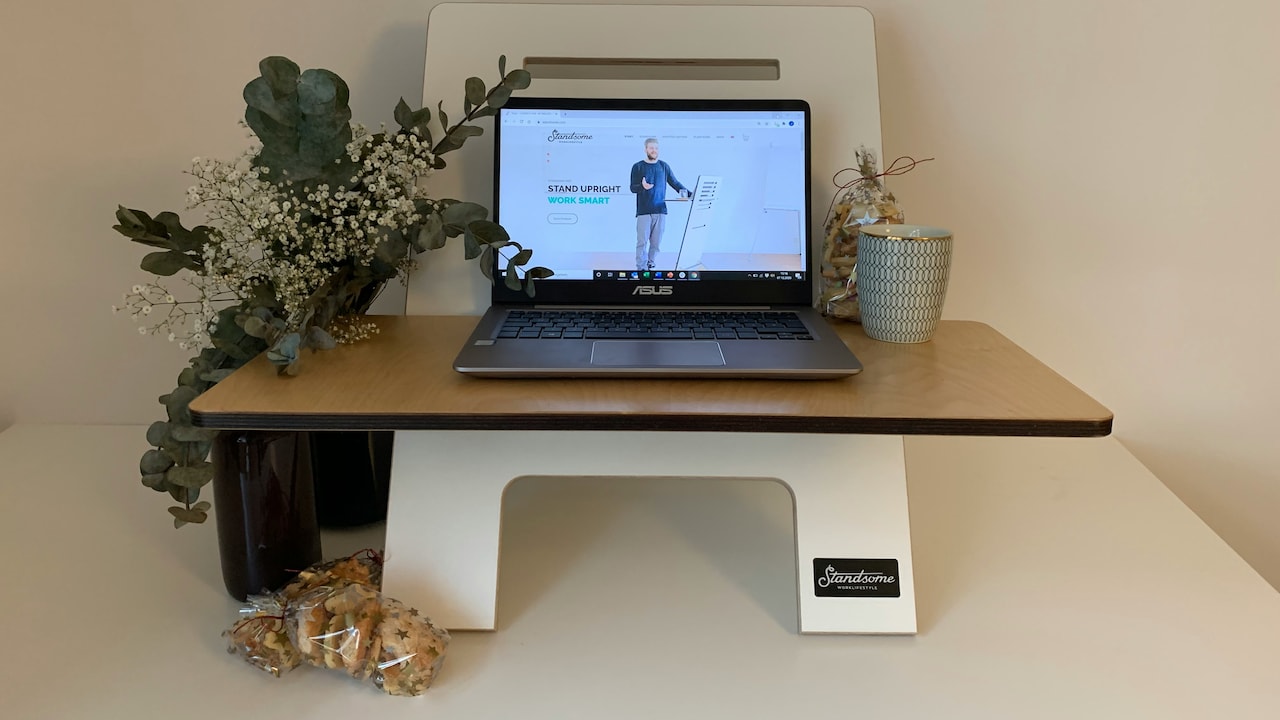
Hidden Problems With Foldable Study Tables In Tiny Flats: How To Fix Them
Small flats have transformed furniture shopping into a tactical exercise. Every item now needs to multitask. A sofa becomes a guest bed. A dining table doubles as a work desk. Foldable study tables entered this space-saving revolution like heroes in a low-budget Bollywood climax scene. Compact, affordable, and easy to tuck away, they promised organised homes without swallowing precious floor space. At first glance, these tables feel like a dream. Students use them for online classes. Professionals balance laptops and chai mugs on them during work calls. Children spread textbooks across them during exam season. Some even become temporary dining tables during cricket matches when the living room turns into a mini stadium. But reality creeps in quietly.

Hidden Problems With Foldable Study Tables In Tiny Flats: How To Fix Them; Photo Credit: Pexels
After months of daily use, many foldable tables begin showing their flaws. Hinges loosen. Legs wobble. Surfaces scratch easily. Some become so unstable that typing on a laptop feels like travelling on a pothole-filled road during monsoon season. Worse still, poor posture caused by badly designed tables creates discomfort that people ignore until neck pain arrives like an unwanted relative during festival time. Despite these issues, foldable study tables remain incredibly useful. The secret lies in understanding their hidden problems early and tackling them before the damage becomes permanent.
Hidden Problems That Reduce The Lifespan Of Foldable Study Tables
The Problem With Weak Hinges And Joints
Most foldable study tables rely heavily on hinges and folding joints. These tiny components carry the entire weight of books, laptops, elbows, chargers, and sometimes even dinner plates during late-night work sessions. Unfortunately, many budget-friendly tables use low-quality metal parts that weaken quickly.
The first warning sign often appears as a slight wobble. At first, it seems harmless. Then the table starts creaking every time someone leans forward. Eventually, the legs shift unevenly, making the entire structure unstable.
This issue becomes common in humid weather. Moisture slowly affects metal joints, especially in coastal cities where damp air sneaks into furniture faster than expected. A ₹1,500 table may look attractive online, but poor hinge quality often shortens its lifespan dramatically.
Regular tightening of screws helps prevent bigger problems. A simple screwdriver check every few weeks can save costly repairs later. Lubricating hinges with light machine oil also reduces friction and prevents rust. More importantly, avoiding excessive weight on the table makes a huge difference. Foldable furniture works best when treated gently rather than like permanent heavy-duty furniture.
People often forget that these tables prioritise portability over strength. Respecting that limitation keeps them functional far longer.
Also Read: Top 5 Affordable Laptop Tables For Work And Study With Storage
Poor Ergonomics Lead To Everyday Body Pain
Many foldable study tables look stylish in photographs, but completely ignore comfort. Some sit too low, forcing users to hunch forward like detectives examining clues in crime dramas. Others have narrow surfaces that leave barely enough space for a laptop and a notebook together.
Poor ergonomics quietly damages posture over time. Neck stiffness, shoulder tension, and lower back pain become common complaints, especially among students and remote workers spending six to eight hours daily at these tables.
The problem worsens in compact flats because people often place these tables in awkward corners. Some work while sitting cross-legged on beds. Others use plastic stools without back support. The combination creates a recipe for physical strain.
Thankfully, small adjustments can improve comfort significantly. Using a chair with proper support helps maintain posture. Raising the laptop slightly with a stand reduces neck bending. Even placing a thin cushion on the chair changes sitting posture for the better.
Choosing tables with adjustable height offers a smarter long-term solution. They may cost slightly more initially, around ₹3,000 to ₹5,000, but the added comfort makes daily work far easier. Furniture should support the body, not challenge it like a difficult yoga pose.
Cheap Surface Materials Wear Out Quickly
Foldable study tables often sacrifice material quality to remain lightweight and affordable. Many use particle board or thin engineered wood with laminated finishes. While these surfaces appear sleek initially, regular wear quickly exposes their weaknesses.
Hot tea cups leave marks. Sharp pen tips scratch the laminate. Moisture causes edges to swell and peel. Over time, the table starts looking tired, even if the structure remains usable.
This problem becomes painfully obvious in homes where one table serves multiple purposes. A child studies there in the morning, someone attends office meetings in the afternoon, and dinner plates rest there at night. Constant use accelerates damage.
Protective mats help preserve the surface remarkably well. A simple desk mat or cotton table cover reduces scratches and moisture exposure. Cleaning spills immediately also prevents swelling around the edges.
Another smart trick involves avoiding direct sunlight. Many people place foldable tables near windows for better lighting, but harsh sunlight gradually fades laminate finishes and weakens adhesives. Curtains or indirect placement help maintain the appearance longer.
Furniture ageing gracefully requires care, much like favourite sneakers or a trusted pressure cooker passed down through generations.

Hidden Problems With Foldable Study Tables In Tiny Flats: How To Fix Them; Photo Credit: Pexels
Space Saving Often Creates Clutter Problems
Ironically, furniture designed to save space sometimes creates more clutter. Foldable study tables encourage temporary setups. Books pile up. Chargers tangle underneath. Loose papers gather around the legs. Soon, the compact corner transforms into chaos.
Small flats already struggle with storage limitations. Adding a foldable table without proper organisation often worsens the situation. Since these tables usually lack drawers or shelves, items spill onto nearby beds, sofas, or floors.
Visual clutter affects mental clarity, too. A messy study corner can make work feel more stressful than necessary. During exam season or tight office deadlines, even locating a charger becomes an adventure.
Simple storage hacks solve this surprisingly well. Small wall-mounted shelves above the table create extra space without crowding the room. Foldable organisers keep stationery tidy. Cable clips prevent wires from resembling jungle vines behind the desk.
Some households now pair foldable tables with compact rolling carts that slide underneath when unused. This combination creates functionality without sacrificing mobility.
Space-saving furniture works best when paired with thoughtful organisation. Otherwise, the room may feel cramped despite technically having more floor space available.
Frequent Folding Weakens Structural Stability
Foldable tables survive through movement. Open, close, shift, store, repeat. Yet repeated folding gradually weakens the frame. This hidden wear happens slowly enough that many people ignore it until the table becomes dangerously unstable.
The constant opening and closing of joints and alignment points. Over time, the legs may stop locking properly. One uneven movement can suddenly collapse the table, especially when carrying heavy electronics.
Anyone who has experienced a laptop sliding dramatically towards the floor understands the panic instantly.
This issue becomes common in households where tables move daily between rooms. Students studying in bedrooms during the day may fold the table away before dinner. Professionals working in living rooms often repeat the process every evening.
Reducing unnecessary folding increases lifespan significantly. If possible, keeping the table open in a dedicated corner prevents repeated stress. For homes with limited space, careful handling matters. Avoid dragging the table while folded. Lift it gently instead.
Checking locking mechanisms regularly also prevents accidents. Loose clips or bent brackets should never be ignored. Minor repairs cost far less than replacing damaged gadgets after a sudden collapse.
Lightweight Designs Often Compromise Safety
Lightweight furniture sounds practical until stability becomes a concern. Many foldable study tables prioritise portability so aggressively that safety suffers. Thin metal frames and ultra-light tops may tip easily under uneven pressure.
This creates problems in homes with children or pets. A child leaning heavily on one edge can shift the balance unexpectedly. Even adults absent-mindedly resting their elbows unevenly during video calls can destabilise poorly designed tables.
Uneven flooring adds another layer of frustration. Older flats often have slight tile irregularities that cause lightweight tables to wobble constantly. Typing on such surfaces feels irritating after a while.
Rubber pads under table legs improve stability considerably. They grip the floor better and reduce sliding. Choosing tables with cross-support bars underneath also adds strength.
Weight distribution matters too. Heavy items should stay near the centre rather than the edges. Many people unknowingly place laptops in corners while writing elsewhere, increasing imbalance.
A slightly heavier foldable table often performs better over time than extremely lightweight options. Convenience matters, but safety deserves equal attention. Nobody wants furniture behaving unpredictably during an important online interview or exam.
Moisture And Weather Damage Remain Underrated
Weather quietly destroys furniture in ways many households underestimate. Foldable study tables suffer particularly because manufacturers often use mixed materials like engineered wood, steel, and plastic connectors.
During monsoon season, moisture creeps into wooden sections and weakens adhesive layers. Metal parts begin rusting subtly. Plastic joints become brittle after repeated exposure to heat and humidity.
In compact flats with limited ventilation, these problems escalate faster. Tables placed near balconies or damp walls absorb moisture continuously. Some even develop unpleasant odours over time.
Regular cleaning with dry cloths helps reduce moisture buildup. Using silica gel packets inside nearby storage areas surprisingly helps in humid environments. Proper ventilation remains equally important.
People often cover furniture completely with plastic sheets during rainy months, but trapped moisture underneath creates even bigger issues. Breathable covers work far better.
Weatherproof coating sprays provide additional protection for metal sections. Though inexpensive, they significantly slow rust formation. Spending ₹300 on preventive care can extend a table's lifespan by several years.
Furniture maintenance rarely feels exciting, but replacing damaged furniture repeatedly costs far more in the long run.
The Hidden Cost Of Extremely Cheap Purchases
Online marketplaces overflow with foldable study tables priced lower than a weekend grocery bill. Attractive discounts tempt buyers instantly. Yet extremely cheap furniture often carries hidden long-term costs.
Low-grade materials fail quickly. Replacement parts remain unavailable. Warranty coverage barely helps because transporting bulky furniture for repairs becomes inconvenient. Within a year, many households end up purchasing another table entirely.
The cycle repeats endlessly.
Paying slightly more initially often saves money over time. A sturdy table priced around ₹4,000 to ₹6,000 generally offers better hardware, stronger frames, and improved finishes. Reliable brands also provide replacement support if hinges or screws fail later.
Reviews deserve careful attention, too. Product photos rarely reveal stability issues. Customer experiences often expose recurring problems like shaking legs or weak boards after months of use.
Impulse buying remains the biggest culprit. During festive sales, people rush towards massive discounts without checking durability details. The excitement fades quickly once the table starts wobbling during daily use.
Furniture should feel like an investment rather than a temporary arrangement. A well-built foldable table lasts for years and quietly supports countless study sessions, deadlines, and late-night ambitions.
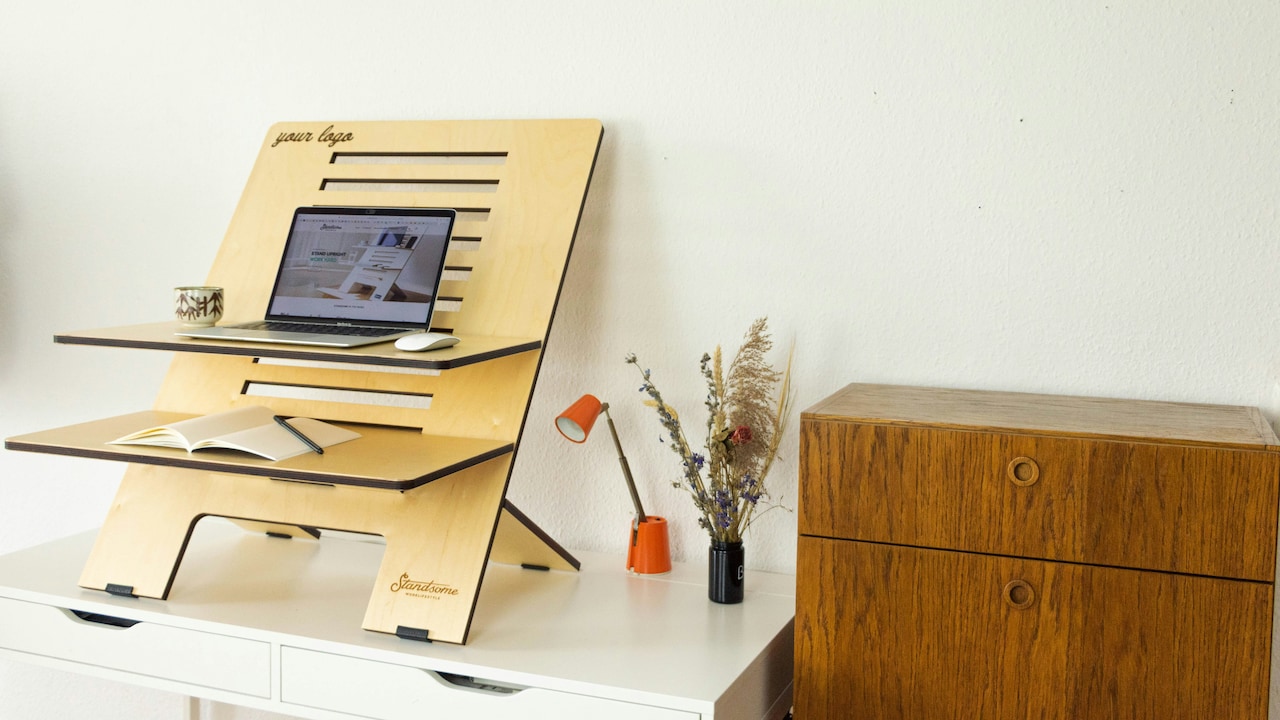
Hidden Problems With Foldable Study Tables In Tiny Flats: How To Fix Them; Photo Credit: Pexels
Lack Of Maintenance Shortens Lifespan Dramatically
Most households maintain appliances carefully but completely ignore furniture maintenance. Foldable study tables suffer because people treat them as low-maintenance objects until something breaks visibly.
Dust settles into hinges. Screws loosen gradually. Surface stains harden over time. Tiny issues accumulate silently until the table begins falling apart.
Regular upkeep barely takes fifteen minutes each month. Tightening bolts, wiping surfaces properly, and checking joints can dramatically increase durability. Even simple habits like lifting instead of dragging the table protect the frame significantly.
Cleaning products matter too. Harsh chemicals damage laminate finishes and weaken adhesives. Mild soap solutions work better for everyday cleaning.
Many people also overload foldable tables unknowingly. Stacking heavy textbooks, printers, or storage boxes stresses the structure beyond its intended capacity. Reading the manufacturer's weight limits prevents unnecessary strain.
Maintenance often feels boring because results appear invisible initially. Yet neglected furniture ages rapidly while cared-for furniture continues functioning smoothly for years.
Much like maintaining a scooter before problems arise, small preventive efforts spare major headaches later.
Choosing The Right Foldable Table Makes All The Difference
Not all foldable study tables deserve equal criticism. Some designs genuinely balance practicality, durability, and comfort beautifully. The challenge lies in choosing wisely rather than buying impulsively.
The best tables prioritise stability over flashy aesthetics. Strong metal frames, anti-slip feet, and thicker boards usually indicate better quality. Smooth folding mechanisms matter more than decorative finishes.
Room dimensions should guide purchases carefully. Oversized tables overwhelm compact flats, while tiny surfaces become frustrating during daily work. Measuring available space before buying avoids regret later.
Storage needs deserve attention, too. Some modern designs include side pockets, mini shelves, or cable management features that improve organisation significantly.
Testing the table physically whenever possible helps reveal hidden flaws. A sturdy table should feel balanced even when slight pressure is applied to the edges. Any noticeable shaking during testing usually worsens over time.
Comfort also matters immensely. Height compatibility with existing chairs determines whether long study hours feel manageable or exhausting.
Furniture shopping has evolved into a strategic decision in modern urban homes. A thoughtfully chosen foldable study table becomes more than furniture. It quietly supports careers, education, creativity, and countless everyday moments.
Products Related To This Article
1. Tarkan Portable Folding Laptop Desk for Bed, Lapdesk with Handle
2. Wow Craft Multipurpose Foldable Table for Home & Office
3. BLUMUNO X-Plus Folding Table for Home, Office, Art
4. NILKAR Study Table Bed Table Premium Laptop Table
5. TECHNOVIBES Foldable Study Table/Bed Table
6. INNOWIN Startup Table
7. Riyan Luxiwood Daffodil Computer Table in Engineered Wood with Flat Surface
Foldable study tables continue to solve genuine space challenges in compact flats. Their popularity makes perfect sense. They offer flexibility, affordability, and convenience in homes where every square foot matters. Yet hidden problems often emerge when buyers focus only on price or appearance.
Weak hinges, poor ergonomics, unstable frames, moisture damage, and lack of maintenance slowly reduce their usefulness. Fortunately, most of these issues remain preventable with smarter habits and better choices.
A little care transforms these tables from temporary furniture into reliable long-term companions. Tightening screws regularly, protecting surfaces, improving posture, and avoiding excessive weight all contribute to longer durability. Choosing quality over extreme affordability also saves frustration later.
Modern homes demand adaptable furniture, but practicality should never compromise comfort or safety. A good foldable study table should support daily life quietly and efficiently, whether during exam preparation, office deadlines, or peaceful evening reading sessions with a cup of chai nearby.
Because in small flats, every piece of furniture earns its place through usefulness. And when chosen wisely, a foldable study table can remain dependable long after trends change and online sale banners disappear.
(Disclaimer: This article may include references to or features of products and services made available through affiliate marketing campaigns. NDTV Convergence Limited (“NDTV”) strives to maintain editorial independence while participating in such campaigns. NDTV does not assume responsibility for the performance or claims of any featured products or services.)