Does More Mist Make A Diffuser Work Better? 10 Essential-Oil Diffuser Myths Explained
Does more mist mean better diffusion? Not always. From oil quantity to cleaning and room size, these 10 essential-oil diffuser myths reveal what really affects performance, fragrance and everyday use.
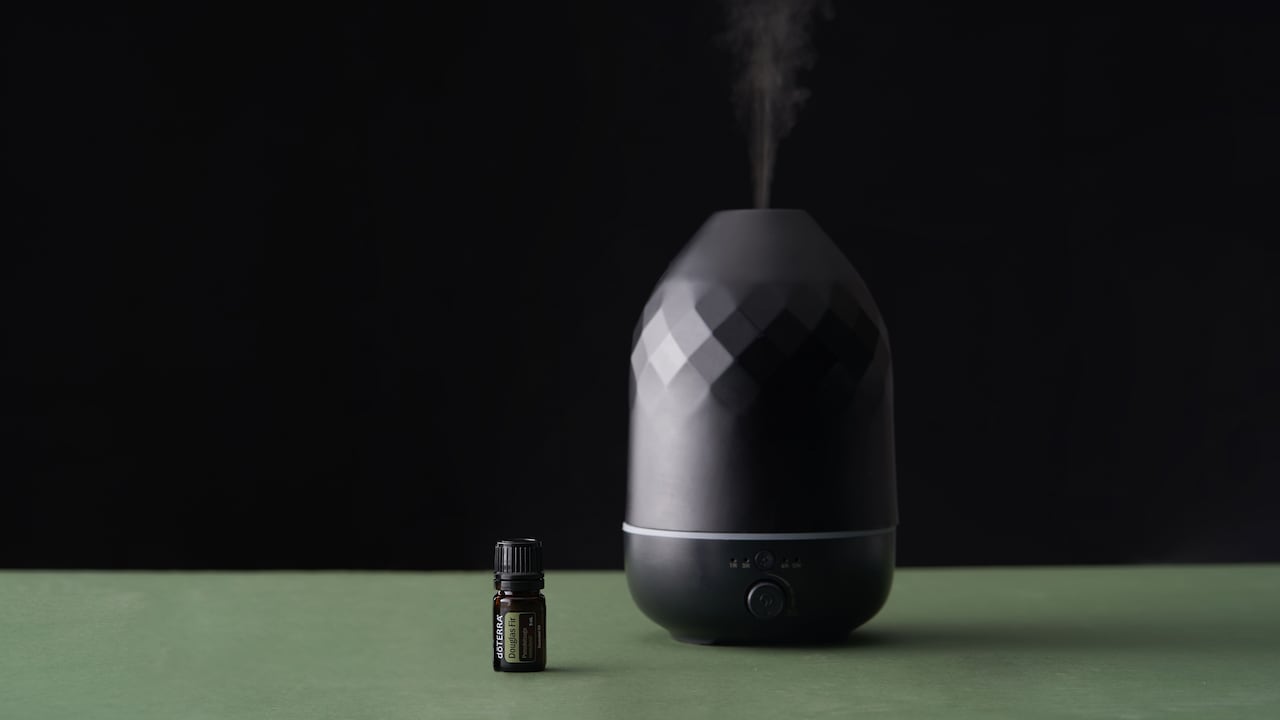
Things to know about essential oil diffusers before buying one
Few home gadgets manage to look as calming as an essential-oil diffuser. Add water, drop in a favourite oil, press a button, and within minutes the room begins to smell fresher. The soft glow, gentle hum and floating mist can make even a busy evening feel slightly more peaceful. Yet diffusers also attract plenty of myths. Some people judge performance by how dramatic the mist looks. Others assume that adding extra oil creates stronger benefits. There is also a widespread belief that diffusers clean the air, work exactly like humidifiers or need almost no maintenance.
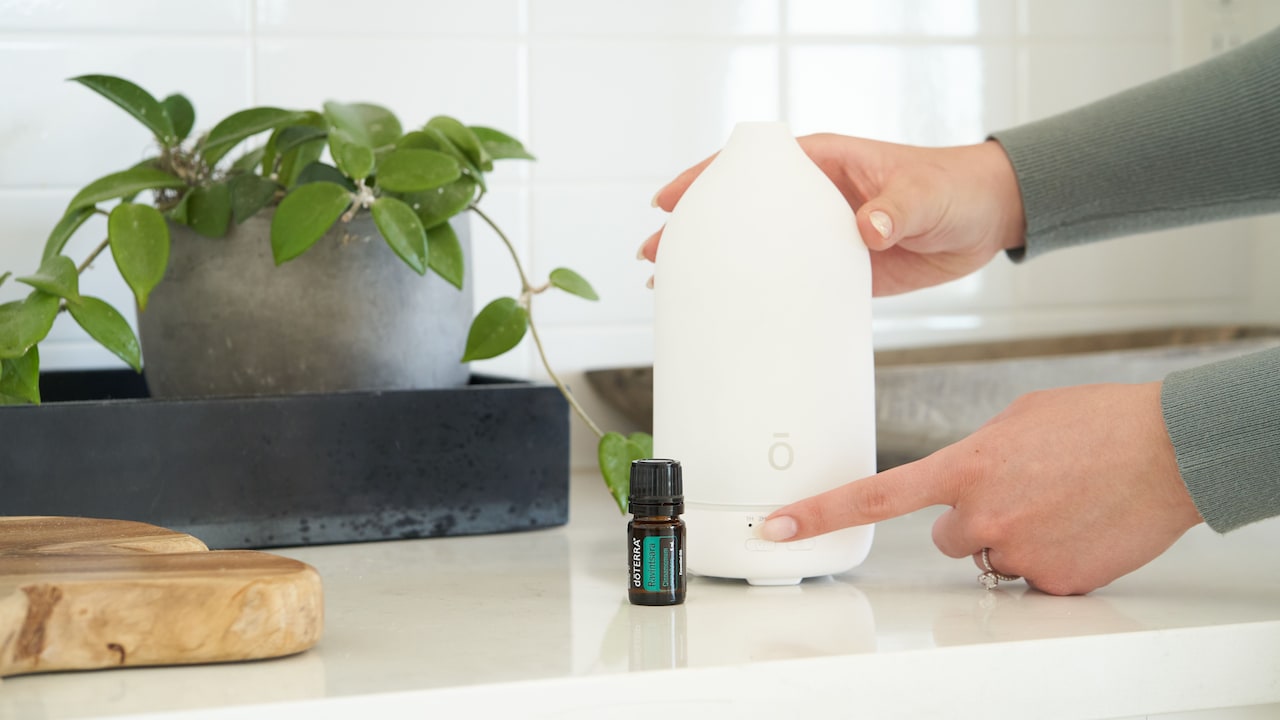
Common myths about essential oil diffuser; Photo Credit: Pexels
The truth sits somewhere between clever technology and sensible expectations. Most ultrasonic diffusers use vibrations to turn water and essential oil into a fine mist. That process looks simple, but tank size, airflow, room dimensions, oil quantity, maintenance and operating time can all affect the experience.
Also Read: Budget-Friendly Aromatherapy Diffusers Under ₹500 for Instant Relaxation
So, does more mist really make a diffuser work better? Not necessarily. Understanding what a diffuser can and cannot do helps prevent wasted oil, overpowering fragrances and disappointing results. More importantly, it makes everyday use safer and far more enjoyable.
Here Are 10 Essential Oil Diffuser Myths That Deserve A Closer Look
1. More Mist Means The Diffuser Works Better
A diffuser producing a thick plume of mist certainly looks impressive. It can make a quiet bedroom resemble a tiny hill station on a foggy morning. Still, visible mist alone does not measure performance.
Ultrasonic diffusers create mist by vibrating water at high frequency. The amount of visible vapour depends on several factors, including water level, ultrasonic plate condition, room temperature and airflow. A model producing a lighter mist may still distribute fragrance effectively.
The real question is whether the scent spreads comfortably through the intended space.
Too much mist can even become inconvenient in a small room. Continuous output near furniture, books or electronics may leave nearby surfaces damp. A powerful stream also uses water faster, which means more frequent refilling.
Instead of chasing the biggest cloud, focus on balanced diffusion. The fragrance should feel noticeable without becoming overwhelming.
A steady, fine mist usually does the job perfectly well. Diffusers are meant to scent a room pleasantly, not audition for a monsoon scene.
2. Adding More Essential Oil Always Gives Better Results
When the fragrance feels faint, adding another generous splash of essential oil can seem logical. Unfortunately, more oil does not always improve the experience.
Essential oils are highly concentrated. Most diffusers need only a small quantity mixed with water. Adding too much can make the scent harsh, trigger headaches or irritate people who are sensitive to strong fragrances.
Excess oil may also leave residue inside the tank. Over time, that build-up can affect the ultrasonic plate and reduce mist output.
Room size matters too. Five or six drops may feel pleasant in a spacious living room but overpowering in a compact bedroom or study.
It helps to start with a modest amount and adjust gradually. The diffuser manufacturer may also recommend a suitable range for the tank size.
Think of essential oil like strong masala in a dish. A little can transform the experience. Too much can dominate everything else.
A pleasant aroma should gently greet the senses, not arrive like an enthusiastic wedding-band procession.
3. A Diffuser Works Exactly Like A Humidifier
Both devices release visible mist, so the confusion makes sense. However, an essential-oil diffuser and a humidifier serve different purposes.
A humidifier primarily increases moisture levels in the air. Many humidifiers hold large quantities of water and run for several hours to raise indoor humidity.
An ultrasonic diffuser usually has a much smaller tank. Its main purpose is to disperse fragrance from essential oils. Although it releases some moisture, the amount may not noticeably change humidity in a large room.
That distinction matters during dry weather or long stretches of air-conditioner use. Someone hoping to relieve noticeably dry indoor air may need a proper humidifier rather than relying on a small aroma diffuser.
The two appliances also differ in maintenance requirements and oil compatibility. Many humidifiers should not receive essential oils directly unless the manufacturer specifically allows it.
So while both can create that familiar wispy cloud, they are not interchangeable.
One sets the mood. The other tackles moisture. Sometimes technology really does insist on separate job descriptions.
4. Essential-Oil Diffusers Purify The Air
A room scented with eucalyptus, lemon or peppermint may smell remarkably fresh. That fresh smell can create the impression that the diffuser has cleaned the air.
Fragrance, however, does not equal purification.
A typical essential-oil diffuser does not remove dust, pollen, smoke particles or other airborne pollutants in the way a proper air purifier with suitable filtration can.
Opening windows when outdoor air quality allows, controlling dust and using an effective purifier where necessary can do far more for indoor air quality.
Essential oils may contain aromatic plant compounds, but a household diffuser should not replace ventilation, filtration or sensible cleaning.
This myth often survives because smell influences perception so strongly. A room that smells crisp can feel cleaner almost instantly. The same happens after mopping the floor with a citrus-scented cleaner. The nose gives the brain a cheerful little thumbs-up.
Enjoy a diffuser for atmosphere and fragrance.
Just avoid assigning it a superhero cape. Pleasant-smelling air and genuinely filtered air are two very different things.
5. Every Essential Oil Is Safe To Diffuse
Natural products often carry an automatic halo of safety. Yet “natural” does not mean suitable for everyone or every situation.
Essential oils contain concentrated plant compounds, and people can respond differently to them. Strong fragrances may bother those with asthma, migraines, allergies or scent sensitivity.
Extra caution also makes sense around babies, young children, elderly family members and pets. Certain oils may not suit particular animals, especially when used heavily or in poorly ventilated rooms.
That does not mean every diffuser belongs in a locked cupboard. It simply means thoughtful use matters.
Choose oils carefully, follow sensible dilution guidance and keep rooms ventilated. Avoid running strong blends continuously for hours, particularly in compact spaces.
Pets should also have the freedom to leave the room rather than being surrounded by fragrance with nowhere to go.
A pleasant scent should add comfort, not create discomfort.
The botanical label may look gentle and wholesome, but essential oils remain concentrated substances. Treating them with a little respect usually leads to a much better experience.
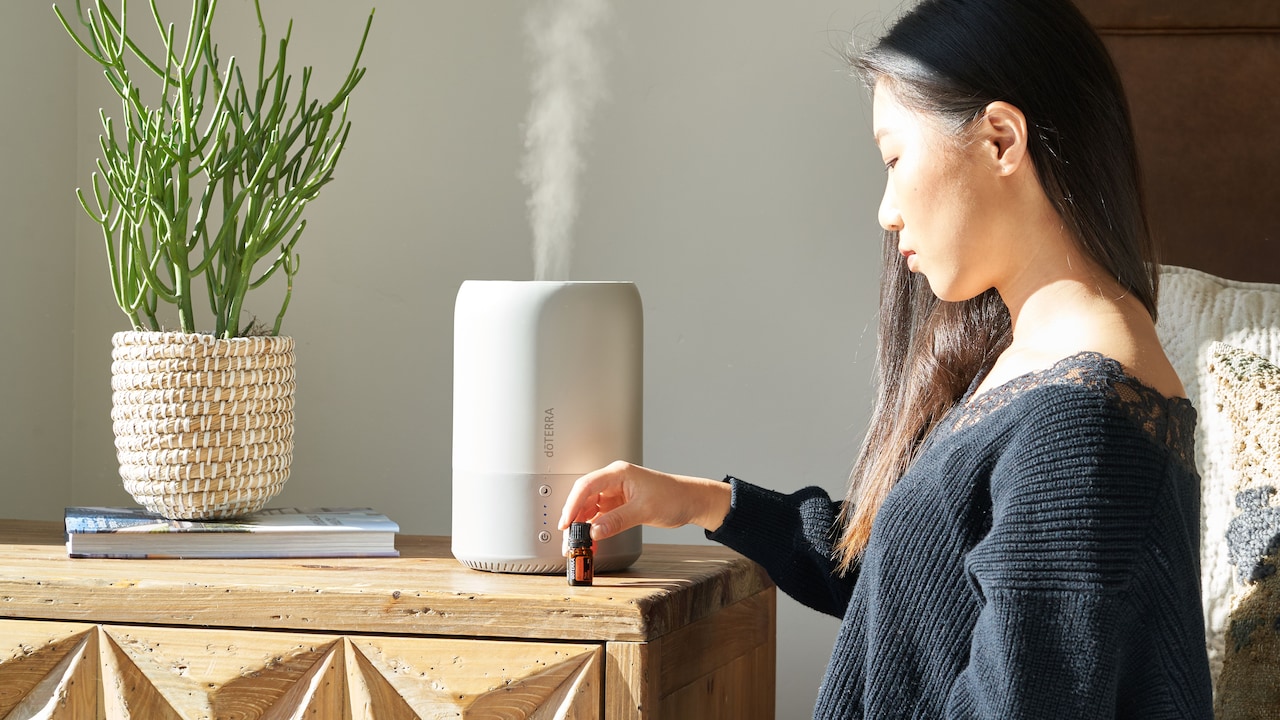
Certain essential oils may not be the right choice to use in a diffuser; Photo Credit: Pexels
6. A Bigger Diffuser Is Always More Powerful
A large diffuser can look impressive on a console table, especially beside a plant and one carefully placed coffee-table book. Size, however, tells only part of the story.
A bigger water tank mainly affects how long the diffuser can operate before needing a refill.
Mist output depends on the ultrasonic mechanism, airflow design, operating mode and overall construction. A compact, well-designed diffuser may spread fragrance through a moderate room more effectively than a larger but weaker model.
Room coverage also deserves attention.
A tiny diffuser may struggle in an open-plan living and dining area, while a high-output model may feel excessive beside the bed.
Instead of judging performance by tank size alone, look at intended coverage and mist settings.
Useful features such as intermittent mode can also make a difference. The diffuser may release mist for short intervals rather than continuously, helping the fragrance remain balanced for longer.
In other words, bigger does not automatically mean better. Sometimes it simply means fewer trips to the water filter at eleven o'clock at night.
7. The Diffuser Should Run Continuously For Maximum Benefit
Once a room starts smelling wonderful, keeping the diffuser running all day may seem tempting. Continuous use, however, does not necessarily create a better experience.
People quickly adapt to familiar smells. After spending some time in a fragranced room, the scent may seem weaker even though the diffuser continues releasing oil into the air.
That phenomenon can encourage users to add more oil or increase mist output unnecessarily.
Intermittent diffusion often works better. Many devices include settings that alternate between misting and resting. This keeps the fragrance noticeable while reducing oil consumption.
Shorter sessions also make sense in smaller spaces.
Running a diffuser briefly during an evening reading session, yoga practice or pre-bed routine may feel more enjoyable than filling the room with fragrance from morning until midnight.
There is also a practical advantage: less continuous operation means less residue and fewer refills.
Think of fragrance like background music at a café. When the volume stays pleasant, it adds atmosphere. When it plays too loudly for hours, even the loveliest tune starts testing everyone's patience.
8. Diffusers Hardly Need Cleaning
A little water goes in, a little mist comes out. Surely the inside stays clean?
Sadly, the diffuser tank does not have such magical housekeeping skills.
Essential oils can leave residue behind, particularly thicker oils or blends containing heavier aromatic compounds. Water may also leave mineral deposits depending on its quality.
Over time, this build-up can reduce mist output, alter the smell of new blends and make the diffuser look rather less serene inside than it does on the shelf.
Regular cleaning helps maintain performance.
Emptying leftover water after use prevents stale mixtures from sitting inside the tank. Gentle cleaning according to the manufacturer's instructions also keeps the ultrasonic plate free from deposits.
Ignoring the diffuser for weeks and then wondering why lavender suddenly carries notes of last month's lemongrass is surprisingly common.
Cleaning also prevents old oils from interfering with new combinations.
A diffuser does not require an elaborate Sunday cleaning ritual, but a few minutes of maintenance can keep the mist consistent and the fragrance much fresher.
9. Any Water Works Equally Well In Every Diffuser
It may seem reasonable to fill a diffuser with whatever water comes straight from the nearest tap. In many cases, the device will still work. Yet water quality can influence long-term performance.
Hard water contains minerals that may gradually leave deposits inside the tank or around the ultrasonic plate. Those deposits can reduce efficiency and create extra cleaning work.
Some manufacturers recommend clean tap water, while others suggest filtered or distilled water. The right choice depends on the model.
This is one reason reading the instruction booklet can save trouble later, even though appliance manuals have a remarkable talent for disappearing into drawers forever.
Water temperature also matters. Very hot water can damage some devices, so ordinary room-temperature water usually makes more sense unless instructions say otherwise.
The key point is simple: water is not merely a carrier for fragrance. It forms part of the diffuser's operating system.
Using appropriate water and keeping the tank clean can help maintain smoother mist and reduce stubborn mineral residue over time.
10. Expensive Diffusers Always Perform Better
A premium diffuser costing ₹5,000 may look beautiful, but price alone cannot guarantee better fragrance distribution than a carefully chosen ₹1,500 model.
Higher-priced diffusers may offer stronger materials, quieter operation, attractive finishes, larger tanks or sophisticated controls. Those features can certainly improve convenience.
Still, the most expensive option may not suit every home. Someone who wants occasional fragrance beside a work desk may not need a large designer model with ten-hour runtime and decorative lighting. A compact diffuser with reliable mist output could make far more sense.
Likewise, a cheaper model becomes poor value if it leaks, makes excessive noise or stops producing mist after a few months.
The smarter comparison focuses on build quality, tank capacity, room coverage, cleaning convenience, timer settings and safety features such as automatic shut-off.
Price matters, but suitability matters more. A diffuser should fit the room, routine and fragrance habits of the household.
After all, the best home gadget is rarely the one with the fanciest box. It is the one that quietly does its job without demanding unnecessary drama.
Products Related To This Article
1. PEEPALCOMM Buddha Electric Aroma Oil Diffuser
2. SOUL & SCENTS Soul & Scents Pack Of 2 Lavender and Jasmine Reed Diffuser
3. POOKIEMOON Pookiemoon Yellow Ceramic Electric Aroma Diffuser With Mogra & Lavender
4. The urban home Aroma Oil Diffusers
5. PEEPALCOMM Set Of 3 Marble-Printed Electric Aroma Oil Diffuser With Scented Oils
6. ESSENCIO SHOP Soapstone Aroma Oil Diffuser
7. VANN AROMAS Coffee Brown Majestic Oudh Aroma Oil With 4-Pcs Sticks
So, does more mist make a diffuser work better? Not automatically. A dramatic mist cloud may look satisfying, but good diffusion depends on much more than visible output. Room size, oil quantity, water quality, maintenance and operating time all influence how well a diffuser performs.
Many of the most common myths come from understandable assumptions. More oil sounds stronger. Bigger machines look more powerful. Fresh-smelling air feels cleaner. Continuous operation seems more effective.
In practice, moderation usually wins. A few drops of the right oil, a clean tank and a sensible mist setting can create a far more pleasant atmosphere than flooding a room with fragrance. It also helps to remember what a diffuser actually is: a device designed mainly to disperse aroma. It does not replace an air purifier, a full-sized humidifier or proper ventilation.
Used thoughtfully, though, it can become one of those small household comforts that quietly changes the mood of a room. And perhaps that is the real measure of a good diffuser. Not how much mist it produces, but how effortlessly it helps the space feel a little more inviting.
(Disclaimer: This article may include references to or features of products and services made available through affiliate marketing campaigns. NDTV Convergence Limited (“NDTV”) strives to maintain editorial independence while participating in such campaigns. NDTV does not assume responsibility for the performance or claims of any featured products or services.)