How To Pick Artificial Plants That Do Not Look Too Plastic In Photos
Choose artificial plants with matte leaves, natural colour variation, flexible stems, and realistic pots, so they look fresh, stylish and less plastic in photos.
How To Pick Artificial Plants That Do Not Look Too Plastic In Photos
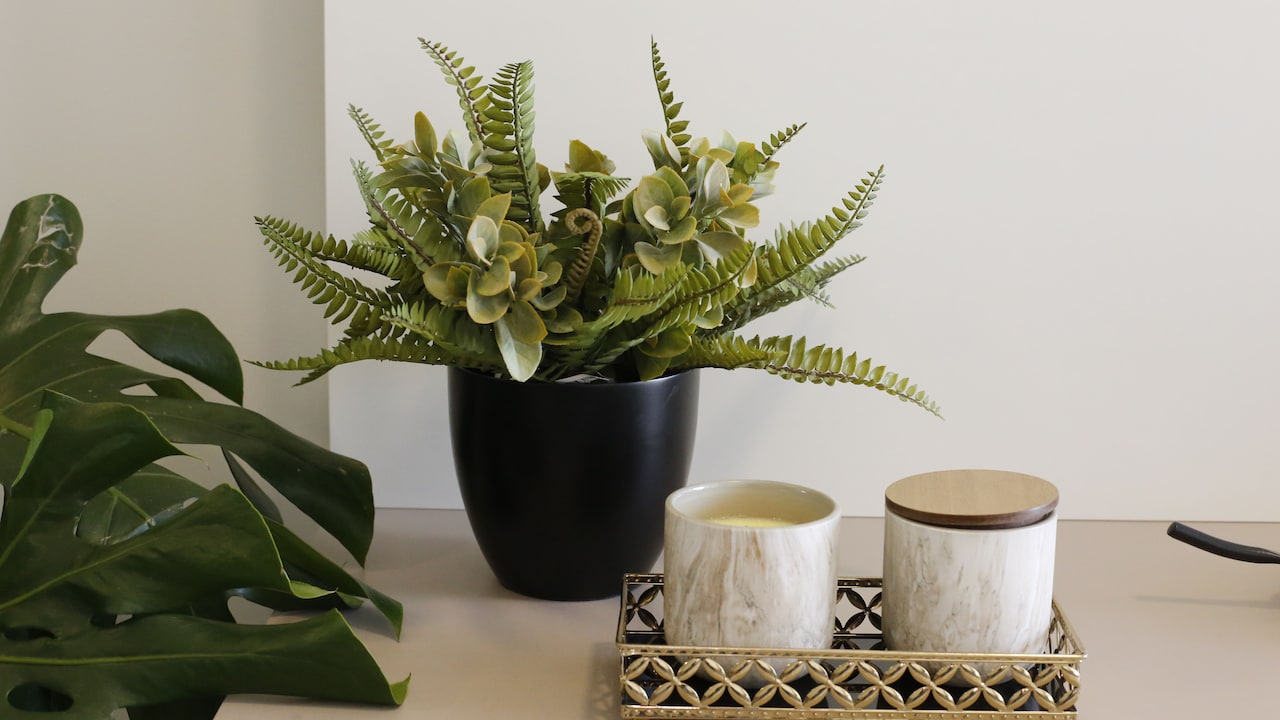
Artificial plants once had a reputation for looking like props from a school annual day stage. Bright green leaves, stiff stems, and that unmistakable plastic glow made them hard to love, especially in photographs. Thankfully, home décor has grown up. Today, faux plants can look elegant, calm, and almost real when chosen with care. Photos are less forgiving than the human eye. A plant that looks decent in a shop may suddenly look waxy under a phone camera flash. A leaf may appear too perfect. A stem may look too straight. A pot may expose the whole secret. The camera catches what everyday life ignores.
How To Pick Artificial Plants That Do Not Look Too Plastic In Photos
Photo Credit: Pexels
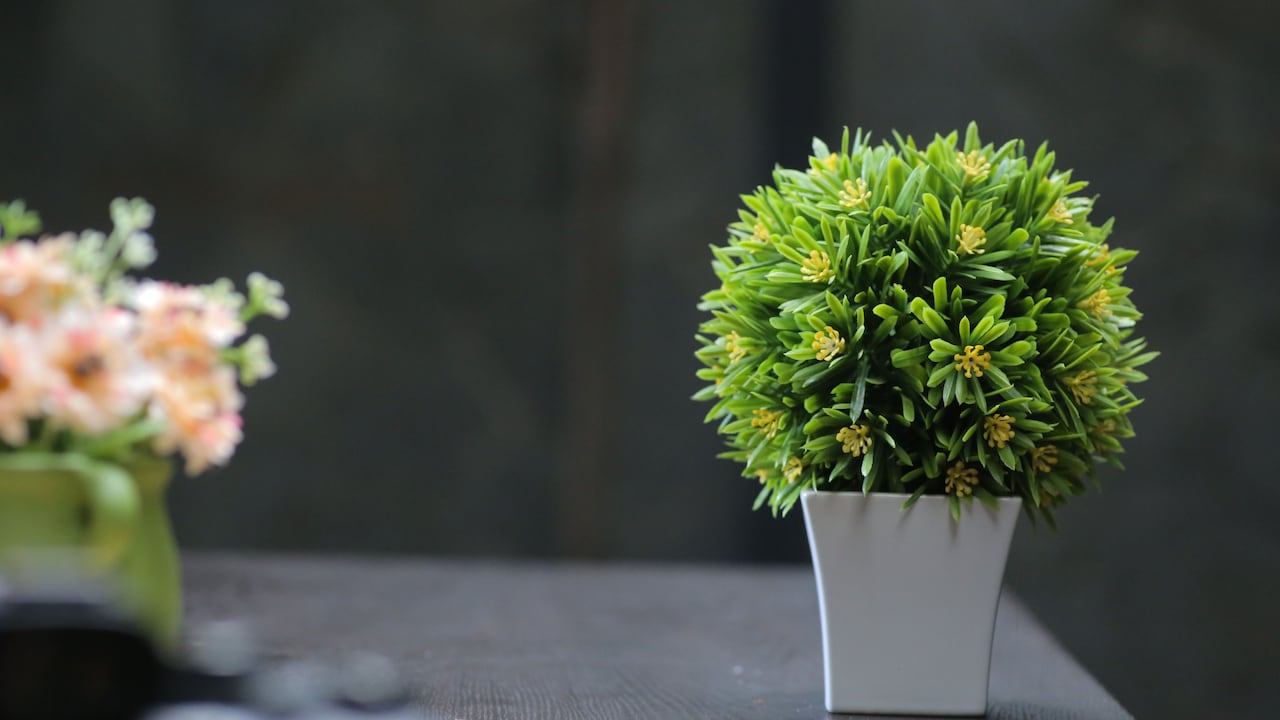
For homes where sunlight plays hide-and-seek, dust settles faster than expected, and busy schedules leave little room for plant care, artificial greenery makes sense. The key is not to buy the greenest plant in the shop. The key is to buy the most believable one.
10 Smart Ways To Choose Photo-Friendly Artificial Plants
Choose Leaves With Natural Colour Variation
Real plants rarely wear one flat shade of green. Their leaves carry tiny stories. Some have pale veins, darker edges, yellowish young leaves, or slightly faded older ones. Artificial plants that copy this unevenness look far better in photos. A plant with one solid, loud green tone often screams “plastic” the moment sunlight hits it.
Look for leaves that mix olive, bottle green, soft lime, and muted yellow in gentle ways. The variation should feel subtle, not like someone attacked the plant with a paintbrush before chai. A money plant with faint marbling, a fiddle leaf with deeper veins, or a fern with softer tips photographs beautifully.
Avoid neon green leaves. They may look cheerful in a market aisle, but cameras turn them harsh. Under tube lights or a phone flash, that colour can look cheap. Softer greens work better with common wall colours such as cream, beige, grey, terracotta, and pastel blue.
A good rule is simple: if the leaf colour looks slightly imperfect, it will probably look more natural on camera.
Avoid Leaves That Shine Too Much
Shine is the biggest giveaway. Real leaves can have a gentle sheen, especially after a wipe, but they rarely look like laminated wedding cards. Many low-cost artificial plants come with glossy leaves that bounce light straight into the camera. In photos, this creates bright white patches and makes the plant look stiff.
Choose matte or satin-finish leaves instead. They absorb light better and look softer in room photographs. This matters even more near windows, mirrors, marble floors, glossy tiles, and fairy lights. A shiny faux palm placed beside a sunny balcony door can look like it belongs in a toy shop.
When shopping, tilt the plant under light. If the leaves flash like plastic tiffin lids, move on. A mild, natural glow is fine. A mirror-like finish is not.
For existing shiny plants at home, a simple fix helps. Place them away from direct light and avoid using camera flash. A textured planter, jute basket, or ceramic pot can also draw attention away from the shine. The plant should whisper freshness, not announce its manufacturing process.
Pick Stems That Bend And Move Naturally
A realistic artificial plant needs more than pretty leaves. The stems must behave like stems. Real stems curve, lean, droop, and rise unevenly. They do not stand in identical rows like students during morning assembly.
Before buying, check whether the stems have wire inside. Bendable stems help shape the plant into a more natural form. A faux monstera with every leaf facing forward will look fake in photos. Turn a few leaves sideways, lower some stems, and let one or two lean outwards. Suddenly, the plant looks lived-in.
Trailing plants need special attention. Artificial vines that hang in straight, equal lengths look decorative but are false. Real vines tangle, overlap, and wander. Choose pieces with varied stem lengths and leaves placed at uneven gaps.
For floor plants, check the trunk or main stalk. A bamboo, areca palm, or a ficus with a flat plastic trunk can spoil the entire look. Wrapped, textured, or bark-like stems photograph much better. A plant with movement feels relaxed. A plant with perfect symmetry feels suspicious.
Also Read: What Are The Best Indoor Plants That Thrive During Indian Monsoon
Look Closely At Leaf Shape And Edges
The camera loves details. Leaf edges, tips, veins, and cuts all matter. Cheap artificial plants often have thick, blunt leaf edges. Some leaves also show mould lines or rough plastic seams. These small flaws become obvious in close-up photos, especially in home décor shots, food photos, or festive table pictures.
Choose leaves with thinner edges and clear shapes. If the plant copies a known variety, such as monstera, banana plant, eucalyptus, fern, or rubber plant, compare it mentally with the real version. A monstera should have natural-looking splits. A fern should feel delicate. A rubber plant should have broad, confident leaves, not floppy paper-like ones.
Fabric leaves can look soft, but poor-quality fabric may fray at the edges. Plastic leaves can last longer, but thick plastic looks toy-like. The best option often sits somewhere in between, with flexible material and fine detailing.
Run fingers gently over a leaf. It should not feel like a hard spoon. In photos, softness often begins with touch.
Choose A Realistic Size For The Space
Scale can make or break the illusion. A tiny artificial palm in a large living room corner looks lonely and staged. A huge faux fiddle leaf beside a narrow shoe rack can look dramatic for all the wrong reasons. Real plants grow in relation to their surroundings, so artificial ones need the same visual logic.
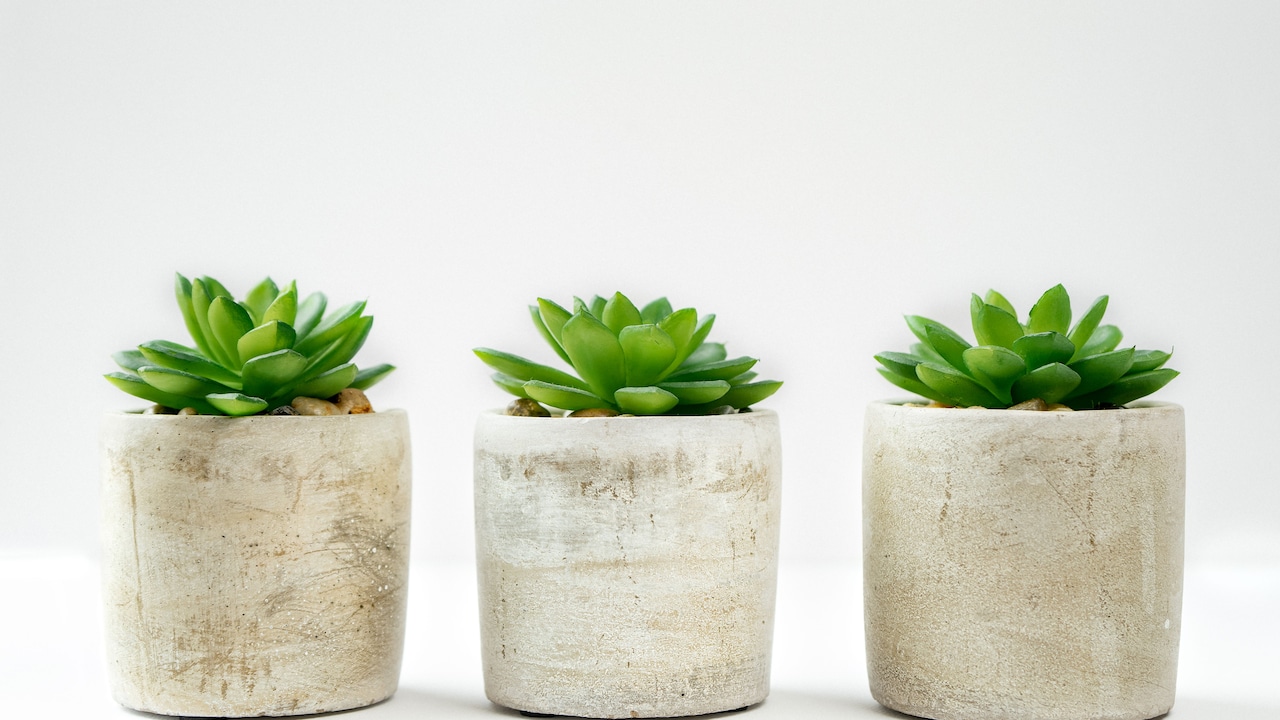
For a centre table, small potted succulents, eucalyptus bunches, or compact ferns work well. For a TV unit, choose medium plants that do not block the screen or compete with family photos. For empty corners, taller palms, ficus trees, or bird-of-paradise styles create height without clutter.
In photographs, plants should support the frame, not dominate it. A plant taller than a door frame may look odd unless the room has generous height. A plant too small for its pot also looks fake.
Think of proportion before price. A ₹600 plant in the right size can look better than a ₹3,000 one squeezed into the wrong corner. Good styling starts with sensible sizing.
Pay Attention To The Planter
The pot often exposes the truth faster than the leaves. A realistic plant placed in a flimsy plastic nursery pot rarely looks premium in photos. Even a beautiful faux plant can lose charm when the base looks unfinished.
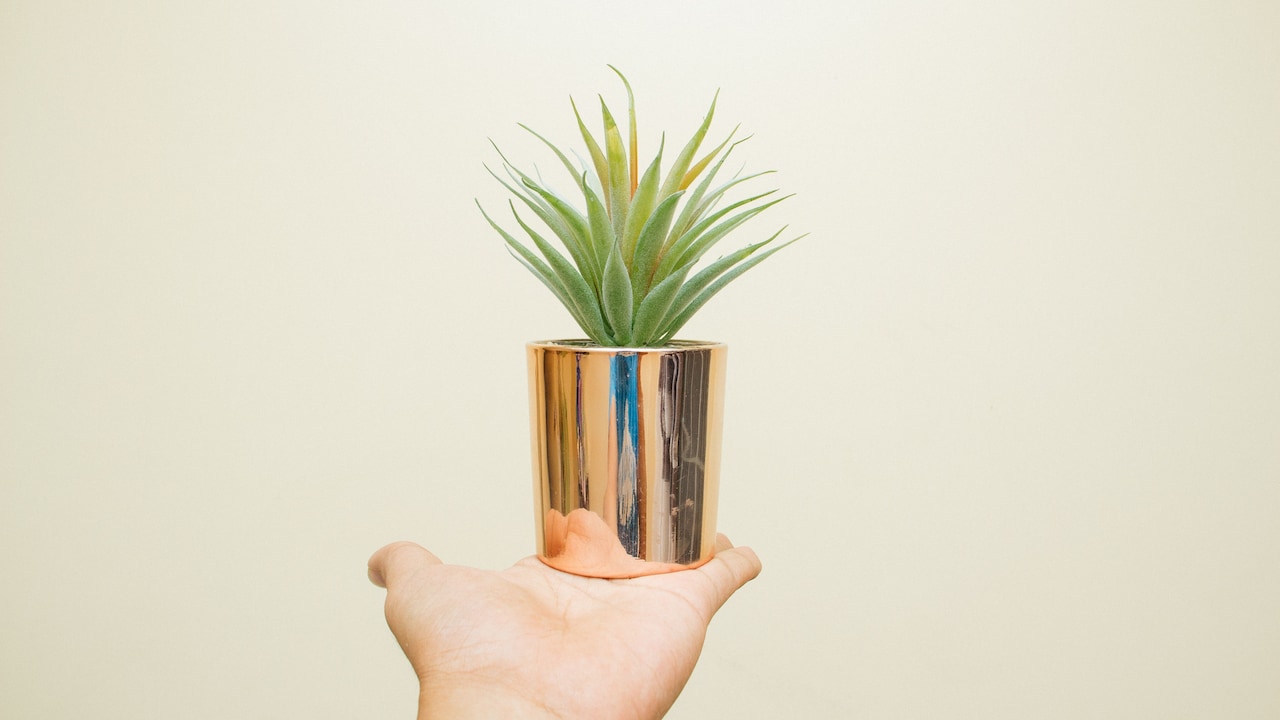
Swap basic pots for ceramic, terracotta, metal, concrete, cane, or woven baskets. These textures photograph well and suit many homes, from compact flats to larger family spaces. A matte white ceramic pot looks clean and modern. Terracotta brings warmth. Cane and jute add a relaxed, homely feel.
Also, check the fake soil. Some artificial plants come with shiny black pebbles or visible glue. Cover the base with real pebbles, coco chips, moss, or decorative gravel. This one small trick can make a huge difference.
The pot should feel heavier than expected. Lightweight pots tip over easily and look temporary. A solid planter tells the eye that the plant belongs there. In photographs, that confidence matters.
How To Pick Artificial Plants That Do Not Look Too Plastic In Photos
Photo Credit: Pexels
Stay Away From Overly Perfect Arrangements
Nature has a lovely habit of being slightly messy. Artificial plants that look too neat often feel fake. Every leaf facing the same direction, every stem at the same height, every flower in full bloom; this level of perfection rarely happens outside a showroom.
Choose plants with asymmetry. One side can look fuller. A few leaves can bend lower. Some leaves can overlap. A couple of stems can point away from the main cluster. These small irregularities make the plant look more relaxed in photos.
When styling at home, do not keep the plant exactly as it arrived. Open the branches, twist the leaves, and create gaps. A plant needs breathing space. It should not look like it came straight out of a delivery box five minutes before guests arrived.
This matters during festive décor too. When plants sit near diyas, fairy lights, cushions, or brass lamps, a little natural disorder keeps the frame warm. Too much perfection feels like a catalogue. A little imperfection feels like home.
Match The Plant To The Lighting
Lighting decides whether an artificial plant looks elegant or plastic. Harsh white light can make faux leaves look flat. Warm light can soften them. Natural daylight works best, but direct sun may reveal shine, seams, and dust.
Place artificial plants where real plants could possibly survive. A faux fern in a bathroom corner looks believable if the space feels humid and softly lit. A large palm near a window makes visual sense. A plant in a completely dark passage may still look decorative, but in photos it may feel staged.
For phone photography, avoid using flash. Move the plant near indirect daylight instead. Morning light near a balcony or window gives leaves a gentle glow. Evening warm lamps can also create a cosy look, especially with matte leaves.
Think about shadows too. Real plants cast uneven, delicate shadows. Bend the stems so the plant does the same. Good light forgives many flaws. Bad light turns even decent faux greenery into plastic evidence.
Mix Artificial Plants With Real Elements
A clever way to make artificial plants look real is to place them near natural materials. Wood, cotton, linen, cane, clay, stone, brass, and books all help soften the look. The plant then becomes part of a believable setting rather than a lonely fake object.
A faux money plant trailing from a wooden shelf looks more convincing beside old novels, a clay diya, and a framed family photo. A tall artificial palm feels warmer near a cane chair and cotton cushion. A small faux succulent looks better on a desk with a ceramic mug than beside shiny plastic organisers.
Fresh elements also help. A bowl of fruit, fresh flowers in another corner, or even real herbs near a kitchen window can make artificial greenery blend in. The eye reads the whole scene, not just the plant.
Avoid placing many fake plants together in one tight cluster. That can look like a shop display. Mix heights, textures, and materials. Let the greenery support daily life, not overpower it.
Check How It Looks Through Your Camera
The final test should always happen through a camera. A plant may look lovely in person and strange in photos. Before removing tags or buying multiple pieces, take a quick phone photo in the shop if possible. At home, photograph it in the spot where it will stay.
Zoom in on the leaves. Check for glare, rough edges, visible wires, plastic seams, and fake soil. Look at the colour. If it appears too bright or too blue-green, it may not suit your décor. Try moving it a little. Sometimes a plant only needs a new angle to look natural.
Use portrait mode carefully. It can blur leaves oddly and make the plant look like a background prop. Normal camera mode in soft daylight often gives a truer result.
Also check how the plant looks in common photo moments: a birthday cake on the table, a festive corner, a work-from-home desk, or a new cushion cover shot. A good artificial plant should make these pictures feel fresher without stealing attention.
How To Pick Artificial Plants That Do Not Look Too Plastic In Photos
Photo Credit: Pexels
Products Related To This Article
1. ABOUT SPACE 4ft Olive Tree with 580 Leaves & 20 Olives
2. ARICK DECOR 6Ft Artificial Fiddle Leaf Fig Tree in Pot
3. WYTE ORIGIN Artificial Potted Plants Green Artificial Plastic Eucalyptus Plants Small Indoor Potted Houseplants
4. Dekorly Artificial Potted Plants
5. Dekorly Plastic Artificial Palm Plants Leaves Faux Turtle Leaf Fake Monstera Tropical Large Palm Tree Leaves Outdoor Leaf Decorations
6. VRB Dec 1 Pcs (5 FT) Artificial Plants with Pot Plants Leaves Tree Tropical Bougainvillea Faux Areca Plants
7. fancymart Pack of 2 Artificial Vine Plants with Small Pot
Artificial plants do not need to fool a botanist. They only need to bring softness, colour, and calm into a space without looking painfully plastic in photos. The best ones avoid loud shine, flat colour, stiff stems, and cheap pots. They carry small imperfections, gentle movement, and a sense of quiet ease.
Good faux greenery works because it understands the room. It suits the light, respects the scale, and blends with real textures. A thoughtfully chosen plant can make a rented flat feel warmer, a work desk less dull, and a festive corner more inviting.
The secret is not to chase the most dramatic plant. Choose the one that looks like it has been living there peacefully for months. When a guest notices the room before noticing the plant, and a photo looks fresh without shouting “new décor purchase”, the choice has worked beautifully.
(Disclaimer: This article may include references to or features of products and services made available through affiliate marketing campaigns. NDTV Convergence Limited (“NDTV”) strives to maintain editorial independence while participating in such campaigns. NDTV does not assume responsibility for the performance or claims of any featured products or services.)