
Why Do My Walls Keep Getting Damp Patches Near The Ceiling
Damp patches near the ceiling keep coming back even after you paint them, especially in the monsoon. Here's what actually causes them and how you can fix them.
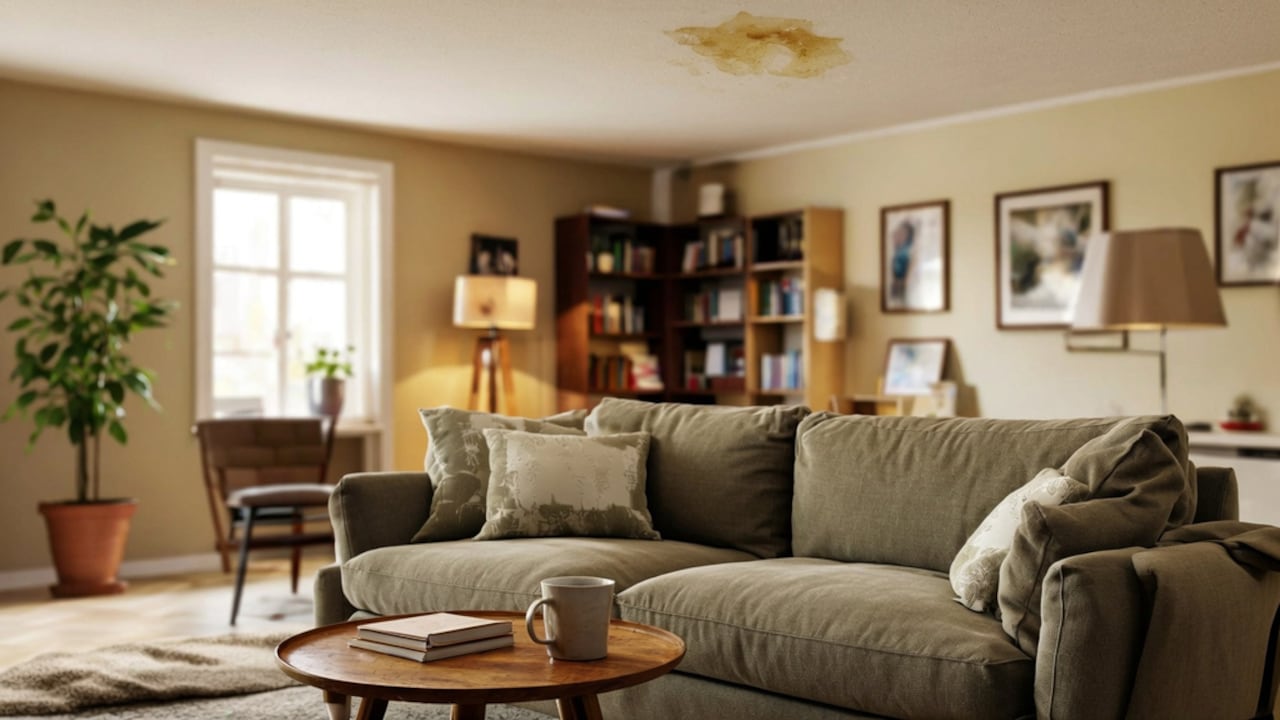
Why Do My Walls Keep Getting Damp Patches Near The Ceiling
Monsoon hits homes hard every year, and one of the first signs is usually that yellowish-brown patch creeping in near the ceiling. You paint over it; it looks fine for a few months, then it's back again like nothing happened. Frustrating, right? Most people assume it's just an "old building problem" and leave it at that. But there's almost always a specific reason behind it, and once you know what's causing it, fixing it becomes a lot less confusing.
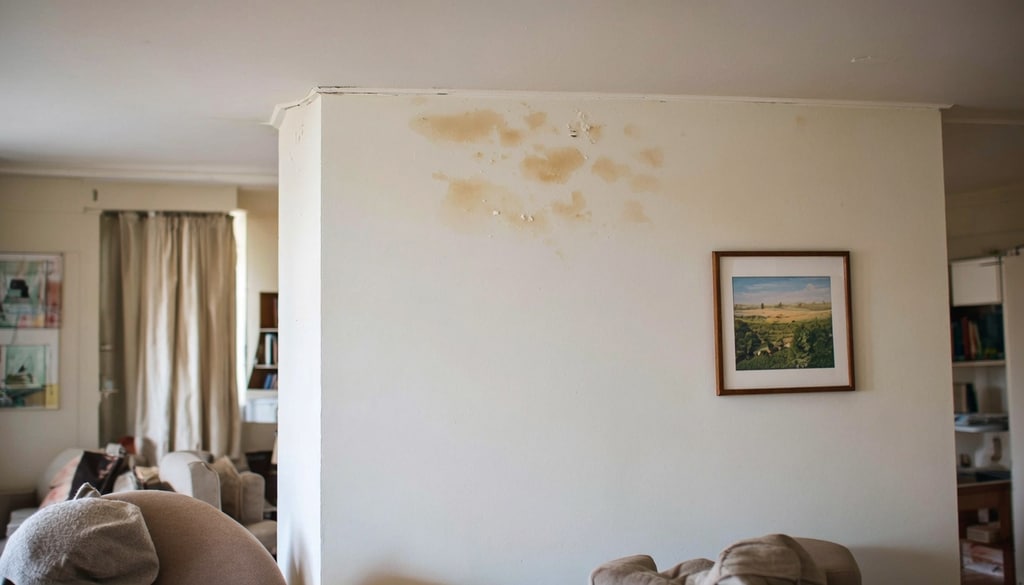
Discover why damp patches reappear through new paint and get permanent solutions for your home.
Photo Credit: iStock
This article breaks down the actual causes, room by room, and also looks at what products can genuinely help once you've identified the source. Because a damp patch near the ceiling isn't really about paint quality most of the time. It's about where water is getting in from and how long it's been sitting there unnoticed.
What Causes Damp Patches Near The Ceiling In The First Place
There isn't one single reason. Ceilings develop damp patches for a handful of different reasons, and sometimes more than one is happening together.
1. Water Seeping From The Terrace Above
If you live on the top floor, this is usually suspect number one. Cracks in the terrace waterproofing layer let rainwater travel down through the slab, and it shows up as a stain right below.
2. Leaking Or Corroded Pipes Inside The Wall
Bathrooms and kitchens often have plumbing lines running through walls or above false ceilings. A slow leak here can take weeks to show visible signs, and by the time you see the patch, water has already been sitting there a while.
3. Poor Ventilation Trapping Moisture
Bad ventilation in some rooms allows the formation of condensation in that space. In the case of bathrooms, the moisture from the condensation collects near the corners of the ceilings in the area because there is the least ventilation in that area.
4. Old Or Cracked External Walls
External-facing walls with hairline cracks let rainwater seep in slowly during heavy showers. This is common in older buildings where the exterior plaster hasn't been redone in years.
Signs That Tell You Which Cause You're Dealing With
You don't need an expert visit for every single patch. Some basic observations can point you in the right direction.
1. Check If The Patch Grows After Rain
Usually, if you notice a stain becoming darker or larger, especially after rainfall, it is definitely an external water seepage. Either through the terrace or through cracks in the exterior walls.
2. Look For A Musty Smell Along With It
If you see the stain coming along with an odour of moisture, this is an indicator that there is stagnant moisture behind the wall. This is a sure sign that the cause is plumbing-related.
3. Notice If It's Directly Below A Bathroom Or Kitchen
Patches that show up right under or beside a bathroom wall are very often linked to pipe leaks, since that's where most water lines run.
Once you've narrowed down the likely cause, the next part is actually addressing it, not just painting over the surface.
How To Fix Damp Patches Before They Come Back
Painting over a fresh patch feels like a fix, but honestly, it rarely lasts. The moisture underneath needs to be dealt with first.
1. Get The Source Sealed First
Whether it's a terrace crack or a pipe joint, this has to be sealed or repaired before anything else. Skipping this step means the patch will just return in a few months, usually looking worse.
2. Let The Wall Dry Out Completely
This part gets ignored a lot. A wall needs proper drying time, sometimes a couple of weeks in humid weather, before repainting. Painting over a damp surface just traps the moisture inside, and the patch resurfaces faster.
3. Use A Waterproof Primer Before Repainting
A regular wall putty and paint combo won't hold up against moisture on its own. A waterproofing primer coat underneath gives the paint an actual barrier instead of just a cosmetic cover.
A small budget for this kind of repair usually works out cheaper than repeating it every monsoon, so it's worth doing right the first time.
Preventing Damp Patches From Coming Back Every Year
Fixing it once is good, but Indian weather tends to test walls every single year. A bit of prevention goes a long way here.
1. Get Terrace Waterproofing Checked Annually
Terrace waterproofing layers wear down faster than people expect, especially with direct sun exposure during the summer. A quick check before the monsoon can catch small cracks before they turn into ceiling stains.
2. Improve Ventilation In Damp-Prone Rooms
Exhaust fans in bathrooms, and keeping windows open when possible, genuinely reduce the kind of moisture buildup that leads to patches near ceilings over time.
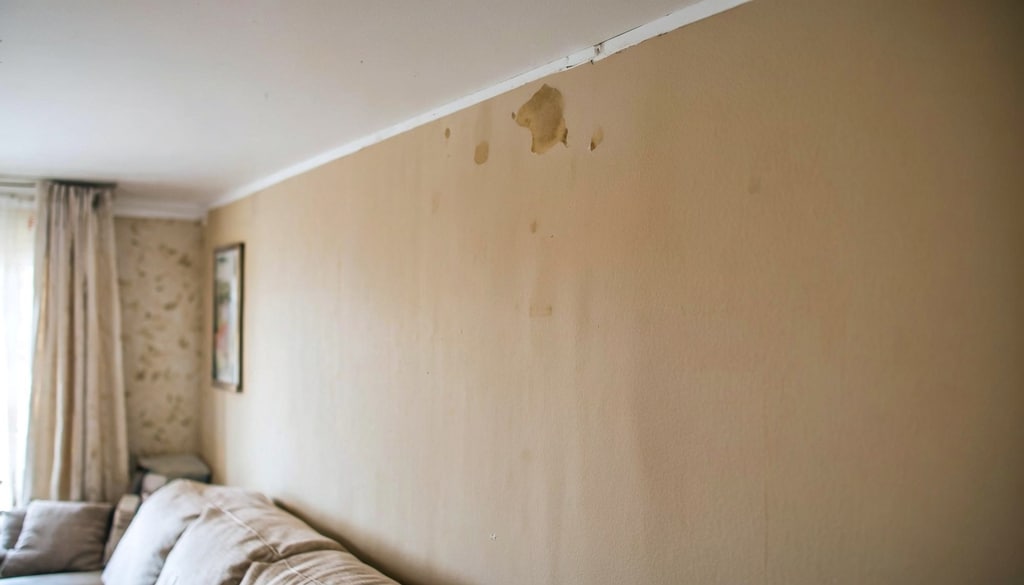
Stop persistent rainy season ceiling leaks with these effective repair methods and preventative maintenance tips.
Photo Credit: iStock
Some Damp-Proofing Products You May Like
1. Asian Paints SmartCare Damp Proof White Waterproof Coating
2. Dr Fixit Pidiproof LW+ Waterproofing Compound
3. BERGER HomeShield Dampstop Elasto Waterproofing Membrane Damp-Proof Basecoat
4. Nerolac Perma NoDamp Fibre Reinforced Waterproof Coating
5. UNITY BRAND Crack Seal Transparent Waterproof Resin Epoxy for Roof Leakage
6. Fidrox Transparent Waterproof Glue for Roof Leakage
7. DR FIXIT Roofseal Classic Waterproofing Solution for Homes, Terraces, Roofs
8. Asian Paint Smart Care Damp Sheath Interior Waterproofing Primer
In conclusion, damp patches near the ceiling are often a warning sign that something isn't quite right, whether it's a leaking roof, poor waterproofing, plumbing issues, or excess indoor moisture. Ignoring these patches can lead to peeling paint, mold growth, unpleasant odors, and even structural damage over time. The key is to identify the root cause early and address it promptly rather than simply covering up the stains. With timely repairs, proper ventilation, and regular home maintenance, you can prevent recurring dampness and keep your walls dry, healthy, and looking their best for years to come.
Frequently Asked Questions (FAQs)
1. Can I just repaint over a damp patch without fixing the leak?
You can. But you shouldn't. The moisture in the damp patch needs to be fixed in order to make the effect of painting last longer.
2. How long does it take for a damp wall to dry completely?
Anywhere between a few days to two to three weeks, depending upon the humidity and the extent of the leak.
3. Is damp on ceilings dangerous for health?
Prolonged exposure to dampness is bad for health because it leads to mould growth, which may cause respiratory problems.
4. Does damp-proofing paint work on old buildings too?
Yes, most damp-proof coating products work fine with older plaster.
5. Why does the damp patch only appear during the monsoon?
Because the cause of the same is external sources like terrace seepage/wall cracks.
(Disclaimer: This article may include references to or features of products and services made available through affiliate marketing campaigns. NDTV Convergence Limited (“NDTV”) strives to maintain editorial independence while participating in such campaigns. NDTV does not assume responsibility for the performance or claims of any featured products or services.)