Drill Machine Vs Screwdriver Set: What Does A Beginner Actually Need
Trapped in the classic drill vs. screwdriver dilemma? Let's break down exactly what your home toolbox actually needs and how to pick the perfect gear.
How to choose between drill machine vs screwdriver set for beginners
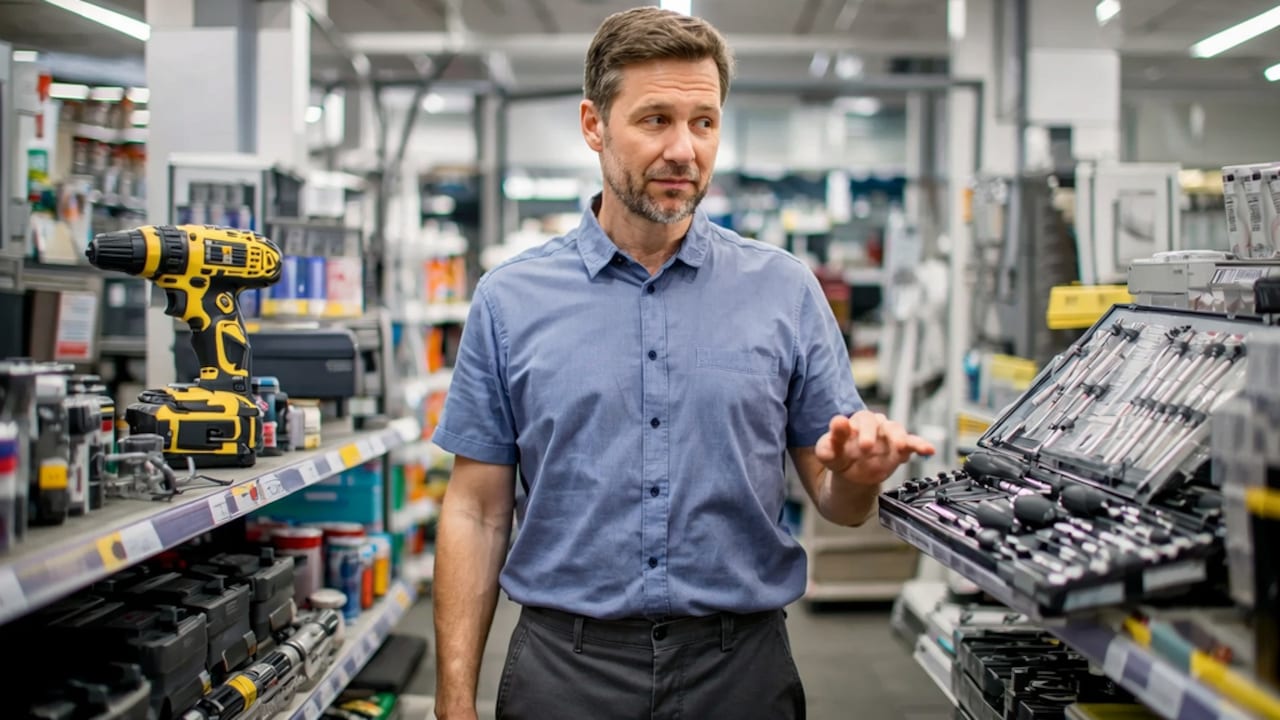
Imagine you've just unpacked a brand-new flat-pack bookshelf, or maybe you're finally fed up with that annoying, loose cabinet handle in the kitchen. Suddenly, it hits you: your toolbox is completely bare. This is the exact moment most folks find themselves staring down a classic homeowner dilemma: do I actually need to drop cash on a power drill, or will a humble screwdriver set get the job done? On the surface, they seem to cover the exact same territory. They both twist screws into place, and they're always sitting right next to each other in the hardware aisle.

Ditch the toolbox confusion and learn how to choose the right gear for your project.
Photo Credit: iStock
But pulling the trigger on the wrong one can easily leave your wallet lighter and your DIY projects stuck in limbo. Here's the truth: if you're just starting out, you don't need a massive, industrial-grade setup. By getting a clear picture of what each tool actually excels at, you can buy exactly what you need without throwing hard-earned money down the drain.
Also Read: 10 Essential Kitchen Tools Under ₹500 to Simplify Your Daily Cooking - Ensure Smart Savings
Why Are A Drill Machine And Screwdriver Set Not The Same?
While both of these tools spend their lives spinning fasteners, they are built for entirely different leagues. A manual screwdriver set is engineered for pure precision, giving you total control when tightening or backing out screws. A drill machine, on the other hand, is a powerhouse designed to blast clean holes through tough materials, though it can also double as a high-speed screwdriver when you pop in the right bit.
This difference is way more important than most first-time buyers think. If your weekend plans consist of assembling Swedish furniture, tightening loose hinges, or fixing a battery cover on a toy, a solid manual screwdriver set is honestly all you'll ever need. But the moment your vision involves mounting heavy floating shelves, setting up a flat-screen TV on the wall, or anchoring curtain rods into solid drywall, a drill machine transitions from a luxury to an absolute necessity.
Ultimately, it's all about mapping the tool to the realistic chore list in front of you, rather than just grabbing the loudest, heaviest power tool on the shelf.
How To Decide Between A Drill Machine And A Screwdriver Set?
Step 1: Map Out Your Actual To-Do List
Take a second to think about the projects on your horizon. If your immediate future just involves unboxing furniture, tweaking cupboard doors, or opening up electronics, a standard manual kit will handle those everyday tasks seamlessly without driving up the complexity.
Step 2: Figure Out If You're Making Holes From Scratch
Are you planning to hang heavy mirrors, secure curtain brackets, or mount storage cubbies? Real wall mounting requires drilling pilot holes into your plaster or masonry. A manual screwdriver simply cannot force its way through a wall, making a power drill the only practical choice here.
Step 3: Be Honest About Your Comfort Level
For absolute beginners, a screwdriver set is completely stress-free. There are zero batteries to charge, no confusing clutch settings to fiddle with, and no safety hazards to worry about. Power drills introduce variables like variable speed triggers, specific chuck configurations, and torque settings that require a bit of a learning curve.
Step 4: Run the Numbers on Your Budget
A premium, long-lasting screwdriver set will cost you a fraction of the price of a decent power drill. If you are trying to piece together a starter kit on a budget, kicking things off with high-quality hand tools gives you the most bang for your buck.
Step 5: Look At Your Long-Term DIY Goals
Are you hoping to dive deeper into woodworking, room makeovers, or regular home upgrades down the road? If you see yourself catching the DIY bug, investing in a reliable power drill early on will save you massive amounts of sweat and time as your projects scale up.
Common Mistakes Beginners Make When Buying Tools
It's incredibly easy for beginners to assume that a power drill is just an automatic upgrade that renders hand tools obsolete. In reality, buying way more power than a job demands is a fast track to stripping screws and leaving an expensive tool to gather dust.
1. Blasting Through Easy Furniture Assembly:
Most flat-pack furniture is made of soft particleboard. Using a high-powered drill on these pieces often over-tightens the hardware, cracks the wood, and ruins the finish. A simple hand tool gives you the exact feel you need.
2. Overlooking Weight and Ergonomics:
A massive, industrial-grade corded drill can feel like a lead weight after twenty minutes of holding it over your head. If a tool feels awkward or heavy in your hands at the store, it's going to be a nightmare to use at home.
3. Grabbing the Absolute Cheapest Bargain Bin Option:
Ultra-cheap tools are a trap. Soft metal screwdriver tips will round off on your very first stubborn screw, leaving you frustrated with ruined hardware and a useless tool.
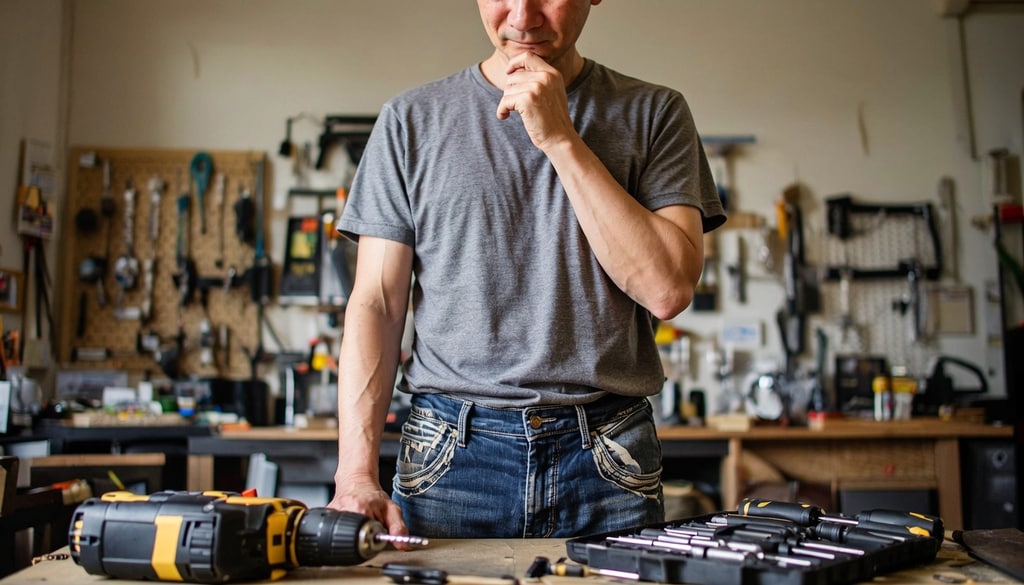
Stop guessing between drills and screwdrivers and pick the perfect tool for your home.
Photo Credit: iStock
Some Drill Machines And Screwdriver Sets You May Like
1. BOSCH GSB 600 Impact Drill Machine for Home
2. IBELL Impact Drill ID13-75, 650W, Copper Armature
3. Enon 12V Cordless Drill Machine for Home Use
4. BUILDSKILL 400W Electric Drill Machine
5. AmazonBasics 51-Piece Precision Screwdriver Bit Set
6. IBELL IBL ES36-15 Cordless Screwdriver 1500 mAH
7. HOUSERAN Insulated Screwdriver Set with Case, HOUSERAN 8-Piece
8. AGARO 151Pcs Screwdriver & Bit Set
Frequently Asked Questions (FAQs)
1. Should a beginner buy a drill machine or a screwdriver set first?
For most people just starting out, a screwdriver set is the ideal first purchase; it covers the vast majority of everyday household fixes and even furniture setups without that steep learning curve.
2. Can a drill machine completely replace a manual screwdriver set?
Not really. Even if power drills can drive screws using bits, a manual screwdriver still gives you much better control; it fits into tight corners where a bulky drill can't reach, and it helps stop you from accidentally damaging delicate materials.
3. Is a cordless drill a good option for someone with zero experience?
Yes, definitely. Cordless drills are super easy to use because you don't have to deal with a trailing extension cord. They're usually light, very portable, and fine for those quick household repairs you do in between everything else.
4. What is the biggest perk of sticking to a screwdriver set?
It's pure simplicity. No dead batteries, no complicated power settings, and you don't have to hunt for an electrical outlet either. It's basically ready the moment you pull it out of the drawer, and you get going.
5. How many years will a decent drill machine last?
If you choose a trusted, reputable brand and you treat it properly, a quality drill made for home DIY can last you easily for ten years or even longer.
(Disclaimer: This article may include references to or features of products and services made available through affiliate marketing campaigns. NDTV Convergence Limited (“NDTV”) strives to maintain editorial independence while participating in such campaigns. NDTV does not assume responsibility for the performance or claims of any featured products or services.)