10 Reasons Yoga Mats Curl At The Edges And How To Make Them Lie Flat Again
A yoga mat that curls at the edges can interrupt balance, catch your toes and make floor exercises frustrating. From tight rolling to heat and moisture, here’s what causes curled mats and how to flatten them safely.
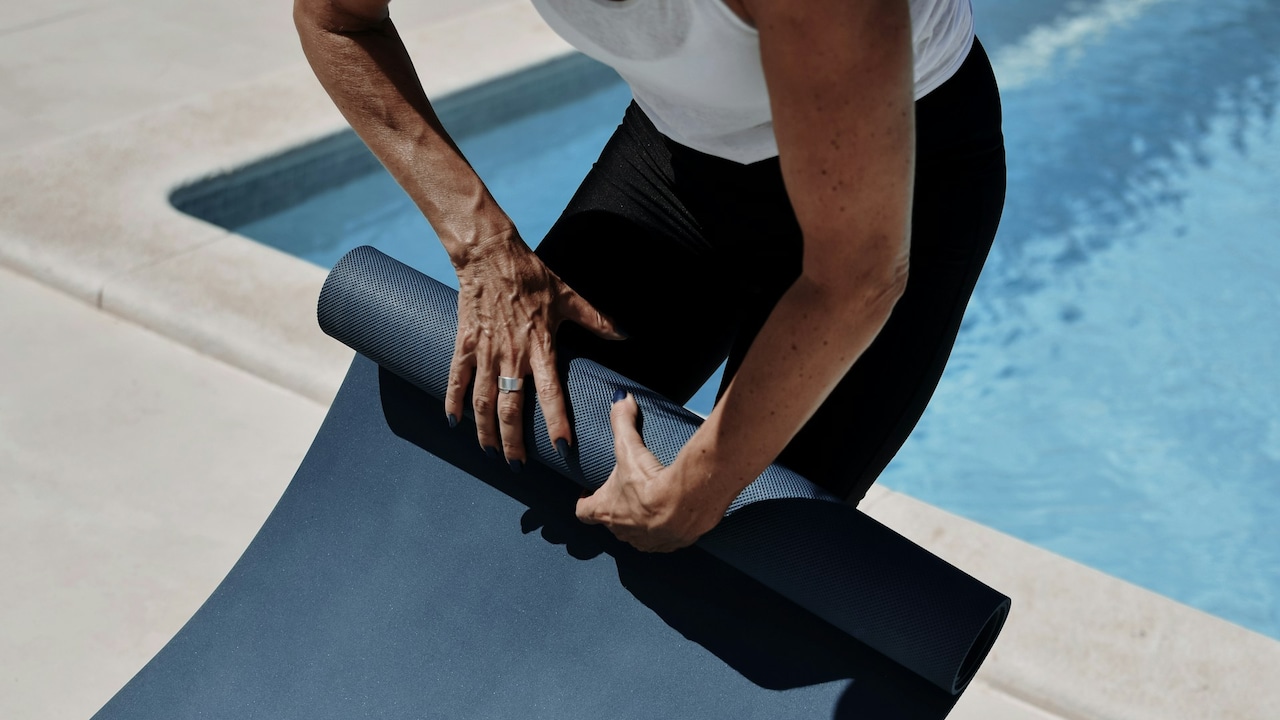
Common causes of yoga mats curling at the edges
A yoga mat should stay quietly underfoot while you move through a workout. Yet some mats seem determined to participate. One corner rises during a downward-facing dog, another rolls towards your ankle during lunges, and before long, half the session involves kicking the edges back into place. Curling doesn't necessarily mean the mat has reached the end of its life. How you roll, store, clean and even position it can gradually change the way the material sits on the floor. PVC, TPE, natural rubber and other common mat materials also react differently to pressure, temperature and moisture. The frustrating part is that a curled edge can become more than a cosmetic problem. A lifted corner can catch your foot during a transition or make standing poses feel less stable. Fortunately, many cases can improve without buying another mat. Understanding what caused the curl makes it much easier to choose a fix that won't damage the surface.
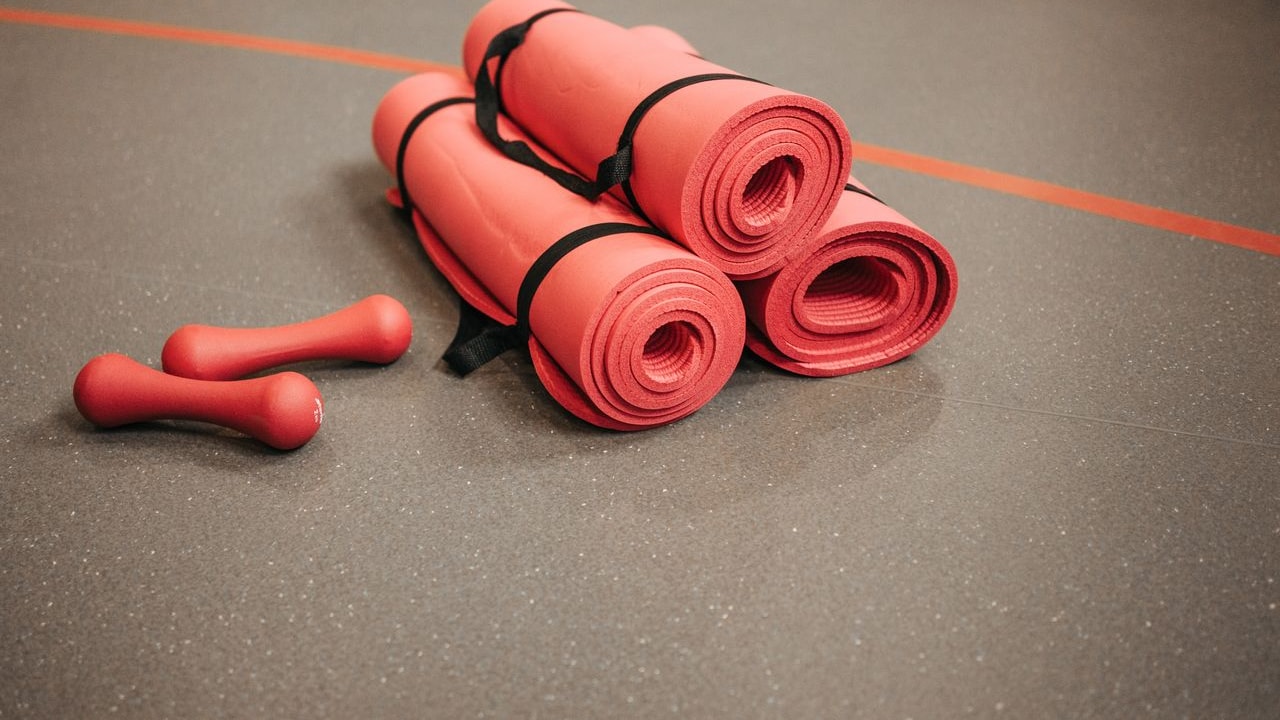
Why do yoga mats curl at the edges
Photo Credit: Pexels
Why Your Yoga Mat Refuses To Stay Flat
1. You Always Roll The Mat In The Same Direction
Habit often creates the problem. Finish a workout, roll the mat from the same end, tuck it away and repeat the routine several times a week. Over time, the mat starts remembering that curved position.
The inner end of the roll usually develops the strongest curl because it wraps around the smallest radius. Once you unroll it, that section may stubbornly lift away from the floor. Thicker mats can show this problem more noticeably because their material resists changing shape quickly.
Try changing your rolling direction regularly rather than making the same end the centre every time. You can also reverse-roll the curled section for a short period after your workout. Keep the roll loose rather than winding it like a tightly packed poster.
Another useful habit is occasionally storing the mat flat for a few hours. Even spreading it beneath a bed or across a clean floor between sessions can help relax the material.
Think of it as giving the mat a chance to forget its favourite curled-up sleeping position.
2. You Roll The Mat Too Tightly After Every Workout
A neat, compact roll looks convenient, especially when storage space is limited. Unfortunately, squeezing a yoga mat into the smallest possible cylinder can encourage the edges to curl.
The tighter the roll, the more sharply the material bends. Keep it that way for several days and the mat can begin holding the curve when you open it again. This often affects lightweight mats and those made from flexible foam-based materials.
Try making the roll slightly wider. You don't need to leave the mat practically unrolled across the room; simply avoid pulling it tight with every turn. A relaxed roll places less stress on the ends.
Straps can contribute to the problem too. If you use one, secure it just firmly enough to prevent the mat from opening. There's no need to cinch it down like luggage on the roof of a car.
For a mat that already curls, roll it gently in the opposite direction and leave it that way briefly. Then spread it flat. Repeating this occasionally can reduce the mat's tendency to spring upwards.
Also Read: Pastel Perfection: 5 Beautiful Water Bottles And Tumblers That Will Motivate You To Stay Hydrated
3. The Mat Stays Rolled Up For Too Long
Sometimes the culprit isn't how you roll the mat but how long it stays that way.
A mat used once every few weeks might spend far more time rolled than flat. The material gradually adapts to storage rather than the position in which you actually use it. When workout day arrives, the mat behaves like a stubborn scroll.
If your mat sees occasional use, unroll it periodically rather than leaving it packed away for months. Letting it lie flat overnight before a planned session can make a noticeable difference.
For immediate flattening, spread the mat on a clean, level surface and place a few broad, lightweight objects near the curling areas. Large books can work, but avoid sharp corners or concentrated weight that might leave impressions in softer foam.
Leave the mat alone for several hours rather than repeatedly bending the corners by hand. Slow, even pressure generally works better than aggressively forcing the material flat.
Regular use also helps. A mat that spends more time stretched across the floor often settles more naturally than one living permanently behind a cupboard door.
4. Heat Has Changed The Shape Of The Material
Yoga mats don't always enjoy extreme heat as much as their owners might.
Leaving a mat near a sunny window, inside a hot car or beside a heater can affect flexible materials. Heat may soften the mat temporarily, allowing sections to bend or distort. Once the material cools, those curves can remain.
Direct sunlight can also contribute to fading, drying or deterioration in certain materials, particularly natural rubber. So placing a troublesome mat under intense afternoon sun isn't necessarily a clever shortcut for flattening it.
Instead, bring the mat into a comfortable indoor environment and let it return to normal room temperature. Lay it flat and give the material several hours to settle naturally.
If the corners remain curved, gently reverse-roll the affected end for a short period before opening it again.
Prevention matters here. Store the mat away from windows that receive strong direct sunlight and avoid places that experience dramatic temperature swings.
A cupboard or open shelf in a reasonably cool room usually makes a much happier home than the boot of a parked car on a scorching afternoon.
5. Moisture Has Collected Inside The Rolled Mat
After a sweaty session, rolling the mat immediately can trap moisture between its layers. A generous spray of cleaner can create the same problem if you pack the mat away before it dries.
Moisture itself doesn't make every yoga mat curl, but repeated damp storage can influence how certain materials behave. It may also create unpleasant smells and provide conditions that allow mildew to develop.
After cleaning the mat, spread it out until both sides feel completely dry. Pay attention to textured surfaces because moisture can hide inside small grooves even when the mat looks dry at first glance.
The same rule applies after a particularly sweaty workout. Give the mat some breathing time before rolling it away. Hanging it loosely over a sturdy drying rack can work, provided the mat manufacturer allows this type of drying and the rack doesn't create a sharp fold.
If moisture-related curling has already appeared, dry the mat fully and then leave it flat for several hours.
A yoga mat needs recovery time too. Rolling it up while it's still damp is rather like putting wet laundry straight into the cupboard and hoping for the best.
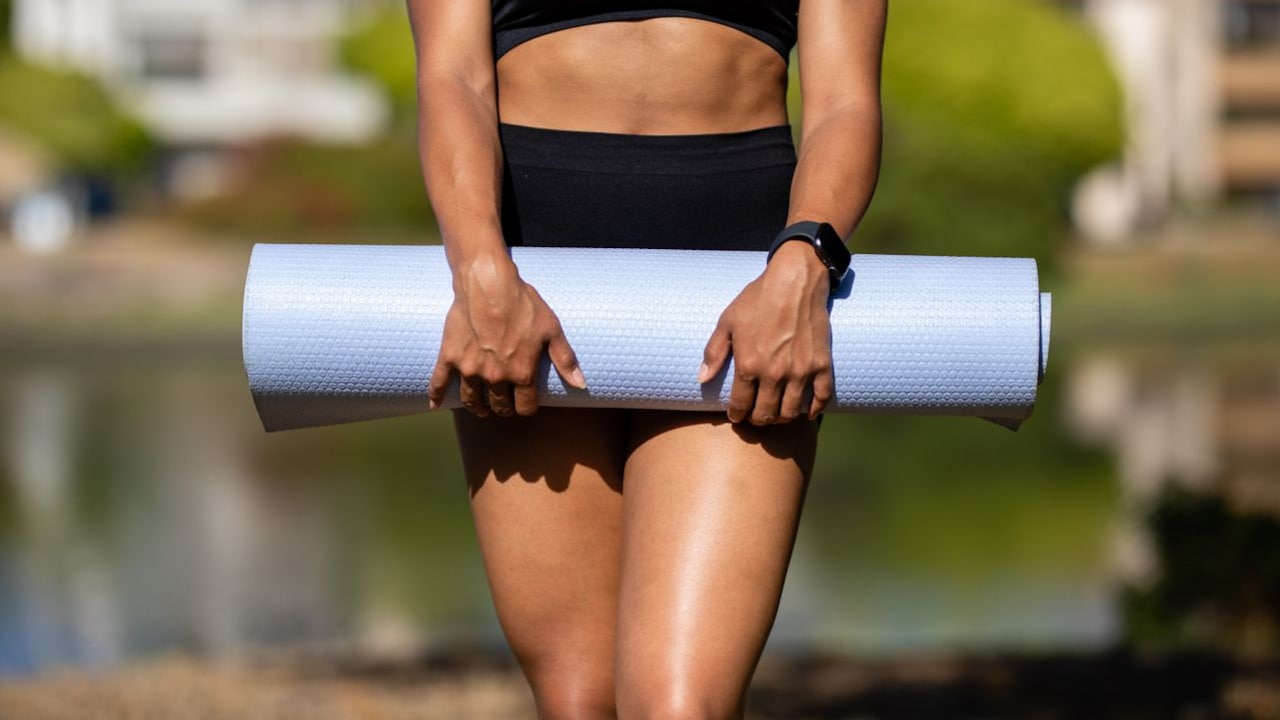
Moisture trapped inside the yoga mat can also make it curl at the edges
Photo Credit: Pexels
6. The Mat Was Stored Against A Wall
Standing rolled mats vertically looks tidy and saves floor space. But if a loosely rolled mat spends weeks leaning against a wall, its weight can gradually push it out of shape.
One side may compress while another carries more pressure. When you eventually unroll the mat, the edges might no longer sit evenly.
If vertical storage works best for your space, make sure the roll stands straight rather than leaning dramatically to one side. A tall basket or dedicated mat holder can provide support without squeezing the material.
Horizontal storage can work well too. Place the rolled mat on a shelf where other objects won't crush it.
Avoid folding the mat unless the manufacturer specifically designed it for folding. A fold produces a concentrated crease, which can prove harder to remove than a gentle curl.
Already dealing with a bent mat? Lay it completely flat and allow gravity to help. Position the curling section facing down where possible so the mat's own weight works against the curve.
Storage might feel like a small detail, but a mat spends far more hours stored than it does underneath a warrior pose.
7. You Always Practise With The Same End Facing Forward
Your routine may be perfectly balanced while your mat use isn't.
Many people automatically place their yoga mat in exactly the same orientation. The logo goes near the top, the same end sits beside the wall and the same section handles the most foot traffic every single day.
That repeated pattern can create uneven wear. One end may stretch slightly, while the other maintains its original structure. Combine this with rolling in the same direction and the result can be persistent curling at particular edges.
Rotate the mat from time to time. Put the opposite end towards the front of your practice area and let different sections handle pressure from your hands and feet.
This won't magically repair severe distortion, but it can reduce uneven wear and may stop mild curling from getting worse.
While rotating the mat, check whether the curl comes from one specific corner or an entire edge. A single damaged corner may point towards compression or storage problems, while both ends curling often suggests rolling habits.
A simple change in orientation helps distribute everyday wear more evenly without changing anything about your actual workout.
8. The Floor Beneath The Mat Is Uneven
Occasionally, the yoga mat gets blamed for a problem happening underneath it.
A slightly raised tile, rug edge, floorboard joint or uneven surface can make part of a mat appear curled. Softer mats mould themselves around the floor, which makes small imperfections surprisingly noticeable.
Before trying elaborate flattening tricks, move the mat to another smooth surface. Spread it out and look at the troublesome edge again. If the curl suddenly disappears, the floor may have been contributing to the problem.
Cleanliness matters too. Tiny pieces of grit underneath the mat can create bumps, while dust may reduce contact between the mat and smooth flooring. Sweep or wipe the workout area before laying the mat down.
You can also smooth the mat outward with your hands after unrolling it. Start in the centre and gently press towards the edges rather than tugging aggressively on the corners.
If you practise over carpet, expect the mat to behave differently from how it does on tile or wooden flooring. A soft base allows more movement and may exaggerate lifting around the edges.
9. The Mat Material Has Developed Permanent Compression
Not every curl can disappear completely. Older mats gradually change after repeated rolling, stretching, cleaning and pressure. Foam may compress in certain areas, while surface layers can begin separating or losing their original structure. At that point, curling may reflect physical wear rather than a temporary storage problem.
Inspect the problem area closely. Does the edge simply curve upwards, or does it look thinner, cracked or warped? Are sections peeling apart? Does the material stay distorted even after lying flat for a day or two?
Mild curling may still respond to reverse rolling and flat storage. Significant structural damage usually won't.
Safety should guide the decision. A slightly curved corner can be annoying, but a badly warped section that repeatedly catches your foot during standing sequences creates an unnecessary trip risk.
You don't need to replace a perfectly usable mat because of one tiny lifted edge. However, once flattening methods stop working and the curl begins interfering with movement, the mat may have reached the stage where retirement makes more sense than increasingly creative repair attempts.
10. You Are Trying To Flatten It Too Aggressively
A curled mat invites experimentation. Heavy furniture, steaming, hair dryers and very hot water may sound like quick fixes when an edge refuses to cooperate.
Unfortunately, aggressive heat or pressure can create a much bigger problem.
High temperatures may soften, warp or damage some yoga mat materials. Heavy objects can leave permanent dents. Strong bending can crack ageing surfaces, while ironing a synthetic mat should stay firmly in the category of ideas best left untested.
Gentler methods usually make more sense. Start by laying the mat flat at normal room temperature. Reverse-roll the troublesome end briefly. Then open the mat again and give it time to relax.
For stubborn corners, place broad, moderate weight over them while protecting the mat with a clean cloth if necessary. Check the manufacturer's care instructions before trying anything involving warmth, water or cleaning solutions because materials vary considerably.
Patience matters more than force. A curl created gradually over weeks of storage probably won't disappear after five minutes.
The aim isn't to wrestle the mat into submission. It's to encourage the material back towards its natural flat position without damaging the surface in the process.
Products Related To This Article
1. WiseLife TRUE Body Alignment Yoga Mat + Sleek Yoga Strap for Men and Women
2. CULT TPE Yoga Mat 6mm with Carry Bag & Strap
3. Lifelong Dual Color TPE Material for Women & Men
4. Boldfit Yoga Mat for Women & Men TPE Alignment
5. Fitness Mantra® TPE Dual Color Anti-Slip Yoga Mat
6. De Jure Fitness PVC Leatherette Yoga Mat 10mm Thick
7. Amazon Basics 13mm Extra Thick NBR Yoga and Exercise Mat with Carrying Strap
Curling edges usually develop from everyday habits rather than one dramatic mistake. Tight rolling, long-term storage, heat, trapped moisture and uneven wear can all persuade a yoga mat to hold a curved shape.
Start with the simplest fixes: reverse the rolling direction, loosen the roll, let the mat dry completely and give it more time lying flat. Also check the floor before assuming the mat itself has changed.
Most mild curls improve with patience. If the edges remain badly warped, cracked or unstable after repeated flattening attempts, though, replacing the mat may become the safer choice. After all, the challenging part of a yoga session should be holding the pose, not negotiating with a corner that keeps trying to roll itself back up.
(Disclaimer: This article may include references to or features of products and services made available through affiliate marketing campaigns. NDTV Convergence Limited (“NDTV”) strives to maintain editorial independence while participating in such campaigns. NDTV does not assume responsibility for the performance or claims of any featured products or services.)