Why Do Digestion Problems Spike During The Festive Season?
Festive meals can trigger bloating, acidity, and indigestion. Learn about why digestion problems spike during celebrations and simple ways to prevent them.
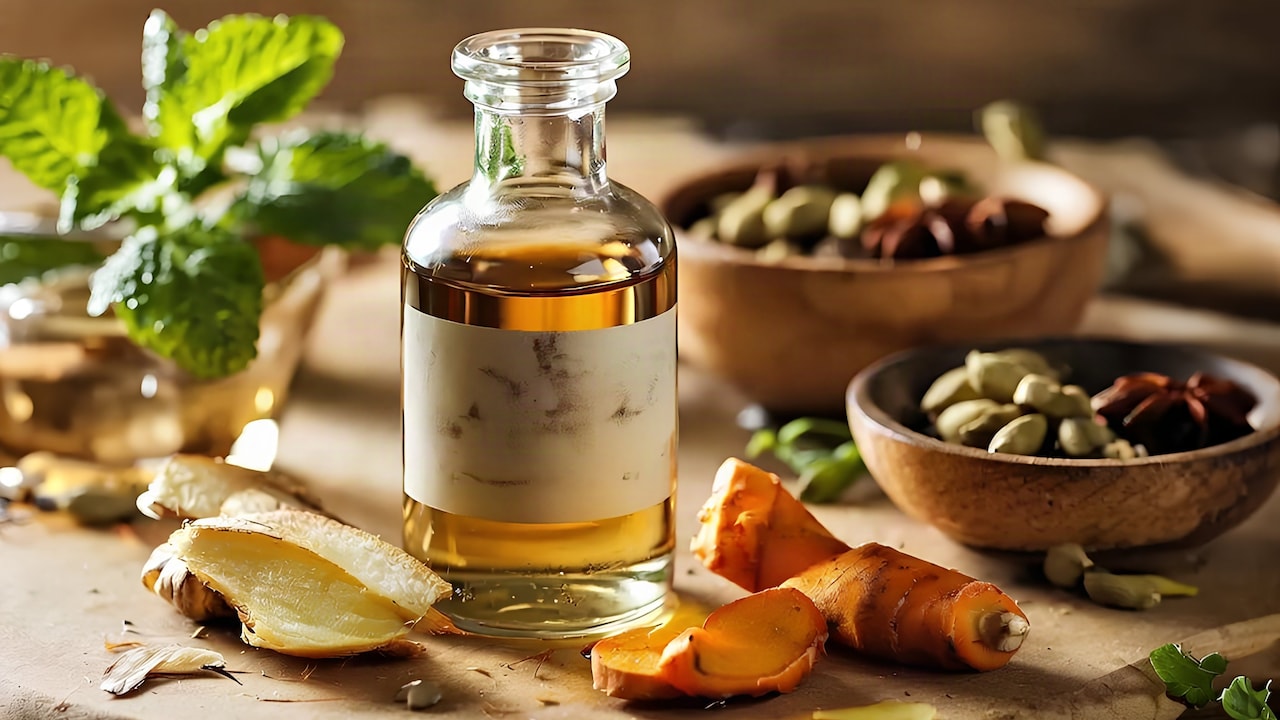
Learn what causes digestion problems and how to prevent them in festive season
Festivals have a way of turning every meal into an occasion. A regular lunch becomes a spread of sweets, fried snacks and rich dishes, while late-night gatherings often bring another round of food and drinks.
It is also the time when many people notice their stomach behaving differently — bloating after meals, uncomfortable fullness, acidity, gas or an unsettled stomach becoming more common.
Also Read: Top 5 Digestive Aids For Heavy Festive-Season Meals Under ₹1,200
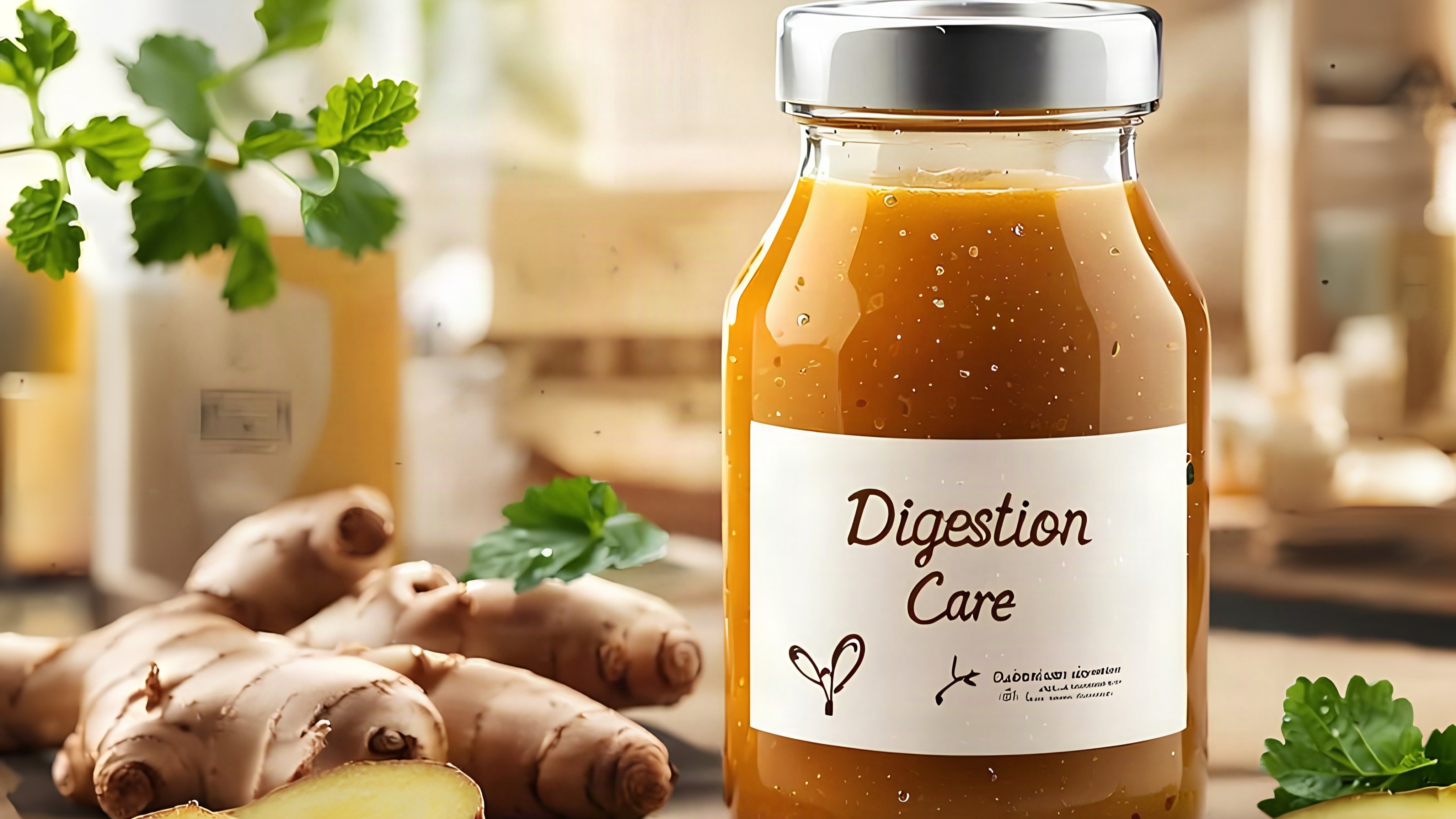
Why Does Festive Eating Trigger Indigestion?
Photo Credit: iStock
So, why does digestion stuff seem to jump up right during the festive season? Usually it isn't just one single food doing the damage; it's more like a whole cocktail of things—overdoing portions, heavier meals, eating at awkward times, plus less sleep. There's also stress and those little changes in everyday routines that somehow make the whole gut feel off. Here is what's going on and what you can do so your digestion stays comfortable.
Why Does Festive Eating Trigger Indigestion?
Festive meals are often larger and richer than everyday meals. Eating beyond fullness, eating quickly, or suddenly consuming more fatty, greasy or spicy foods can contribute to indigestion and bloating. Alcohol, caffeine and carbonated drinks can also worsen symptoms in some people.
The problem is often the sudden change. If your usual meals are relatively simple, several days of heavy eating can leave you feeling uncomfortable even if none of the individual foods would normally cause a problem.
Step 1: Watch The Portion Size
You do not have to avoid festive favourites altogether. Instead, start with smaller portions and give yourself time before going back for another serving. Eating slowly can also help you recognise when you are full, so you can avoid overeating unintentionally.
Step 2: Eat Slowly At Social Gatherings
Festive conversations can make it easy to eat without noticing how quickly you are finishing your plate. Put your spoon or fork down between bites, chew properly and take short pauses. This gives your body more time to register that you are getting full.
Can Rich, Fried And Spicy Foods Make Digestion Worse?
Many festive favourites are high in fat, sugar or spices. Big piles of fatty or greasy meals can make digestion sort of go slow, and you might feel full or bloated or even get reflux vibes. At the same time, spicy or acidic foods can worsen indigestion for some folks, especially if they're sensitive to those things. This does not mean every person will react to the same food. Your triggers matter more than a blanket list of foods to avoid.
1. Balance The Festive Plate
Try not to make the entire plate heavy with foods. Include vegetables, fruits or other fibre-containing foods alongside richer dishes, depending on what suits your digestive system. The goal is not to make a festive meal restrictive but to create a little more balance.
2. Be Mindful Of Liquid Calories
Festive drinks can add another layer to an already heavy meal. Alcohol, caffeinated beverages and carbonated drinks can worsen indigestion for some people.
Water should remain your main drink through the day. If you have alcohol or other beverages, spacing them out instead of continuously sipping throughout a long celebration may help you avoid overdoing it.
Does An Irregular Routine Affect Digestion During Festivals?
Festivals often disrupt normal schedules. Breakfast may happen late, lunch can get skipped, dinner may stretch into the night and snacks can appear between meals. Travel and social commitments can make regular eating particularly difficult.
When large meals are then consumed after long gaps, it becomes easier to eat quickly or beyond fullness. Late-night eating can also be uncomfortable for people prone to reflux or heartburn.
1. Keep Meal Timings Reasonably Consistent
Your routine does not need to be perfect during a celebration. However, try not to skip meals simply to “save calories” for a party. A normal, balanced meal earlier in the day can make it easier to approach the festive spread without extreme hunger.
2. Avoid Going Straight To Bed After A Heavy Meal
A late dinner followed immediately by bed can be particularly uncomfortable if you are prone to acidity or reflux. Give yourself some time after eating and avoid lying down immediately. If you can, try to have dinner earlier, as this practice can help your stomach feel more comfortable in the evening.
Can Stress And Lack Of Sleep Affect Digestion?
Festive seasons are not always relaxing. Shopping, travelling, hosting guests, family commitments and packed social calendars can all add to stress. And when late-night celebrations happen, it cuts into sleep, so your whole day feels off a bit.
There is also a tight link between the brain and the digestive system. Stress may affect gut motility and change how digestive discomfort is felt, while a lousy night's sleep, plus an irregular routine, can make it more difficult to keep up a wholesome way of eating.
1. Protect Your Sleep
A few late nights may be unavoidable, but try not to turn the entire festive period into a sleep deficit. Keep your sleeping schedule as consistent as practical and avoid making very heavy late-night meals a daily habit.
2. Keep Moving Between Meals
Festivals can involve long periods of sitting — eating, chatting, travelling or watching celebrations. Gentle movement after meals can help you avoid feeling overly sluggish. You do not need an intense workout; a short walk can be a practical way to add movement to a busy festive day.
What Can You Do When Festive Indigestion Starts?
Bloating or a heavy, stuffed feeling right after an unusually large meal isn't always something to worry about. If you go back to your usual portions, sip enough fluids and let your digestive system just settle down, it can ease up in a reasonable time.
That said, if the symptoms persist or become very intense, don't just label it “festive eating” and move on. If indigestion keeps coming back, you have severe pain, unexplained weight loss, difficulty swallowing, vomiting that won't stop, or blood in your vomit or stools, then it is really time to seek medical attention.
Can Rich, Fried And Spicy Foods Make Digestion Worse?
Photo Credit: iStock
Some Digestive Health Products You May Like
1. Zandu Pancharishta Ayurvedic Digestive Tonic
2. Dipya Ayurvedic Digestive Syrup
3. Baidyanath Triphala Churna
4. Kapiva Digesti Care+ Juice
5. Gelusil MPS Syrup
6. Dabur Pudin Hara Liquid
7. Digene Mint Antacid Syrup
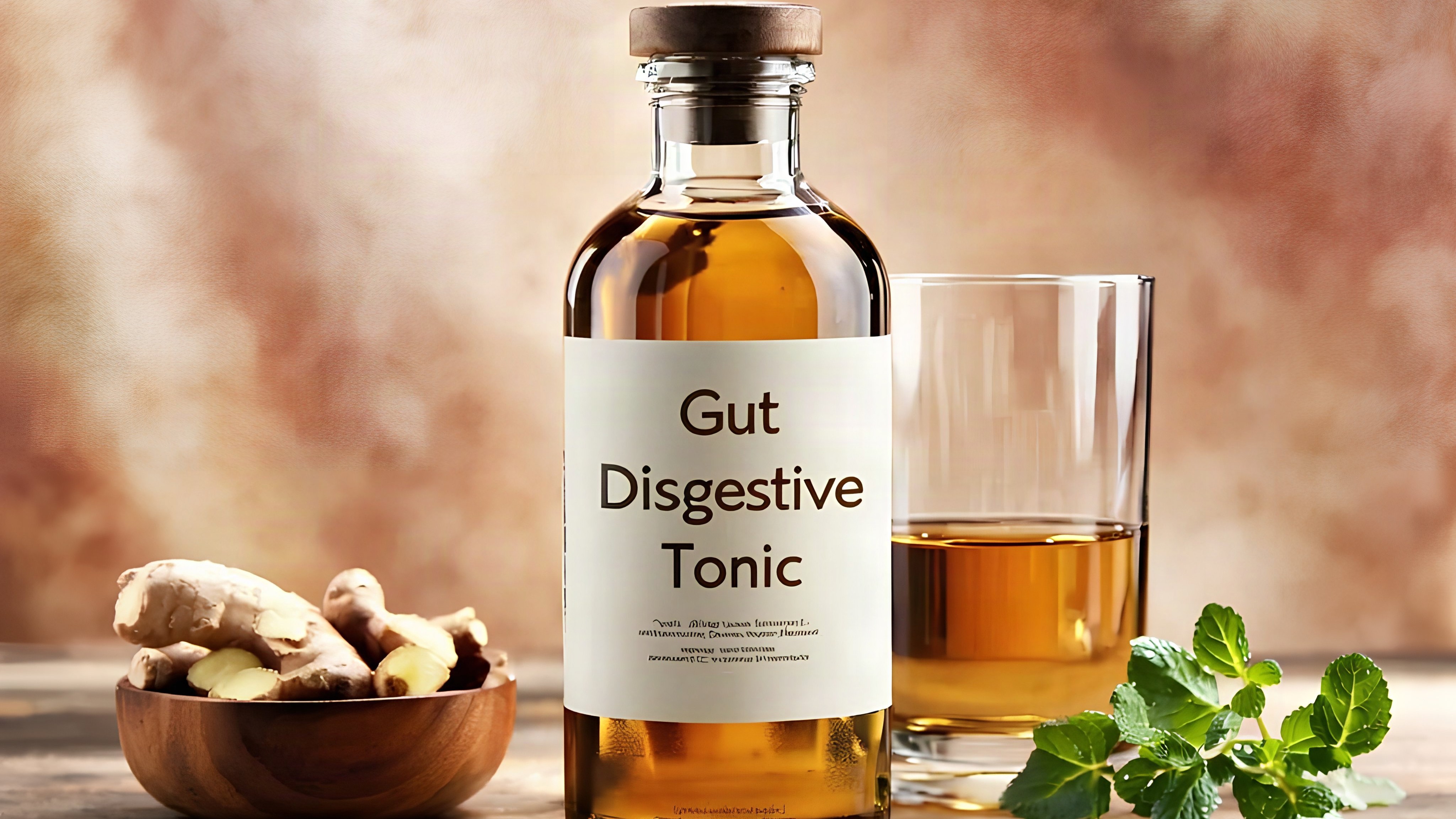
8. Ethniq Easy Peasy Gut Digestive Tonic
Frequently Asked Questions (FAQs)
1. Why do I get acidity during the festive season?
Large meals, greasy foods, alcohol, caffeine, and eating right before bedtime can make indigestion flare up or worsen acid reflux for some people.
2. Why do festive meals cause bloating?
Eating larger portions than usual, eating quickly, and consuming rich foods can all contribute to temporary bloating and digestive discomfort.
3. Does skipping meals before a festival help prevent overeating?
Usually, skipping meals is not a useful strategy. Arriving extremely hungry can make it easier to eat quickly and beyond fullness, so regular meals can help you approach festive food more mindfully.
4. Can stress cause stomach problems during festivals?
Yes. The brain and digestive system are closely connected, and stress can affect gut movement and how digestive discomfort is experienced.
5. When should I see a doctor for indigestion?
Seek medical advice if indigestion keeps returning, becomes severe, or occurs with symptoms such as unexplained weight loss, difficulty swallowing, persistent vomiting or blood in vomit or stools.
(Disclaimer: This article may include references to or features of products and services made available through affiliate marketing campaigns. NDTV Convergence Limited (“NDTV”) strives to maintain editorial independence while participating in such campaigns. NDTV does not assume responsibility for the performance or claims of any featured products or services.)