How To Identify Quality Fabric When Buying T-Shirts Online To Avoid Thin And Transparent Tees
Learn how to spot thin, poor-quality T-shirts before buying online. Check GSM, fabric blend, collar strength, stitching, stretch, reviews, and wash care to avoid tees that look stylish on screen but feel flimsy in person.

Why Online T-Shirts Feel Thin And How To Avoid Them
Online shopping has made T-shirt buying dangerously easy. A neat product photo, a model standing under flattering light, a discount that looks too good to ignore, and suddenly the cart has three “premium cotton” tees waiting for checkout. Then the parcel arrives. The colour looks right, the print seems fine, but the fabric feels thin enough to read an electricity bill through it. Most shoppers have lived this little tragedy. The T-shirt looked stylish on screen, but in person it clings, stretches, turns slightly transparent, or loses its charm before the first proper outing. The problem often starts with fabric, not fashion sense. A good T-shirt does not need to cost ₹2,500. A cheaper one does not always mean poor quality either. The trick lies in reading the signs before buying. Fabric weight, fibre blend, collar structure, stretch recovery, and even product photos can reveal a lot. Once these clues become familiar, online shopping feels less like a gamble and more like a smart move.
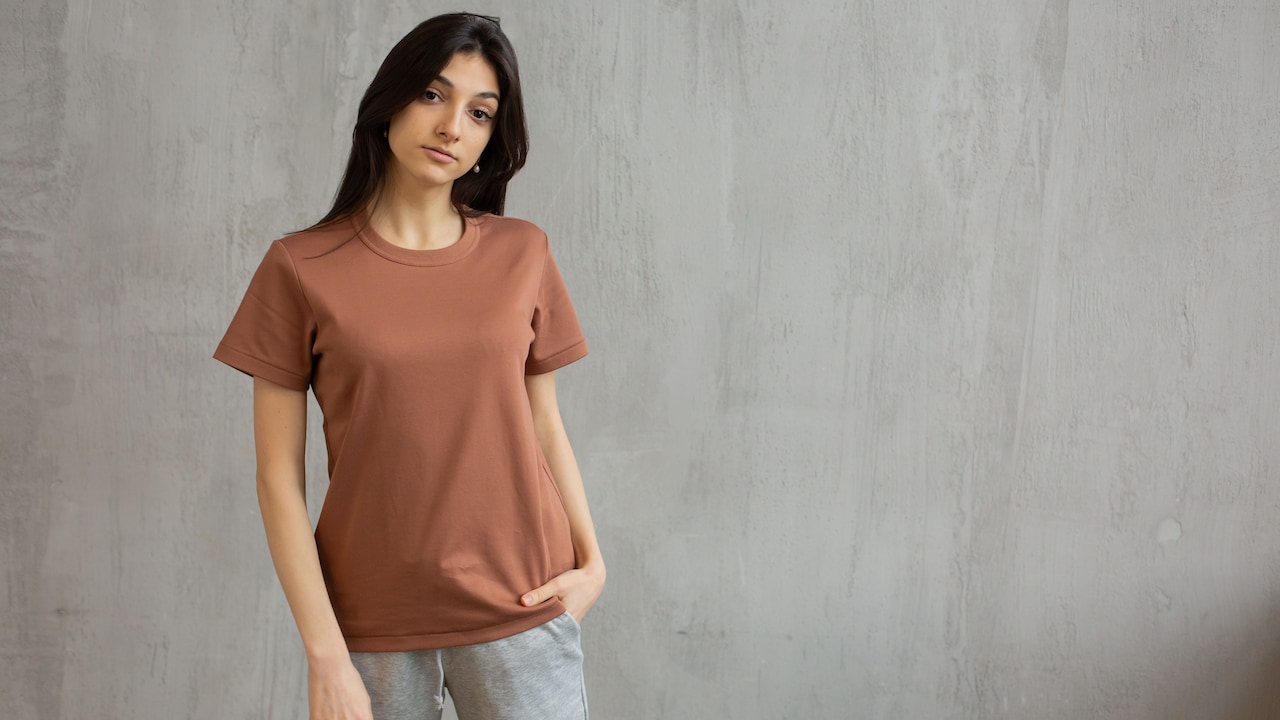
Why Online T-Shirts Feel Thin And How To Avoid Them; Photo Credit: Pexels
Fabric Clues To Check Before You Buy
Check The GSM Before Trusting The Photo
GSM stands for grams per square metre and indicates how heavy the fabric feels. Many online listings mention it, but shoppers often ignore it because it sounds technical. In truth, GSM can save money, mood, and wardrobe space.
A T-shirt below 140 GSM usually feels light and airy. That may suit humid afternoons, college wear, or sleepwear, but it can also feel flimsy if the fabric is not strong. Around 160 to 180 GSM works well for everyday tees. It gives enough body without feeling like winter wear. Anything above 200 GSM feels thicker, more structured, and closer to oversized streetwear.
The catch lies in the photo. A thin tee can look solid when the brand uses clever lighting, steam, and clips at the back. The fabric may drape beautifully on the model, but it may not hold the same shape on a regular body in a crowded Metro or under a backpack.
When the listing hides GSM, treat it as a small warning bell. A brand proud of its fabric usually mentions the number clearly. No GSM does not always mean bad fabric, but it does mean a closer look becomes necessary.
Also Read: Best 5 Oversized T-Shirts For Summer Streetwear Style Under ₹500
Look For Fabric Composition, Not Just Cotton Claims
The word “cotton” sells T-shirts faster than hot samosas during monsoon. Yet not every cotton tee feels the same. A product title may shout “100% cotton”, while the fabric still feels rough, thin, or weak. That happens because cotton quality, yarn length, knit type, and finishing all matter.
A 100% cotton tee usually feels breathable and skin-friendly. It works well for long days, warm weather, and casual wear. Cotton blends, however, also have their place. A cotton-polyester blend may dry faster and resist wrinkles better. A small amount of elastane can add stretch, which helps fitted tees hold comfort through the day.
The trouble starts when listings use vague phrases like “cotton feel”, “cotton rich”, or “premium blend” without actual percentages. These words sound reassuring, but they hide the real fabric story. A tee with too much polyester may feel smooth at first, then trap heat. A poor blend may pill quickly, especially around the waist, underarms, and bag straps.
Before buying, check the fabric composition line. A clear listing says something like 95% cotton and 5% elastane, or 60% cotton and 40% polyester. Clear numbers show confidence. Fuzzy words often hide shortcuts.
Notice Whether The T-Shirt Looks Transparent On The Model
Product photos can reveal more than brands intend. A white or pastel T-shirt often shows its true nature under bright studio light. Look closely at the chest, shoulder, sleeve, and waist areas. When the model's skin tone, innerwear outline, or trouser waistband peeks through, the fabric will likely feel thin in person.
Some shoppers assume only white tees have this issue. Light grey, lemon, powder blue, beige, and pale pink can also turn surprisingly see-through. Even darker shades may reveal thinness through clingy drape and limp folds.
A good trick is to zoom into the areas where fabric stretches naturally. The shoulder seam, upper chest, and stomach area tell the truth. If the tee looks slightly sheer online, it may look far more obvious in daylight. Balcony light, office tube lights, and café mirrors show no mercy.
Transparency also affects confidence. A T-shirt should let someone relax, not spend the whole day adjusting posture or checking reflections in shop windows. For lighter colours, choose higher GSM, denser cotton, or thicker ribbed fabric. A tee should feel easy, not like a fabric-based trust exercise.
Read The Reviews For Words That Hint At Thin Fabric
Reviews often speak in a language shoppers understand better than product descriptions. Brands may say “lightweight comfort”, but buyers say “too thin”, “transparent”, “not worth ₹799”, or “good only for home wear”. Those phrases matter.
Do not only look at star ratings. A T-shirt may have four stars because people liked the colour, fast delivery, or discount price. The real clues hide in the review text. Search for words such as thin, see-through, flimsy, loose after wash, poor collar, and fabric quality. These simple words often tell the entire story.
Photos from buyers help even more. A tee photographed on a bed, balcony, or plastic chair may not look glamorous, but it shows reality. Check whether the fabric looks limp, wrinkled, or transparent. Also, notice whether the collar stands neatly or waves like a tired rubber band.
Some reviews sound dramatic, of course. One person's “too thin” may be another person's “perfect for summer”. Still, patterns matter. When five or six buyers mention the same issue, believe them. The crowd may not write poetry, but it often spots bad fabric faster than a polished product page.
Check The Collar Because It Reveals Fabric Strength
A T-shirt collar carries more responsibility than it gets credit for. It frames the face, controls the shape, and often reveals quality within minutes. A thin tee usually comes with a weak collar. After a few wears, the neckline may stretch, curl, or sit unevenly.
In online photos, zoom into the neck rib. A good collar looks firm, evenly stitched, and slightly thick. It should sit flat without ripples. A weak collar looks narrow, loose, or wavy even on the model. If it already looks tired in a professional shoot, daily life will not improve it.
Round-neck tees need special attention. A loose round neck can make the whole outfit look careless, especially with jeans, chinos, or shorts. V-necks also need structure, because thin fabric can pull the shape downward and create an awkward fit.
The collar also suffers during washing. Hard water, strong detergent, and rough drying can punish poor fabric quickly. A stronger ribbed collar survives better. Before buying, check whether the listing mentions ribbed neck, reinforced neckline, or double stitching. These small details may sound boring, but they keep a tee from looking like old nightwear after three Sundays.

Why Online T-Shirts Feel Thin And How To Avoid Them; Photo Credit: Pexels
Understand The Difference Between Lightweight And Low Quality
Lightweight fabric is not the villain. In many cities, thick T-shirts can feel like punishment between March and October. A soft, breathable, lightweight tee can feel wonderful during a market run, train journey, or lunch break. The issue begins when brands use “lightweight” as a polite word for weak fabric.
A good lightweight tee feels smooth, balanced, and steady. It does not twist after washing. It does not cling oddly. It does not become transparent at the first sign of sunlight. Poor lightweight fabric, however, feels limp and nervous. It may stretch during the day and lose shape by evening.
The difference often comes from yarn quality and knitting. Fine cotton with a neat knit can feel light yet durable. Cheap yarn with a loose knit feels thin because it has gaps, weak tension, and poor recovery.
Think of it like chai. Light tea can still taste fragrant and fresh. Watery tea just tastes like regret. T-shirts work the same way. Lightweight should mean breathable, not breakable. When shopping online, pair the word “lightweight” with GSM, reviews, collar photos, and fabric composition. That combination gives a clearer picture than marketing language alone.
Watch For Excess Stretch In Product Photos
Stretch can make a T-shirt comfortable, but too much stretch can make it look cheap. Many thin tees rely on stretch to create a neat fit on the model. The fabric hugs the shoulders, arms, and waist in photos, so it appears sleek. In real life, the same tee may cling to every fold, lose shape, or feel like gym wear pretending to be casual wear.
Look at how the fabric sits around the chest and sleeves. If it pulls into tiny horizontal lines, the tee may lack body. If the sleeves appear pasted to the arms, the fabric might contain too much stretch or too little thickness. This can become uncomfortable during long wear, especially in warm weather.
A small amount of elastane can work well for fitted tees. It helps movement and keeps the shape. But a T-shirt should not behave like a rubber band. It needs enough cotton or fabric weight to fall naturally.
Also check whether the hem curls upward. Thin, stretchy tees often do that. A good tee sits calmly at the waist. It should not keep rolling like it has better plans.
Pay Attention To The Stitching And Seams
Fabric quality and stitching quality often travel together. A brand that cuts corners on fabric may also rush the seams. Online photos can help spot this. Zoom into the shoulder, sleeve edge, side seam, and hem. Uneven stitches, loose threads, and puckering show poor construction.
Side seams matter because they control how a T-shirt hangs. A thin tee with weak seams may twist after washing. The front panel shifts, the side seam moves towards the stomach, and suddenly the tee looks like it lost direction. Many shoppers blame their washing machine, but poor fabric and stitching often cause the problem first.
The shoulder seam should sit cleanly and hold shape. Dropped shoulders in oversized tees can look stylish, but the seam still needs neat finishing. Sleeve hems should not flare like tiny umbrellas. Bottom hems should lie flat.
Good stitching cannot rescue terrible fabric, but it can make decent fabric last longer. A well-stitched tee survives daily wear, scooter rides, backpacks, office chairs, and repeated washing. A poorly stitched one starts telling sad stories before the season ends.
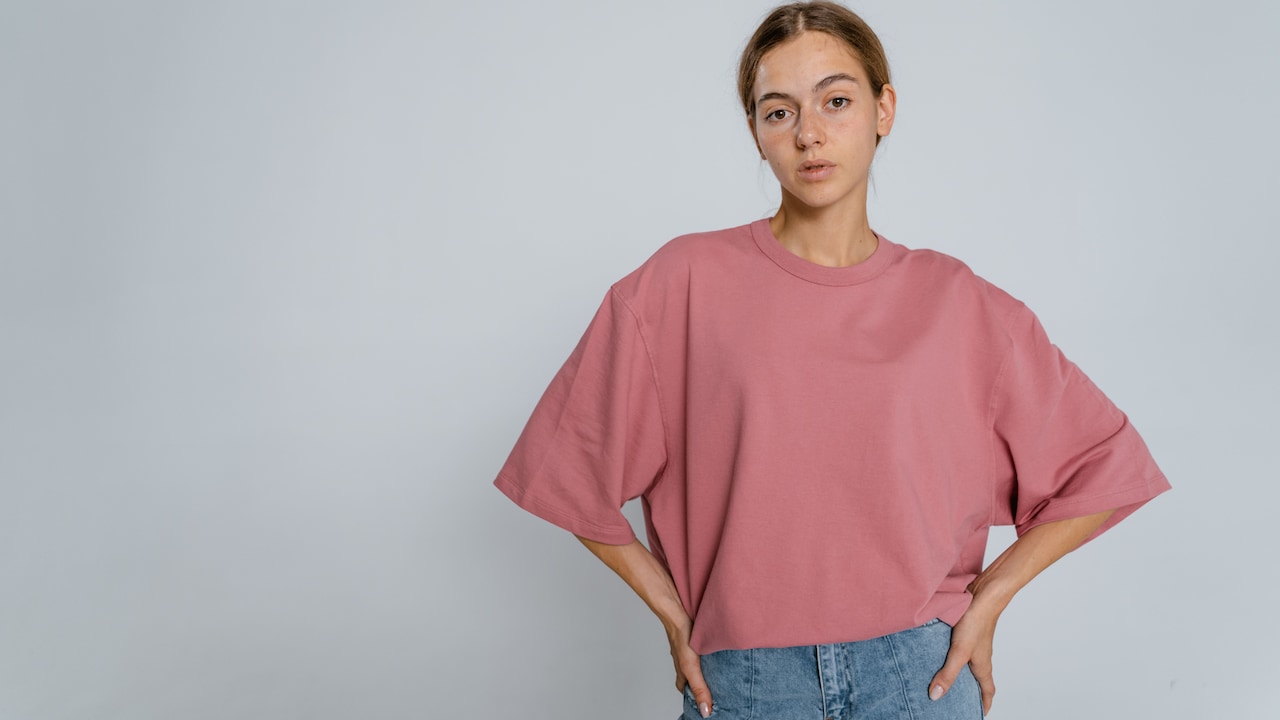
Why Online T-Shirts Feel Thin And How To Avoid Them; Photo Credit: Pexels
Be Careful With Very Low Prices And Big Claims
Everyone enjoys a good bargain. A ₹399 T-shirt can feel like a small victory, especially during sale season. But when a listing promises “luxury premium heavyweight pure cotton” at a suspiciously low price, common sense deserves a seat at the table.
Low prices do not always mean bad quality. Some brands keep costs low through simple designs, direct selling, or bulk production. The concern begins when the claims sound too grand for the price. Fabric has a cost. Strong cotton, dense knitting, proper dyeing, and good stitching cannot appear magically for pocket-change pricing.
Compare similar tees across brands. If most 180 GSM cotton tees cost around ₹699 to ₹1,199, a ₹249 version with the same claims needs closer inspection. Check reviews, return policy, fabric details, and buyer photos before giving in.
Also, watch out for inflated original prices. A tee shown as ₹1,999 slashed to ₹299 may not be the steal it appears to be. Sometimes the discount creates excitement while the fabric quietly disappoints. A smart buy feels good after delivery, not only during checkout.
Check Washing Instructions Before Buying
Washing instructions may seem dull, but they reveal how delicate the fabric might be. A regular, everyday T-shirt should handle normal washing with basic care. When the label demands too many conditions, such as cold wash only, dry flat, wash separately, do not wring, do not tumble, do not breathe near it, the fabric may need more babysitting than expected.
Thin fabrics often shrink, twist, fade, or stretch when washed carelessly. Dark colours can bleed. Printed tees can crack. Collars can curl. A good product listing usually gives clear care instructions without making the garment sound fragile.
For daily wear, choose tees that suit real routines. Most homes do not run a textile laboratory. Clothes go into buckets, machines, balconies, hangers, and sometimes the back of a chair. A T-shirt should survive that life with grace.
Also remember that fabric softeners and harsh detergents can affect stretch and breathability. Still, a decent tee should not collapse because someone washed it like normal clothing. Before buying, check whether the brand mentions pre-shrunk cotton, colour fastness, or easy care. These details suggest better planning behind the fabric.
Some Top-Rated T-Shirts On Myntra You May Like
1. CORSICA Women Striped V-Neck Bio Finish T-shirt
2. Style Go Women Typography 2 Slim Fit T-shirt
3. Van Heusen Women Cotton Solid Relax Fit Lounge T Shirt
4. Dreamz by Pantaloons Printed Pure Cotton Round Neck Lounge Tshirts
5. ABSOLUTE DEFENSE Women Typography Printed T-shirt
6. Roadster The Lifestyle Co Printed Organic Cotton Round Neck Oversized Tshirt
7. Glitchez Typography Printed Relaxed T-shirt
A T-shirt looks simple, but buying a good one online takes a sharper eye than most people expect. Product photos sell mood, colour, and fit. Fabric details sell the truth. GSM, composition, transparency, collar strength, reviews, stitching, stretch, price logic, and wash care all help separate a dependable tee from one that only performs well on screen.
The best T-shirt does not need fancy branding or dramatic claims. It needs fabric that feels comfortable, holds shape, and suits daily life. It should handle heat, movement, washing, and the occasional snack spill without losing dignity. Most importantly, it should make the wearer forget about it after putting it on. That is the quiet magic of a good tee.
Before the next online order, pause for a minute. Zoom into the collar. Read the fabric line. Check the GSM. Look at buyer photos. Notice the words people use in reviews. That small pause can save ₹799, cupboard space, and the familiar disappointment of opening a parcel that looked better in imagination than in hand. A T-shirt should not arrive like a plot twist. It should feel as good as it looks.
(Disclaimer: This article may include references to or features of products and services made available through affiliate marketing campaigns. NDTV Convergence Limited (“NDTV”) strives to maintain editorial independence while participating in such campaigns. NDTV does not assume responsibility for the performance or claims of any featured products or services.)