Tant vs Silk Saree: Which Suits Durga Puja Pandal Hopping
Tant breathes through a full day on your feet; silk photographs better once the evening lights come on. Here's which one actually suits Durga Puja this year.
Tant vs Silk Saree: Which Suits Durga Puja Pandal Hopping
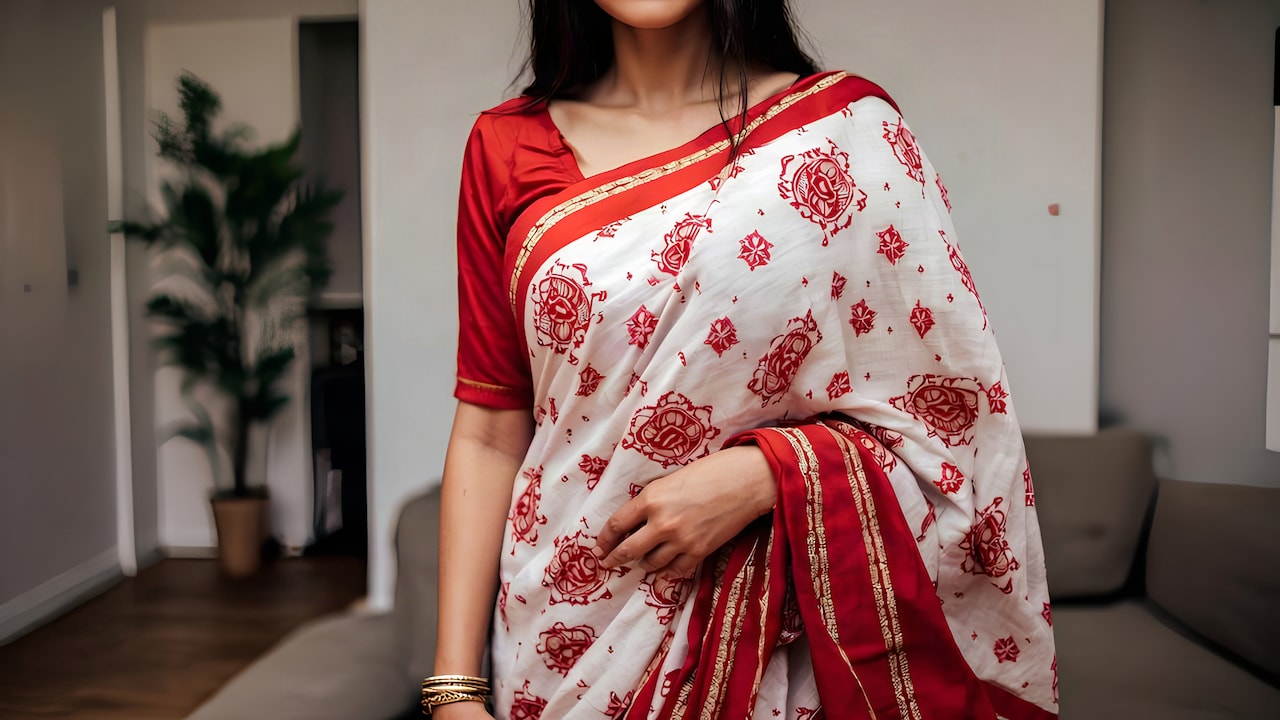
Five pandals in one night. A rickshaw ride in between two of them. A plate of khichuri in the crowd somewhere. That's Durga Puja in Kolkata, start to finish. A saree either survives that whole evening or it doesn't. Cotton and silk aren't fighting for the same job here. Not really. Most people only learn which one they need by pandal three. Usually, it's too late to fix it that same night. Amazon stocks both in plenty. So much so that the real choice is your evening plans, not the fabric label on the packet.
Does Comfort Actually Matter More Than Looks During Pandal Hopping?
Photo Credit: iStock
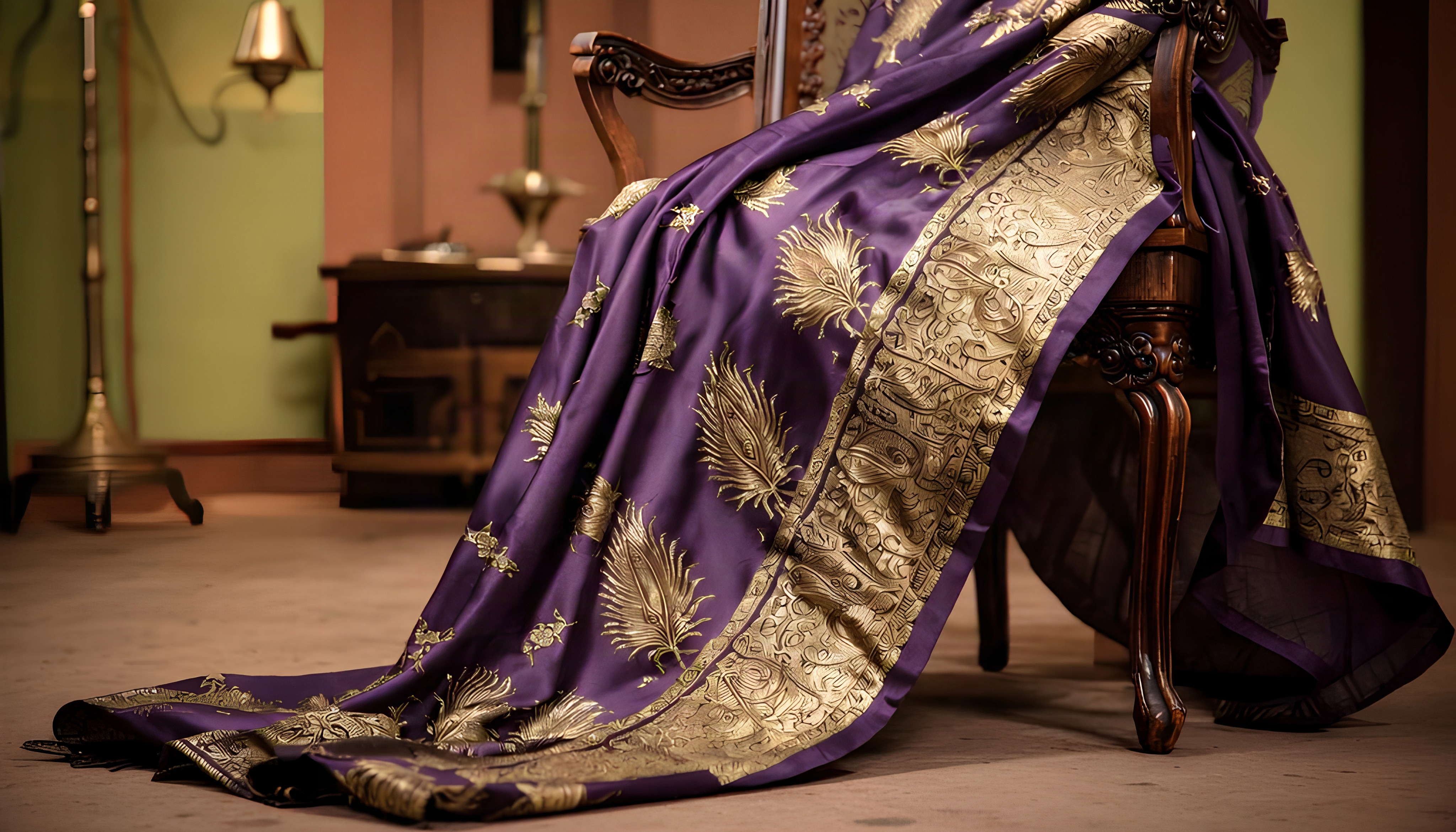
Weight decides most of it, more than people expect going in. Six hours of walking feels entirely different in Tant compared to Silk. Silk gets noticeably heavy by around hour three. Light matters just as much, though. Pandal bulbs and camera flashes both love silk's sheen, and cotton can't compete there.
What Actually Separates Tant From Silk?
A thin handloom cotton weave – that's Tant. It breathes even in a packed, humid pandal crowd, which matters more than most people realise until they're actually standing in one. Silk is nothing like it, denser, heavier, and built for shine, not airflow, and it shows the moment you touch both side by side.
Fold a Tant saree small, stuff it in a bag, and it won't complain one bit, even after a whole day of being crushed in there. Try that with silk, and it creases the second you ball it up, and that crease doesn't always fall out by evening. Neither one wins outright, honestly. They just do different jobs during the same festival, and knowing that early saves a lot of regret later.
Does Comfort Actually Matter More Than Looks During Pandal Hopping?
Mostly, yes, it looks like it only starts to matter once the sun drops. Queues. Walking between pandals. That's daytime, in three parts. Cotton handles every bit of it. No clinging. No nasty creasing either. Silk waits for later. The evening adda, or that photo by a lit-up pandal. That's where it finally earns its keep.
Why Tant Wins The Daytime Crowd?
Walking. Waiting. Heat. That's daytime Durga Puja in three words. Tant was basically made for it.
1. Pick Tant For Breathability
Silk blocks air. Cotton doesn't. Simple as that. The gap matters most from eleven in the morning to five in the evening. By noon, a humid pandal queue already feels warm. Tant won't leave you sweating through the pleats by then. Silk might.
2. Pick Tant For All-Day Weight
Half the weight of silk, roughly. That's a Tant saree for you. The difference shows up fast, usually by hour three of standing. Light clothing feels different after six hours on your feet. Shoulders hold up better. So does the waist tuck all day long.
3. Pick Tant For Easy Repairs On The Go
A loose cotton pleat is a thirty-second fix. Just grab a safety pin. Silk pleats won't cooperate the same way once they slip loose. That matters more than it sounds. Especially at pandal four, when no one has time to redo a full drape from scratch.
Also Read: 10 Best Saree Styles For Office Wear: Comfortable Fabrics and Drapes For Everyday Work
4. Pick Tant When The Forecast Says Humid
Late September in Kolkata still runs warm. Sticky too, most years. Whatever the calendar claims about autumn arriving. Check the week's forecast first. Picking Tant over silk for daytime pandals saves a lot of discomfort later on.
Why Silk Wins The Evening And The Photographs?
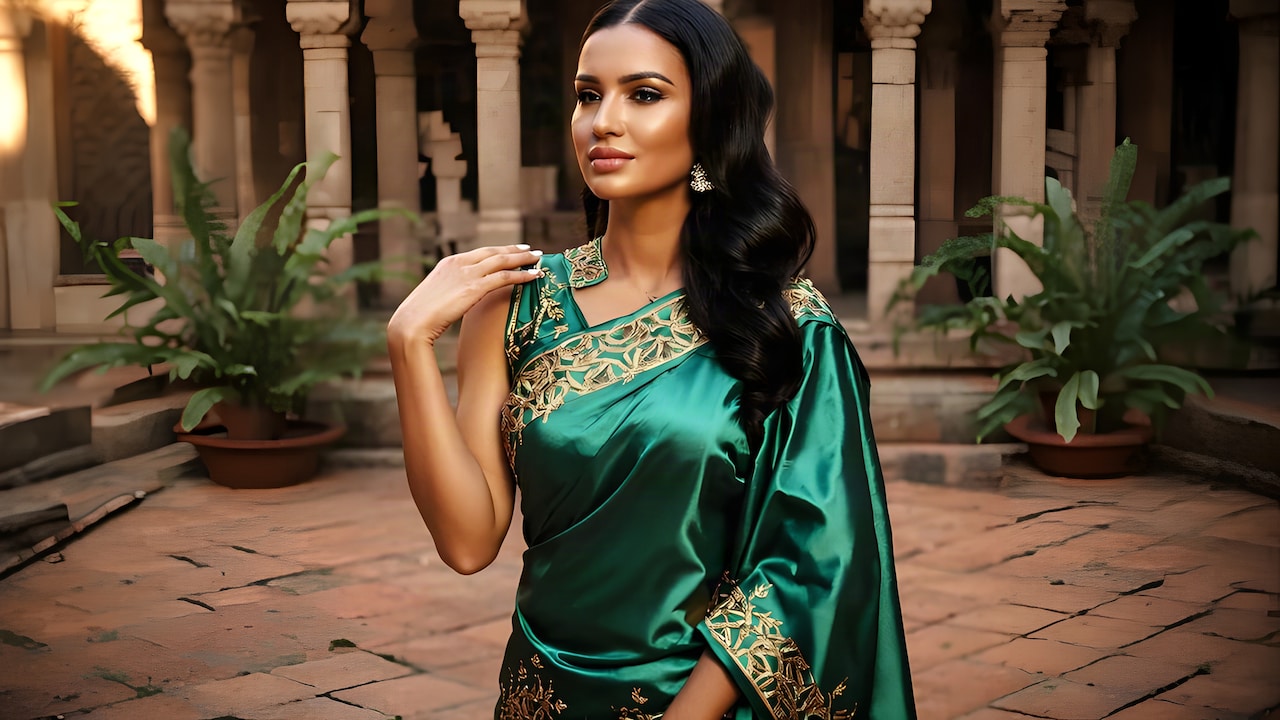
Everything flips in the evening. How a fabric photograph starts matters more than how it breathes. Silk holds a richer colour in artificial light. Always has. It photographs with a depth of cotton that just can't match in a camera flash. Keep that in mind before you look at the four picks below.
1. Pick Silk For Pandal Light
Warm, coloured bulbs light up most pandals in the evening. Silk's sheen reflects that light back. Cotton just absorbs it flat instead. Under that same light, a plain Tant looks flat and dull. Silk looks richer. That's precisely why evening Puja photos favour it.
2. Pick Silk For Zari Work And Border Detail
Only a dense weave like silk lets zari thread catch light properly. Put that same border on thin cotton. It reads flat. Loses its shine fast. Kanjivaram and Banarasi both lean on each other heavily. It's the main reason why either of them costs more than plain cotton fabric.
3. Pick Silk For A Single Standout Outfit
Few people wear silk all five days of Durga Puja. One evening does it. Usually Ashtami. Cotton covers the rest of the week. Featuring silk just once makes the cost feel worth it. Far more than wearing it daily ever would.
4. Pick Silk When Photos Matter More Than Comfort
One moment matters most, usually. A family photo by a lit pandal decoration. That's what most people actually dress for all week. So if that single photo matters more than six hours of comfort, silk earns its stiffness. And the extra care it needs.
So, Which One Actually Wins Pandal Hopping
Neither, honestly. That's the real answer here, even if it's not the one people want going in. Tant takes the daytime. The walking, the queues, the heat, hour after hour of it. Silk takes the one evening people actually remember and photograph, the one that ends up framed later.
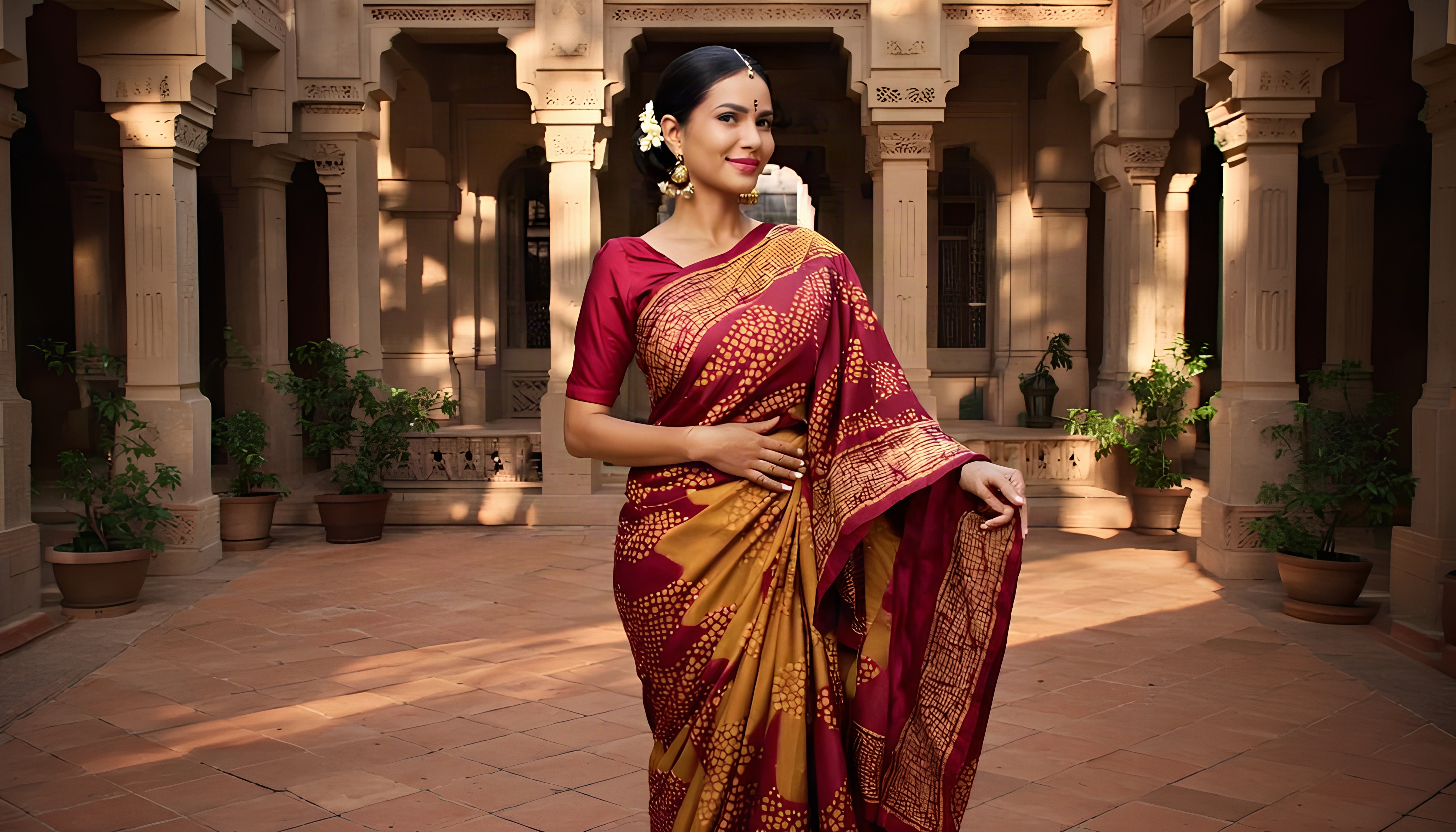
That's precisely why most Durga Puja wardrobes carry both, not just one or the other. Cotton covers four days of real walking, with no complaints and no creasing drama. One silk piece sits aside, saved for the single evening; it's actually worth carrying the extra weight.
Some Products You May Like
Photo Credit: iStock
Some Products You May Like
1. Tant Vastra Women's Traditional Bengal Tant Pure Cotton Saree
2. BASANA SAREE KUTHIR Women's Bengal Handloom Tant Soft Dhakai Jamdani Cotton Saree
3. eC ESHA'S COLLECTION Women's Traditional Pure Cotton Aam Kalka Tant Saree
4. dB DESH BIDESH Women's Bengal Handloom Tant Soft Dhakai Jamdani Cotton Saree
5. SGF11 Women's Kanjivaram Pure Soft Silk Saree
6. Glory Sarees Women's Woven Pure Soft Kanjivaram Silk Saree Banarasi Style
7. SATIKA VASTRAM Women's Tussar Silk Handloom Saree
8. RATNAVALI Baluchari Silk Saree Bengali Silk Saree With Zari
Durga Puja pandal hopping is all about enjoying the festive spirit while staying comfortable through long hours of walking, meeting loved ones, and soaking in the celebrations. If you prefer a lightweight and breathable drape, a Tant saree can keep you at ease throughout the day. On the other hand, a silk saree brings timeless elegance and a festive charm that is perfect for evening outings and special occasions. Ultimately, the right choice depends on your comfort, style, and the kind of Durga Puja experience you want. Whether you choose the effortless grace of Tant or the rich appeal of silk, both sarees can help you celebrate the festival in style.
Frequently Asked Questions (FAQs)
1. Can one saree actually work for the whole of Durga Puja?
Technically yes, but most people don't. A cotton Tant for daytime and one silk piece for the evening covers the five days far better.
2. Does Tant crease as badly as people say?
It creases less than expected, provided it's a proper handloom weave. Cheap power-loom imitations crease far worse than genuine Tant does.
3. Is silk actually too hot for daytime pandal hopping?
Yes, noticeably. Silk traps heat against the skin in a way cotton doesn't, which is precisely why it suits evenings better.
4. How do I tell a handloom Tant from a machine-made copy?
Handloom has small, irregular slubs in the weave. A machine-made copy looks too perfectly even across the whole saree.
5. Which one actually needs more care after Puja?
Silk, by a wide margin. It needs dry cleaning and careful folding, while Tant just needs a normal wash and air-dry. .
(Disclaimer: This article may include references to or features of products and services made available through affiliate marketing campaigns. NDTV Convergence Limited (“NDTV”) strives to maintain editorial independence while participating in such campaigns. NDTV does not assume responsibility for the performance or claims of any featured products or services.)