Ready-to-Wear vs. Traditional Saree: Which Is Easier For A Busy Festive Day
Ready-to-wear or traditional saree for a busy festive day? Compare draping time, pleat hold, fabric, and cost so you can pick the right one before buying.
Ready-to-Wear vs. Traditional Saree: Which Is Easier For A Busy Festive Day
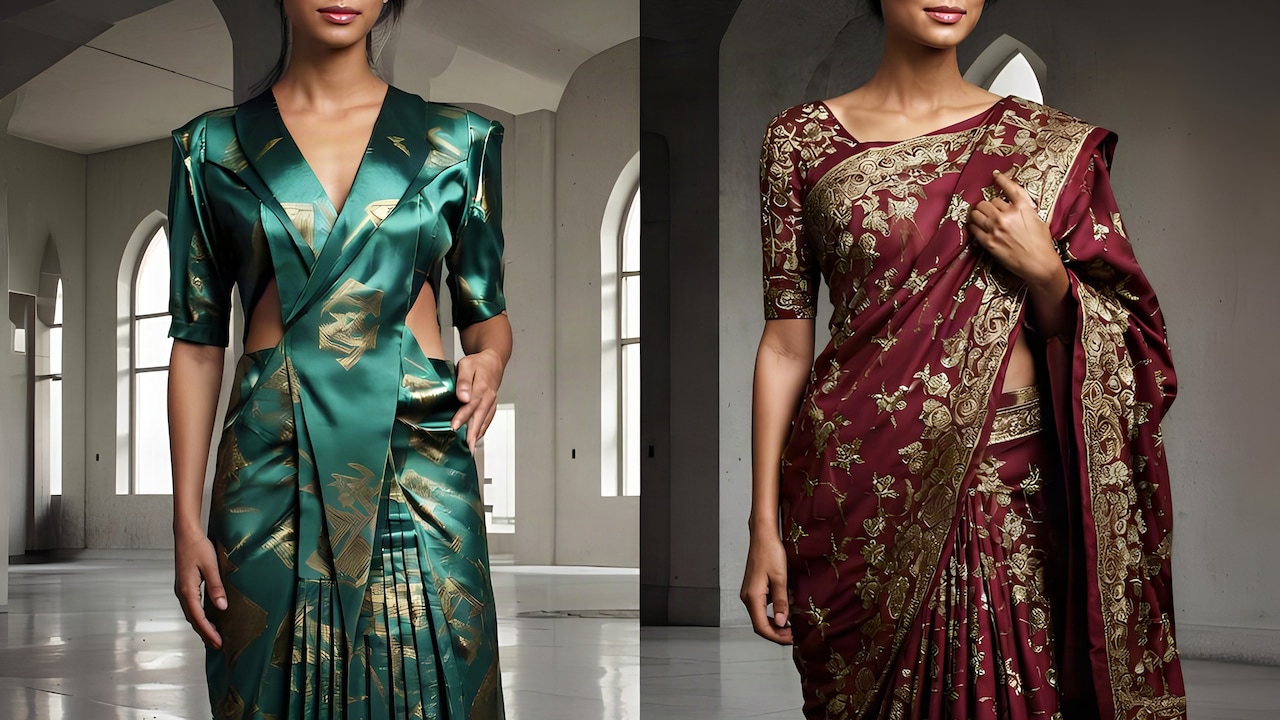
See, nobody plans to run late on a festive day. It just happens. Maybe the blouse hook comes off, somebody calls when you are getting ready, or the cab is already waiting downstairs. Then you look at six metres of saree lying on the bed, and honestly, it feels like a complete task. This is where a ready-to-wear saree starts making sense. You wear it, fix the pallu, and you are almost done. But yes, a traditional saree has its grace. The stitched saree may not always fall the same way. Now, which one should you pick? For me, it depends on three things: time, fabric, and whether somebody is available to help. If your mother or sister can make the pleats quickly, a traditional saree is not that difficult. But when you are alone and the time is short, why take the stress? Ready-to-wear works better. And that is completely fine.
What Is The Difference Between A Ready-To-Wear And Traditional Saree?; Photo Credit: iStock
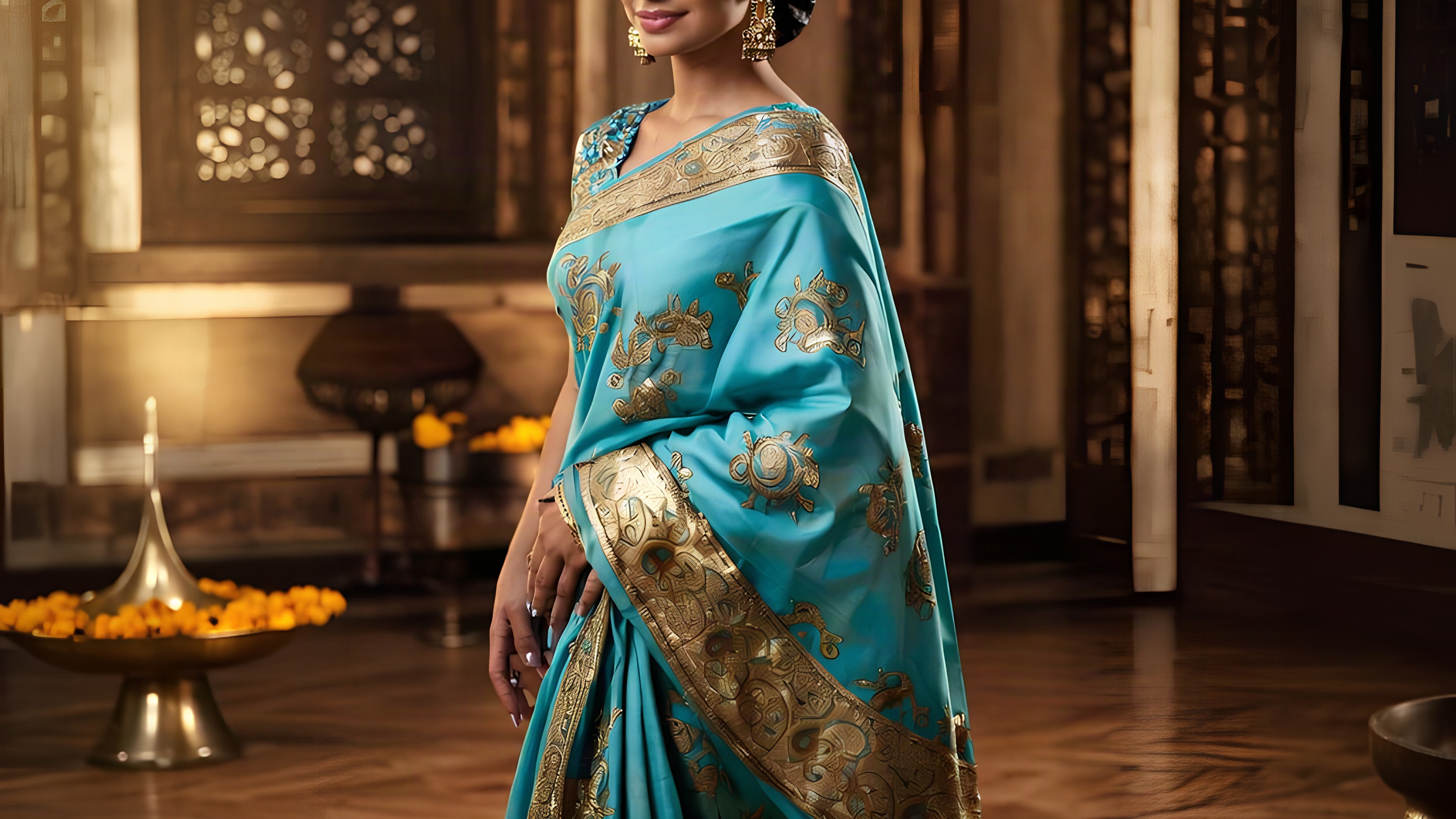
What Is The Difference Between A Ready-To-Wear And Traditional Saree?
Both are sarees, of course. But the wearing process is entirely different, right? That is where the real comparison starts.
A traditional saree comes as one long piece of unstitched fabric. You have to form the pleats, tuck them at the waist, and arrange the pallu yourself. If you want a Gujarati, Bengali, or another regional style, you can change the complete drape.
A ready-to-wear saree comes with the main pleats already stitched. Most designs have an attached inner skirt or a fixed waist section. You step into it almost like a lehenga, adjust the waist, and arrange the pallu. The traditional one gives more freedom. Ready-to-wear gives more speed.
Also Read: Everyday Elegance: Top 5 Sarees Under ₹1,000 That Are Easy-To-Wear
How Do They Compare On A Busy Festive Day?
Getting dressed quickly is important, but it is not the only thing. Pleats, fabric, help, and small fixes during the function also matter.
1. Consider How Busy Your Morning Is
Festive mornings are never fully peaceful. Guests may be coming, food preparation is happening, the phone keeps ringing, and ten other things are going on together. Now you also need twenty minutes for the saree. From where will that time come? Usually it doesn't.
A ready-to-wear saree can be worn in a few minutes once you understand the hooks or zip. A traditional drape takes longer, especially when you do not wear one regularly. Sometimes one pleat does not sit properly. Then you open everything and start again. For an evening function, the pressure may be less. You can take your time and wear the traditional one properly.
2. Think About Who Can Help You
Draping alone is a skill. Some women can do it without even looking properly in the mirror. Everybody is not that confident, and that is okay. The front pleats are normally where the time goes. Then you have to check the length, the waist tuck, and the fall of the pallu. If your mother, sister, or somebody experienced is there, the process becomes much easier.
If nobody is around, ready-to-wear removes that dependency. Wear it. Fasten it. Fix the pallu. You don't have to keep calling somebody from another room while holding pins in your mouth. That itself saves time.
3. Check How Well The Pleats Stay
See, this depends a lot on fabric. Georgette, crepe, and chiffon keep shifting because they are soft and slippery. The pleats look perfect at home, but after walking, sitting, and standing again, they may start opening.
Stitched pleats mostly stay where they are supposed to stay. For me, this feature is one of the biggest benefits of a ready-to-wear saree. You don't want to spend half the function inside the washroom, retucking everything again and again. Heavy silk and cotton behave differently. They hold shape better when draped correctly, so stitched pleats are not always needed.
4. Consider What Happens If Something Slips
A traditional saree gives you space to fix things during the function. One pleat comes out? Tuck it again and add a pin. Mostly, nobody will even notice.
A ready-to-wear saree gives less flexibility. If the stitched waist feels loose, the length sits wrong or the pleats bunch at one side, there are fewer quick fixes available. So yes, it saves time at the beginning. But the fit needs to be right.
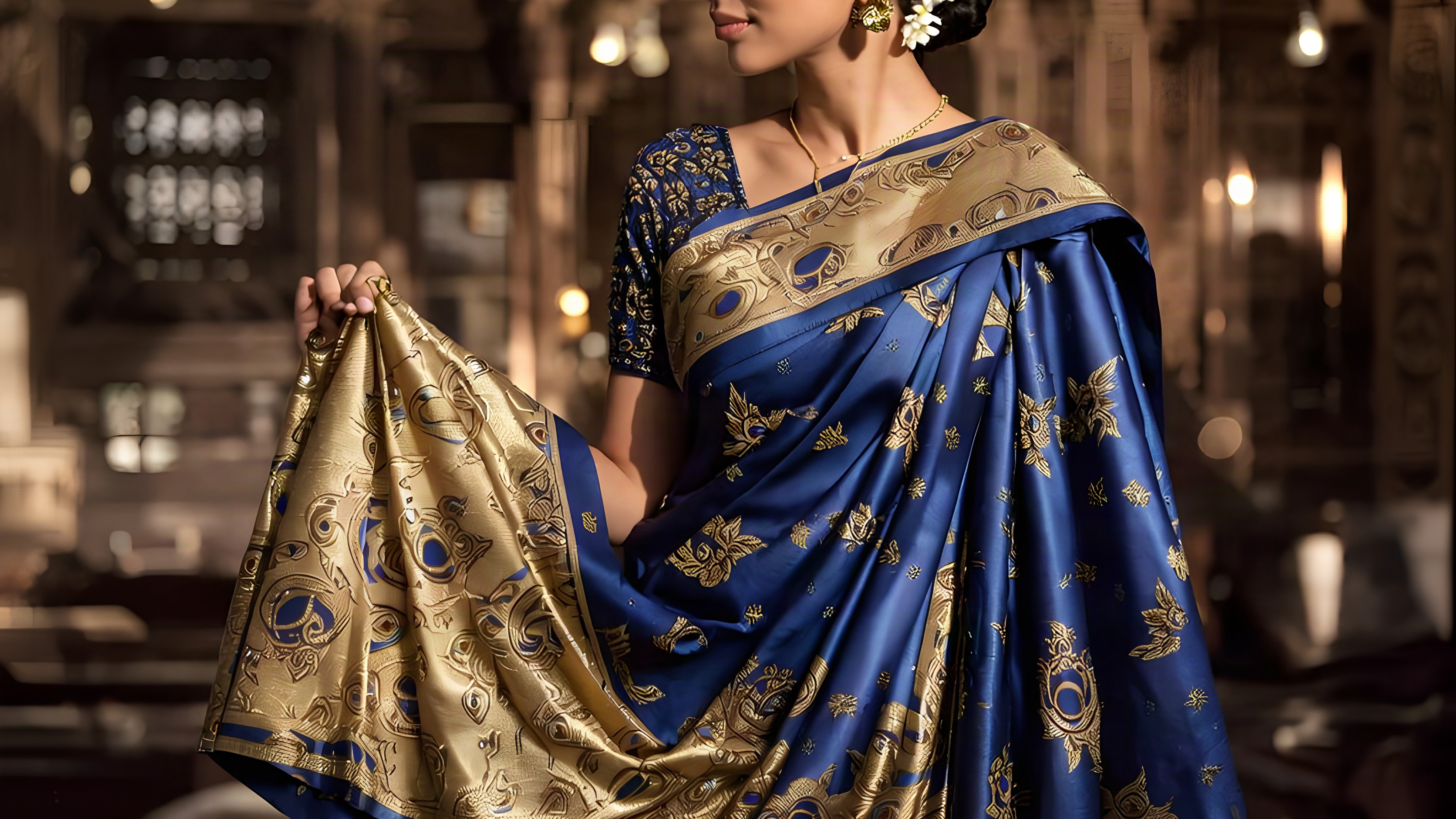
What Should You Check Before Buying?
I would never decide only on the basis of price. Both types are available in different budgets. The real question is whether you can wear the saree comfortably after it arrives.
1. Match The Format To The Fabric
Ready-to-wear works nicely with lighter fabrics. Georgette, crepe, chiffon and soft synthetics keep moving, so stitched pleats actually help them. Otherwise, you will end up fixing the same section repeatedly.
Traditional draping suits heavier fabrics. Kanjivaram, Banarasi and handloom cotton sarees have their own fall. The way the border and pallu sit is part of their beauty, and fixed stitching can detract from it. So first check the fabric. Format comes after that.
2. Match It To The Occasion
For an office celebration, weekday puja, or festive lunch, ready-to-wear is completely fine. Honestly, nobody is checking every pleat that closely. It looks dressed-up, takes less time, and stays manageable.
For a close family wedding, a traditional silk saree may feel more suitable. At these occasions, people notice the fabric, border, and hand-draped pallu more. As a guest, you have more freedom. Wear what lets you enjoy the function. Why spend the entire time checking whether the pleats are still in place?
3. Think About Wearing It Again
A traditional saree can stay in your cupboard for years and still be useful. Change the blouse. Try another draping style. Pass it to somebody else. Nothing is fixed for only one body.
A ready-to-wear saree is more dependent on waist and length. Small alterations are possible, but there is a limit because the pleats are already fixed. The price matters when you are spending more. But for one or two easy festive wears, ready-to-wear still makes sense. Of course it does.
4. Calculate The Complete Cost
The price you see online is not always the final amount. A traditional saree may still need blouse stitching, fall stitching, an underskirt, and matching accessories. Add all of it. Then compare.
A ready-to-wear version may include an attached inner skirt and occasionally a blouse piece. But do check. Every listing is different, and “ready-to-wear” does not always mean the blouse is stitched too. Read the description properly. Always. Product pictures can be perplexing.
What Should You Check Before Buying a Saree?; Photo Credit: iStock
Top Saree Options To Consider
1. SIRIL Georgette Printed Unstitched Saree
2. Anarva Uppada Silk Saree
3. Stylescope Printed Georgette Unstitched Saree
4. SATAZ Pleated Readymade Saree With Unstitched Blouse
5. Vruksh Enterprise Kanjivaram Banarasi Wedding Saree
6. SGF11 Women's Kanjivaram Silk Saree With Blouse
7. Yashika Women's Banarasi Kanjivaram Saree Material
8. ELVONAX Fashion Kanjivaram Banarasi Wedding Saree
Ready‑to‑wear sarees redefine convenience without compromising elegance. With pre‑stitched designs and effortless draping, they save time while maintaining traditional charm. Perfect for busy lifestyles and festive occasions, these sarees blend modern practicality with timeless grace, making them a versatile choice for women seeking style with ease. Shop now on Amazon.
Frequently Asked Questions (FAQs)
1. Is a ready-to-wear saree fine for a wedding?
Yes, especially when you are attending as a guest. Choose a good fabric and make sure the waist and length fit properly. For a close family wedding where traditional silk matters, a hand-draped saree may be the safer choice.
2. How much time does a ready-to-wear saree save?
It may take only a few minutes once you understand how to fasten it. A traditional saree takes longer, especially if you are not confident with pleats or don't have help.
3. Which fabrics work best for a ready-to-wear saree?
Georgette, crepe, chiffon, and other light fabrics work well because stitched pleats stop them from shifting. Heavy silk and handloom cotton usually look better with a traditional drape.
4. Can a ready-to-wear saree be altered later?
Small alterations around the waist and length may be possible. Major changes are difficult because the pleats are already stitched, so try to buy close to your measurements.
5. Do I need a petticoat with a ready-to-wear saree?
Usually not, because many designs have an inner skirt attached. Check the individual product description before buying because not every design is made in the same way.
(Disclaimer: This article may include references to or features of products and services made available through affiliate marketing campaigns. NDTV Convergence Limited (“NDTV”) strives to maintain editorial independence while participating in such campaigns. NDTV does not assume responsibility for the performance or claims of any featured products or services.)