How To Choose Comfortable Heels For Festive Events Including Dancing And Long Evenings
Turning to your flats by eleven again this festive season? Here are some simple, effective tips to pick heels that can actually survive a full night of real dancing.
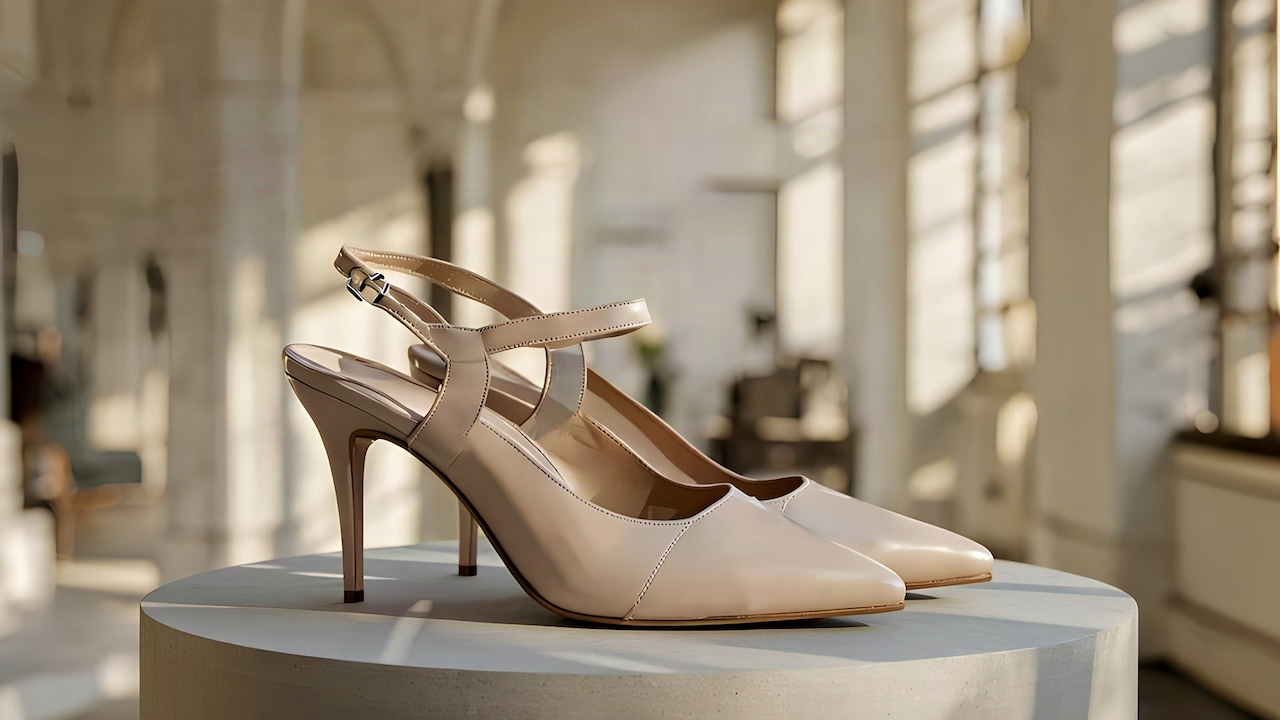
Choosing The Right Heels Can Go A Long Way In Keeping You Comfortable During Long Festive Nights
I enjoy wearing heels with festive outfits, but I also know how the evening usually goes. For the first hour, everything feels fine. Usually after two or three hours of wearing them continuously, I experience discomfort; a slight pain begins around the heel. Slowly, it spreads across the foot, and sometimes even the legs start hurting.
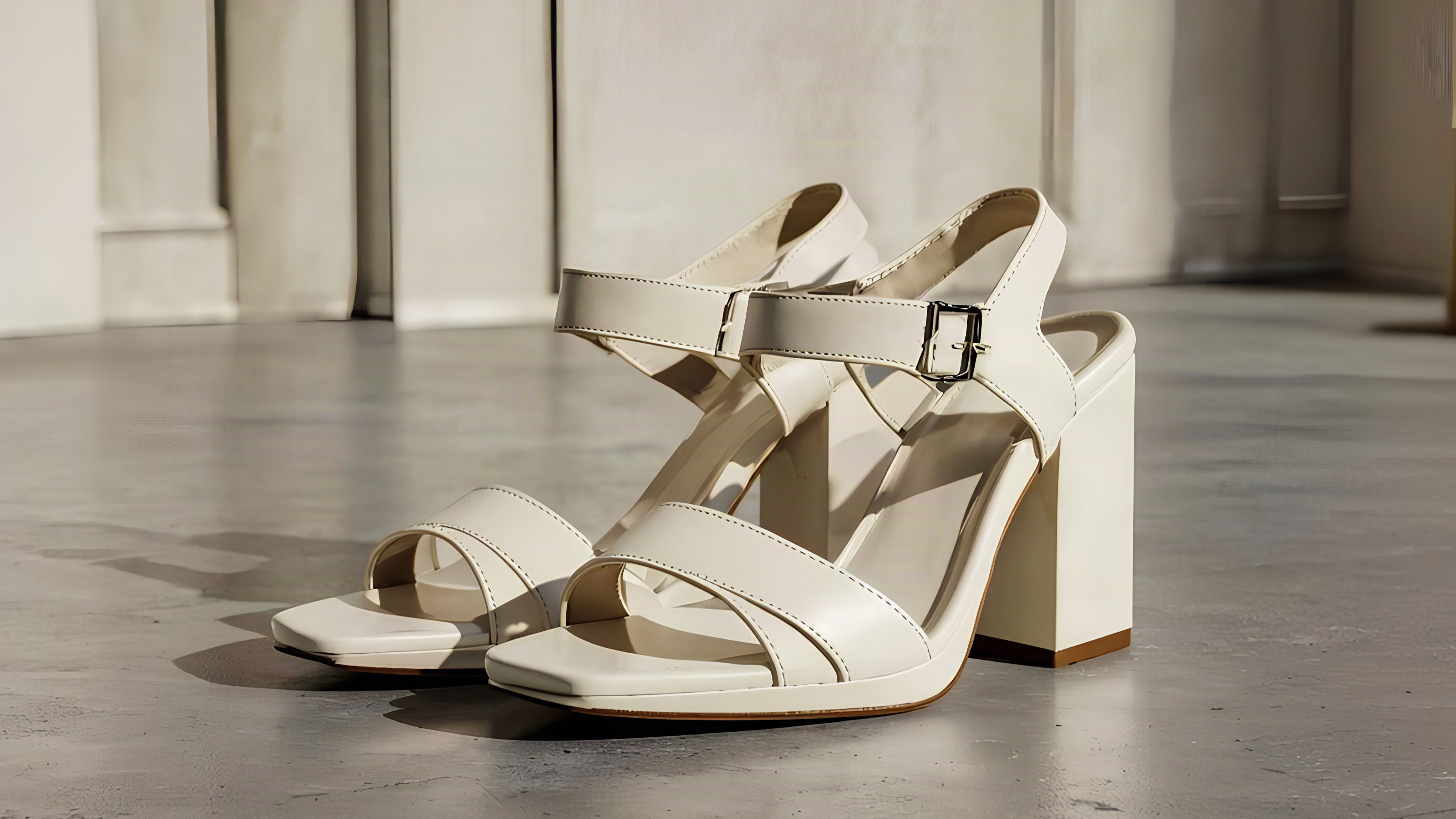
How to choose comfortable feels for festivals; Photo Credit: iStock
This is why I almost always carry a pair of flats with me. You could call it a ritual by now. I leave home wearing heels, and once they become uncomfortable, I switch to flats or sometimes sneakers. They may not look as festive, but at that point comfort comes first.
Also Read: Festive Footwear Edit: Discover Styles That Pair Perfectly With Sarees, Suits And More
Of course, changing shoes halfway through the event is not the only option. Choosing the right heels in the first place can help you remain comfortable for much longer. Height matters, but so do the shape of the heel, the straps, the cushioning, and the sole.
What Actually Makes A Heel Comfortable For Dancing?
For me, block heels have always been the more comfortable choice. They give you height and still feel balanced, which becomes important when you are wearing them for several hours at a festival.
A thin heel can look elegant, but it places your weight on a much smaller point. A block heel has a wider base, so it does not feel as unsteady when you walk, turn or dance. This does not mean every block heel will be comfortable. If the shoe is too tight or has a stiff insole, your feet can still hurt.
The front of the shoe matters as well. A narrow toe shape may look attractive in photographs, but it can begin pressing against the toes after a while. For a long festive evening, I would rather choose a heel that gives the foot some space.
Does Heel Height Really Make That Big A Difference?
Yes, although the effect is not always noticeable when you first try the shoes. You may walk around the house for five minutes and feel completely comfortable. The real test begins after an hour or two, when your feet have been carrying the same pressure continuously. With a high heel, that pressure moves towards the front of the foot and the toes.
A heel of around two inches is usually easier to manage for a long event. It still looks dressy with a lehenga, saree or anarkali, but it does not feel as demanding as a much taller heel.
I would still wear taller heels for an event where I knew I would mostly be sitting, talking and taking photographs. If the plan involved proper dancing, I would choose the lower pair.
Also Read: How To Choose Comfortable Heels For A Full-Day Festive Function
How Do You Actually Pick A Heel That Lasts The Night?
The prettiest pair on the product page may not be the pair you enjoy wearing. Before buying, I would check these four things.
1. Check The Heel Shape First
Block heels are my first choice for festivals because they feel more stable. Wedges are another practical option, especially if you are not used to walking in heels.
Stilettos can look more formal, but they demand better balance. That becomes tiring when you are standing for hours or moving on a crowded dance floor. If you rarely wear heels, a festive night is probably not the best time to experiment with a very thin or very high pair.
2. Look Closely At The Straps
A shoe that stays with the foot is easier to walk and dance in. An ankle strap or adjustable slingback can help with that.
Backless heels often look effortless, but your toes may keep gripping the shoe to stop it from slipping. I also check whether the front straps look soft or stiff. A fancy strap with stones or a firm edge may begin rubbing once the foot starts moving and swelling.
Customer reviews are useful here. Instead of only checking the star rating, search for comments about loose straps, shoe bites and slipping.
3. Read What The Listing Says About Comfort
When ordering heels from Amazon, I would check the brand and whatever comfort features it promises. A cushioned or padded insole is worth looking for, particularly under the ball of the foot.
Still, I would not trust the word “comfortable” in the product title by itself. Reviews from people who wore the heels for a wedding, party or several hours will tell you much more.
Some fancy heels look very glossy and attractive, but the construction underneath is not always as good as the finish. If there is barely any padding between the foot and the unforgiving sole, the pain usually arrives much earlier.
4. Match The Sole To The Floor
Most festive functions take place on tile, marble or another smooth floor. A completely smooth sole can become slippery, especially during dancing.
Rubber or textured soles give you more grip. If a pair you already own has a smooth sole, you can add non-slip sole pads. Try them before the event rather than discovering on the dance floor that they do not hold properly.
What Else Should You Check Before Buying?
Once the heel itself looks suitable, there are a few more practical things to consider.
1. Confirm The Size
Sizing is not exactly the same across every footwear brand. Check the size chart on the individual listing and read what buyers say about the fit.
Do not automatically order a larger size because you expect your feet to swell. A loose shoe can slide forward and cause rubbing. At the same time, a tight pair may become unbearable after an hour. The right fit should hold the foot without squeezing the toes.
2. Choose Adjustable Straps
I prefer a buckle or adjustable strap because it gives you some control over the fit. Feet can swell during a long, warm evening, and being able to loosen the strap slightly can help.
A fixed strap may feel fine at home but begin pressing into the skin later. When trying the shoes, walk around rather than checking the fit only while sitting.
3. Consider The Colour And Outfit
Comfort comes first, but the heels still need to work with the outfit. Black is the easiest option because it goes with almost everything. For festive clothing, gold and silver are also useful choices and can be worn with more than one outfit.
Try the heels with the complete outfit before the event. The height should match the length of your lehenga or trousers, and the colour should complement your jewellery and embroidery, not compete with them.
4. Choose Timeless Over Excessively Fancy
One of the most common mistakes people make is choosing fancy heels over comfortable ones. A glossy finish, very thin straps or heavy decoration can make a pair look attractive online, but these details do not tell you how the shoe will feel after two hours.
I would look for something comfortable and classy rather than the fanciest pair available. A simple block heel in black, gold or silver can still look festive. More importantly, you may actually wear it again.
So Which Heel Should You Actually Go For?
For an evening that includes several hours of standing and dancing, my choice would be a block heel of around two inches. I would look for an ankle strap, cushioning under the foot and a sole with enough grip for a smooth indoor floor.
If the event is more formal and involves less movement, you can choose a taller or thinner heel. But if you already know that your feet start hurting after one or two hours, be realistic about it. Wear the comfortable pair and keep flats in your bag as a backup.
That backup does not mean you chose the wrong heels. Sometimes feet simply get weary. The aim is to enjoy the event without spending the entire evening thinking about your shoes.
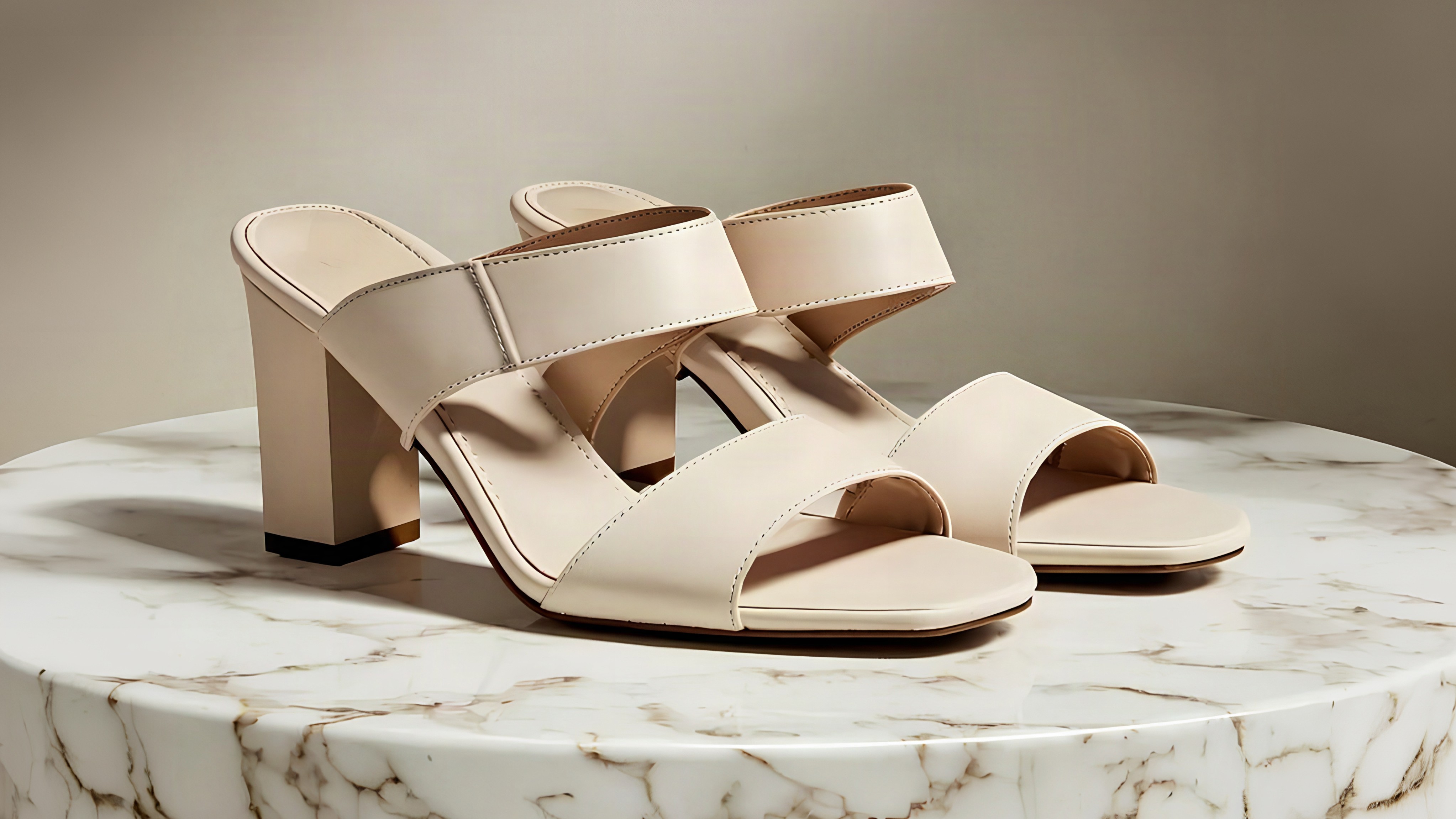
Some Heels You May Like
Photo Credit: iStock
Some Heels Available Online That You May Like
1. AROOM Soft Block Heel Stability Criss-Cross and X-Strap Sandals
2. Theater Women's Twiggy Mary Jane Block Heel Sandals with Adjustable Buckle Slingback
3. Bata Women's Block Heel Sandal
4. JM LOOKS Elegant Pointed Toe Slingback Kitten Heels
5. STICY Trending Stylish Fancy and Comfort Block Heel
6. Marc Loire Women's Smart Casual Double Strap Block Heel Fashion Sandals
7. SKOLL Wedges, Heels, and Sandals for Women with Ankle Straps
8. Todhwear Double Cut Heeled Sandals Square Toe Slip-On Block Heel
Frequently Asked Questions (FAQs)
1. What heel height works best for dancing all night?
A heel of around two inches is a practical choice for most people. It gives you some height without placing as much pressure on the front of the foot as a taller heel.
2. Are block heels better than stilettos for dancing?
I find block heels more comfortable because their wider base feels steadier. Stilettos can work for shorter events, but they usually require more balance and may start hurting sooner.
3. Does an ankle strap make a difference?
Yes. It helps keep the shoe attached to your foot while you walk or dance. An adjustable strap is even better because you can change the fit slightly during the evening.
4. Should I size up when buying heels for dancing?
Not automatically. A loose shoe may cause the foot to slide and rub. Check the listing's size chart and buyer reviews, particularly comments about whether the pair runs narrow or small.
5. What kind of sole works on function-hall floors?
A rubber or textured sole is generally easier to manage on polished tile or marble. If the sole is completely smooth, consider adding a non-slip grip pad before the event.
(Disclaimer: This article may include references to or features of products and services made available through affiliate marketing campaigns. NDTV Convergence Limited (“NDTV”) strives to maintain editorial independence while participating in such campaigns. NDTV does not assume responsibility for the performance or claims of any featured products or services.)