How To Transition Your Ethnic Wardrobe Into Winter
Learn how to transition your ethnic wardrobe into the winter with easy layering ideas, warm fabrics, jackets, shawls, and styling tips for everyday wear.
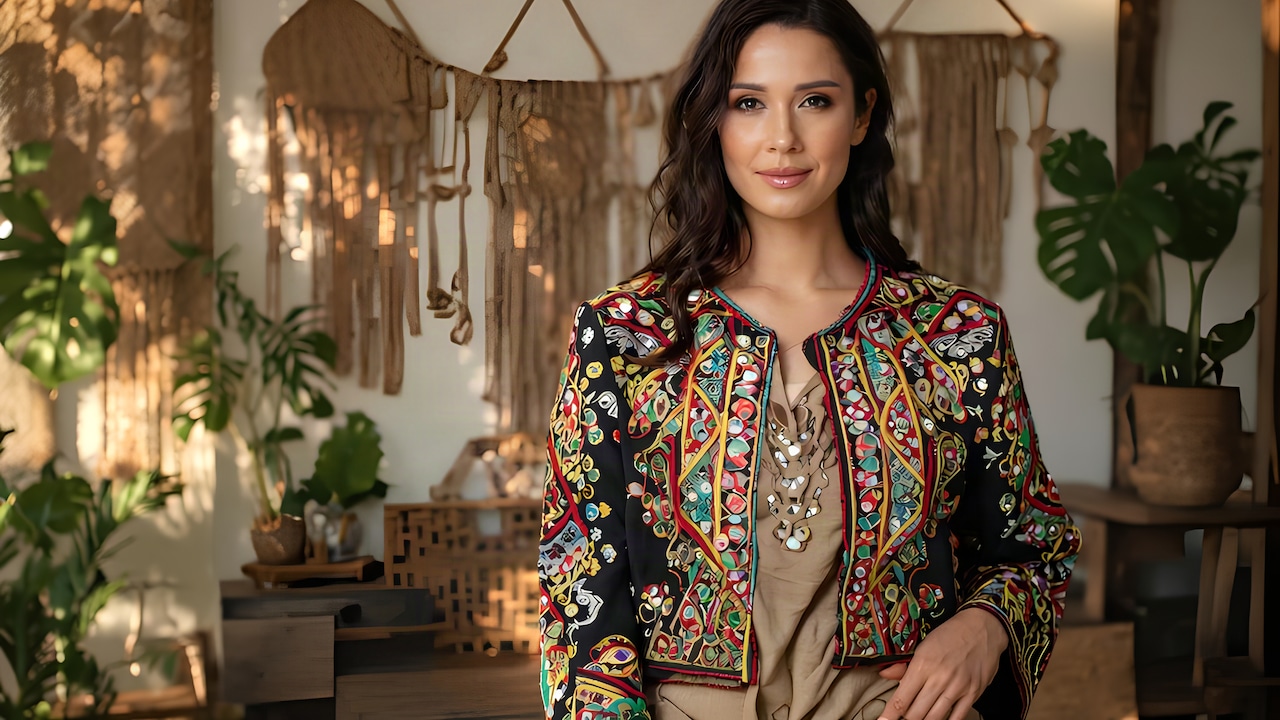
How To Transition Your Ethnic Wardrobe Into Winter
Winter can make the usual ethnic wardrobe feel a little tricky. That cotton kurta you wore all through October suddenly feels too light, while the heavy sweater sitting in your cupboard doesn't quite look right with your favourite salwar set. But you don't really need to pack away your ethnic clothes when the temperature drops. A few smart layers, warmer fabrics and the right winter accessories can make kurtas, sarees, lehengas and ethnic sets work through the colder months too.
Start With The Ethnic Pieces You Already Own
Photo Credit: iStock
The idea is simple: don't replace your ethnic wardrobe; layer it better. From knitted shrugs to woollen shawls, there are several ways to add warmth without making the outfit look bulky.
Start With The Ethnic Pieces You Already Own
Before you buy any new clothing pieces, check your closet and see how much ethnic wear is already there. Many of them will make excellent winter clothes if you pair them with just one or two additional items.
1. Use Your Kurtas As The Base Layer
A long kurta may actually fit really well in a winter wardrobe, especially if it is combined with an additional thin thermal or full-sleeved layer. If you have cotton kurtas, use them on slightly colder days. On the other hand, velvet, silk or blended kurtas will be a fantastic addition in winter.
Make sure that the inner layer is close-fitting, since otherwise the sleeves of the kurta will be too tight.
2. Add A Longline Layer Over Straight Kurtas
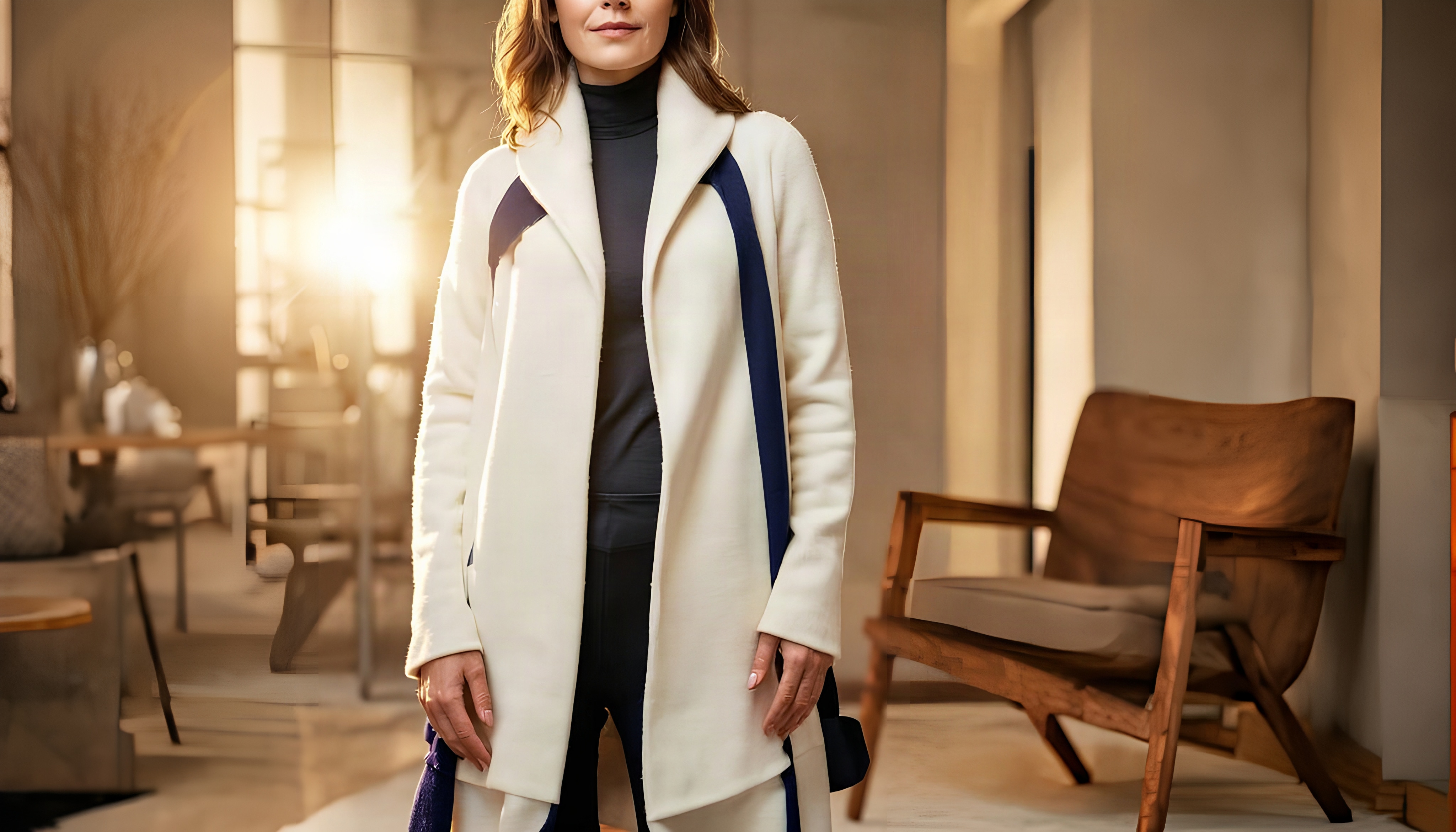
You can add an additional layer, such as a cardigan, knit shrug, or ethnic jacket, and easily transform an ordinary kurta into winter clothes. Neutral colours will suit printed kurtas, while a darker tone can go well with plain outfits.
This combination is ideal for the office as well since an additional layer will create a more formal look.
Layer Your Ethnic Outfits Without Making Them Bulky
The biggest problem with winter layering is not the cold but having too many bulky clothes on you. Instead, you should build your winter wardrobe on the basis of thin layers, with the help of one or two warmer pieces.
1. Try A Thermal Under Your Kurta
A thermal top is useful when it is too cold, but you do not want to give up your favourite ethnic pieces. Choose close-fitting tops, which are going to be almost invisible under the kurta.
It is definitely more convenient than trying to put on a bulky sweater when it comes to sarees and light kurtas. This way you are going to stay warm, without transforming the original outfit.
2. Pick Sleeveless Ethnic Jackets For More Flexibility
A sleeveless Nehru jacket or embroidered koti is another easy option, particularly for men and women who don't want full sleeves over their ethnic clothes.
For a kurta-pyjama combination, a woollen or quilted Nehru jacket can add warmth while keeping the outfit traditional. Women can also wear embroidered waistcoats over kurtas, Anarkalis and even simple dresses.
3. Don't Ignore The Dupatta Or Stole
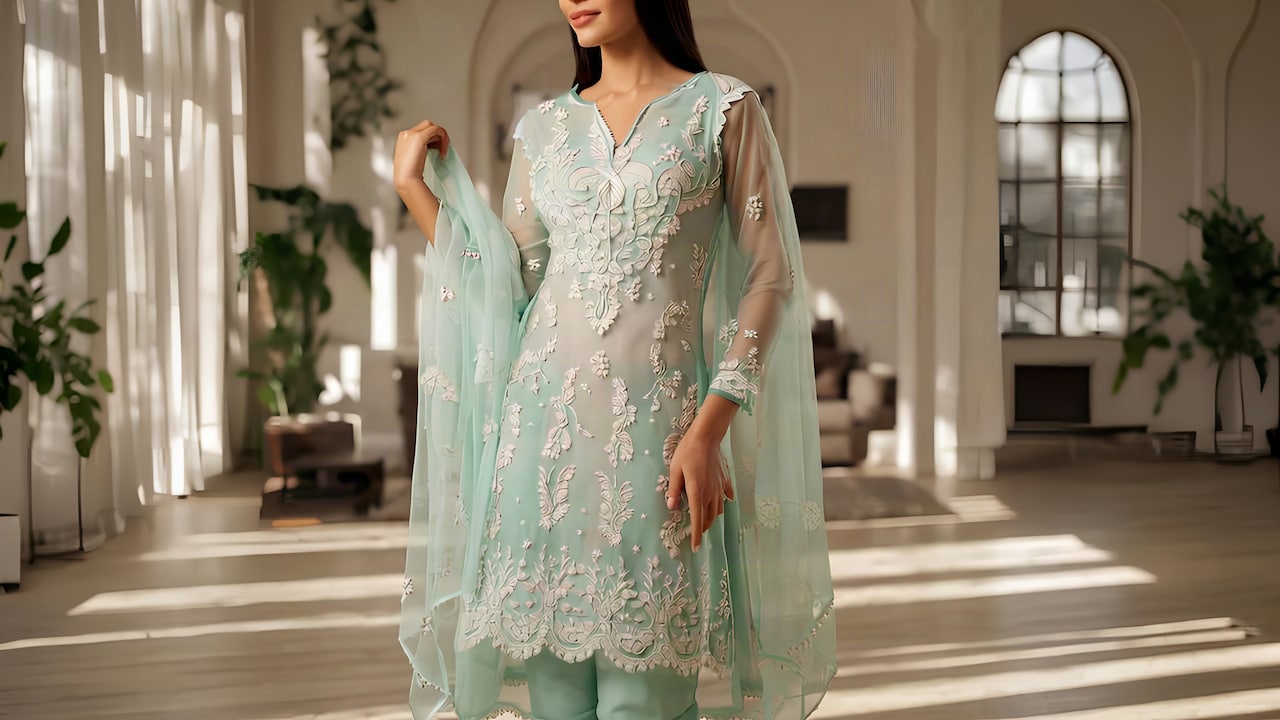
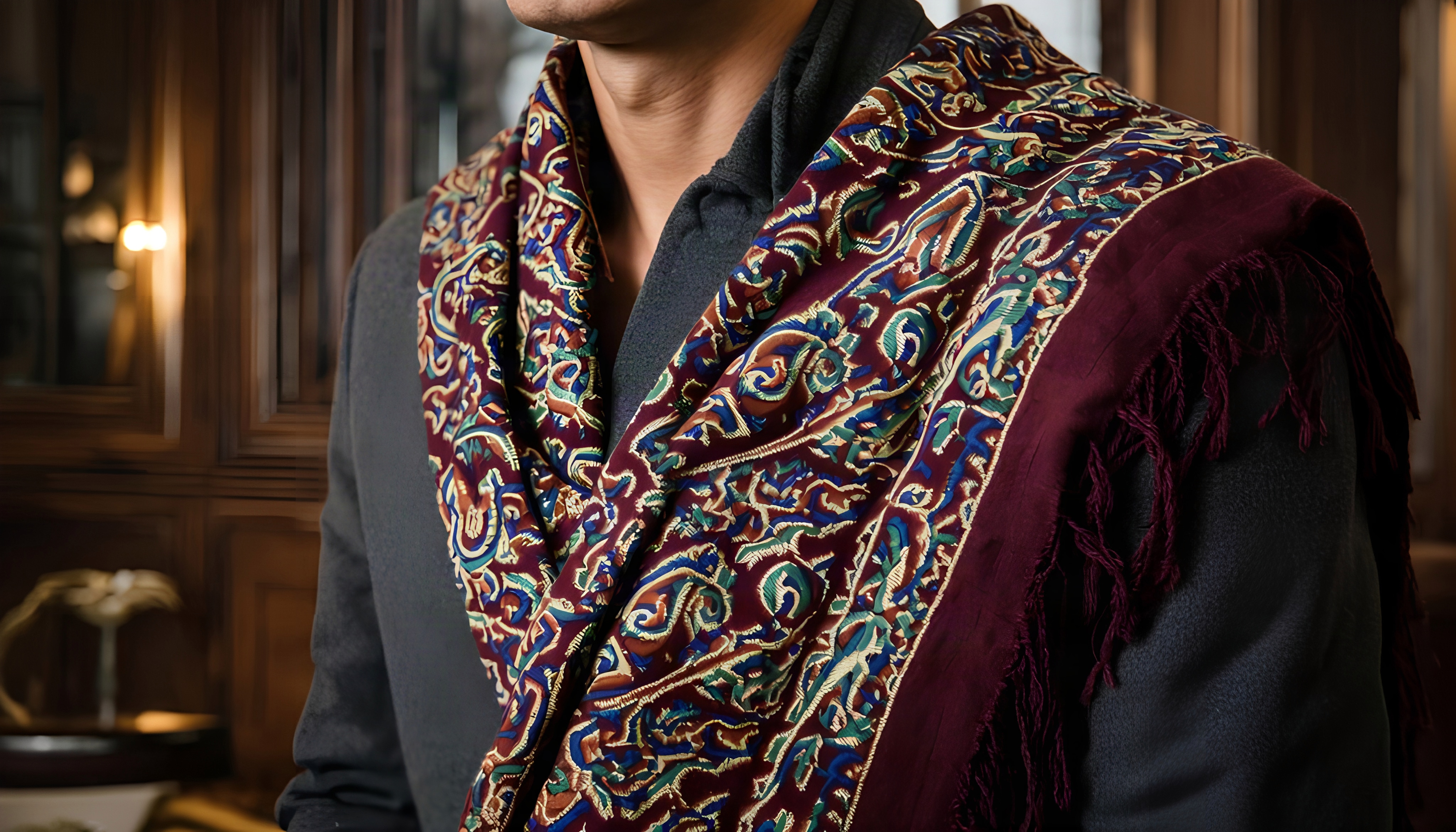
Sometimes you don't need another sweater at all. A heavier stole or woollen dupatta can provide enough warmth for an evening function, especially when the rest of the outfit is already layered.
Choose a solid stole with a printed kurta, or let a patterned woollen piece become the main detail when the outfit itself is simple.
Also Read: Ethnic Wear Style Guide: How To Style Traditional Angrakha Kurta With A Modern Twist
Make Sarees And Lehengas Work In Colder Weather
Winter weddings and festive gatherings can be especially confusing because sarees and lehengas are often designed more for appearance than warmth. Fortunately, small changes can make them much more practical.
1. Wear A Full-Sleeved Blouse With Sarees
A full-sleeved blouse is one of the easiest ways to make a saree more winter-friendly. Velvet, brocade and thicker fabrics can feel warmer than very lightweight blouse materials.
You can also use a fitted thermal underneath if the weather is particularly cold. Just make sure it doesn't show through the blouse or change its fit.
2. Add A Velvet Or Woollen Layer To A Lehenga
For winter weddings, a velvet jacket over a lehenga can look festive while also giving you some coverage. A cropped ethnic jacket works well when you want the lehenga silhouette to remain visible.
If the outfit already has heavy embroidery, keep the jacket relatively simple. Too many decorative elements can make the look feel crowded.
3. Carry A Shawl That Actually Completes The Outfit
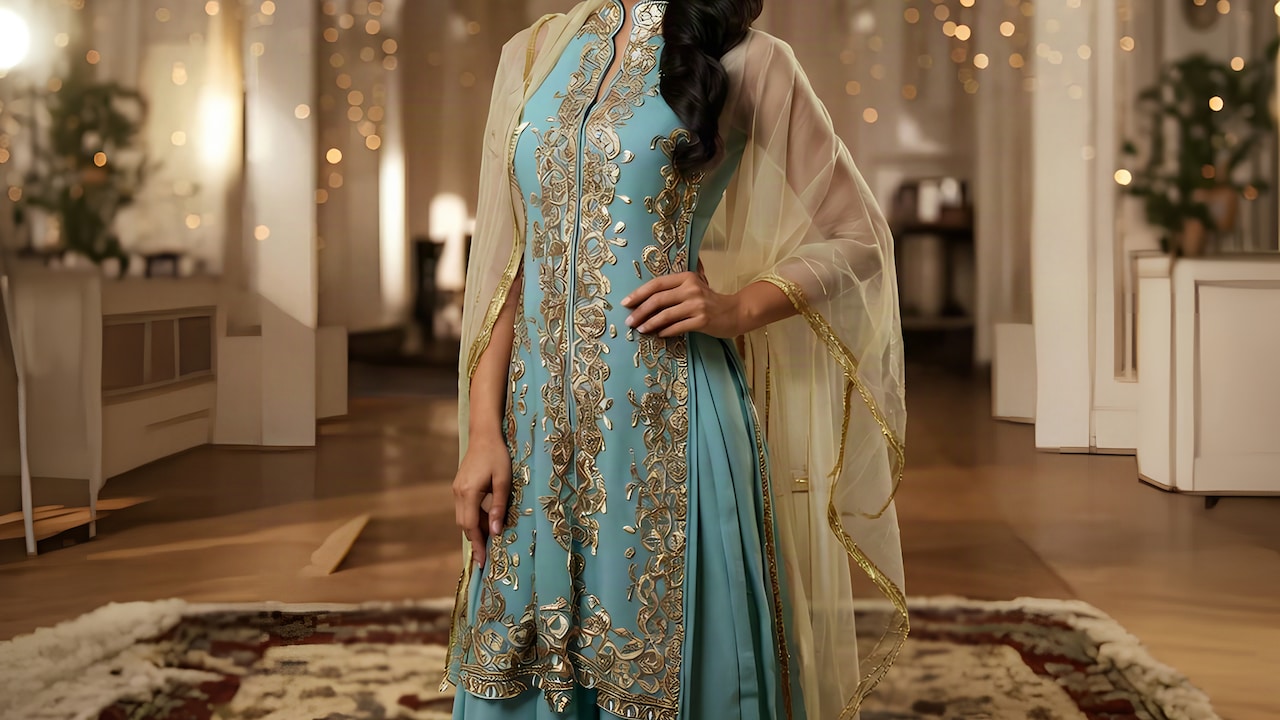
A stylish shawl is not only for keeping warm. It can also become part of the outfit. A woven wool shawl over a saree or lehenga can make the entire look feel more winter-appropriate.
For daytime events, neutral shades such as beige, cream or brown are easy to combine. Evening functions can benefit from deeper colours like wine, navy, or maroon, which add more character.
Some Ethnic Winter-Wear Products You May Like
Photo Credit: iStock
Some Ethnic Winter-Wear Products You May Like
1. Soch Womens Acrylic Crochet Winter Shrug
2. Pashmoda Women's Velvet Crystal Work Stole, Shawl and Wrap
3. Weavers Villa Kani Poly Wool Shawl
4. PIPASA Women's Winter Designer Woollen Sweater Plain Shrug Cardigan
5. Craft Trade Women's Cotton Embroidered Kutchi Jacket with Tassels
6. Goodluck Men's Pure Wool Lohi/Woollen Shawl
7. WINTAGE Mens Tweed Wool Nehru Jacket
8. Zamour Woollen Kani Weave Shawl for Men
As winter approaches, you don't need to pack away your favourite ethnic outfits. With the right layering pieces, warm fabrics and thoughtful styling, you can continue wearing sarees, kurtas and ethnic sets comfortably throughout the season. A few simple wardrobe updates can help you stay cosy while keeping your traditional look intact, making it easy to celebrate weddings, festivals and special occasions in style all winter long.
Frequently Asked Questions (FAQs)
1. Can ethnic dresses be worn in winter?
Yes. Kurtas, sarees, lehengas and ethnic sets can all be worn in winters, provided there is appropriate layering underneath with jackets, shrugs or shawls.
2. What can be worn with a kurta in the winter?
Thermal, a full-sleeved inner or a fitted turtleneck, can work with a kurta in winters. Choose something light so that the kurta does not appear stretched and bulky.
3. What layer to wear with a saree in winters?
Full-sleeved blouses, velvet jackets, woollen shawls or ethnic fitted jackets can be worn with a saree in winters. It just depends upon the formality of the occasion.
4. Should velvet jackets be worn for winter weddings?
Yes, velvet jackets can be an excellent choice in winter weddings, as velvet will add warmth to the dress without making it dull.
5. How can I make my ethnic wardrobe warm in winters without buying new clothes?
You can use thin thermals, cardigans, shrugs, jackets and woollen shawls which can go with several dresses to keep warm. .
(Disclaimer: This article may include references to or features of products and services made available through affiliate marketing campaigns. NDTV Convergence Limited (“NDTV”) strives to maintain editorial independence while participating in such campaigns. NDTV does not assume responsibility for the performance or claims of any featured products or services.)