How To Style One Dupatta Three Ways Across The Festive Week
Learn how to style one dupatta three ways across a festive week with easy draping ideas for kurtas, suits, shararas and lehengas. Create fresh festive looks.
How To Style One Dupatta Three Ways Across The Festive Week
A festive week usually involves attending many family get-togethers, pujas, dinners, and parties, and wearing a brand-new outfit for each event can burn a hole in your pocket. A good versatile dupatta can give the same ethnic wardrobe a fresh look each time without having to run out and buy a whole new look. The secret is to change the drape, the pairing, and the overall styling, rather than repeating the same combination.
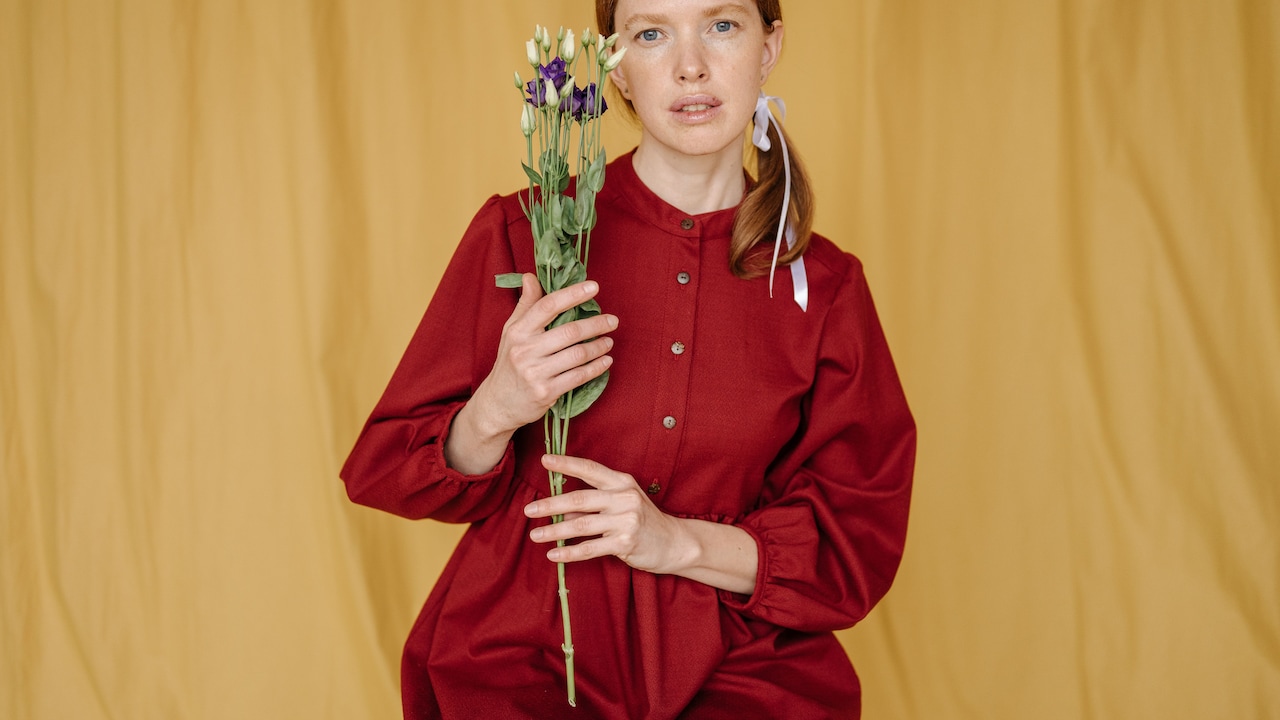
How To Style One Dupatta Three Ways For Festive Week; Photo Credit: iStock
Small tweaks can make one dupatta look traditional for a daytime celebration, dressed up for a family dinner, or more statement-making for an evening event, and this approach works especially well for Indian festive dressing, where lightweight fabrics, colourful prints, embroidery, and traditional silhouettes can be combined and coordinated to suit the occasion; these can be found on Amazon.
Also Read: Top 5 Flat Sandals With Ethnic Embroidery Under ₹1000
How To Style One Dupatta Three Ways For Festive Week
Draped differently, a dupatta can transform the entire look of an ethnic outfit. Instead of just adding it on as an extra layer, consider it to be a styling element that can change the proportions and personality of your entire look.
One dupatta can be teamed with a straight kurta for one celebration and a sharara or palazzo set for another, even a lehenga-style outfit for an evening function. Choosing a versatile colour or print will make these combinations even easier, and the best part is that the styling can stay comfortable and practical while looking different in photographs.
1. Traditional Shoulder Drape for Daytime Celebrations
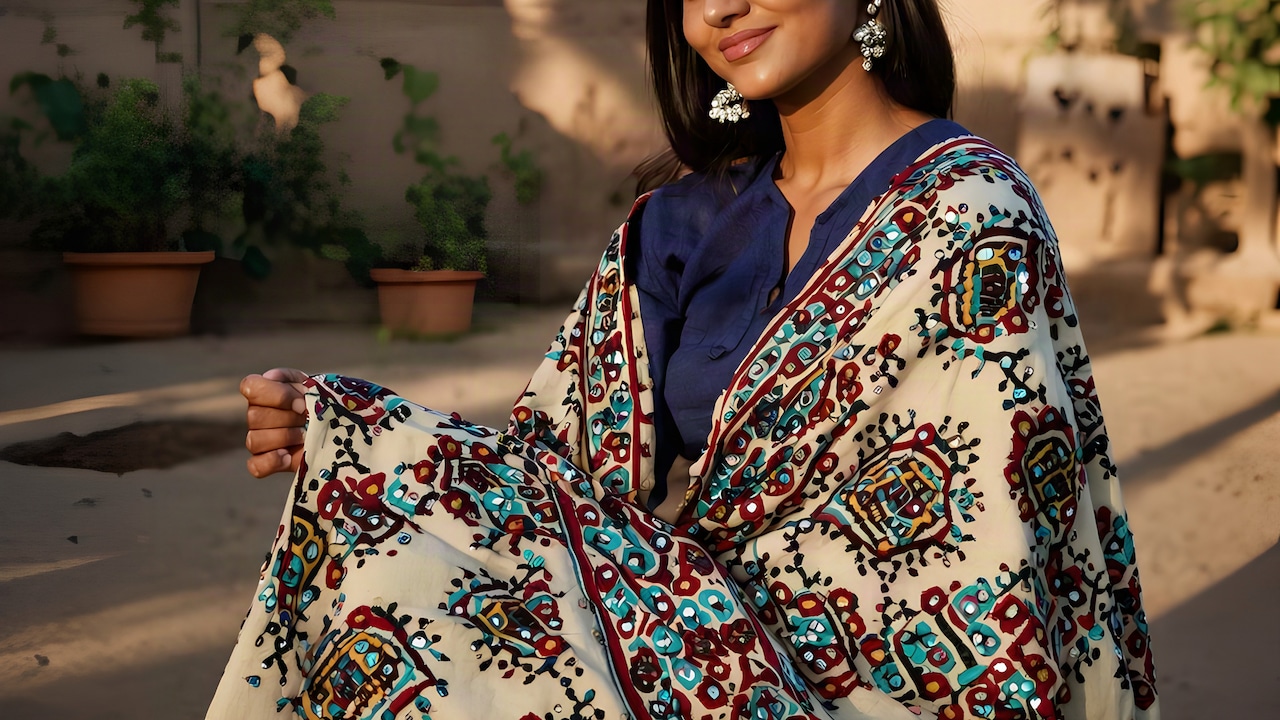
For a simple daytime puja or family gathering, let the dupatta fall naturally across the front, draped over one shoulder, and pair it with a straight kurta and matching or contrasting bottoms for an effortless traditional look. This style is good-looking, particularly with cotton, chiffon, georgette or light embroidered dupattas.
2. Front Drape For A Polished Festive Look
To give a more structured look, bring both ends of the dupatta to the front and drape it evenly over the shoulders, as this technique makes a balanced silhouette and stops the fabric from sliding all the time. It goes well with anarkalis, straight suits and coordinated ethnic sets when you want to look neat, clean and tidy.
3. One-Side Draping For An Evening Outfit
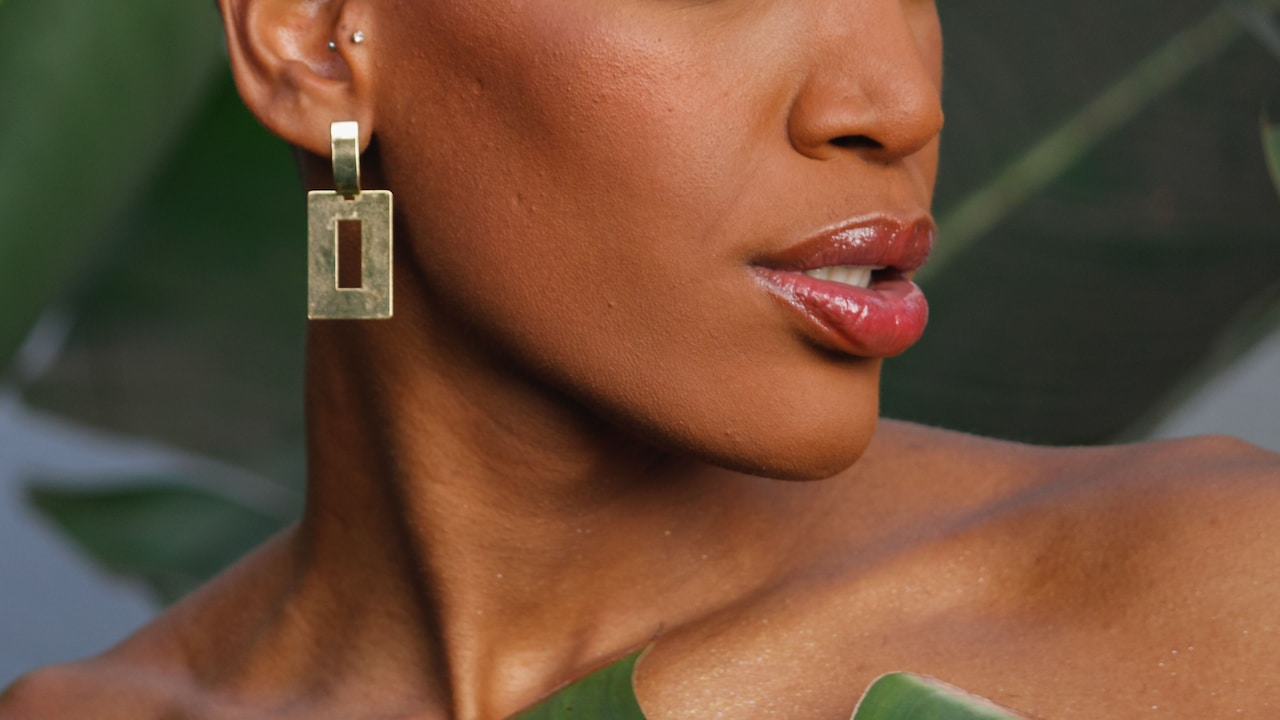
For a festive dinner or evening party, let the dupatta fall over one shoulder, keeping the other side relatively open. If necessary, you can discreetly attach it to the shoulder. This creates a relaxed, elegant look and lets statement earrings, necklaces, or embellished necklines show.
Understanding What Makes A Dupatta Easy To Restyle
Dupattas vary in how simple they are to style. For example, the fabric, length, weight, border and print can affect how easy it is to style with different outfits. Usually, a medium-weight dupatta of a manageable length is easier to drape in various styles, and heavier embellished pieces can make for a more dramatic look but may not be as comfortable for extended wear.
If you want to pick one dupatta to go with a range of festive attires, opt for neutral shades, jewel tones, subtle prints or reversible styles. For added versatility, a dupatta that matches a few colours already in the wardrobe can be especially useful.
Practical Steps To Create Three Different Looks
Step 1: Start With A Versatile Dupatta
Choose a dupatta that can be teamed with at least two or three existing outfits in the wardrobe, and consider the colour, border, print and fabric before you decide how to style it.
Step 2: Change The Outfit Pairing
Instead of wearing the same kurta throughout the week, pair the dupatta with different ethnic silhouettes. A straight kurta, palazzo set, and lehenga-style outfit can create noticeably different combinations.
Step 3: Change The Drape
It can be worn as a shoulder drape, front drape, or one-sided. Even the same dupatta can look different if you change the way you wear it.
Step 4: Update The Accessories
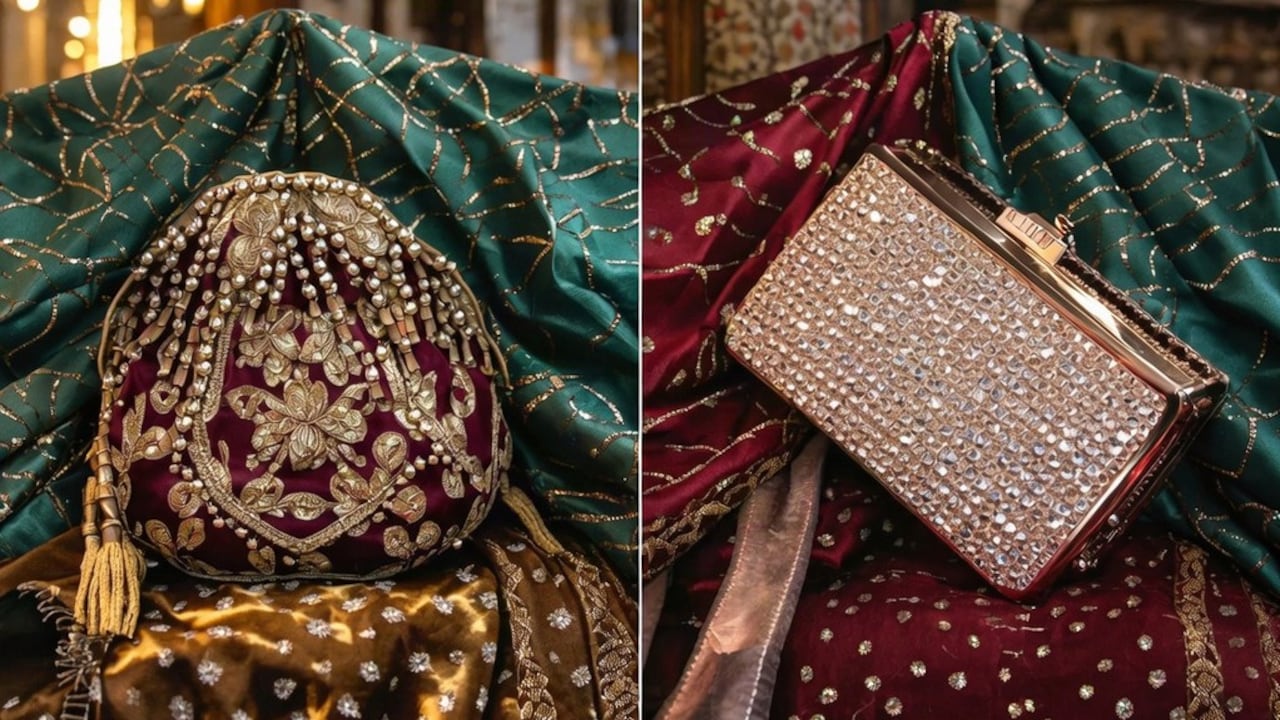
Complete each look with different earrings, shoes, bangles, bags or hairstyles. Depending on the accessories, the same dupatta can look entirely different at different festivals.
Benefits Of Restyling One Dupatta During Festive Week
A simple way to make your festive wardrobe more versatile without spending more money is to restyle a dupatta. Rather than purchasing lots of statement pieces, a single well-chosen accessory can be worn with many outfits, also it makes packing and organising easier when attending multiple celebrations, as a dupatta does not take up as much wardrobe and luggage space as many more outfits.
This approach can also promote more conscious shopping, and investing in versatile ethnic pieces that can be styled in different ways gives more value and provides more outfit combinations from an existing wardrobe.
Common Dupatta Styling Mistakes to Avoid
1. Using The Same Drape Every Time
Different outfits can look repetitive with the same styling of dupatta, and changing the drape is one of the simplest ways to add visual variety.
2. Overloading The Look With Accessories
A heavily embroidered dupatta is already a visual treat, and adding too many statement accessories can make the outfit look busy, especially if the fabric has a bold print or fancy border.
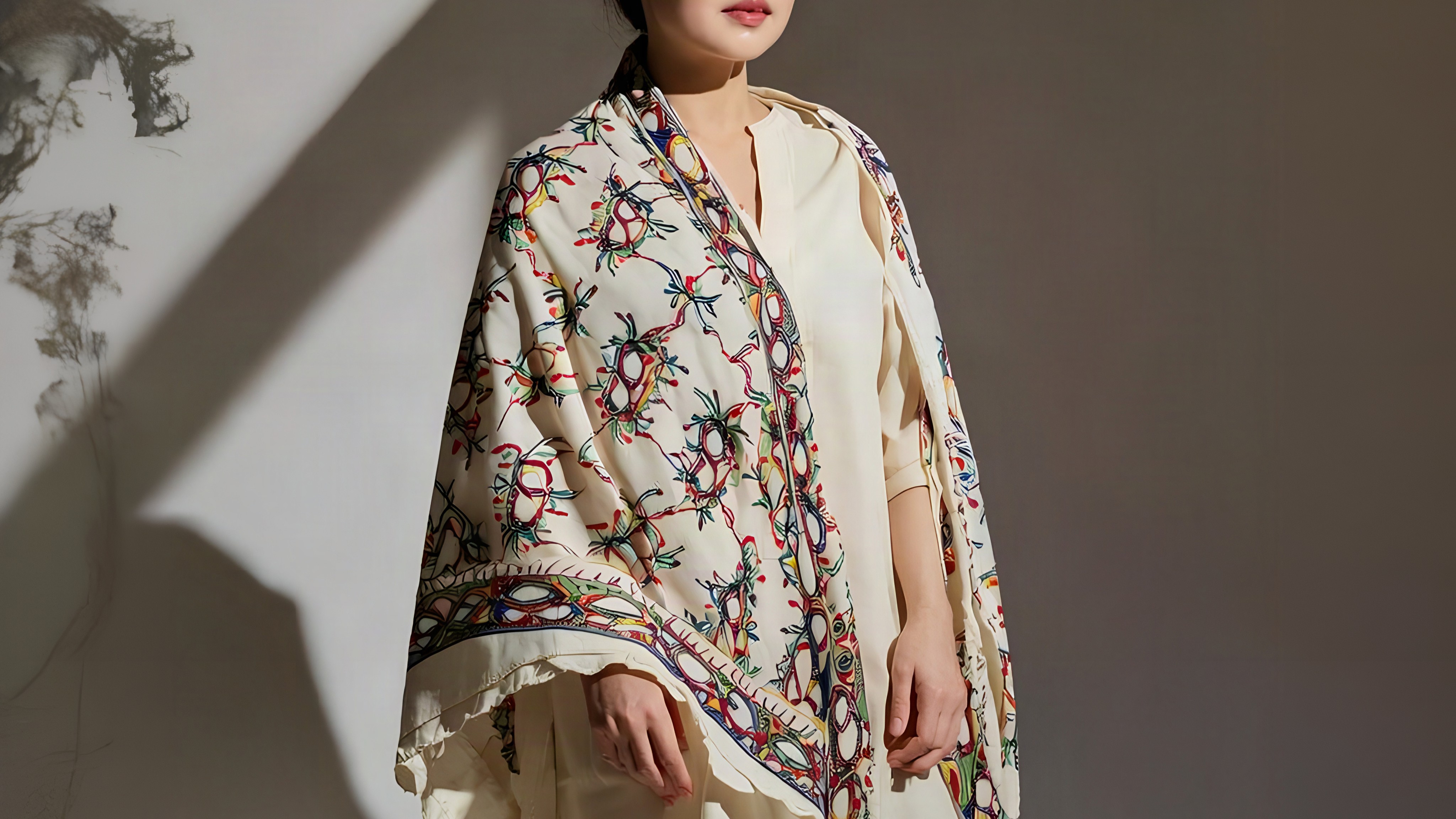
Benefits Of Restyling One Dupatta During Festive Week; Photo Credit: iStock
Some Dupattas You May Like
1. Banjara India Women's Embroidered Kutchwork Cotton Dupatta
2. Fabcartz Beautiful Embroidery work Rangoli Dupatta
3. Studio Shringaar Women's Chanderi Silk Blend Handloom Dupatta
4. Negchaar Store White Embroidered Chiffon Dupatta
5. DEVANGI Women's Woven Banarasi Silk Zari Dupatta
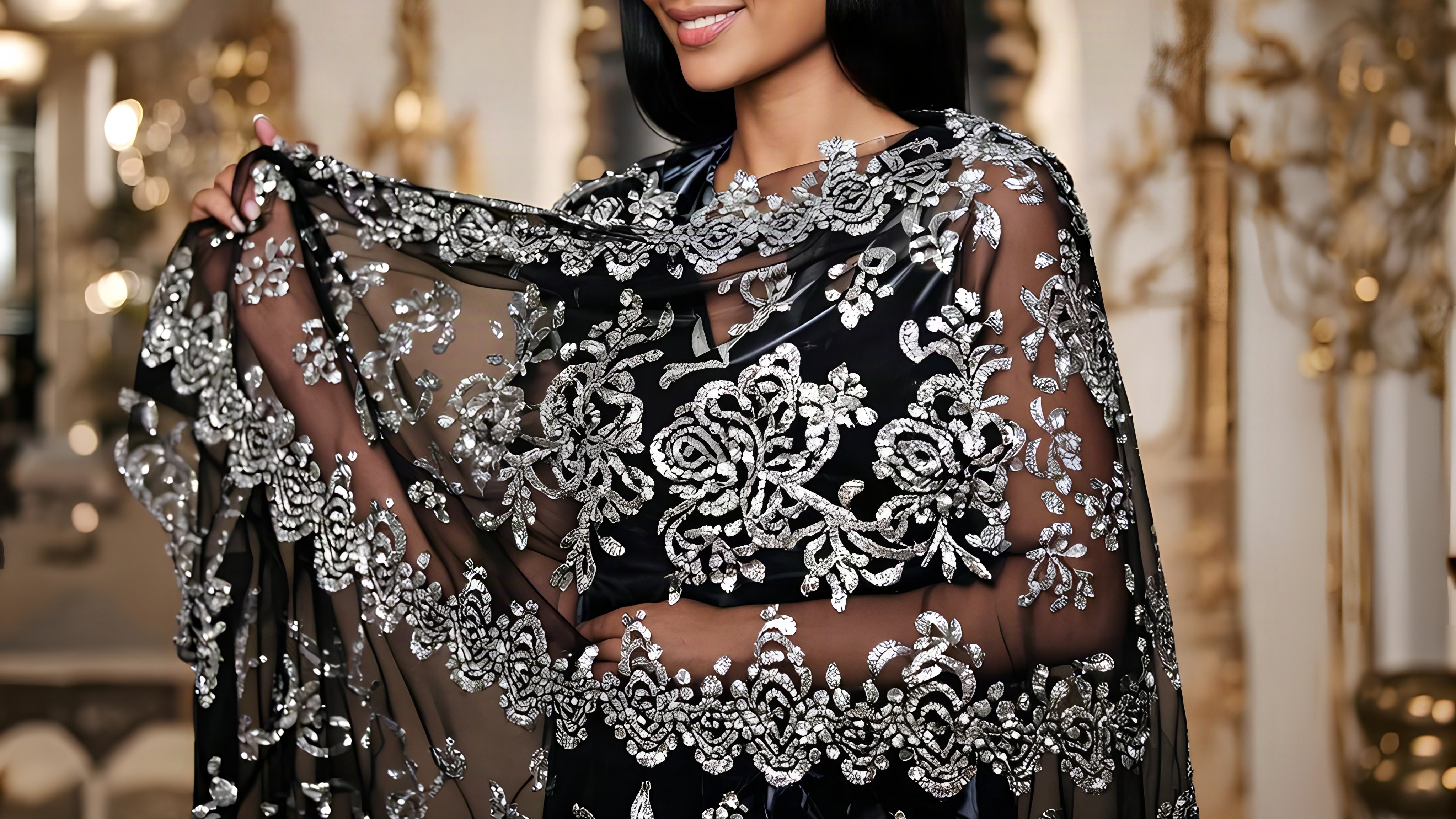
6. YOUTHQUAKE Plastic Mirror Embroidered Net Dupatta
7. AKSHADEEP Store Women's Cotton Blend Bandhani Print Dupatta
8. Studio Shringaar Women's Net Sequence Embroidered Full-Size Dupatta
Dupattas remain a timeless accessory, blending tradition with modern flair. From vibrant prints to elegant fabrics, they elevate any outfit with grace and versatility. Whether draped casually or styled for occasions, dupattas add charm and cultural richness, making them an essential piece in every woman's wardrobe. Shop now on Amazon.
Frequently Asked Questions (FAQs)
1. Is it possible to pair a single dupatta with different festive outfits?
Yes. A multi-use colour, flexible fabric and versatile design can be paired with kurtas. As well as suit sets, shararas and lehenga-inspired ensembles can be paired too.
2. Which dupatta fabric is easy to style?
Chiffon, georgette and soft cotton fabrics are generally easy to fold, drape and reposition to create different looks.
3. Why does the dupatta always look different?
This one dupatta can look so different depending on how you drape it, pair it with an outfit, accessories, hairstyle and footwear.
4. Is the festive dupatta required to match the outfit exactly?
Not really. Matching colours will create a coordinated look. In contrast, using complementary colours can create a more interesting festive look.
5. How can a dupatta make a festive wardrobe more affordable?
A multipurpose dupatta allows you to mix and match with many of your existing outfits and make more combinations with the same wardrobe while avoiding the need to buy a new accessory for each celebration.
(Disclaimer: This article may include references to or features of products and services made available through affiliate marketing campaigns. NDTV Convergence Limited (“NDTV”) strives to maintain editorial independence while participating in such campaigns. NDTV does not assume responsibility for the performance or claims of any featured products or services.)