10 Reasons Hoop Earrings Tilt Forward And How To Make Them Sit Straighter
Hoop earrings that lean forward instead of sitting neatly can make even a carefully styled pair look uneven. From heavy fronts to loose backs, here are 10 common causes and practical ways to help hoops sit straighter.
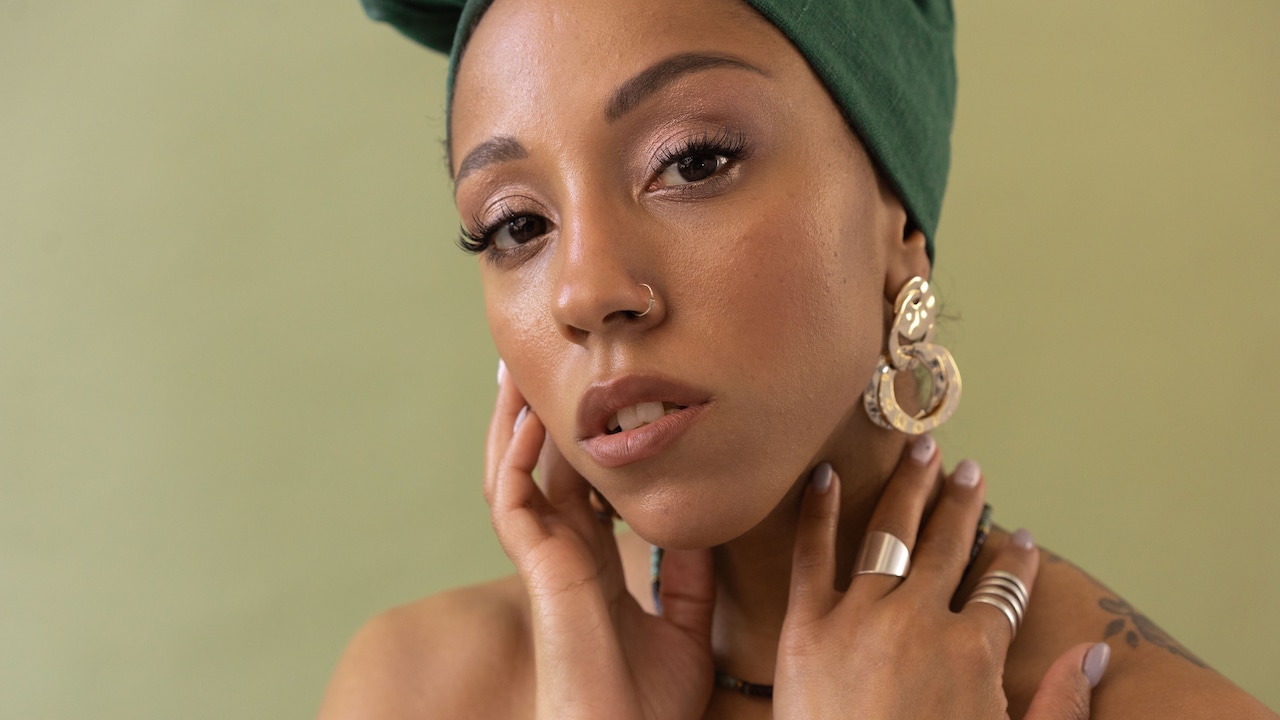
How To Stop Hoop Earrings From Tilting Forward: 10 Common Causes
Hoop earrings have a wonderful ability to look effortless. Put on a simple pair with a white shirt, a kurta, a dress or even an old T-shirt, and suddenly the outfit feels more intentional. Yet hoops have one particularly irritating habit: they don't always sit the way they looked in the jewellery box. One earring may face sideways while the other points forward. A chunky hoop may seem beautifully balanced for the first ten minutes, then gradually lean towards the cheek. Sometimes both hoops tilt so noticeably that their circular shape almost disappears when viewed from the front. The obvious reaction is to blame the earring. Sometimes that's fair. However, the problem can also come from the fastening, piercing angle, weight distribution or even the way hair and clothing press against the jewellery. Understanding what pushes the hoop out of position makes the problem far easier to fix.
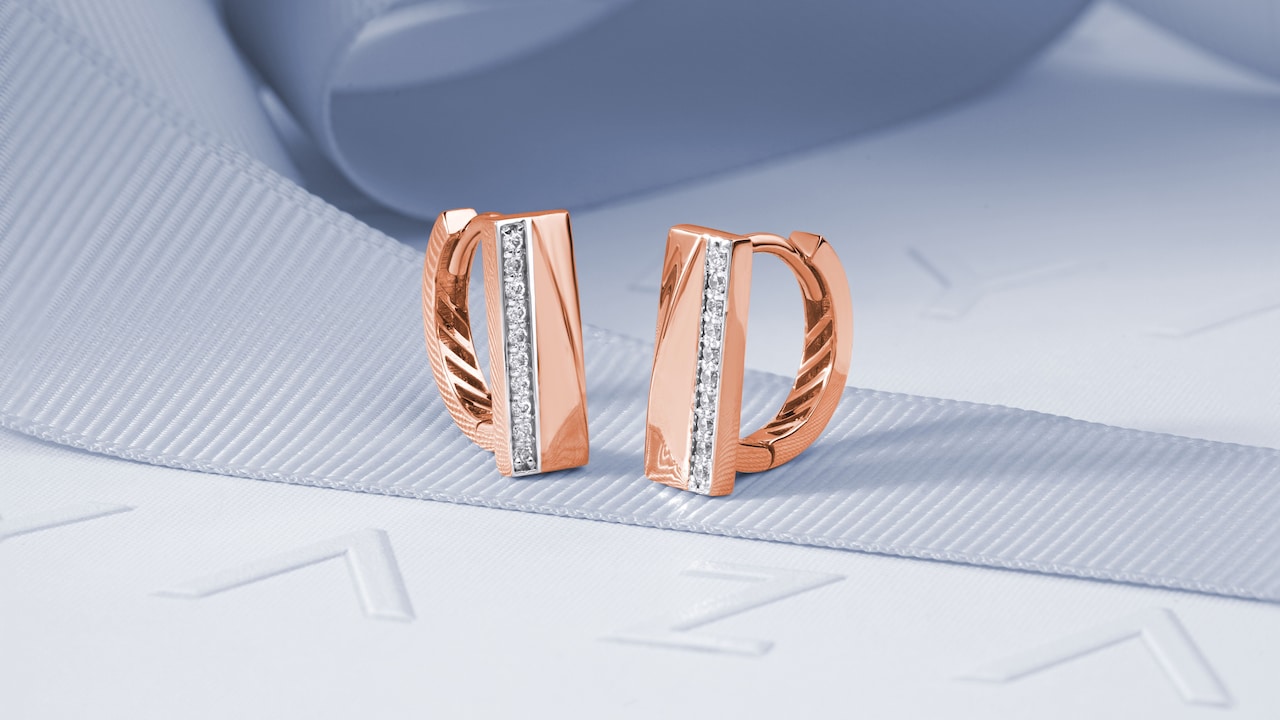
How To Stop Hoop Earrings From Tilting Forward: 10 Common Causes; Photo Credit: Pexels
Why Your Hoop Earrings Won't Stay Facing Forward
1. The Hoop Carries Too Much Weight At The Front
A hoop might look evenly shaped, yet decorative details can completely change its balance. Stones, charms, beads, enamel sections and thicker metal around the front can pull the earring down and forwards. Gravity naturally shifts the heaviest part towards the floor, while the piercing becomes the pivot point.
This tends to happen with statement hoops that carry decoration around their lower half. They may photograph beautifully when laid flat but behave very differently once worn. The heavier section can rotate until it finds the easiest resting position, which may leave the hoop facing partly towards the cheek.
Choosing lighter designs usually improves stability. Hollow hoops often give the appearance of substantial jewellery without placing the same load on the ear. For decorated styles, look for details distributed evenly around the hoop rather than concentrated on one section.
Also pay attention to comfort. An earring that repeatedly drags forwards isn't merely a styling nuisance. Excessive weight can put unnecessary strain on the piercing over time. Sometimes the best fix isn't adjusting the hoop repeatedly; it's choosing a lighter pair for longer wear.
Also Read: Top 6 Lightweight, Stylish Earrings That Stay Comfortable For All-Day, Pain-Free Wear
2. The Earring Back Is Too Loose
Tiny earring backs rarely receive much attention until something starts behaving strangely. A loose back can allow the post to move within the piercing, giving the hoop enough space to lean, rotate or drop forwards.
This problem appears frequently with hoops that use straight posts rather than continuous hinged closures. If the butterfly back sits too far away from the ear, the post can tilt inside the piercing. The entire hoop then follows that angle.
Try moving the backing slightly closer to the earlobe. It should feel secure without squeezing the skin. A snug fit reduces unnecessary movement and can help the hoop remain more upright.
Older butterfly backs may also lose their grip after repeated use. The small metal loops gradually loosen, especially when the same backs move between several pairs of earrings. Replacing worn-out backs can make a surprising difference.
For slightly heavier hoops, wider supportive earring backs may help distribute pressure more evenly across the back of the lobe. The improvement can be subtle, but sometimes a tiny piece of hardware determines whether a hoop sits elegantly or spends the entire day trying to inspect your cheek.
3. Your Piercing Naturally Sits At An Angle
Not every ear piercing travels perfectly straight from the front of the lobe to the back. Some piercing channels slope slightly upwards, downwards or sideways. That angle may go completely unnoticed with studs, yet hoops reveal it almost immediately.
A hoop follows the direction of the post or wire passing through the ear. If the piercing channel angles forwards, the hoop may naturally follow the same direction. One ear can also behave differently from the other, which explains why identical earrings sometimes appear uneven.
There's nothing unusual about minor differences between ears. Earlobes aren't perfectly symmetrical, and piercings can heal at slightly different angles.
Trying different hoop closures can help. Thin-wire hoops, hinged hoops and post-back designs all interact with the piercing differently. One style may sit noticeably straighter than another.
Smaller hoops can also make an angled piercing less obvious because there's less distance for the tilt to become visually noticeable. If one particular pair constantly turns forward despite adjustments, the design may simply be incompatible with the natural angle of the piercing rather than badly made.
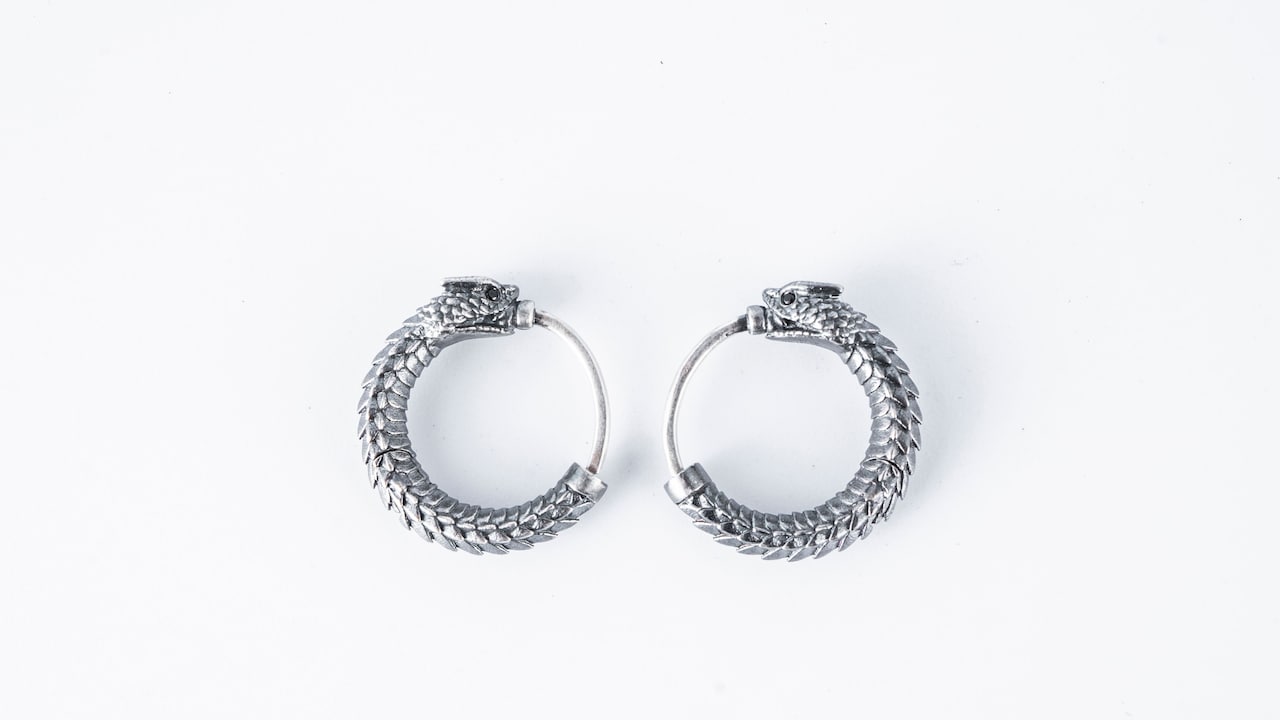
How To Stop Hoop Earrings From Tilting Forward: 10 Common Causes; Photo Credit: Pexels
4. The Hoop Diameter Is Too Large For Its Weight
Large hoops create drama, but physics isn't always interested in fashion. The further the bottom of an earring sits from the piercing, the more leverage its weight can create.
Imagine holding a heavy shopping bag close to the body versus holding it at arm's length. The weight hasn't changed, but the second position feels harder to support. A similar principle applies to oversized earrings.
Even relatively lightweight hoops can pull forwards when they have a very wide diameter. Add thicker metal, embellishments or a dangling charm, and that movement becomes more obvious.
If large hoops regularly lean forward, look for designs made from lightweight tubing rather than solid metal. A slightly smaller diameter can also preserve the bold-hoop look while reducing leverage.
Pay attention to thickness too. A broad hoop doesn't automatically need to be heavy. Many contemporary designs use hollow construction to create chunky shapes without the corresponding weight.
For long days involving office hours, dinners and commutes, medium-sized lightweight hoops often stay better positioned than oversized solid ones. Statement jewellery should attract attention because of the design, not because you've spent three hours discreetly straightening it.
5. Stretched Piercings Give The Post Too Much Movement
Years of wearing heavy earrings can gradually stretch some piercings. Instead of remaining a small round opening, the piercing may become slightly elongated. This gives the earring post more room to move.
A hoop can then slip towards the lower part of the piercing and tilt forward. Heavy designs make the effect more noticeable because gravity pulls the post towards the weakest point.
Look at the piercing without earrings. If the opening appears longer vertically than it once did, stretched tissue could be contributing to the problem.
Lighter earrings usually reduce movement and pressure. Supportive backs designed to distribute weight across a larger area can also help some earrings sit more upright.
Avoid repeatedly tightening standard backs until they pinch the ear. Compression won't necessarily correct the angle and can make the jewellery uncomfortable.
If stretching becomes significant, painful or continues getting worse, professional advice from a qualified piercer or medical professional makes more sense than experimenting with heavier jewellery. Fashion fixes have limits. The goal should always be keeping the piercing comfortable rather than forcing a particular pair of hoops to behave.
6. Hair Keeps Pushing The Hoops Out Of Position
Sometimes the earrings aren't causing the problem at all. Hair can quietly push a hoop forward every time you turn your head.
This happens particularly with thick, curly or layered hair. Strands can collect behind a hoop and gradually press it towards the face. Long hair can also become trapped between the back of the earring and the neck, changing the angle.
You may notice that the hoops sit perfectly when first put on but look completely different after travelling, walking outdoors or repeatedly tucking hair behind the ears.
Try putting the earrings on after arranging your hairstyle. Make sure no strands sit between the fastening and the ear. With larger hoops, keeping the hair either clearly behind or clearly in front of the jewellery often works better than allowing it to sit around the earrings.
Half-up styles, ponytails and buns can also prevent repeated contact on days when you particularly want statement hoops to remain visible.
And yes, hair may still find its way around them eventually. Hair has its own agenda. But reducing constant pressure gives hoops a much better chance of staying where you originally placed them.
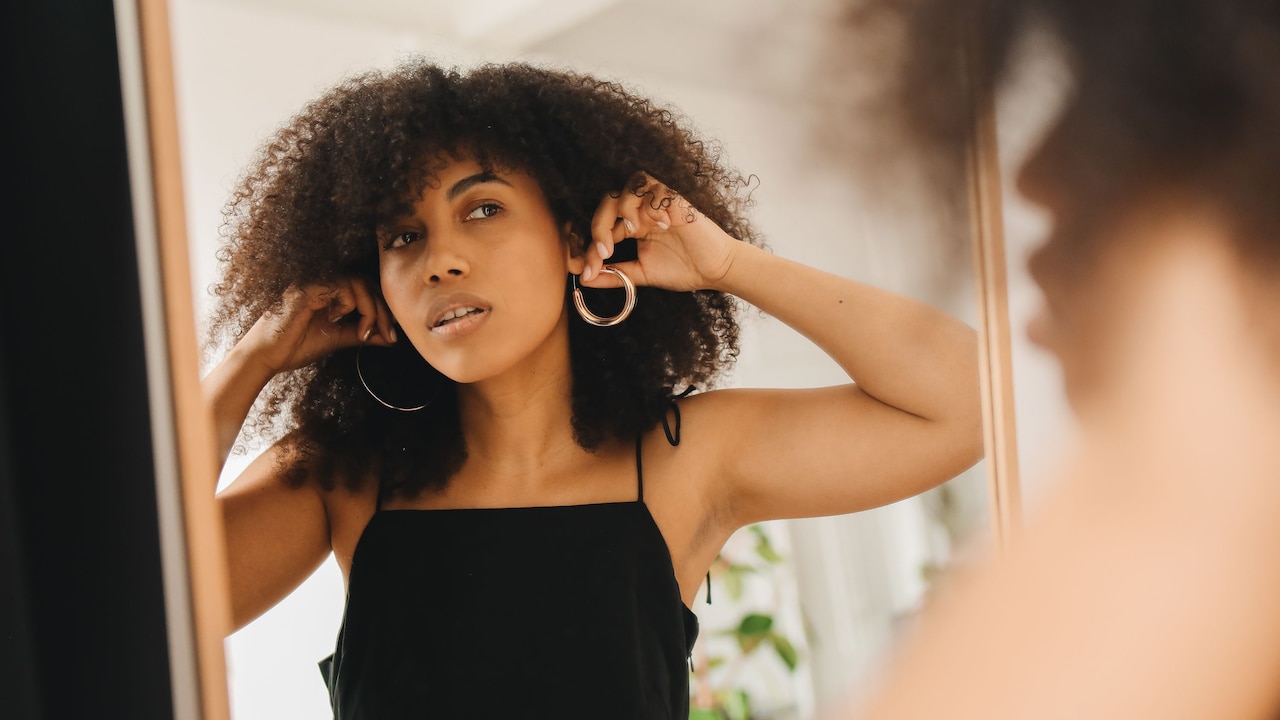
How To Stop Hoop Earrings From Tilting Forward: 10 Common Causes; Photo Credit: Pexels
7. The Closure Has Become Slightly Bent
Hoop earrings endure more bending than we realise. They get pushed into jewellery boxes, caught in clothing, dropped onto dressing tables and occasionally pulled while removing tops. Over time, the post or hinge can shift slightly out of alignment.
Even a tiny bend can alter how the hoop hangs.
Hinged hoops should usually close neatly without requiring force. If the post enters the clasp at an unusual angle or one side of the hoop seems higher than the other, the fastening may have moved.
Compare both earrings while holding them side by side. Look at the position of the posts and hinges rather than only the circular shape. Differences become much easier to notice this way.
Avoid repeatedly bending delicate jewellery back into position with your fingers. Thin posts can weaken or snap after too much manipulation. For valuable earrings, a jeweller may be able to realign the mechanism safely.
Less expensive fashion hoops may simply need replacing once the fastening becomes badly distorted. A slightly crooked closure might seem insignificant in your hand, yet on the ear it can turn a perfectly round hoop into something that refuses to face the right direction.
8. The Hoop Is Thicker At The Bottom Than The Top
Some hoop designs intentionally taper from thin near the piercing to thick at the bottom. This creates a sculptural appearance and can make jewellery look more substantial without overwhelming the ear.
However, that extra material at the bottom changes the centre of gravity.
The heavier section may rotate forwards until it reaches a more stable position. Depending on the shape, the hoop might also turn slightly sideways, making a broad design look unexpectedly narrow from the front.
This doesn't necessarily indicate poor construction. In many cases, it's simply a consequence of the design.
When trying thick or tapered hoops, check how they look after wearing them for several minutes rather than judging them immediately after fastening. Movement around the room gives the jewellery time to settle into its natural position.
If forward rotation bothers you, choose hoops with a more consistent thickness around the circumference. Alternatively, look for sculptural designs deliberately shaped to face forwards despite their varying width.
Sometimes an earring looks magnificent on a product page because it sits perfectly still. Real ears, unfortunately, insist on moving.
9. Your Earlobe Shape Changes How The Hoop Hangs
Jewellery styling guides often discuss face shape, but earlobe shape can matter just as much when it comes to hoops.
Some people have attached lobes, while others have more free-hanging tissue below the piercing. Piercings may also sit higher, lower, closer to the face or further towards the outer edge. These differences influence where the hoop's weight falls.
A thick hoop that sits beautifully on one ear shape may tilt noticeably on another. Smaller hoops can also bump against the lower edge of the lobe, forcing them into a slight angle.
This explains why copying the exact hoop size worn by someone else doesn't always produce the same appearance.
Experiment with different diameters and closure styles. A hoop that leaves a little space beneath the lobe may hang more freely than one that almost touches the skin. Conversely, very large hoops might exaggerate forward movement if your piercing sits low.
Comfort provides another useful clue. Jewellery that presses, twists or constantly needs repositioning probably isn't working with the shape of the ear. The right hoops shouldn't require ongoing negotiation.
10. Clothing And Accessories Keep Nudging The Earrings Forward
A beautifully balanced hoop can still lose the battle against everyday clothing. High collars, dupattas, scarves, jacket collars and even bag straps can repeatedly touch large earrings.
Each small contact may rotate the hoop slightly. After several movements, it ends up facing forwards or sideways without you noticing when the change happened.
Winter layers make this especially common. So do outfits with structured collars or fabric gathered around the shoulders and neckline. Even pulling a handbag strap on and off can brush against an oversized hoop.
Check whether the problem happens with every outfit or only particular ones. If the same earrings remain straight with an open neckline but constantly move with a scarf, you've probably found the culprit.
Smaller hoops work better with clothing that sits high around the neck. Save oversized styles for outfits that give the earrings more space.
Also put hoops on after getting dressed whenever possible. Pulling a top over large earrings isn't just likely to move them; it can snag the jewellery and hurt the ear. Earrings deserve to be the finishing touch, not participants in a wrestling match with your neckline.
Products Related To This Article
1. DressBerry Circular Hoop Earrings
2. Shining Diva Fashion Gold-Plated Contemporary Hoop Earrings
3. SZN Circular Hoop Earrings
4. Accessorize London Women Harvest Twisted Hoop Earrings
5. COOLWOOL Gold-Plated Korean Geometric Hoop Earrings
6. Kushal's Fashion Jewellery Circular Hoop Earrings
7. Accessorize London Women Blue Harvest Ribbed Chunky Oval Huggies Earring
Hoop earrings rarely tilt forward for just one universal reason. Weight, diameter, piercing angle, loose backs, hair and even clothing can change how they hang. Start by checking the simplest factors: the fastening, weight distribution and anything touching the earrings.
A pair that keeps leaning despite every adjustment may simply not suit the shape or position of your piercing, and that's useful information rather than a fashion failure. Trying a lighter hoop, different diameter or more supportive closure can often solve the problem without abandoning the style altogether. When hoops sit comfortably and naturally, there's far less fiddling and much more time to enjoy wearing them.
(Disclaimer: This article may include references to or features of products and services made available through affiliate marketing campaigns. NDTV Convergence Limited (“NDTV”) strives to maintain editorial independence while participating in such campaigns. NDTV does not assume responsibility for the performance or claims of any featured products or services.)