How To Properly Store Crochet Tops And Knitwear For Better Shape, Texture And Longevity: 10 Knitwear Storage Myths Explained
Can crochet tops be hung like regular T-shirts? Learn the truth behind 10 common knitwear storage myths and discover simple ways to prevent stretching, hanger marks and fabric damage.

Mistakes to avoid when storing crochet tops
A crochet top hanging neatly beside cotton tees looks perfectly harmless. Then, one day, the shoulders seem a little wider. The neckline sits lower. The hem has developed an enthusiasm for gravity that nobody asked for. Crochet and knitted garments behave differently from tightly woven clothes because their structure relies on interconnected loops. Those loops offer stretch, movement and that lovely handmade texture, but they can also change shape when stored badly. Add humidity, crowded wardrobes, sharp hangers and the occasional impatient wardrobe shuffle, and delicate garments have quite a lot to survive.
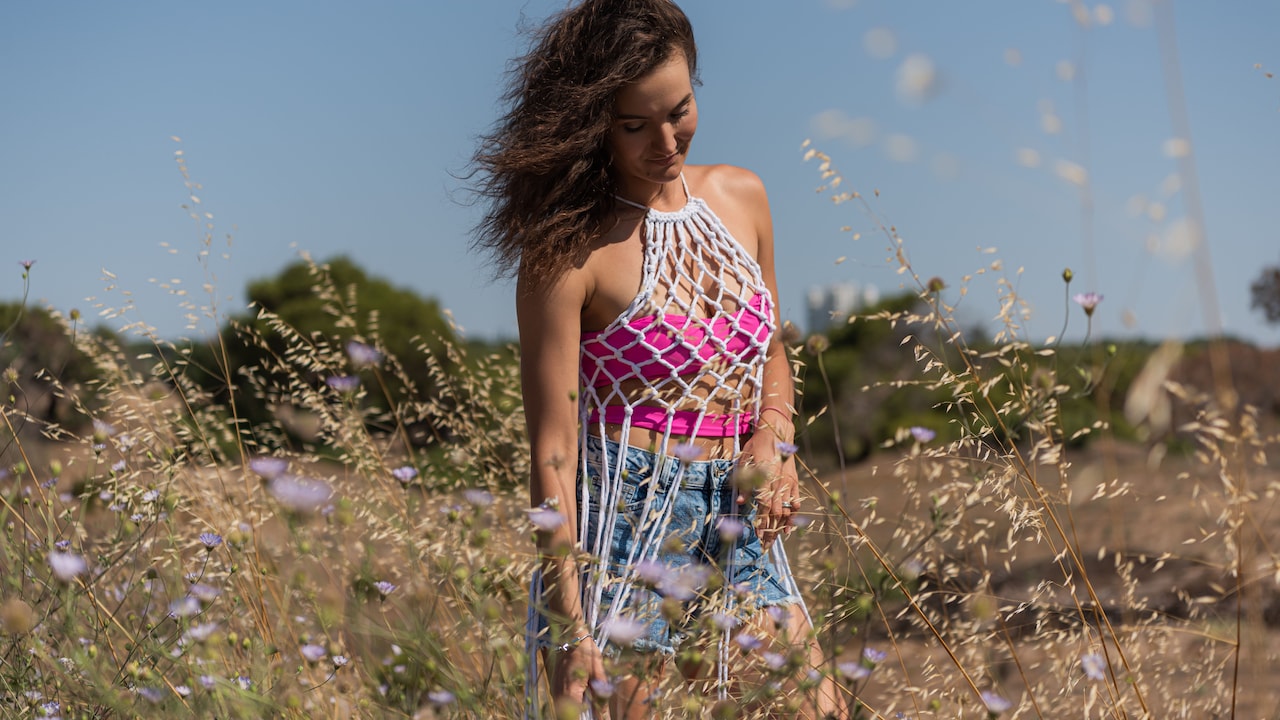
What is the proper way to store crochet tops after wearing; Photo Credit: Pexels
The confusion usually starts because “knitwear” covers everything from chunky winter jumpers to airy crochet camisoles. Not every garment needs identical treatment. Fibre type, stitch density, embellishment and weight all matter.
Also Read: Smart Wearables By Timex: 5 Most Affordable Smartwatches For Men And Women
So, can crochet tops be hung like regular T-shirts? Sometimes, but usually not in the same carefree way. These ten familiar storage myths explain what actually works and what could quietly ruin a beautiful piece.
10 Knitwear Storage Myths That Could Be Ruining Your Crochet Tops
Myth 1: Crochet Tops Can Be Hung Exactly Like Cotton T-Shirts
Cotton T-shirts usually tolerate hangers because their fabric structure stays relatively stable. Crochet is another matter. Its open loops can stretch when gravity pulls the garment down for weeks or months.
A lightweight crochet crop top may survive occasional hanging, especially if the stitches feel firm and the garment weighs very little. Still, hanging it by the shoulders can create bumps, widen the neckline or lengthen the body. Heavier crochet styles face an even greater risk because their own weight constantly pulls against the stitches.
Folding remains the safer choice for most crochet tops. Lay the garment flat, smooth it gently and fold it without crushing decorative details. Avoid forcing several pieces into an already overflowing shelf where they become wrinkled and snagged.
If hanging becomes necessary due to limited shelf space, fold the top over a padded hanger rather than suspending it from the shoulders. Think of it less like hanging a shirt and more like giving the garment a comfortable perch. Crochet deserves support, not an endurance test.
Myth 2: A Good Hanger Prevents All Stretching
The expensive velvet hangers looked convincing in the shop, and the wooden ones certainly feel luxurious. Unfortunately, no hanger can cancel gravity.
A wider or padded hanger can reduce pressure around the shoulder area, but it cannot completely prevent a knitted or crocheted garment from stretching under its own weight. The problem becomes more obvious with dense cotton crochet, oversized knitted tops or pieces decorated with beads, shells and tassels.
Thin wire hangers cause the most trouble. They concentrate pressure on a narrow section of fabric and may leave stubborn shoulder peaks. Broad hangers spread that pressure more evenly, making them a better option for garments that genuinely need hanging.
There is also a simple trick worth remembering. Instead of placing the shoulders over the hanger normally, fold the garment lengthways and drape it across the hanger bar. This supports more of the fabric and reduces downward strain.
So yes, hanger quality matters, but storage technique matters more. A ₹500 set of premium hangers cannot rescue a garment being stored in a way that fights its natural structure.
Myth 3: Folding Crochet Always Causes Creases
The fear of folding usually comes from memories of pulling out a jumper with a dramatic line running through the middle. Yet crochet and knitwear do not automatically develop permanent creases simply because they were folded.
Hard creases usually appear when garments stay tightly compressed for long periods. A lightly folded crochet top placed on a spacious shelf should remain perfectly wearable. Soft folds work especially well when the garment gets rotated regularly rather than disappearing under a pile until next season.
The folding method matters too. Avoid pressing textured sleeves, raised motifs or decorative flowers into sharp bends. Instead, fold along natural lines and keep bulky details facing upwards where possible. Acid-free tissue paper can provide extra cushioning for treasured handmade or heavily embellished pieces, although everyday tops rarely need such ceremony.
The bigger enemy is overcrowding. Ten tops squeezed into space meant for six will emerge looking as though they spent the night inside a suitcase on an overnight train.
Give knitwear a little breathing room. Folding protects its shape far better than hanging simply to avoid a crease that may disappear after a few minutes of wear anyway.
Myth 4: Only Wool Knitwear Needs Special Storage
Wool has a reputation for being demanding, so it often receives careful folding, moth protection and dedicated shelf space. Meanwhile, cotton crochet gets tossed onto a hanger because cotton seems tougher. That assumption can be costly.
Storage problems often come from construction rather than fibre alone. Cotton crochet can become surprisingly heavy, particularly after washing, and its stitches may stretch under prolonged tension. Rayon and viscose blends can feel wonderfully fluid but may also lengthen when hung. Acrylic knitwear resists some forms of damage yet can still develop hanger marks.
Synthetic fibres do not grant immunity either. An acrylic cardigan hanging for months can still acquire awkward shoulders or lose its original proportions.
The sensible approach is to inspect the garment rather than judge it by the fibre label alone. Is it loose-knit? Heavy? Open-worked? Embellished? Does it feel stretchy when lifted? Those clues often reveal more about storage needs than the word “cotton” or “acrylic”.
Wool certainly needs attention, but it has no monopoly on wardrobe drama. Every knitted garment deserves storage that suits its construction.
Myth 5: Vacuum Bags Are Perfect For Long-Term Knitwear Storage
Vacuum bags feel wonderfully efficient. A mountain of winter clothing suddenly becomes a flat parcel, and the wardrobe gains enough room to close without using a shoulder as reinforcement.
For some bulky everyday items, compression bags can be useful. For delicate crochet and valued knitwear, however, long-term compression deserves caution.
Strong pressure can flatten textured stitches, crush embellishments and create deep folds that take time to relax. Natural fibres also benefit from some air circulation, particularly in humid climates. Packing clothes while even slightly damp may encourage unpleasant odours or mildew, which is hardly the grand reunion anyone wants when winter returns.
For seasonal storage, wash or clean garments first and allow them to dry completely. Fold them loosely inside breathable cotton storage bags or clean boxes. Place the boxes somewhere dry and away from direct sunlight.
Vacuum bags work best as space-saving tools rather than universal preservation chambers. That beautiful hand-crocheted cardigan bought at a weekend market deserves more kindness than being compressed until it resembles a papad.

Storing crochet tops in vacuum bags can cause damage; Photo Credit: Pexels
Myth 6: Clothes Should Be Stored Immediately After Wearing
The day has been long, dinner is calling and putting clothes away feels like an achievement. Yet immediately returning knitwear to a closed cupboard is not always ideal.
A garment worn for several hours may hold body moisture, perfume, cooking aromas or traces of sweat even when it looks clean. Closing that moisture inside a humid wardrobe can encourage odour and, in worse cases, mildew.
Crochet tops particularly benefit from brief airing because their textured surfaces contain plenty of small spaces where moisture and smells can linger. After wearing, place the garment flat or drape it loosely over a clean chair for a short period before folding it away. Avoid leaving it in harsh sunlight, which can fade colours and weaken certain fibres.
There is no need to wash knitwear after every brief outing. Excessive washing brings its own problems, including fading and fibre wear. Airing offers a useful middle ground.
Think of it as letting the garment recover after its own busy day. A little ventilation before storage keeps wardrobes fresher and reduces the temptation to spray half a bottle of fragrance inside later.
Myth 7: More Wardrobe Fragrance Means Better Protection
Opening a cupboard to a cloud of lavender or sandalwood can feel reassuring. A strong fragrance, however, does not necessarily mean clothes are better protected.
Perfumed sachets, sprays and fresheners mainly tackle smell. They do not replace proper cleaning, ventilation or pest prevention. Spraying fragrance directly onto crochet can even leave marks, especially on pale fibres or delicate handmade pieces.
The most effective storage routine starts with clean, completely dry garments. Food stains, sweat and skin oils can attract pests even when the clothes smell pleasant. Keep shelves clean and check stored garments periodically rather than forgetting them for six months.
Traditional wardrobe choices such as dried neem leaves are common in many homes, although they should still remain separated from delicate fabric to prevent staining or debris. Cedar blocks and suitable garment-storage products can also help, depending on the material involved.
A wardrobe should smell fresh because it is clean and dry, not because fragrance is fighting a mysterious odour hiding behind twenty kurtas. If something smells damp, investigate the moisture instead of disguising it.
Myth 8: Crochet Garments Should Never Be Hung Under Any Circumstances
“Never hang crochet” sounds wonderfully simple. Wardrobe care, unfortunately, refuses to be that tidy.
Some lightweight, tightly constructed crochet tops can tolerate hanging, particularly for short periods. A firm cotton crochet camisole, for example, may cope well on a broad padded hanger. The problem arises when a rule designed for temporary convenience quietly becomes permanent storage.
Before hanging a crochet garment, lift it from the shoulder and observe how the fabric behaves. If the body immediately drops and stretches, folding is the obvious choice. If it holds its shape firmly and weighs very little, careful hanging may work.
Short-term hanging can also make sense while planning an outfit or allowing a recently worn piece to air. In those situations, use a smooth hanger that will not catch the stitches.
The key word is support. Crochet does not need to spend its entire existence folded like a museum artefact, but it should not be left dangling from two tiny shoulder points indefinitely either.
Treat each garment according to its weight and structure rather than following absolute rules.
Myth 9: Knitwear Can Be Stacked As High As The Shelf Allows
A tall stack of neatly folded jumpers looks oddly satisfying. It can also become a small engineering problem.
Heavy stacks place pressure on the garments at the bottom. Textured crochet, raised stitches and decorative details may flatten over time, while pulling one item from the middle usually causes the entire tower to collapse. The result is less “organised wardrobe” and more textile Jenga.
Smaller stacks work better. They keep garments visible and reduce the weight pressing down on delicate pieces. Heavier knits should generally sit towards the bottom, while lighter crochet tops can stay above them.
Shelf dividers can help in large wardrobes, although simple storage baskets work just as well. The aim is not to buy an expensive organisation system worthy of a celebrity dressing room. Even a few sensible sections can prevent chaos.
Most importantly, avoid stuffing shelves so tightly that removing one garment requires wrestling with five others.
A wardrobe should make getting dressed easier. If retrieving a crochet top feels like extracting a file from an overfilled government cupboard, the storage system needs reconsidering.
Myth 10: Once Stored Properly, Knitwear Can Be Forgotten Until Next Season
Good storage is not a farewell ceremony. Clothes still benefit from occasional attention.
Seasonal garments can face changing humidity, dust, pests and unnoticed leaks inside cupboards. A perfectly folded sweater stored in April may encounter very different conditions by August. Checking clothes occasionally helps catch problems before they become permanent.
During humid months, open wardrobes periodically to encourage airflow. Inspect corners for damp patches and make sure storage containers remain dry. If a garment smells musty, deal with it early rather than hoping the problem disappears.
Refolding knitwear every few months can also prevent permanent pressure along the same fold lines. This matters most for delicate, expensive or sentimental pieces.
There is another advantage: periodic checks reveal forgotten clothes. That crochet top hidden beneath three cardigans might return to regular rotation instead of becoming an archaeological discovery two years later.
Proper storage reduces maintenance; it does not eliminate it. A wardrobe is a changing environment, especially when temperatures and humidity swing throughout the year. Five minutes of occasional attention can save a favourite garment from a much bigger rescue operation later.
Products Related To This Article
1. SASSAFRAS Self Design Round Neck Crochet Shirt Style Top
2. StyleCast x Revolte Solid Regular Tops
3. SASSAFRAS Crochet Round Neck Sleeveless Beach Cover-up Top
4. SASSAFRAS Self Design Round Neck Crochet Shirt Style Top
5. ZYVRA Floral Cotton Embroidered Crochet Bralette Crop Top
6. Kotty Sweetheart Neck Cotton Crochet Crop Top
7. Classye Creation Floral Print Ruffles Bohemian Woollen Crochet Crop Top
Crochet tops may share wardrobe space with ordinary T-shirts, but they should not automatically share the same storage habits. Their looped structure makes them more vulnerable to stretching, snagging, compression and distorted shoulders, particularly when the garment feels heavy or loosely constructed.
For most crochet tops, gentle folding offers the safest everyday solution. When hanging makes sense, broad or padded hangers and supportive folding techniques reduce strain. Clean, dry storage matters just as much as the hanger-or-shelf debate, particularly in wardrobes exposed to seasonal humidity.
The biggest lesson is wonderfully uncomplicated: clothing care rarely needs extreme rules. Not every knitted top must live wrapped in tissue paper, and hanging one overnight will not trigger a wardrobe catastrophe. What matters is noticing the garment's weight, fibre, construction and embellishments before deciding where it belongs.
A little thoughtful storage can keep crochet tops looking crisp, balanced and wearable for years. And considering the patience that goes into creating all those tiny loops, preventing two strange shoulder bumps seems like a very fair deal.
(Disclaimer: This article may include references to or features of products and services made available through affiliate marketing campaigns. NDTV Convergence Limited (“NDTV”) strives to maintain editorial independence while participating in such campaigns. NDTV does not assume responsibility for the performance or claims of any featured products or services.)