How To Dress For Outdoor Workouts In Cooler Weather
Heading out for a run or workout in cooler weather? Discover easy layering tips, fabric advice, and outfit ideas to stay warm, dry, and comfortable outdoors.

How To Dress For Outdoor Workouts In Cooler Weather
Cool weather doesn't mean you have to stay inside. In fact, autumn and early winter can make exercising outdoors actually enjoyable – not much heat, no glare, just fresh air and the lovely feeling of exercising in the cold. But it does matter to dress right. Too little and you're shivering before you're warmed up. Too much and you're overheating by the second mile. The trick isn't to pile on layers; it's to choose the right ones. Wearing the right things can be the difference between a great session and a short one. Outdoor workout clothes for cooler weather are less about buying new things and more about understanding how fabrics and winter layers really work together. Most people have things that can get the job done well. Usually it's the order, the combination or relying on cotton in cold weather. Once you've got that sorted, the outfit will come together. You can pick from Amazon to make your exercise time more comfortable.
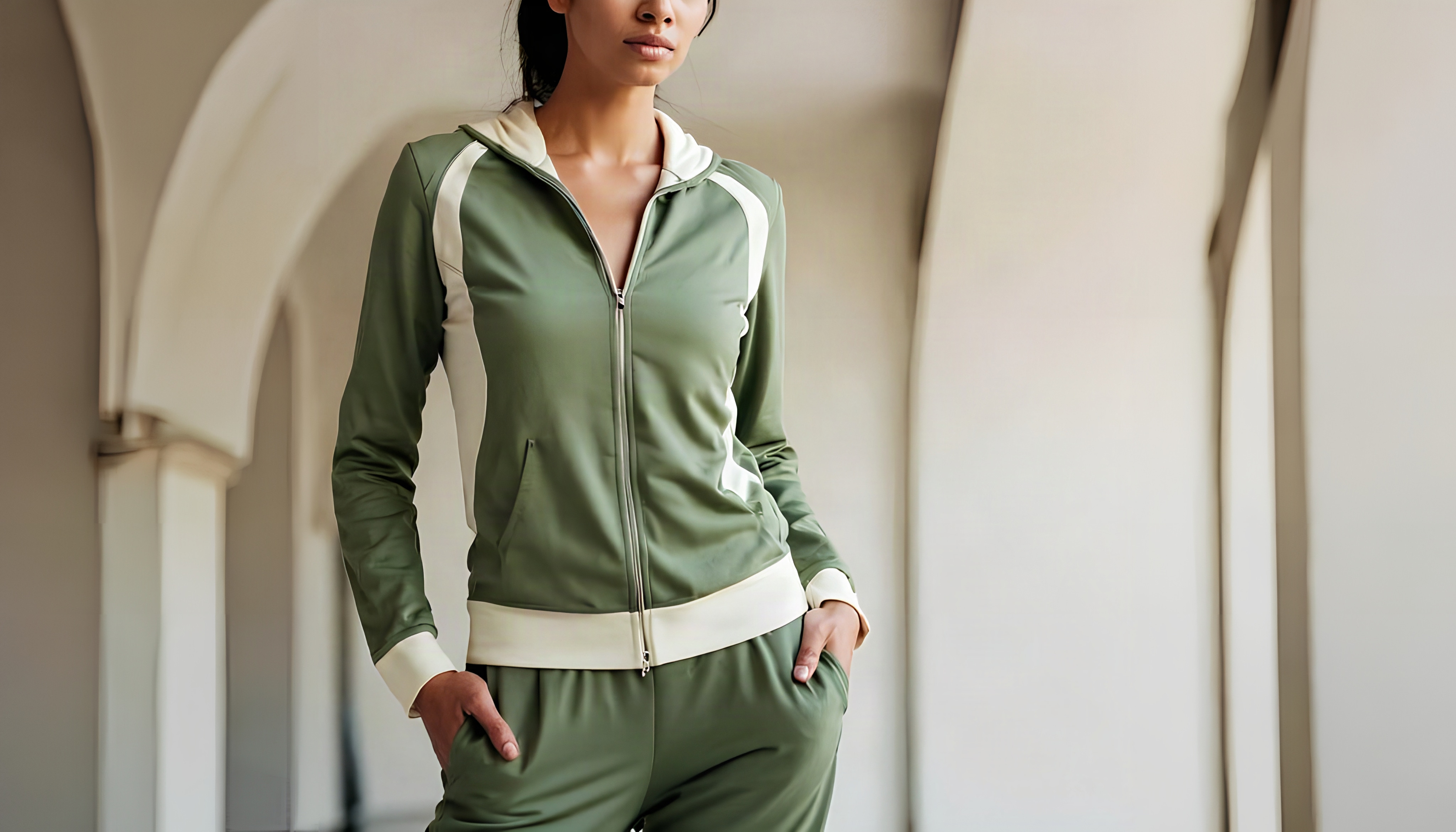
How To Layer For Outdoor Workouts In Cold Weather; Photo Credit: iStock
How To Layer For Outdoor Workouts In Cold Weather
1. Start With A Moisture-Wicking Base Layer
The layer closest to your skin is the most important to get right. When you exercise, your body sweats, even when the weather is cold. If that moisture remains against your skin, you will soon feel cold and uncomfortable. A close-fitting polyester or merino wool top will draw sweat away and help keep you dry. Cotton is the one material to avoid here. It absorbs moisture and keeps it in, making you colder as the temperature goes down. Long-sleeved thermal running tops or lightweight tees made from synthetic fabrics are a great choice.
2. Add An Insulating Mid-Layer For Real Cold
A mid-layer will help trap body heat without the bulk if it's getting below 10°C. Lightweight fleece is perfect for this purpose, as it is warm, breathable and not heavy. Another choice is a thin puffer gilet, which keeps your core warm while allowing your arms to move naturally. You don't always need this layer if the cold is mild, but it's a sensible idea to pack it when the forecast is uncertain.
3. Use A Wind Or Rain Shell As Your Outer Layer
The outer layer is there to protect you from wind and rain – not to keep you warm. For most cool-weather runs, a lightweight, wind-resistant running jacket usually suffices. Look for something with venting options – underarm zips or mesh panels – so you can let the heat escape without having to stop. Waterproof jackets are ideal for wet conditions but do trap more heat, so a water-resistant shell often offers a better balance for active use.
Also Read: Athleisure Wear 2026: 5 Stylish Athletic Wear Picks For Everyday Comfort And Fitness
What To Wear On Your Lower Body For Cold Weather Workouts
1. Running Tights Or Thermal Leggings
A good pair of running tights can cover a surprising range of temperatures. In mild, cool weather, standard compression tights work fine. When it gets really cold, thermal-lined or fleece-backed leggings are especially useful, particularly around the knees, which are often the first to feel the cold. If you like shorts, wear them over a base layer of tights for coverage without sacrificing that familiar feel.
2. Consider Wind-Resistant Joggers For Blustery Days
Some days the wind blows so hard that running tights alone can feel thin. Wind-resistant joggers over a base layer resolve that problem fast. They cut the chill but still allow enough movement for running, cycling or outdoor circuits. Some versions also have reflective strips, which are useful for low-light outings during the shorter autumn and winter days.
Protecting Extremities During Outdoor Exercise In The Cold
1. Gloves And Ear Coverings
Hands and ears lose heat fast, and cold fingers make everything tougher—holding a water bottle, fiddling with earphones, even just keeping your comfortable stride. Lightweight running gloves are an easy fix and easy to stuff in a pocket once you've warmed up. A thin headband or ear warmer fits easily under a hood and won't screw up your natural running form like a full hat sometimes can.
2. Choosing The Right Socks And Footwear
Cold, wet feet can end a workout sooner than you might think. A good pair of wool-blend running socks keeps your feet warm without feeling chunky. If your usual route has wet grass or puddles, a pair of trail shoes with basic water resistance will hold up much better than regular trainers. Just don't go too thick with the socks — it can mess with how you run and cause rubbing on longer stretches.
Small Details That Make Cooler Weather Workouts More Comfortable
1. Reflective Elements And Visibility
In autumn and winter, the daylight hours are much shorter, so many outdoor workouts are done in low-light conditions, either early in the morning or after work when it's already dark. Buying a kit with reflective detailing or adding a small running light will also make you much more visible to traffic and other people. It's a small thing that's more meaningful than most people give it credit for when they're getting dressed.
2. Layering Light Over Layering Warm
A common mistake is to go for the heaviest, warmest gear you can get. Wearing the heaviest, warmest gear can lead to overheating in the first ten to fifteen minutes, and then you may find you have too much to carry when you strip layers. It is better to dress as if it is about 5 degrees warmer than it actually is. At first you may feel a little chilly, but as your body warms up, you will be comfortable for most of your session.
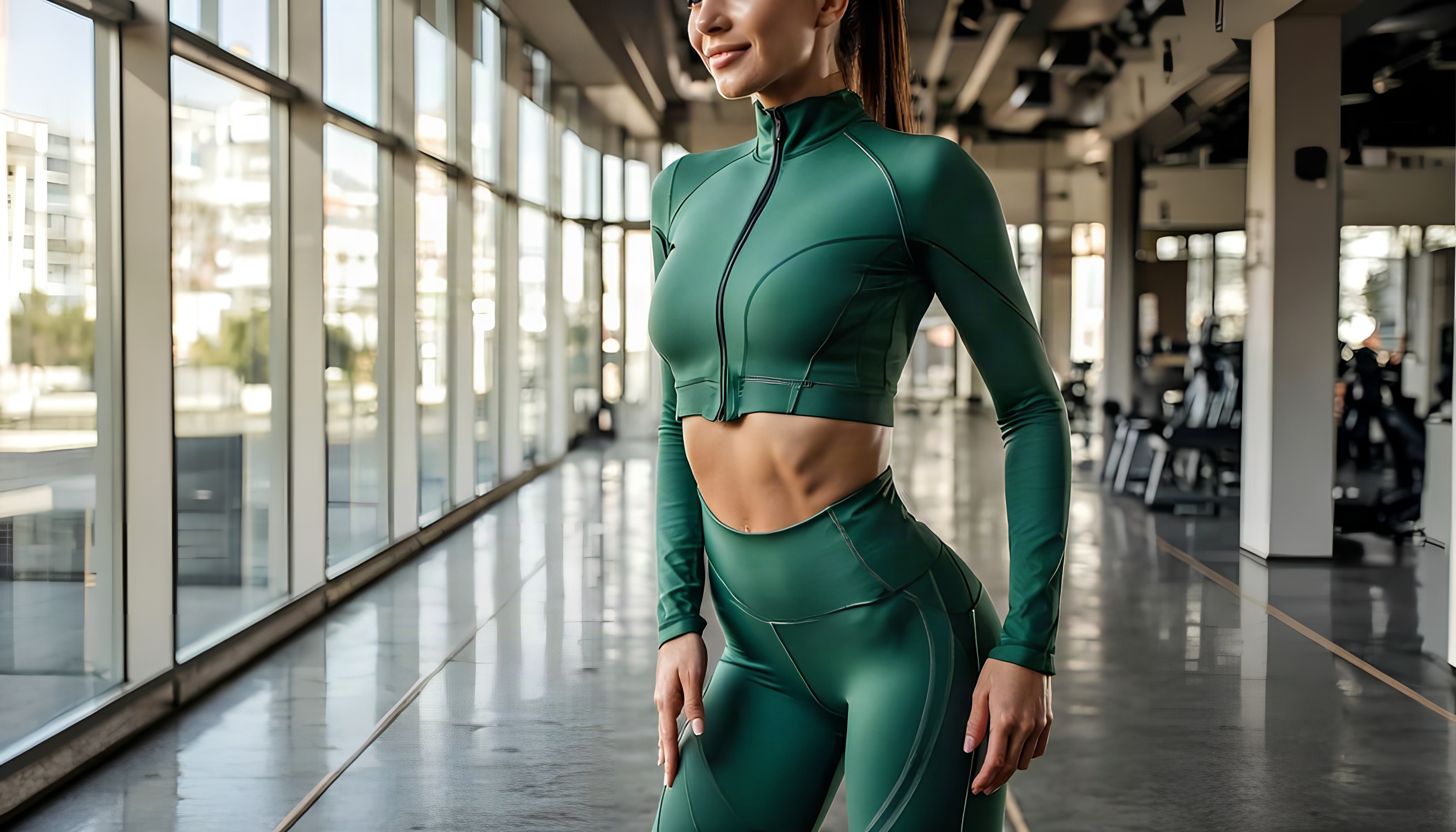
Some Outdoor Workout Clothing Options You May Like; Photo Credit: iStock
Some Outdoor Workout Clothing Options You May Like
1. PALOMI Women's Full-Sleeve Gymwear
2. Amazon Brand – Symbol Women's Jogger Track Pants
3. Benzos Women's Body-Fitted Gym Running Sports Track Suit
4. Nexsus Apparels Gym T-Shirt for Women
5. SJE COLLECTION Women's Winter Tracksuit Set
6. London Hills Women's Winter Tracksuit
7. Tempest Full Sleeves Tracksuit (Top & Leggings) for Women
8. SANE ORIGINALS Winter Fleece Tracksuit
Dressing right for outdoor workouts in cooler weather is key to performance and comfort. Focus on moisture-wicking base layers, insulating mid-layers, and breathable outerwear. With proper layering and the right activewear, you can stay warm, flexible, and motivated to achieve your fitness goals outdoors. Shop now on Amazon.
Frequently Asked Questions (FAQs)
1. What should I wear for an outdoor workout in cool weather?
Start with a moisture-wicking base layer, add a fleece or thermal mid-layer if it's genuinely cold, and finish with a lightweight wind-resistant jacket. Cover your hands and ears, and choose running tights over cotton joggers.
2. Is it okay to wear cotton for outdoor exercise in cold weather?
Cotton holds moisture against your skin, which makes you feel colder as you sweat. It's better to use synthetic fabrics like polyester or natural options like merino wool for cold-weather workouts.
3. How many layers do I need for running in autumn or winter?
Most people manage well with two to three layers — a fitted base layer, an optional mid-layer for extra warmth, and a wind or water-resistant outer shell. The colder and wetter it is, the more you'll want all three.
4. Do I need special shoes for outdoor workouts in colder months?
Not always, but if your routes involve wet surfaces, muddy paths, or uneven ground, trail shoes with some grip and water resistance will serve you better than standard trainers.
5. What is the best fabric for cold-weather workout clothing?
Polyester and merino wool are both excellent for cold-weather exercise. Polyester dries quickly and is widely available. Merino wool offers natural temperature regulation and resists odour well, but it is a bit more expensive.
(Disclaimer: This article may include references to or features of products and services made available through affiliate marketing campaigns. NDTV Convergence Limited (“NDTV”) strives to maintain editorial independence while participating in such campaigns. NDTV does not assume responsibility for the performance or claims of any featured products or services.)