How To Pick A Backpack For Office, Travel And College Without Overpacking
Choose the right backpack for office, travel or college with practical tips on size, comfort, compartments and packing smart, without carrying more than you need.
How To Pick A Backpack For Office, Travel And College Without Overpacking
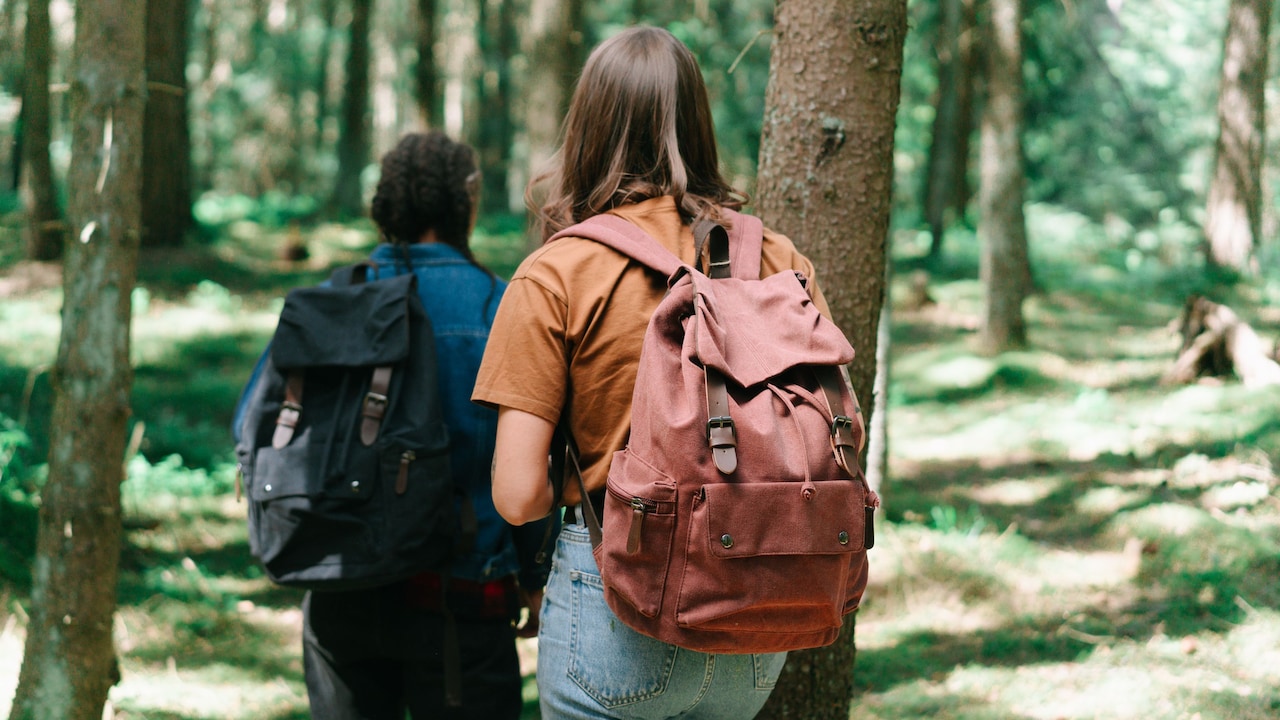
A backpack often becomes a quiet companion through crowded Metro stations, rushed Monday mornings, airport security queues and long days on campus. It carries laptops, chargers, notebooks, water bottles, snacks, umbrellas and, quite often, several items that never leave the bag. That last part causes the real trouble. Many people choose a backpack by looking at size alone. A larger bag seems safer because it offers room for “just in case” items. Soon, that extra room fills with tangled cables, forgotten receipts, half-used stationery and enough snacks to survive a minor transport strike. The better approach starts with purpose. An office backpack needs structure and a professional appearance. A travel backpack should balance capacity with comfort and security. A college backpack must handle books, devices, food and everyday rough use without falling apart before the semester ends.

How To Pick A Backpack For Office, Travel And College Without Overpacking
Photo Credit: Pexels
The perfect backpack does not simply hold more. It helps carry less, organise better and move comfortably. The following ten points explain how to choose one that suits office routines, travel plans and college life without encouraging overpacking.
10 Smart Ways To Choose The Right Backpack Without Overpacking
Match The Backpack To Your Daily Routine
Before comparing colours, brands or trendy designs, consider where the backpack will spend most of its time. A bag for a short office commute has different demands from one used for hostel life, coaching classes or weekend train journeys.
Office users may need space for a laptop, charger, lunch box, water bottle and a slim folder. Students often carry notebooks, textbooks, earphones, stationery and snacks. Travellers need clothing space, secure pockets and easy access to documents. Buying one enormous backpack for every possible situation usually leads to clutter.
Think through a typical day from morning to evening. Count the items that genuinely leave home. Then remove anything carried only from habit. That heavy diary from last year probably does not need another city tour.
A good everyday backpack should fit the routine rather than create a new one. When the bag matches real needs, packing becomes simpler. There is less temptation to add unnecessary items simply because empty space remains. Purpose creates a natural limit, and that limit protects both the shoulders and the sanity of the person carrying it.
Choose The Right Capacity, Not The Biggest One
Backpack capacity often appears in litres, but numbers can feel abstract while shopping. A 15-to-20-litre bag usually suits light office use or a student carrying a laptop and a few notebooks. A 20-to-30-litre option works well for longer days, gym clothes or short trips. Larger bags may suit overnight travel, but they can become excessive for daily commuting.
Extra capacity rarely stays empty. A roomy bag invites more clothes, more gadgets and more “emergency” items. Someone packing for two days may suddenly carry five T-shirts, three pairs of footwear and a full grooming shelf. The bag may close, but the shoulders will lodge a formal complaint.
Choose a size that fits essential items with a little breathing room. Avoid a bag that bulges when fully packed, but also avoid one with so much spare space that everything shifts around.
When shopping in person, place similar items inside the display bag where possible. When shopping online, check the dimensions instead of relying only on litre capacity. A tall narrow bag and a short wide bag may hold similar volumes but feel completely different.
Check The Fit Before Falling For The Design
A stylish backpack may look perfect on a product page, yet comfort depends on how it sits on the body. The bag should rest close to the back, with the base sitting around the waist rather than hanging near the hips.
Wide, padded shoulder straps spread weight more evenly. Thin straps may look sleek, but they can dig into the shoulders during long commutes. Adjustable straps matter because torso lengths differ. A backpack that suits a tall person may feel awkward on someone with a smaller frame.
Try the bag with some weight inside. An empty backpack can hide poor balance and uncomfortable stitching. Walk around, move the shoulders and check whether the bag pulls backwards. The straps should feel secure without squeezing.
A sternum strap can help during travel, cycling or long walks. Some larger backpacks also include a waist strap, which transfers part of the load away from the shoulders. These features may seem unnecessary in the shop, but they become valuable halfway through a crowded railway platform when the gate number changes without warning.
Prioritise A Proper Laptop Compartment
Laptops have become everyday essentials for office work, lectures, projects and entertainment during travel. A backpack should protect the device rather than merely provide a large empty section where it can slide around.
Look for a padded laptop compartment that fits the device closely. A 15-inch laptop should not swim inside a section designed for a much larger model. The compartment should also sit slightly above the base of the bag. This raised design protects the laptop when the backpack lands on the floor with more enthusiasm than intended.
A separate laptop opening can make airport security and office checks easier. It also prevents chargers, lunch boxes and notebooks from pressing against the screen.
Check the padding on both sides, not only the back panel. Some bags include thick external padding but offer little protection inside. A soft lining also reduces scratches.
Do not treat the laptop compartment as storage for files, metal rulers, keys or loose pens. One sharp object can turn a productive morning into an expensive repair bill of ₹5,000 or more. Dedicated space works best when it remains dedicated.
Look For Useful Compartments, Not Pocket Overload
Compartments can improve organisation, but too many pockets create a different problem. Items disappear into tiny zipped sections, and finding one charging cable becomes a treasure hunt conducted under deadline pressure.
Choose a backpack with a clear layout. A main compartment can hold books, clothes or lunch. A padded section can protect the laptop. One smaller front pocket can store keys, earphones, pens and travel cards. Side pockets should hold a water bottle or umbrella securely.
The best compartments reflect the items used most often. A quick-access pocket near the top works well for earphones or office access cards. A hidden pocket against the back can hold a wallet, passport or emergency cash while travelling.
Avoid filling every pocket simply because it exists. Compartments should separate essentials, not create excuses to carry more. Assign each important item a regular place. This habit reduces packing time and prevents frantic searching at ticket counters.
A well-organised bag feels lighter because nothing rattles, shifts or forms a mysterious lump near the spine. Order may not reduce the actual weight, but it certainly reduces irritation.
Select Durable And Weather-Resistant Material
A backpack faces dust, rain, crowded buses, rough floors and occasional encounters with leaking water bottles. Good material keeps the bag useful long after the excitement of buying it fades.
Polyester and nylon remain popular because they offer durability without adding too much weight. Canvas looks stylish and develops character, but it may feel heavier and absorb water more easily. Leather can suit formal office settings, though it often costs more and needs regular care.
Weather resistance matters during sudden monsoon showers. A water-resistant backpack can protect documents and electronics from light rain, though it may not survive complete soaking. Look for coated fabric, covered zips and tightly stitched seams. A separate rain cover adds stronger protection during travel or two-wheeler commutes.
Check the base of the bag as well. A reinforced or coated bottom handles rough surfaces better and prevents moisture from seeping inside.
Durability does not mean buying the heaviest bag available. A sturdy backpack should support the load without becoming a burden before packing begins. The strongest material offers little comfort if the empty bag already feels like exercise equipment.

How To Pick A Backpack For Office, Travel And College Without Overpacking
Photo Credit: Pexels
Pay Attention To Zips, Stitching And Small Details
Backpack failures often begin with small parts. A broken zip, loose strap or weak seam can make an otherwise good bag frustrating to use.
Run the zips several times before buying. They should move smoothly without catching the fabric. Larger zip pulls feel easier to use during rushed mornings or while wearing gloves in colder regions. Double zips on the main compartment provide flexibility and may allow a small lock during travel.
Inspect the stitching around shoulder straps, handles and the base. These areas carry the most pressure. Dense, even stitching usually lasts longer than loose threads or single seams. Reinforced stress points show that the manufacturer has considered regular use.
The top handle also deserves attention. Many people lift a fully packed backpack by this handle, especially in classrooms, offices and train compartments. A weak handle can tear suddenly and create a dramatic scene nobody requested.
Reflective strips help walkers and cyclists remain visible at night. A luggage strap can secure the backpack to a suitcase handle. These details may look minor, yet thoughtful features often separate a practical bag from one that merely photographs well.
Also Read: Tote Bag Vs Backpack: Which Is Better For A Daily Office Commute?
Keep The Empty Weight Under Control
A backpack's weight before packing can make a surprising difference. Thick padding, metal fittings and heavy decorative panels may create a premium appearance, but they also add strain throughout the day.
For daily office or college use, choose a lightweight bag that still offers enough structure. A backpack does not need to collapse like a cloth sack, but it should not feel heavy when empty. Travel bags may weigh more because they include stronger frames, extra straps and security features. Even then, the added weight should serve a clear purpose.
Check product specifications for empty weight when shopping online. Two bags with the same capacity can differ by several hundred grams. That difference may seem small until a laptop, charger, books and water bottle join the journey.
Lightweight does not mean flimsy. Good design uses strong fabric, efficient padding and sensible reinforcement without unnecessary bulk.
Think of the backpack as part of the load, not just a container. Carrying a 1.5-kilogram bag before adding essentials makes overpacking easier to feel and harder to correct. Start light, and the final load remains far more manageable.
Use A Simple Packing Rule For Every Purpose
Choosing the right backpack solves only half the problem. Packing habits decide whether the bag remains comfortable.
For office use, carry what supports the working day: laptop, charger, notebook, lunch, water and a small personal-care pouch. For college, review the timetable before adding every textbook owned since admission. For travel, pack outfits that mix easily rather than separate clothing for every possible photograph.
A useful rule says that every item should answer one question: will this definitely be used? “Maybe” items create most of the extra weight. One backup item may make sense. Five rarely do.
Keep a small essentials pouch for medicines, tissues, sanitiser and basic toiletries. This prevents loose items from spreading across multiple pockets. Use digital notes when practical, and avoid carrying duplicate chargers or stationery.
Review the bag once a week. Remove old bills, empty packets and objects that travelled for days without purpose. A regular reset takes five minutes and prevents gradual clutter.
The goal is not extreme minimalism. The goal is to carry enough for comfort without preparing for every unlikely disaster.
Set A Realistic Budget And Test Long-Term Value
A backpack can cost anywhere from a few hundred rupees to several thousand. Price alone does not guarantee comfort, durability or sensible design.
Set a budget based on frequency of use. Someone carrying a laptop every weekday may benefit from spending ₹2,000 to ₹5,000 on stronger stitching, better padding and reliable zips. A bag used only for occasional short trips may not require the same investment.
Compare features that affect daily comfort rather than paying extra for logos or decorative details. Check warranty terms, customer reviews and repair options. Reviews that mention six months or one year of use often reveal more than first-impression comments.
A cheap backpack that needs replacement twice a year can cost more than a durable one bought once. At the same time, an expensive bag with poor fit remains a poor purchase.
Before deciding, imagine using the backpack on the busiest possible day. Consider a long commute, a full water bottle, a laptop and unexpected rain. A bag that still seems comfortable and practical under those conditions offers real value.
How To Pick A Backpack For Office, Travel And College Without Overpacking
Photo Credit: Pexels
Products Related To This Article
1. CORSICA Women Backpack
2. StyleCast x Revolte Women Geometric Backpack
3. Anouk Tan Brown Floral Printed Ergonomic College Backpack
4. Genie Berry Women 17 Inch Casual Laptop Backpack
5. Wildcraft Women Grey Melange & Red Colourblocked Backpack
6. Mast & Harbour Women Colourblocked Zip Pocket Backpack
7. Glitchez Women Laptop Backpack
The right backpack should make daily life easier, not turn every journey into a test of shoulder strength. Size matters, but fit, material, organisation and empty weight matter just as much.
Office users need professional structure and device protection. Travellers need comfort, security and weather resistance. Students need durability, flexible storage and a design that can survive crowded corridors, canteen spills and hurried packing.
Most importantly, a backpack should create boundaries. When capacity matches real needs, overpacking becomes less tempting. When compartments have clear purposes, clutter loses its hiding places. When packing habits stay disciplined, even a busy day feels more manageable.
Choose a backpack that supports the routine already in place. Test the straps, inspect the zips, check the laptop section and question every extra litre. The ideal bag will not carry the entire house. It will carry the right things, sit comfortably and leave enough energy for the journey ahead.
(Disclaimer: This article may include references to or features of products and services made available through affiliate marketing campaigns. NDTV Convergence Limited (“NDTV”) strives to maintain editorial independence while participating in such campaigns. NDTV does not assume responsibility for the performance or claims of any featured products or services.)