How To Build A Capsule Ethnic Wardrobe Without Buying Too Many Similar Kurtas
Build a stylish ethnic capsule wardrobe with fewer, smarter pieces. Learn how to avoid buying similar kurtas, mix colours, bottoms, dupattas and layers, and create fresh looks without overcrowding your cupboard.
How To Build A Capsule Ethnic Wardrobe Without Buying Too Many Similar Kurtas
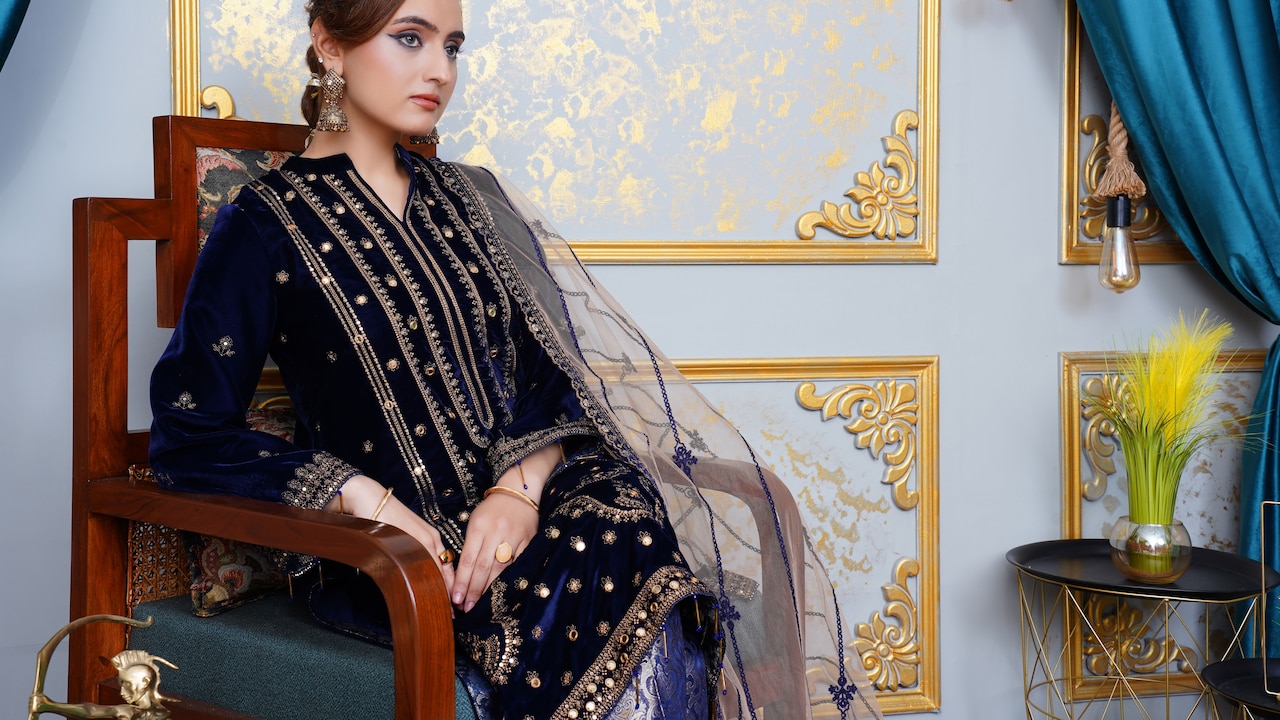
Every cupboard has a secret corner where similar kurtas gather like cousins at a wedding. One has tiny block prints, another has slightly different sleeves, and the third looks new only because the tag still hangs from it. They all seemed useful while shopping, yet somehow none feels exciting when Monday morning arrives. That is where a capsule ethnic wardrobe helps. It is not about owning less for the sake of it. It is about owning better. It gives each piece a proper role, so your clothes stop competing and start working together. A crisp cotton kurta, a graceful dupatta, a versatile bottom, and one clever jacket can create more outfits than a pile of nearly identical clothes.
How To Build A Capsule Ethnic Wardrobe Without Buying Too Many Similar Kurtas
Photo Credit: Pexels
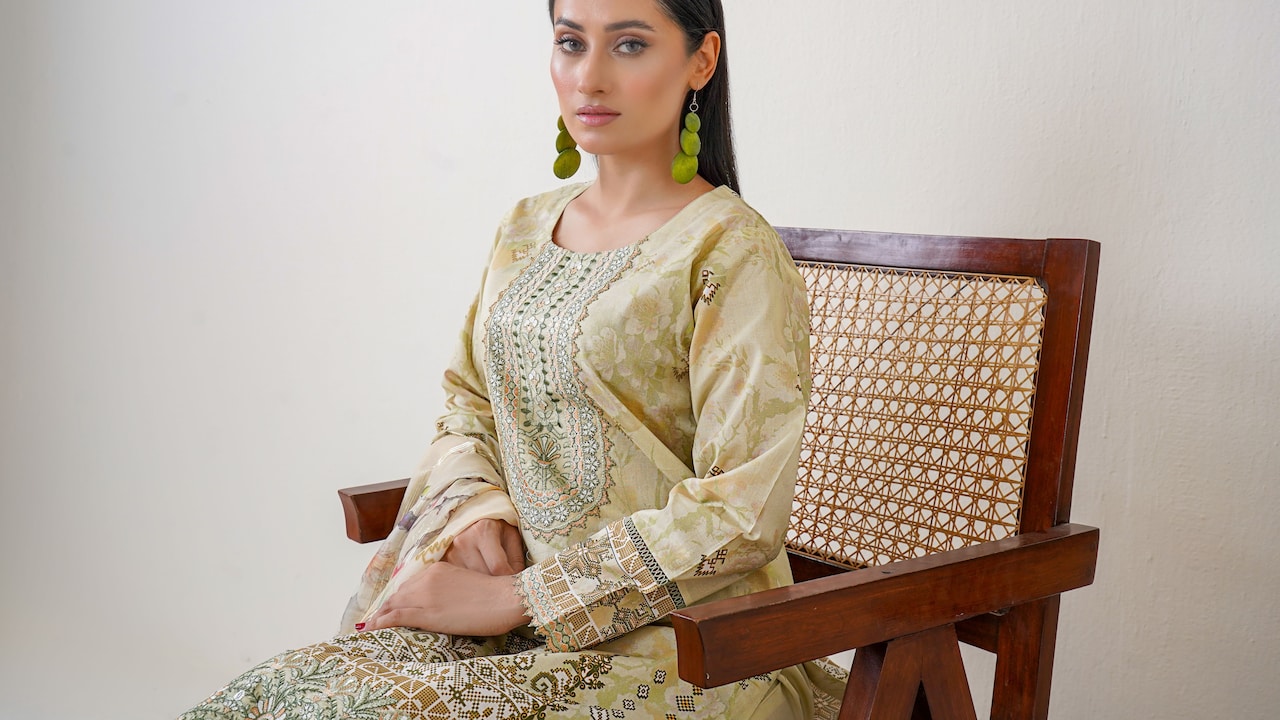
The aim is simple: fewer repeats, more combinations, and less wardrobe guilt. A good capsule wardrobe respects comfort, climate, culture, budget, and personal style. It lets you dress well without buying another kurta just because there is a sale banner shouting “Flat 50% Off”.
Smart Ways To Build A Versatile Ethnic Capsule Wardrobe
Know Your Real Lifestyle Before You Shop
A capsule wardrobe begins with real life, not Pinterest fantasies. Your clothes must suit the days you actually live. A person who works from home, attends school meetings, and visits relatives on weekends needs a different wardrobe from someone who travels for office meetings or attends frequent festive events.
Start by noticing what you wear most often. Are cotton kurtas your weekday heroes? Do co-ord sets make mornings easier? Do heavy dupattas sit untouched because they feel too fussy after lunch? These answers matter more than trends. Many wardrobes become crowded because shopping happens for an imaginary version of life, one filled with brunches, mehendi functions, and perfectly lit cafés.
Think in percentages. If most of your month involves work, errands, and casual outings, then most of your wardrobe should support that rhythm. Keep dressier pieces limited but strong. A ₹2,500 kurta set that works for five different occasions gives better value than a ₹1,200 impulse buy that only matches one palazzo. When lifestyle leads, shopping becomes calmer.
Audit Your Existing Kurtas Without Mercy
Before buying anything new, open the cupboard and face the kurta crowd. This step feels dramatic, but it saves money and space. Place every kurta on the bed and group them by colour, fabric, cut, and occasion. Patterns will appear quickly. Perhaps there are six straight-cut cotton kurtas in blue. Maybe there are four festive pieces with zari necklines but no simple bottoms to pair with them.
Keep the pieces that fit well, feel comfortable, and still make you smile. Repair the ones that need small fixes. A loose hook, faded tassel, or missing button should not push a good garment into retirement. Tailoring often costs less than a new outfit and can revive something forgotten.
Then ask the harder question: would this be bought again today? If the answer feels like a polite no, let it go. Gift, donate, resell, or repurpose it. Old dupattas can become cushion covers, potli bags, or blouse fabric. A capsule wardrobe needs honesty. Sentiment may stay, but clutter must leave.
Choose A Core Colour Palette
A capsule wardrobe becomes effortless when colours talk to each other. Without a palette, every new purchase demands another new purchase. That is how one printed kurta creates the need for matching leggings, earrings, sandals, and suddenly a “small buy” becomes a ₹5,000 project.
Choose three or four core shades that suit your skin tone, workplace, and mood. Neutrals such as ivory, charcoal, beige, navy, chocolate, and black work well because they support stronger colours. Add two accent colours you enjoy, such as rani pink, teal, marigold, rust, wine, or parrot green. These accents bring life without turning the wardrobe into a confused sweet shop.
For daily wear, muted colours often mix better. For festivals, richer shades can appear through dupattas, jewellery, or one statement kurta. This approach stops the “same kurta, different print” cycle. A navy kurta, beige trousers, rust dupatta, and silver jewellery can shift from office to dinner with small tweaks. Colour planning makes clothes feel fresh without constant buying.
Pick Different Silhouettes, Not Clones
The fastest way to avoid similar kurtas is to stop buying the same shape. Many people own multiple straight-cut kurtas because they feel safe. Safety is useful, but too much safety becomes boring. A strong capsule needs variety in silhouette, not just variety in print.
Keep one or two straight kurtas for everyday ease. Add an A-line kurta for movement, a short kurti for jeans or dhoti pants, an angrakha style for soft drama, and perhaps one long overlay or jacket kurta for festive days. Each shape should serve a purpose. The goal is not to collect every style in the market; the goal is to create different outfit moods from fewer pieces.
Sleeves also change the look. Three-quarter sleeves feel practical, sleeveless work well under jackets, and flared sleeves add charm to simple fabric. Necklines matter too. A V-neck, boat neck, mandarin collar, and square neck create visual differences even in similar colours. When silhouettes vary, your wardrobe gains range without needing another floral cotton kurta.
Also Read: Top 5 Moisture Wicking Kurtas For Men In Monsoon Under ₹500
Invest In Bottoms That Do The Heavy Lifting
Kurtas get all the attention, but bottoms quietly decide whether an outfit works. A capsule ethnic wardrobe needs reliable bottoms in cuts and colours that support many tops. Without them, even the prettiest kurta remains trapped on a hanger.
Start with neutral cigarette pants, tapered trousers, or straight pants in black, ivory, beige, and navy. These colours pair with most kurtas. Add one pair of palazzos for comfort, one pair of denims for relaxed styling, and one festive bottom with subtle shimmer or texture. A well-cut pair of trousers can make a ₹999 kurta look polished, while a poor fit can ruin an expensive one.
Fit matters more than trend. Waistbands should sit comfortably through long lunches, office hours, and auto rides. Fabric should not cling awkwardly or crease within five minutes. Spending ₹1,200 to ₹2,000 on a sturdy neutral bottom often gives better returns than buying another kurta. Once bottoms work hard, fewer kurtas create more outfits.
Let Dupattas Add The Drama
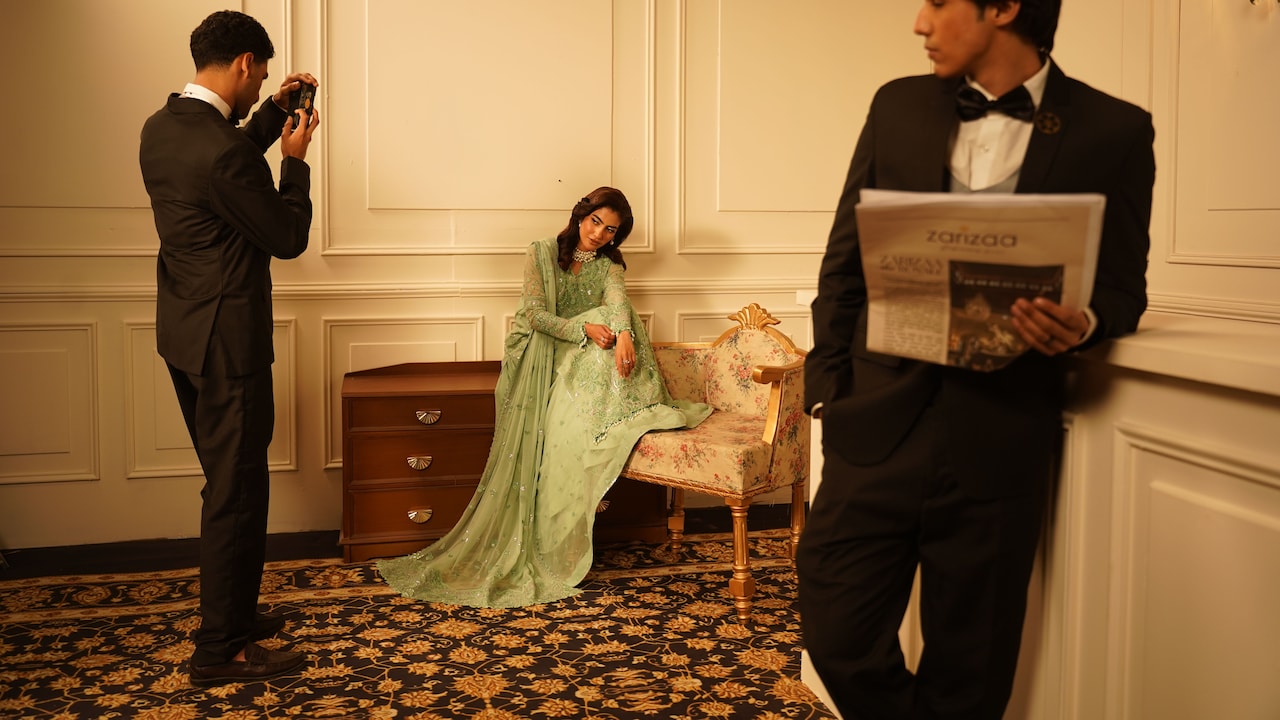
Dupattas are the secret masala of a capsule wardrobe. One plain kurta can become festive, graceful, or playful depending on the dupatta. This makes them perfect for anyone trying to avoid buying too many similar kurtas.
Keep a few strong dupattas with distinct personalities. A hand-block cotton dupatta works for casual days. A silk or silk-blend dupatta lifts simple outfits for pujas and dinners. A phulkari, bandhani, leheriya, kalamkari, or chanderi piece brings instant character. Even a plain chiffon dupatta in a rich shade can soften a structured outfit.
The trick is to choose dupattas that connect with your palette. A rust dupatta should pair with beige, ivory, navy, and black. A rani pink dupatta should not need one special kurta to justify its place. Avoid buying sets where the dupatta, kurta, and bottom cannot be separated. Separates stretch your wardrobe. A good dupatta does what good chutney does to a meal: it changes everything with little effort.
How To Build A Capsule Ethnic Wardrobe Without Buying Too Many Similar Kurtas
Photo Credit: Pexels
Use Layers To Create Fresh Looks
Layers can rescue a capsule wardrobe from looking too simple. Jackets, shrugs, capes, waistcoats, and long overlays add shape and mood without demanding many new kurtas. They also help repeat outfits without making the repeat obvious, which matters during wedding season when the same relatives notice everything.
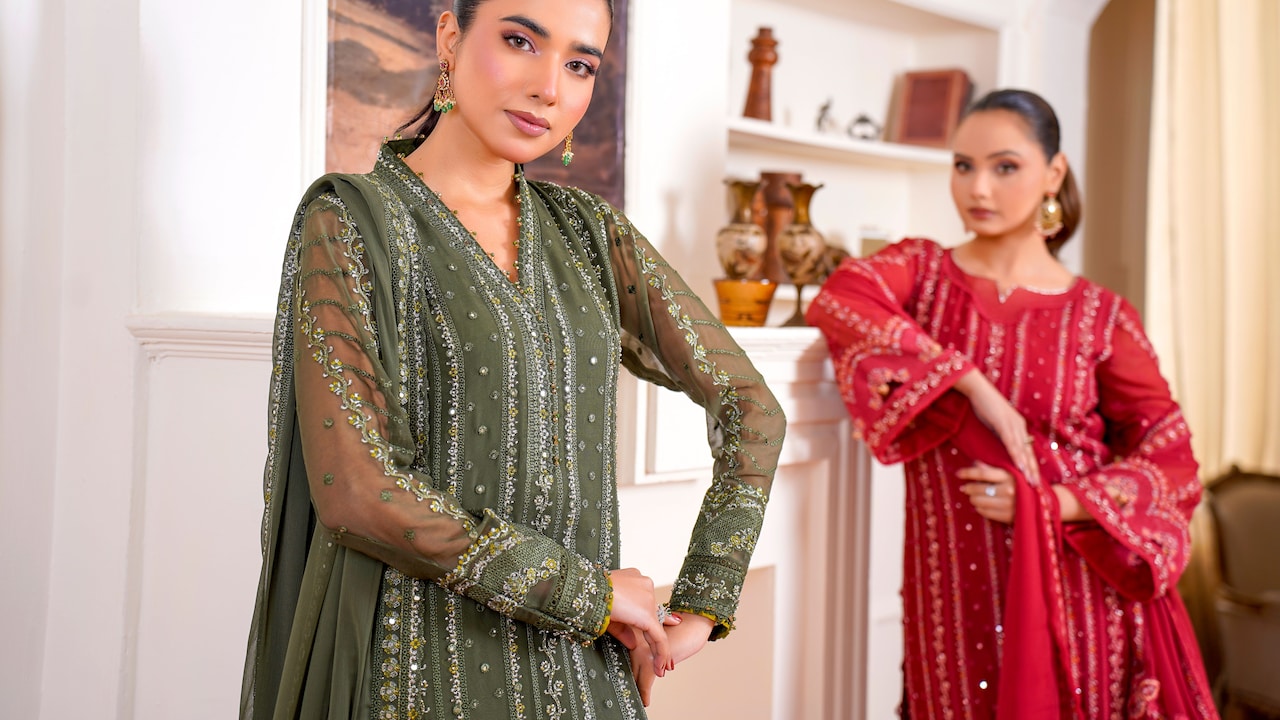
A sleeveless jacket over a plain kurta creates a smart work look. A printed long overlay with solid separates feels festive without heaviness. A cropped mirror-work jacket can turn a basic black kurta into a dinner-ready outfit. Even a light khadi shrug can make jeans and a kurti look more intentional.
Choose layers that do not fight with your existing clothes. A neutral jacket in beige, black, or indigo works across many outfits. One colourful festive jacket can handle special occasions. Avoid overly decorated pieces that only suit one event. Layers should multiply options, not create new storage problems. When chosen well, one jacket can do the work of three kurtas.
Build Around Fabrics That Suit The Weather
A beautiful wardrobe fails quickly when the fabric fights the climate. Heavy synthetics, stiff linings, and itchy embroidery may look lovely in store lighting, but they test patience during humid afternoons, crowded markets, and long family functions.
Cotton, linen blends, mul, viscose, rayon, and lightweight chanderi suit regular wear. They breathe, move, and usually wash well. For festive use, silk blends, organza, tissue, brocade trims, and embroidered cotton can add richness without turning the outfit into a portable sauna. The capsule approach does not reject glamour; it simply asks glamour to behave.
Think about care, too. If dry-clean-only clothes make you anxious, keep them limited. A kurta that needs special storage, special ironing, and special courage may not earn frequent wear. For daily pieces, choose fabric that survives washing machines, colour bleeding scares, and busy mornings. When fabric suits your life, you wear clothes more often. That alone reduces the urge to buy duplicates.
Keep Prints Balanced And Purposeful
Prints bring joy, but too many similar prints create wardrobe confusion. Ten small floral kurtas in soft colours may technically differ, yet they feel the same when worn. A capsule wardrobe needs print variety with intention.
Choose prints across scales and moods. One small everyday print, one bold block print, one stripe or geometric pattern, and one heritage-inspired motif can create enough range. Balance printed kurtas with solid bottoms and plain dupattas. If the kurta has a busy print, let the rest breathe. If the outfit feels too quiet, add printed accessories or a textured dupatta.
Avoid buying a print only because it looks “cute”. Ask where it will be worn and what it will pair with. A kurta that needs new earrings, new footwear, and a new bottom has already become expensive. Prints should join the wardrobe family easily. The best ones feel distinct but not demanding, like a fun cousin who brings dessert and does not start drama.
Plan Occasion Capsules Within The Capsule
A capsule wardrobe should not collapse during festivals, office parties, or sudden dinner invitations. The answer is not a separate overflowing festive cupboard. Instead, create small occasion capsules within the main wardrobe.
For work, keep polished kurtas, structured bottoms, simple dupattas, and comfortable sandals. For casual days, keep shorter kurtis, easy trousers, denims, and breathable fabrics. For festive occasions, keep one or two standout pieces, richer dupattas, statement earrings, and dressier footwear. Each section should overlap with the others. A silk dupatta can move from puja to dinner. A plain black kurta can work for the office with flats and for an evening with jhumkas.
This method saves panic shopping. Last-minute purchases often happen because the wardrobe has no clear festive plan. That is when overpriced sets enter the house two days before a function. A small, prepared occasion capsule keeps style ready without emergency spending.
Follow The One-In, One-Role Rule
Every new piece should enter the wardrobe with a clear job. This one rule can prevent most repeat purchases. Before buying a kurta, ask what role it plays. Is it for the office? Travel? Festivals? Casual lunches? Can it pair with at least three existing pieces? Does it add a new colour, fabric, silhouette, or mood?
If it does the same job as three kurtas already in the cupboard, pause. The sale price may tempt, but a bargain still wastes money when it creates clutter. A ₹799 kurta that never gets worn costs more than a ₹2,500 piece worn for years.
This rule does not kill fun. It makes fun smarter. A wardrobe should leave room for delight, colour, and the occasional “this is so me” purchase. It simply asks each new addition to earn space. When every garment has a role, dressing becomes lighter, faster, and far less repetitive.
How To Build A Capsule Ethnic Wardrobe Without Buying Too Many Similar Kurtas
Photo Credit: Pexels
Products Related To This Article
1. GAYRAA Women Ethnic Motifs Printed Extended Sleeves Kurta
2. Sangria Women Cotton Floral Printed Floral Kurta
3. Anouk Floral Yoke Design Notch Neck Thread Work Straight Kurta
4. KKOUTFITS Women Floral Printed Indie Prints Kurta
5. KJTRENDS Women Floral Printed Floral Kurta
6. Rimeline Floral Printed V-Neck Straight Kurta
7. Indo Era Floral Embroidered Kurta
Building a capsule ethnic wardrobe does not mean dressing plainly or giving up the joy of beautiful clothes. It means choosing with more attention. It means noticing that one strong dupatta can refresh five outfits, one good pair of trousers can support ten kurtas, and one clever jacket can rescue a repeat look from family WhatsApp scrutiny.
The real charm lies in balance. Keep pieces that fit your life, colours that flatter you, fabrics that respect the weather, and silhouettes that bring variety. Let prints, layers, jewellery, and dupattas do their share instead of expecting kurtas to carry the whole wardrobe.
A smaller, sharper collection can feel more stylish than a stuffed cupboard. It saves money, time, and that tiny heartbreak of owning too much yet wearing too little. The next time a familiar-looking kurta calls from a sale rack, smile politely and ask the real question: does it add something new, or is it just another cousin in the crowd?
(Disclaimer: This article may include references to or features of products and services made available through affiliate marketing campaigns. NDTV Convergence Limited (“NDTV”) strives to maintain editorial independence while participating in such campaigns. NDTV does not assume responsibility for the performance or claims of any featured products or services.)