Formal Shirt Fit Problems Solved: How To Avoid Button Pulling And Gaping
Stop button pulling, shirt gaping, and awkward fits with smarter sizing, better fabrics, and simple tailoring tips that keep formal shirts sharp, comfortable and perfectly polished all day.

10 things to consider when buying shirts to avoid buttons from pulling
Nothing ruins the charm of a crisp formal shirt faster than those tiny gaps between buttons that seem determined to make an appearance at the worst possible moment. One minute, the outfit feels boardroom-ready. Next, the chest area starts pulling like an overstuffed suitcase. It is uncomfortable, distracting, and hardly the sharp impression anyone hopes to create. Many wardrobes are filled with shirts that almost fit. They may look excellent on the hanger, carry a tempting ₹1,999 sale tag, or boast premium branding, yet fail where it matters most. Formal shirts are not simply about collar size or sleeve length. True fit involves balance across every seam.
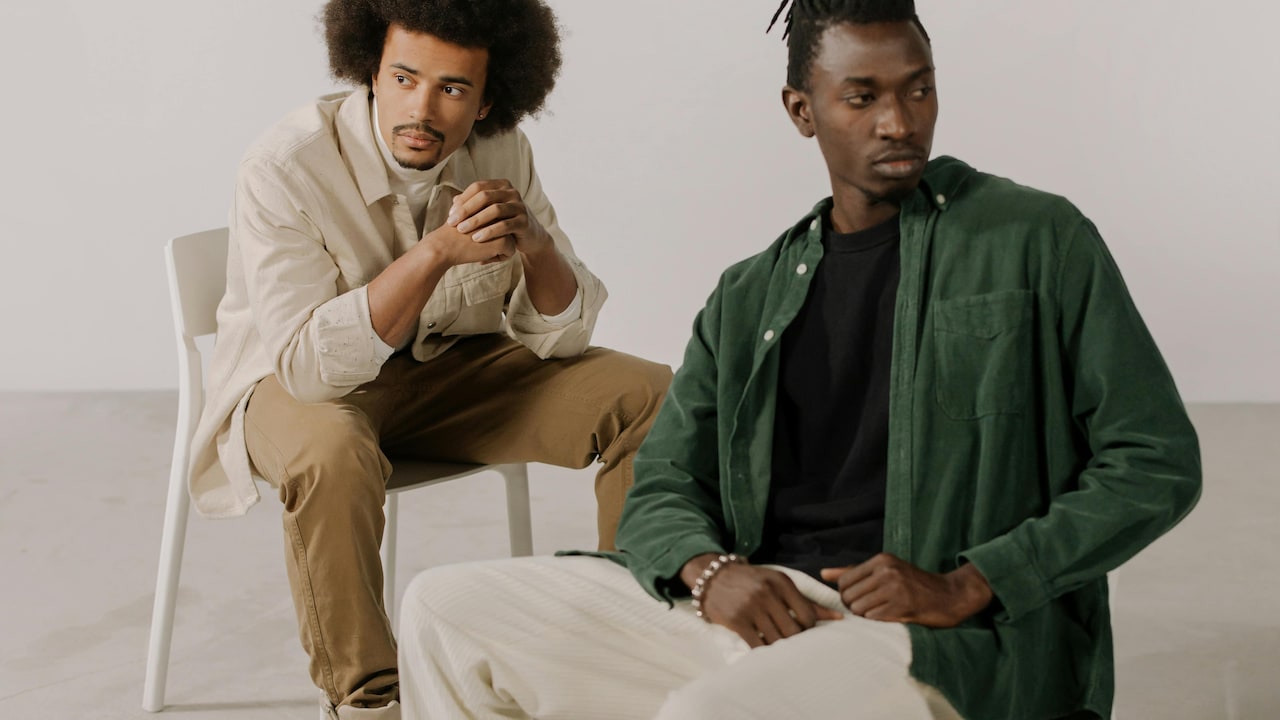
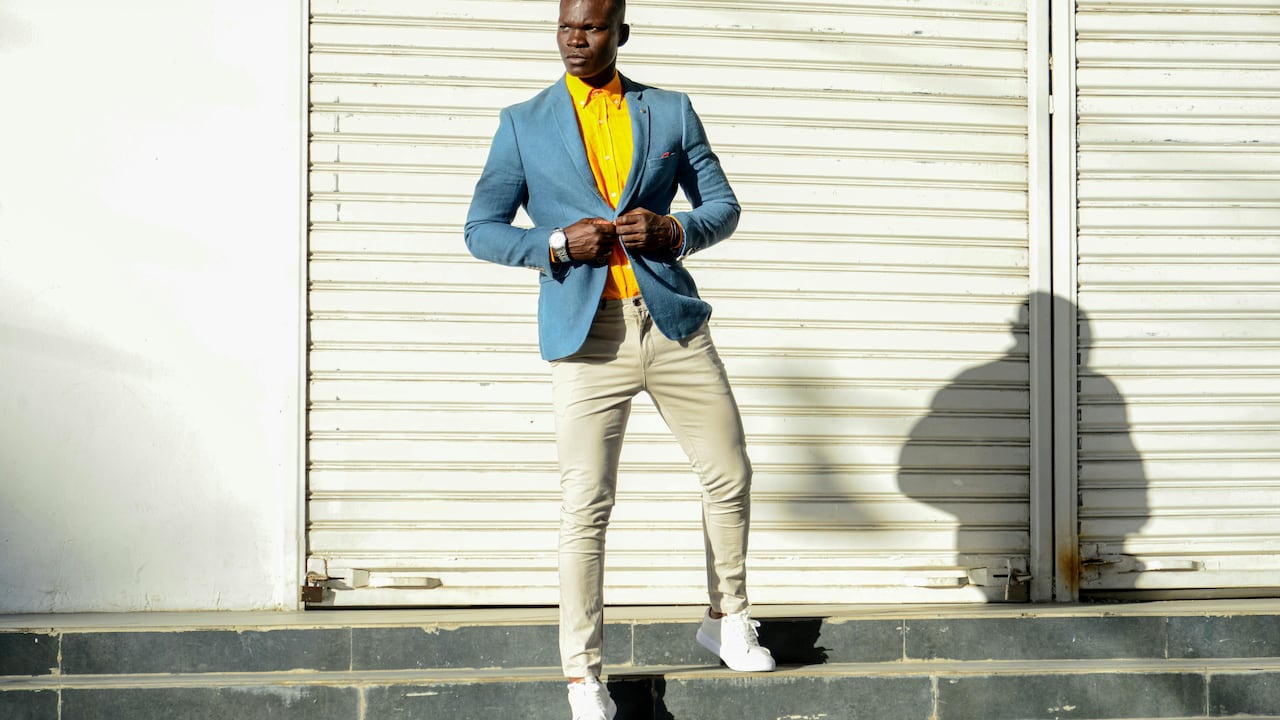
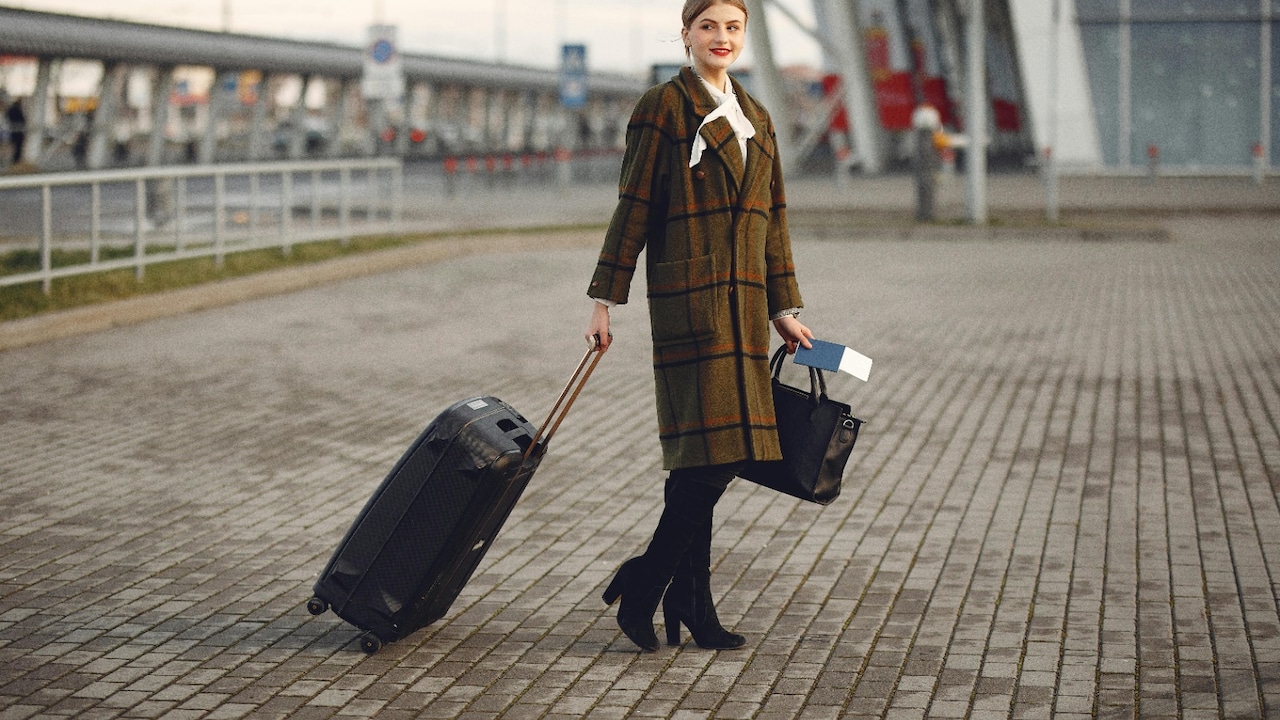
Easy tips to avoid shirt buttons from pulling awkwardly; Photo Credit: Pexels
Fortunately, these frustrating shirt issues are entirely fixable. With the right knowledge, better buying habits, and a few clever adjustments, anyone can sidestep button pulling and gaping without sacrificing style or comfort. Dressing well should feel effortless, not like a constant battle with buttons.
Also Read: Essential Formal Shirts Every Man Needs - A Complete Guide; Check Top 10 Myntra Deals Too
Common Formal Shirt Fit Problems And Practical Solutions
Understanding Why Button Pulling Happens
Button pulling often begins with one simple issue: insufficient room where the body needs it most. The chest, bust, or stomach area usually bears the brunt of this tension. When fabric stretches too tightly across these zones, buttons strain against their stitching, creating visible gaps.
Many people mistakenly size down for a slimmer silhouette, believing a snug shirt looks sharper. In reality, this approach can backfire spectacularly. A shirt should skim the body, not cling like shrink-wrap on leftovers. Even premium shirts can fail if the cut does not suit the wearer's proportions.
Mass-produced sizing also plays a major role. Standard measurements often ignore the reality that bodies vary widely. Broad shoulders, muscular builds, or curvier frames may require specific tailoring beyond generic sizes.
The solution starts with prioritising chest and shoulder fit over waist size. A slightly roomier shirt can always be tapered, but fabric that pulls at the buttons leaves little room for rescue. Comfort and elegance always outshine forced slimness.
Choosing The Right Fabric For Better Fit
Fabric choice influences fit more than many realise. Some materials behave beautifully throughout the day, while others seem determined to wrinkle, tighten, or gape by lunchtime.
Cotton remains a classic favourite for formal shirts due to its breathability and comfort. However, pure cotton with no stretch can become restrictive, especially for those with fuller builds or active workdays. Blended fabrics with a touch of elastane offer flexibility without compromising structure.
Lightweight fabrics may appear refined, but can pull more easily. Thicker weaves often provide better drape and durability, reducing visible strain around buttons.
Humidity and heat also matter. In warmer climates, certain fabrics may shrink slightly after washing or react poorly to sweat, altering the fit over time. Spending ₹2,500 on a shirt that loses shape after two washes hardly feels like a wise investment.
A fabric that complements both lifestyle and body type can dramatically reduce common fit issues. The best shirt should move naturally, hold structure, and remain dependable from morning meetings to evening dinners.
Prioritising Shoulder Fit Above All Else
Shoulder fit acts as the foundation of a great formal shirt. If the shoulder seams sit incorrectly, every other part of the shirt suffers.
Seams should align precisely with the natural edge of the shoulders. If they droop too far, the shirt looks oversized and sloppy. If they sit too high, movement becomes restricted, causing pulling across the chest and upper back.
Many focus heavily on collar size while ignoring this crucial detail. Yet poor shoulder alignment often creates a domino effect, leading to sleeve bunching, chest tension, and awkward draping.
Tailors can adjust waistlines and sleeve lengths relatively easily, but shoulder alterations often prove expensive or impractical. This makes the shoulder fit the top priority during purchase.
Trying on shirts while moving the arms naturally helps reveal hidden issues. Reaching forward, crossing arms, or sitting down can quickly expose restrictions.
A shirt with well-fitted shoulders instantly elevates appearance, creating cleaner lines and better comfort. It is the unsung hero behind effortless formal dressing.
Avoiding The Trap Of Vanity Sizing
Modern sizing can feel like a confusing maze. One brand's medium may fit like another's large, while slim-fit labels often seem wildly optimistic.
Vanity sizing encourages shoppers to focus on numbers rather than actual fit. Wearing a smaller size may feel satisfying in theory, but straining buttons tell a less flattering story.
Instead of obsessing over labels, attention should remain on measurements. Chest circumference, shoulder width, sleeve length, and waist dimensions offer far more reliable guidance.
Trying different fits within the same brand often reveals surprising differences. Regular fit, tailored fit, and slim fit all serve distinct body types.
Shopping online can complicate matters further. Reading size charts carefully and comparing personal measurements can prevent costly mistakes. Spending ₹799 on alterations may still be preferable to wasting ₹3,000 on an unwearable shirt.
Ignoring ego and embracing accurate sizing leads to better style choices. After all, genuine sophistication lies in fit, not the number printed on a tag.
The Importance Of Proper Button Placement
Button placement may seem like a minor design detail, yet it significantly impacts shirt performance. Poorly spaced buttons often create gaping, particularly around the chest.
For individuals with fuller upper bodies, wide button spacing increases the likelihood of visible gaps. Shirts with closer button placement distribute tension more evenly and improve modesty.
Many premium brands now incorporate hidden internal buttons between key front closures. These discreet additions can dramatically reduce gaping without altering appearance.
Tailors can also add modesty snaps or reinforcement stitches for existing shirts. This affordable tweak often costs less than ₹300 but offers noticeable improvement.
Selecting shirts designed with thoughtful construction prevents daily frustration. Functional design should never play second fiddle to aesthetics.
A polished formal shirt should inspire confidence, not constant checking in mirrors or awkward adjustments during conversations. Small construction details often deliver the biggest comfort upgrades.

Look for shirts with closer button placement that distributes tension more evenly and improve modesty; Photo Credit: Pexels
Tailoring: The Secret Weapon For Perfect Fit
Off-the-rack shirts rarely deliver flawless fits for everyone. Tailoring bridges that gap beautifully.
Simple alterations such as waist suppression, sleeve shortening, or darting can transform an average shirt into a wardrobe staple. Rather than endlessly hunting for perfection, many find better results by purchasing for larger areas like shoulders and chest, then tailoring smaller sections.
Professional tailoring costs vary, but spending ₹500 to ₹1,500 can significantly extend a shirt's wearability and sophistication.
A skilled tailor understands body proportions in ways standard retail sizing often ignores. They can customise fit while preserving comfort and movement.
Importantly, tailoring should refine rather than over-tighten. An excessively sculpted shirt can reintroduce pulling and discomfort.
Investing in alterations reflects practical style wisdom. A moderately priced shirt with excellent tailoring often outperforms luxury labels with poor fit.
Well-tailored clothing always communicates confidence, attention to detail, and understated elegance.
Recognising When Shirts Are Too Tight
Many continue wearing poorly fitted shirts simply because the signs seem subtle at first. Yet certain indicators should never be ignored.
Wrinkles radiating outward from buttons, chest gaps, restricted arm movement, and fabric strain when seated all suggest excessive tightness. Shirts should allow comfortable breathing and natural posture.
Discomfort often worsens throughout the day, particularly after meals or extended sitting. A shirt that feels barely manageable in the fitting room may become unbearable by evening.
Mirror checks from multiple angles help assess true fit. Front-facing views alone can be misleading.
Choosing comfort does not mean sacrificing sharpness. A properly fitted shirt still appears sleek while allowing natural movement.
Wardrobe confidence depends on reliability. No one wants to spend presentations or social gatherings worrying about wardrobe malfunctions.
Recognising tightness early saves both money and style frustration. Great dressing should support daily life, not complicate it.
Caring For Shirts To Maintain Shape
Even perfectly fitted shirts can develop problems without proper care. Washing, drying, and ironing habits directly affect long-term fit.
Hot water can shrink fabrics, particularly cotton, leading to unexpected tightening. Overdrying may further distort shape and weaken fibres.
Following garment care labels helps preserve the original structure. Cold washes and air drying often extend shirt lifespan considerably.
Poor ironing techniques can also warp collars, plackets, or button areas. A crisp presentation requires patience, not excessive heat.
Quality hangers prevent shoulder distortion during storage, while overcrowded wardrobes encourage wrinkles and misshaping.
A ₹4,000 shirt deserves maintenance that protects its investment. Neglecting care can quickly undo even the best fit.
Consistent garment care ensures shirts retain structure, comfort, and a polished appearance over time. Looking sharp often starts long before getting dressed.
Building A Smarter Formal Shirt Wardrobe
A practical wardrobe prioritises versatile, well-fitting essentials over impulsive purchases. Rather than accumulating multiple ill-fitting sale items, focusing on fewer quality pieces delivers better long-term value.
Classic shades like white, pale blue, and subtle stripes offer flexibility across work and formal occasions. Once reliable fits are identified, repeat purchases become far easier.
Rotating shirts regularly reduces wear and prolongs shape retention. Investing in dependable brands or trusted tailors streamlines future shopping.
Seasonal body changes should also guide wardrobe reviews. Weight fluctuations, fitness goals, or lifestyle shifts may require updated sizing.
Building a polished wardrobe resembles curating a trusted toolkit. Every piece should perform reliably without unnecessary stress.
Smart shopping, thoughtful tailoring, and proper care ultimately create a collection that supports confidence every day. Style becomes less about chasing trends and more about mastering fit.
Products Related To This Article
1. Thomas Scott Men Premium Pure Cotton Formal Shirt
2. FITHUB Pleated Cotton Formal Shirt
3. URBANICE Premium Slim Fit Spread Collar Cotton Formal Shirt
4. Style Quotient Women Smart Spread Collar Solid Formal Shirt
5. Turtle Men Standard Slim Fit Windowpane Checks Checked Formal Shirt
Formal shirt fit problems need not remain an endless source of irritation. Button pulling, gaping, and awkward tightness often stem from fixable issues such as poor sizing, unsuitable fabrics, or overlooked tailoring opportunities.
Understanding body shape, prioritising shoulder fit, selecting functional fabrics, and embracing alterations can transform formalwear entirely. Small adjustments often create dramatic improvements, allowing shirts to feel as polished as they appear.
A truly great formal shirt should offer comfort, confidence, and elegance in equal measure. It should survive long office hours, festive gatherings, and daily commutes without demanding constant attention.
When fit becomes the priority, every outfit gains a sharper impact. Crisp collars, smooth button lines, and effortless comfort never go out of style.
(Disclaimer: This article may include references to or features of products and services made available through affiliate marketing campaigns. NDTV Convergence Limited (“NDTV”) strives to maintain editorial independence while participating in such campaigns. NDTV does not assume responsibility for the performance or claims of any featured products or services.)