Does The Right Shoe Size Stay Comfortable All Day? 10 Footwear Fit Myths Explained
A shoe can match your usual size and still pinch, rub or feel loose by evening. From swollen feet to toe-box shape, these 10 footwear fit myths explain why size alone doesn’t guarantee all-day comfort.
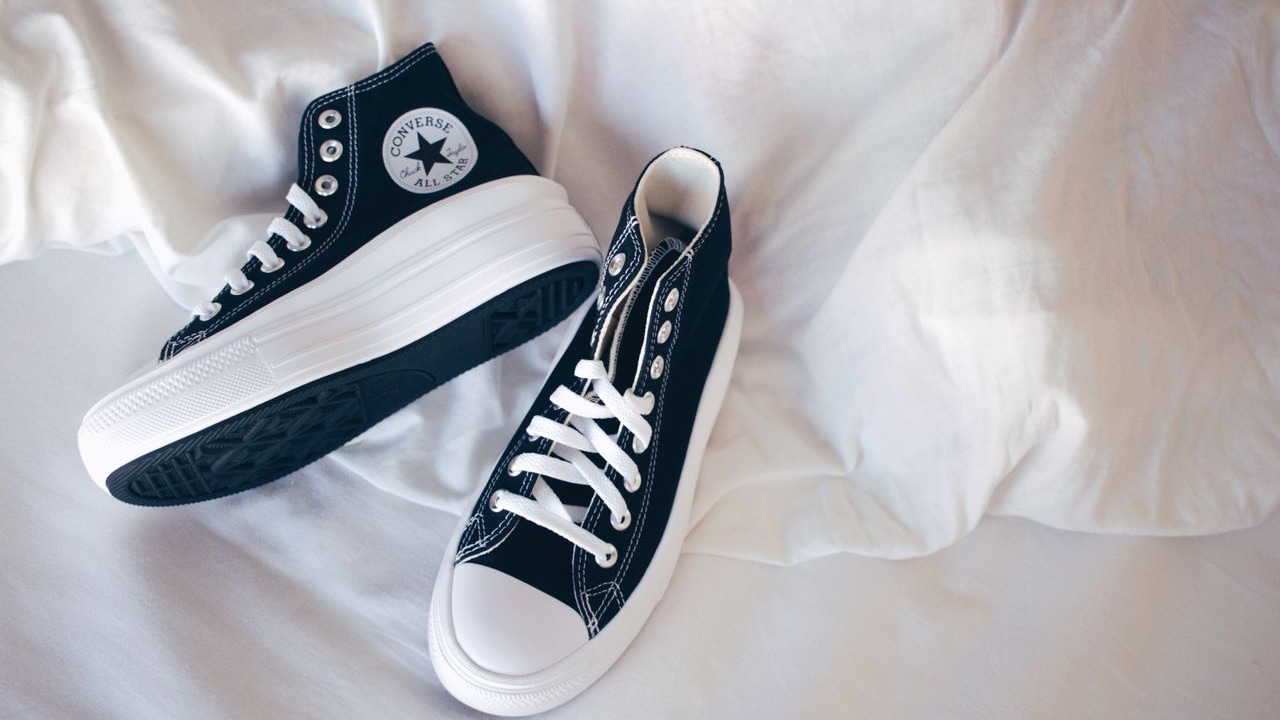
How to choose the right shoe size for a comfortable fit
Buying shoes would be wonderfully simple if one number settled everything. Find your size, pick a pair, walk out of the shop, and enjoy perfectly comfortable feet until bedtime. Unfortunately, feet haven't received that memo. A pair that feels comfortable during a quick morning trial can become surprisingly irritating after several hours. Toes may start pressing against the front. Straps that initially felt secure can leave deep marks. Trainers may suddenly seem tighter, while loafers can become loose enough for the heel to slip. That doesn't automatically mean the shoes are the wrong size. Footwear fit depends on far more than length. Foot width, arch shape, toe-box design, materials, socks, walking habits and even the time of day can change how a shoe feels.
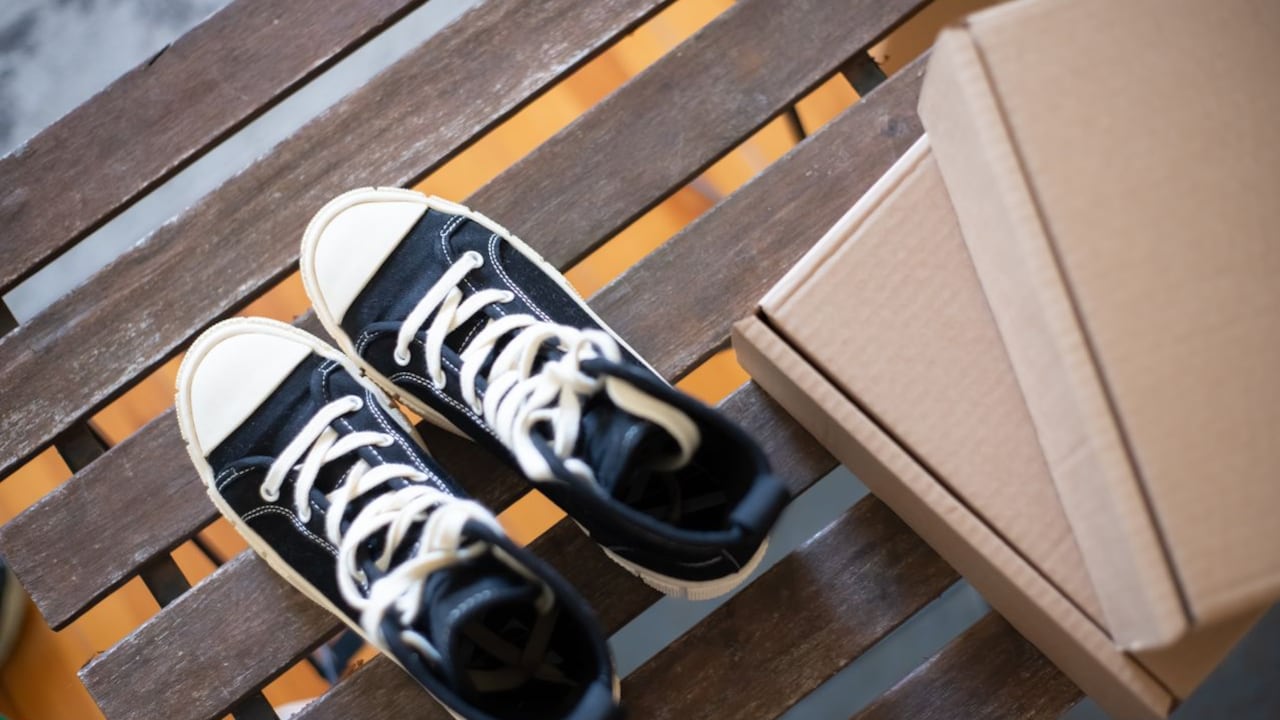
Common myths to avoid when selecting a shoe size
Photo Credit: Pexels
This explains why blindly buying the same number across every brand often leads to disappointment. It also explains why someone can comfortably wear one pair in a particular size yet struggle with another pair carrying the exact same number.
Also Read: Festive Footwear Edit: Discover Styles That Pair Perfectly With Sarees, Suits And More
So, does getting the "right" shoe size guarantee comfort from breakfast to dinner? Not quite. These common footwear fit myths reveal what actually happens once your feet spend a full day inside those shoes.
Why The Right Shoe Size Can Still Feel Wrong By The End Of The Day
1. Myth: Your Shoe Size Should Stay Exactly The Same All Day
Feet aren't rigid objects with fixed dimensions. They change subtly throughout the day, which is one reason a comfortable morning fit can feel noticeably tighter by evening.
Standing, walking and sitting with the feet down can encourage fluid to collect in the lower legs and feet. The difference may be small, but shoes leave little room for error. A few millimetres of swelling can turn a snug toe box into an uncomfortable one.
Hot weather can make this more noticeable. After commuting, climbing stairs, walking through markets or spending hours at work, feet may feel fuller than they did when the shoes first went on.
This doesn't mean everyone needs dramatically larger footwear. Instead, shoes should have enough space to accommodate normal changes without allowing the foot to slide around.
Trying footwear later in the day can therefore reveal more than a quick morning fitting. Walk around properly rather than merely checking whether the toes technically fit inside.
The correct size should accommodate your feet when they're slightly fuller, not just when they're at their smallest.
2. Myth: The Same Size Fits The Same Way In Every Brand
A size 6 isn't necessarily the same shape everywhere.
Shoe sizing systems provide a useful starting point, but manufacturers use different lasts, which are the moulds around which shoes get designed. One brand may create a narrow heel and generous forefoot. Another may produce a slimmer toe area. A third may run slightly longer.
That means the number printed inside the shoe cannot tell the whole story.
Even two styles from the same company can fit differently. Running shoes need different internal proportions from pointed flats, while formal loafers won't necessarily share the same construction as casual trainers.
This becomes especially important when shopping online. Reordering your "usual size" without checking measurements can lead to shoes that technically match the number yet feel completely wrong.
Pay attention to brand-specific size charts and, where available, customer comments about whether a style runs small, large, narrow or wide.
Think of shoe size as an introduction rather than a final answer. It gets you into roughly the right neighbourhood. Your feet still have to decide whether they actually want to live there.
3. Myth: If Your Toes Reach The Front, You Simply Need A Bigger Size
Toe discomfort doesn't always mean the entire shoe needs to be longer.
The real culprit may be the toe-box shape.
Imagine someone with a wider forefoot wearing a narrow, pointed shoe. Increasing the size might create more length, but the toes could remain compressed from the sides. Meanwhile, the heel may now start slipping because the shoe has become unnecessarily long.
Different feet need different shapes. Some people have a relatively straight line across the toes. Others have a longer big toe, while some have a second toe that extends further. Shoes that taper sharply can conflict with these natural variations.
Ideally, the toes should have enough space to spread slightly while walking. They shouldn't repeatedly hit the front of the shoe or feel squeezed together.
This matters especially with trainers, walking shoes and everyday footwear worn for hours.
Rather than automatically sizing up, examine where the pressure occurs. If the length feels adequate but the sides pinch, a wider or differently shaped toe box may solve the problem far better than adding another half or full size.
4. Myth: Shoes That Feel Tight Will Always Stretch Into The Perfect Fit
We've probably all heard some version of this promise: "Don't worry, they'll loosen after a few wears."
Sometimes they do. Sometimes your feet simply suffer while waiting for a miracle that never arrives.
Certain materials soften with wear, particularly some natural leathers. But even then, shoes usually mould around the foot more than they dramatically increase in size. Synthetic fabrics and structured footwear may change very little.
A shoe that feels slightly firm around a flexible section may become more comfortable. A shoe that crushes the toes, creates sharp pressure or forces the foot into an unnatural position probably won't transform into a perfect fit.
There's also a difference between breaking in footwear and enduring pain. Minor stiffness around a new leather upper can settle. Burning toes and angry blisters shouldn't become part of the initiation ceremony.
Comfort should be reasonably good from the beginning.
If shoes require weeks of discomfort before they become wearable, the issue may involve the size, width or construction rather than simply newness.
Breaking in can fine-tune a decent fit. It cannot reliably rescue a fundamentally poor one.
5. Myth: Loose Shoes Are Always More Comfortable Than Snug Ones
When choosing between slightly tight and slightly loose shoes, the roomy pair often feels safer. After all, extra space sounds comfortable.
Too much space creates its own problems.
If the heel lifts significantly with every step, the foot may repeatedly rub against the shoe. That friction can cause hot spots and blisters. To stop loose footwear slipping, people sometimes curl their toes or tense their feet without realising it.
That isn't exactly relaxing.
Loose shoes can also allow the foot to slide forwards, particularly on slopes or during brisk walking. Suddenly all that generous room disappears as the toes crash into the front.
The goal isn't maximum space. It is controlled space.
A well-fitting shoe should hold the heel reasonably securely while leaving enough room around the toes for natural movement. The middle of the shoe should feel supportive rather than restrictive.
Some styles naturally fit differently. Slip-ons may have slightly more movement than lace-up trainers, for example.
Still, if walking normally requires constantly gripping the shoe with your toes, the pair probably isn't offering the carefree comfort that extra room seemed to promise.
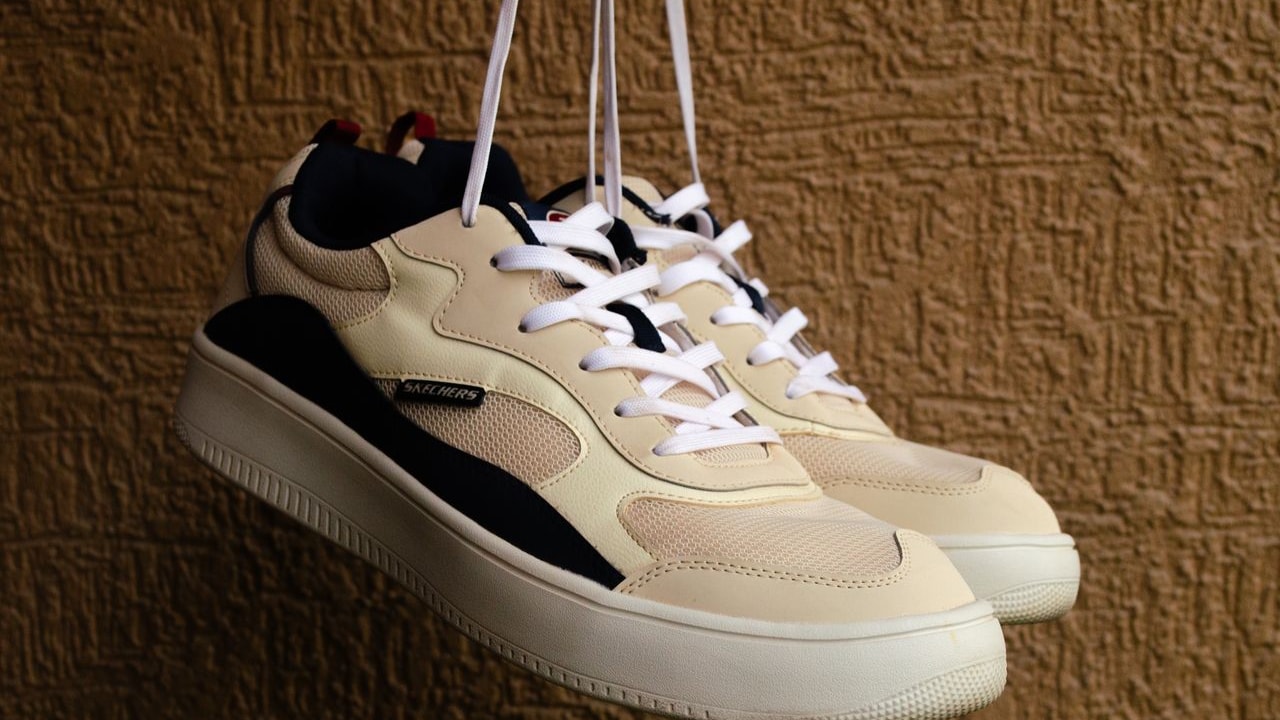
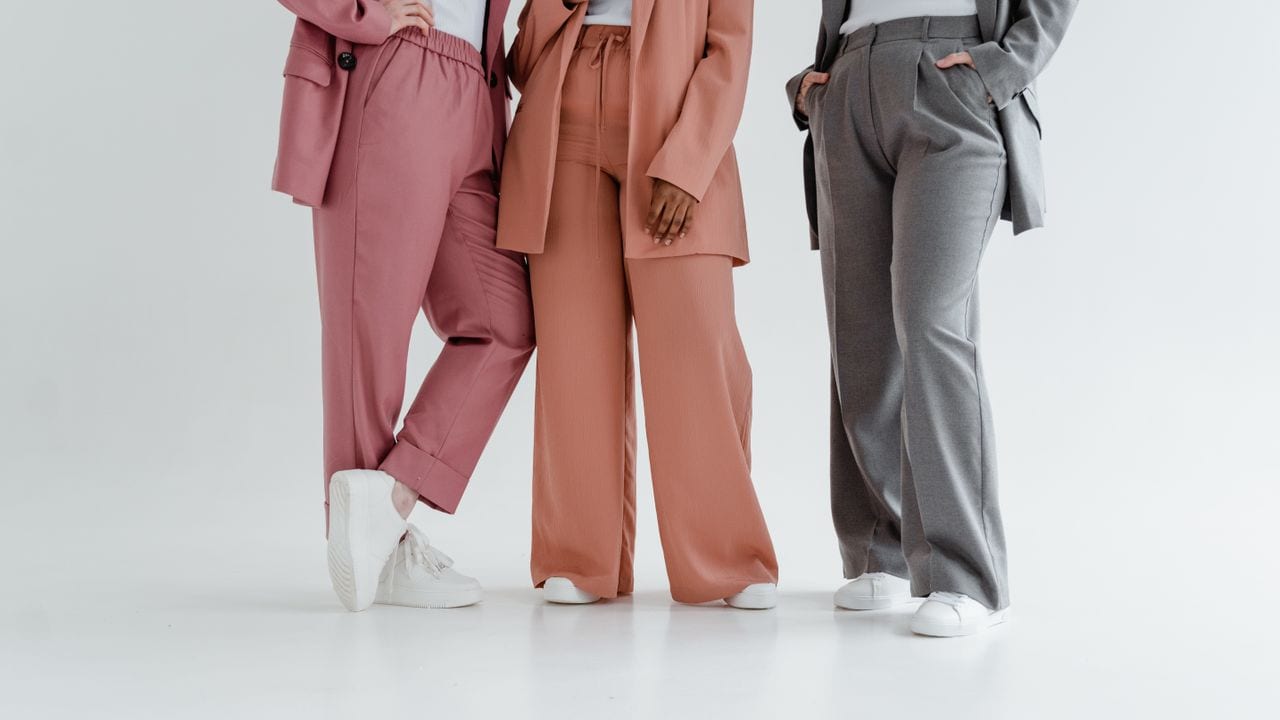
Loose shoes are not always more comfortable than shoes that offer a snug fit
Photo Credit: Pexels
6. Myth: Your Left And Right Foot Should Wear Exactly The Same Size
Human bodies aren't perfectly symmetrical, and feet are no exception.
One foot may be slightly longer, wider or fuller than the other. The difference can be so small that it goes unnoticed until a particular pair of shoes highlights it.
Perhaps the left shoe feels ideal while the right one presses against the toes. Or one heel slips while the other stays comfortably in place.
Choosing footwear according to the smaller foot can create unnecessary pressure on the larger one. In most cases, fitting the larger foot gives both sides enough room.
The smaller foot can often get a more secure fit through lacing adjustments, insoles, heel grips or socks, depending on the shoe.
This is another reason both shoes should always be tried on. Testing one shoe while the other remains neatly inside the box may save thirty seconds but miss an important fit difference.
Stand up and walk around wearing both. Feet spread slightly under body weight, so sitting alone doesn't recreate normal use.
Your two feet are partners, not identical twins. Good footwear needs to accommodate that small but perfectly normal disagreement.
7. Myth: If The Length Is Correct, Width Doesn't Matter Much
Width deserves much more attention than it usually gets.
Most shoppers immediately check whether their longest toe reaches the front. If the length seems fine, the shoe often gets declared the correct size.
Meanwhile, the sides of the foot may be fighting for survival.
A shoe that's too narrow can create pressure around the forefoot, little toe and joints. It may also make the upper bulge or cause the foot to spill over the edge of the sole.
Going up a size isn't always the answer. Longer footwear may simply create heel movement while failing to provide enough width where it's actually needed.
The opposite problem matters too. Someone with narrow feet may find standard-width footwear roomy even when the length matches perfectly.
Look at how the foot sits inside the shoe. The widest part of the foot should align naturally with the widest part of the footwear.
Width becomes particularly important in shoes worn for long walks or full workdays.
The right length paired with the wrong width is still the wrong fit. Shoe sizing works in more than one direction.
8. Myth: Socks Don't Make Enough Difference To Affect Fit
That tiny layer between the foot and shoe can change the fit more than expected.
Try on trainers wearing thin socks and everything may feel beautifully spacious. Wear the same shoes with thick sports socks during a long walk and suddenly the toe box seems less generous.
The reverse can happen with formal footwear. Testing shoes with thick socks and later wearing them with ultra-thin ones may create unexpected heel movement.
Sock thickness affects internal volume, but that's not the only consideration. Seams, cushioning and moisture can also influence comfort.
For shoes meant for exercise, the socks normally worn during activity should ideally come along for the fitting. The same principle applies to boots, office shoes or any footwear paired with a particular type of sock.
There's little value in achieving the perfect fit under conditions that won't exist once the shoes enter everyday life.
Even something as simple as switching from lightweight cotton socks to padded athletic ones can make a previously comfortable pair feel noticeably tighter.
Shoes and socks work as a system. Treating them as completely separate purchases can create surprisingly uncomfortable results.
9. Myth: A Soft Insole Means The Shoe Will Stay Comfortable For Hours
Step into a heavily cushioned shoe and the first impression can feel glorious. Soft foam creates an immediate sense of comfort, which makes it tempting to judge the entire fit from that initial sensation.
But softness isn't the same thing as good fit.
A plush insole cannot compensate for a heel that slips, an upper that squeezes the forefoot or a toe box that doesn't match the shape of the foot.
Very soft cushioning can even disguise fit problems during a short trial. Spend ten minutes walking around and the shoe feels heavenly. Spend six hours standing and previously unnoticed pressure points may start announcing themselves rather loudly.
Comfort comes from a combination of factors, including shape, stability, flexibility, cushioning and appropriate space.
Different activities also change what feels supportive. The footwear that feels pleasant for a short café outing may not suit a day involving lengthy walks and standing.
Don't let that satisfying first squish make the entire decision.
Walk around, change direction and notice whether the heel stays secure and the toes move naturally. Cushioning can enhance a good fit. It shouldn't distract from a bad one.
10. Myth: Once You Find Your Size, You Never Need To Measure Again
Many adults haven't measured their feet properly in years. They simply remember the number they've bought since college and keep ordering it.
Feet, however, aren't required to honour that lifelong arrangement.
Age, weight changes, pregnancy, activity levels and changes in foot structure can influence how footwear fits over time. Even without dramatic physical changes, years of walking and standing may subtly alter foot width or shape.
This doesn't mean shoe size constantly changes. It simply means relying on an old measurement forever isn't particularly useful if footwear suddenly starts feeling uncomfortable.
Measure both feet occasionally, especially if familiar sizes begin pinching or slipping.
Measurements also help when ordering online because centimetre-based size charts can sometimes provide a clearer reference than familiar UK or brand-specific numbers.
Remember that measurement remains only one part of fit. Two shoes with identical stated lengths can still feel very different because of their width, upper construction and toe shape.
The number on the box is useful, but your feet get the final vote. If the size label says "perfect" while every step says otherwise, believe the feet.
Products Related To This Article
1. Campus Women's KELRO Walking Shoes
2. SPARX Mens SM 680 Walking Shoe
3. ASIAN Wonder-13 Men's Running Shoe
4. Puma Mens Dazzler Sneaker
5. Nike Mens Vomero 18 Wide Running Shoes
6. DOCTOR HEALTH SUPER SOFT Men's Sports Shoes
7. Cruiser Mens Sneaker
The right shoe size matters, but it doesn't guarantee all-day comfort. Feet swell, brands use different shapes, socks alter internal space and even two feet can have slightly different measurements. Width, toe-box design, heel security and materials matter just as much as the number printed inside the shoe.
A good fit should feel secure without squeezing, roomy without sliding and comfortable enough that you aren't thinking about your footwear every few minutes. So, the next time a familiar shoe size suddenly feels wrong, don't assume your feet are being difficult. The number may be correct. The fit simply may not be.
(Disclaimer: This article may include references to or features of products and services made available through affiliate marketing campaigns. NDTV Convergence Limited (“NDTV”) strives to maintain editorial independence while participating in such campaigns. NDTV does not assume responsibility for the performance or claims of any featured products or services.)