Why Cheap Gaming Headsets Feel Uncomfortable During Long Use: What To Check Before Buying
Cheap gaming headsets often cause ear pain, sweating, and headaches during long sessions. This is what to check before buying, so comfort does not become the biggest downgrade.

Cut the chase and find the best gaming headset with these tips
Every gamer knows the excitement of unboxing a shiny new headset. The colourful RGB lights glow like a mini Diwali decoration, the box promises “7.1 surround sound”, and the price seems suspiciously generous. A headset worth ₹1,499 suddenly feels like the deal of the century. Then reality arrives three hours into a ranked match. The ears start heating up like a pressure cooker left on high flame. The headband digs into the scalp. The microphone pokes the cheek at awkward angles. Suddenly, winning the game matters less than removing the headset before it causes permanent emotional damage.
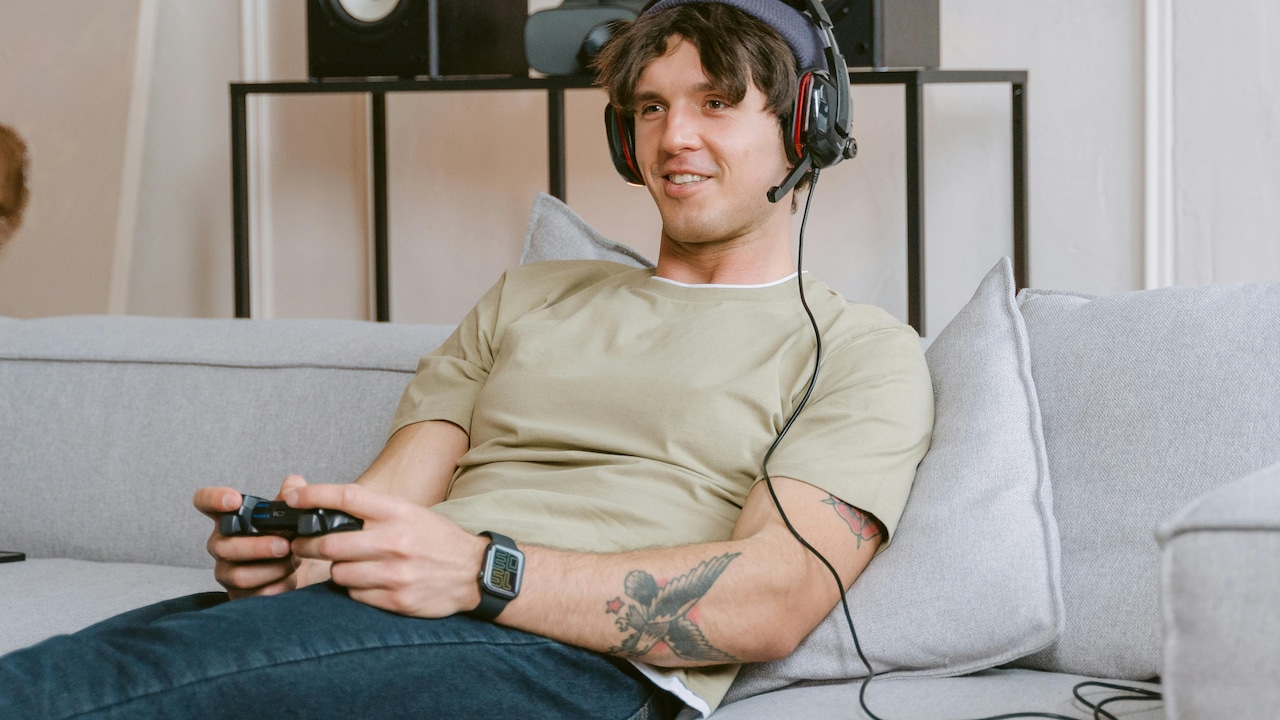
What to consider when choosing a gaming headset; Photo Credit: Pexels
Cheap gaming headsets rarely fail during the first ten minutes. The problems appear slowly. Manufacturers often focus on flashy packaging and loud bass while ignoring comfort. Long gaming sessions expose weak materials, poor ergonomic design, and shortcuts taken to reduce costs.
Comfort matters far more than many buyers realise. A headset may offer decent audio quality, but if it feels painful after an hour, it becomes difficult to enjoy any game properly. Whether someone enjoys casual racing games, intense battle royales, or long story-driven adventures, comfort decides how long the experience stays enjoyable.
Before buying another headset based purely on discounts or online hype, several important factors deserve closer attention.
Also Read: Explore 5 Best Gaming Headphones Under ₹2,000 With Mic 2026 To Level Up Your Experience
Why Comfort Matters More Than Fancy Features
Cheap Padding Often Causes Ear Pain
One of the biggest reasons budget gaming headsets feel uncomfortable lies in the ear padding. Many low-cost models use thin foam covered with synthetic leather that barely survives a few months. At first touch, the material feels soft enough. After extended use, however, the foam compresses completely and presses the hard speaker housing directly against the ears.
The discomfort becomes worse during long gaming sessions, especially in warmer weather. Cheap faux leather traps heat and sweat quickly. After two hours, the headset can feel less like gaming equipment and more like wearing hot rotis on both ears. The sticky sensation becomes impossible to ignore.
Better headsets usually include memory foam or breathable fabric cushions. These materials distribute pressure more evenly and allow airflow around the ears. Budget models often skip such features to keep prices low.
Checking product images closely helps identify potential problems. Thin cushions with flat surfaces usually signal trouble. Reviews mentioning sweating, ear fatigue, or pressure pain also deserve attention. Trying the headset physically in a store remains the safest option whenever possible.
Comfort starts with the part touching the body most often. If the padding feels cheap during the first trial, it rarely improves later.
Excessive Clamping Force Creates Headaches
Many inexpensive gaming headsets grip the head too tightly. Manufacturers increase clamping force to prevent the headset from slipping, but poor balancing turns that tightness into discomfort after extended use.
The pressure usually builds around the temples and jawline. At first, the sensation feels manageable. Over time, it develops into headaches that make even simple conversations annoying. Long gaming marathons become exhausting because the headset constantly squeezes the skull like an overenthusiastic barber during a head massage.
Premium brands often spend time refining weight distribution and flexibility. Budget products usually rely on stiff plastic frames with limited adjustment. This creates uneven pressure points across different head sizes.
Gamers with spectacles suffer even more. Tight earcups push spectacle arms into the sides of the head, causing soreness within an hour. Many people blame their glasses without realising that the headset design causes the actual issue.
Before buying, checking user reviews specifically mentioning comfort for spectacle wearers helps greatly. Adjustable steel bands and flexible hinges also improve long-term usability. Headsets that look bulky and rigid often create stronger clamping pressure.
A secure fit matters, but excessive tightness quickly destroys comfort during long sessions.
Heavy Designs Strain The Neck
Weight plays a massive role in gaming comfort, yet many buyers overlook it completely. Some cheap gaming headsets pack oversized plastic frames, unnecessary RGB lighting, and bulky speaker housings into a design that feels heavier than a school backpack full of textbooks.
During short use, the extra weight barely feels noticeable. After several hours, the neck and shoulders start feeling strained. Even slight movements become tiring because the headset constantly pulls downward.
The issue becomes more obvious during competitive gaming sessions where concentration matters. Neck fatigue affects posture and focus. Instead of reacting quickly during gameplay, players end up adjusting the headset every few minutes.
Manufacturers often add flashy cosmetic features simply to make products appear “premium”. Giant earcups, thick plastic shells, and decorative metal pieces may look impressive online, but they rarely improve comfort.
Checking the actual headset weight before purchasing makes a huge difference. Lightweight designs usually perform better for extended sessions. Simpler builds often feel far more comfortable than oversized “gamer-style” designs covered in aggressive angles and RGB strips.
A headset should feel almost forgettable while wearing it. If the neck constantly notices the weight, the design has already failed.
Poor Headband Design Hurts The Scalp
The headband supports the entire headset, yet cheap models often treat it as an afterthought. Thin padding and hard plastic edges create pressure directly on the scalp, leading to soreness during prolonged use.
The problem becomes especially annoying for players who spend weekends grinding through multiplayer events or binge-playing story campaigns. A badly designed headband creates a dull ache at the top of the head that slowly ruins concentration.
Some low-cost headsets use narrow headbands with almost no cushioning. Others include fake padding that flattens within weeks. The pressure then focuses on one small area instead of spreading evenly across the head.
Hair type also affects comfort. Thick hair may soften the impact slightly, while shorter hairstyles often expose the scalp directly to the pressure points. During summer, sweat trapped under the headband worsens irritation further.
Good headbands use wider support structures and softer materials to distribute weight evenly. Suspension-style bands also improve comfort significantly because they reduce direct pressure.
Product reviews mentioning “hotspots” or scalp pain should never be ignored. Even excellent audio quality cannot compensate for a headset that feels like balancing a brick on the head.
Cheap Materials Trap Heat And Sweat
Gaming already raises body temperature during intense matches. Add poor headset materials into the mix, and the result feels like sitting inside a crowded local train during peak summer.
Budget gaming headsets often use low-grade synthetic leather because it looks premium in advertisements. Unfortunately, these materials trap heat quickly and reduce airflow around the ears. Within an hour, sweat builds up and creates discomfort that distracts from gameplay entirely.
The issue becomes even worse in humid environments where ventilation already feels limited. Earcups start feeling sticky, and repeated sweating slowly damages the padding itself. Eventually, peeling surfaces appear, making the headset look older than it actually is.
Breathable fabric earcups usually provide better comfort during extended gaming sessions. Mesh materials allow airflow and reduce heat accumulation significantly. Many mid-range headsets now include hybrid cushioning that balances comfort and durability better than cheap faux leather.
Checking the earcup material before purchasing helps avoid future regret. Fancy product photos rarely reveal heat issues clearly, so user reviews remain extremely important.
Comfort during gaming depends heavily on temperature control. Nobody enjoys clutching a final match while feeling sweat trickle down the sides of the face.
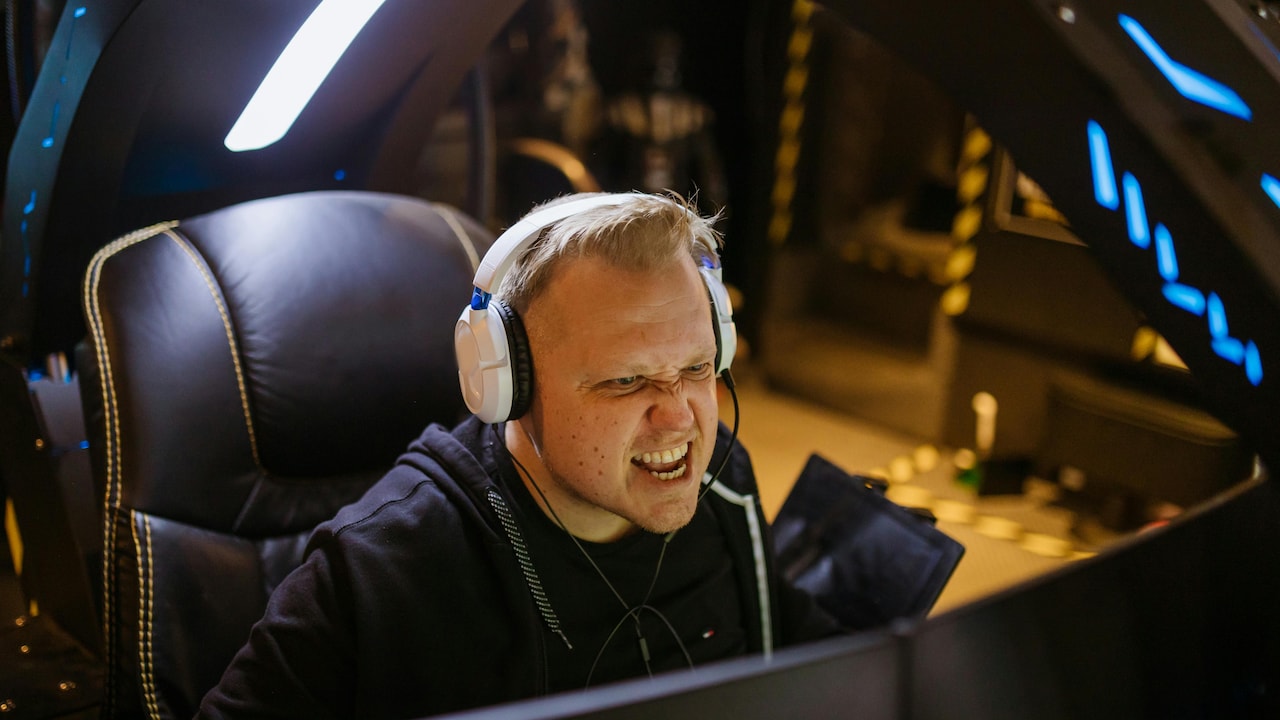
Cheap materials can trap sweat and heat during long gaming sessions; Photo Credit: Pexels
Small Ear Cups Cause Constant Irritation
Ear cup size matters far more than many gamers realise. Cheap headsets often use smaller earcups to reduce manufacturing costs, but cramped designs quickly create discomfort.
Large ears end up pressed awkwardly against the inner padding or speaker drivers. Even average-sized ears may start hurting after long sessions because the headset fails to provide enough internal space.
Over-ear designs should surround the ears comfortably instead of squashing them. Unfortunately, many low-cost products market themselves as over-ear while functioning more like tight on-ear headphones.
The irritation builds gradually. Constant rubbing against the ears creates soreness and heat. Frequent adjustments interrupt gameplay and become frustrating quickly.
Gamers who wear earrings face additional discomfort because small earcups push accessories painfully against the skin. The same issue affects people with broader head shapes.
Looking carefully at product dimensions helps avoid these problems. Headsets with wider earcup openings usually offer better long-term comfort. Reviews mentioning “tight ear space” or “ears touching drivers” also reveal useful warnings.
A headset should create enough room for natural positioning. The ears should never feel squeezed like passengers fighting for space on a crowded metro during office hours.
Weak Adjustment Mechanisms Reduce Proper Fit
A gaming headset must adapt comfortably to different head shapes. Cheap models often fail here because they include flimsy adjustment systems with limited flexibility.
Some headsets extend unevenly. Others slide back during use or feel loose despite maximum adjustment. Poor fitting creates pressure imbalances that increase discomfort over time.
Weak adjustment systems also wear out quickly. After repeated use, the headset may stop holding its position properly. One side suddenly sits lower than the other, creating uneven pressure and awkward alignment.
Children and teenagers especially struggle with poorly adjustable headsets because many budget designs target average adult head sizes without proper flexibility.
Good adjustment systems move smoothly and stay firmly in place. Flexible frames also adapt better to natural head movement during gaming.
Checking customer reviews for complaints about fit issues helps greatly before purchasing online. Product photos showing a limited extension range often indicate trouble as well.
Even decent cushioning cannot compensate for a headset that never fits correctly. Comfort depends heavily on achieving balanced positioning across the entire head.
Poor Audio Tuning Increases Listening Fatigue
Comfort does not only involve physical design. Audio tuning also affects how tiring a headset feels during long sessions.
Many cheap gaming headsets exaggerate bass heavily because booming explosions sound exciting during quick product demonstrations. Unfortunately, overpowering bass and harsh treble become exhausting after several hours.
Listening fatigue develops slowly. Loud low frequencies create pressure sensations, while sharp highs make gunshots and dialogue sound piercing. Eventually, players lower the volume simply to escape the discomfort.
Balanced sound tuning feels far easier on the ears during extended gaming. Clear mids and controlled bass allow players to hear details without overwhelming the senses.
Cheap headsets often prioritise dramatic sound instead of natural audio reproduction. Marketing phrases like “extra bass” or “ultra-powerful sound” usually indicate aggressive tuning choices.
Reading reviews focused on long-term listening comfort helps identify better options. Competitive gamers often prefer balanced sound because it reduces fatigue and improves clarity during extended matches.
A headset should enhance immersion, not create the audio equivalent of someone shouting continuously through a loudspeaker at a wedding procession.
Build Quality Problems Worsen Comfort Over Time
Many budget gaming headsets feel acceptable during the first few weeks. Then the hidden problems begin appearing one by one.
Ear cushions flatten. Hinges loosen. Headbands creak. Plastic edges become rougher. Comfort gradually declines as the materials wear down.
Cheaper manufacturers often cut costs using low-density foam and brittle plastic components. Repeated stretching weakens the structure quickly, leading to awkward fitting and increased pressure points.
Sweat and heat also accelerate material breakdown. Faux leather starts peeling, exposing rough surfaces underneath. Loose joints create uneven weight distribution that makes the headset sit awkwardly on the head.
Long-term durability matters because comfort changes over time. A headset that feels decent during the first week may become unbearable after three months of daily gaming.
Checking long-term user reviews provides valuable insight here. Reviews written after six months usually reveal far more than enthusiastic first impressions posted on delivery day.
Spending slightly more on better materials often saves money later. Replacing uncomfortable headsets repeatedly becomes more expensive than buying a reliable model initially.
Ignoring Comfort Reviews Leads To Regret
Many buyers focus entirely on sound quality, RGB lighting, or discounts while ignoring comfort reviews completely. This creates disappointment later because gaming comfort remains highly personal and incredibly important.
Online product pages often highlight flashy features but rarely discuss long-session usability honestly. Marketing teams know colourful lights and giant “gaming” labels attract attention faster than ergonomic design discussions.
Real customer reviews reveal the truth. Complaints about sweating, headaches, ear pain, or poor fit deserve serious attention. If multiple users mention similar discomfort issues, the problem likely exists.
Video reviews help too because they show how the headset actually sits on different head shapes. A product may look sleek in edited promotional photos yet appear awkward during real usage.
Checking return policies before purchase also matters greatly. Some headsets simply do not suit certain users despite positive reviews elsewhere.
Comfort should always rank alongside sound quality while choosing gaming accessories. After all, nobody enjoys removing a painful headset every thirty minutes just to survive another gaming session.
A comfortable headset quietly disappears during gameplay. An uncomfortable one constantly reminds the player it exists.
Products Related To This Article
1. Sony INZONE H3, MDR-G300 Wired Gaming Headset
2. JBL Quantum 100 Wired Over Ear Gaming Headphones with Mic
3. Havit H2232d Over Ear Wired Gaming Headset with Boom Microphone
4. Razer BlackShark V2 X Smartchoice Wired Gaming Headset with Mic
5. Logitech G 733 Lightspeed Over Ear Wireless Gaming Headset with Suspension Headband
6. Sony INZONE H3, MDR-G300 Wired Gaming Headset
7. Cosmic Byte GS430 Gaming wired over ear Headphone
Cheap gaming headsets attract buyers for obvious reasons. The low prices feel tempting, especially when colourful branding and dramatic promises dominate online marketplaces. Yet comfort often becomes the hidden compromise.
Long gaming sessions expose flaws that quick testing never reveals. Tight clamping force, sweaty earcups, weak padding, poor weight distribution, and harsh audio tuning slowly transform excitement into irritation. What begins as a bargain eventually feels like punishment.
Choosing a comfortable headset requires more attention to design details than flashy features. Padding quality, breathable materials, earcup size, headband support, and overall fit matter far more than aggressive RGB lighting or exaggerated bass.
A good headset should support long gaming sessions without becoming a distraction. The best models almost disappear once gameplay begins. No constant adjusting. No aching ears. No desperate urge to remove them midway through an important match.
Before spending ₹1,500 or ₹5,000 on the next gaming headset, checking comfort-focused reviews and design details can save both money and frustration. Because in gaming, comfort is never a luxury. It is part of the experience itself.
(Disclaimer: This article may include references to or features of products and services made available through affiliate marketing campaigns. NDTV Convergence Limited (“NDTV”) strives to maintain editorial independence while participating in such campaigns. NDTV does not assume responsibility for the performance or claims of any featured products or services.)