Does Increasing TV Brightness Fix Reflections? 10 Screen-Glare Myths Explained
A brighter TV can reduce the impact of glare, but it cannot erase reflections. Discover 10 common screen-glare myths and the simple fixes that can make daytime viewing clearer and more comfortable.
Does Increasing TV Brightness Fix Reflections? 10 Screen-Glare Myths Explained
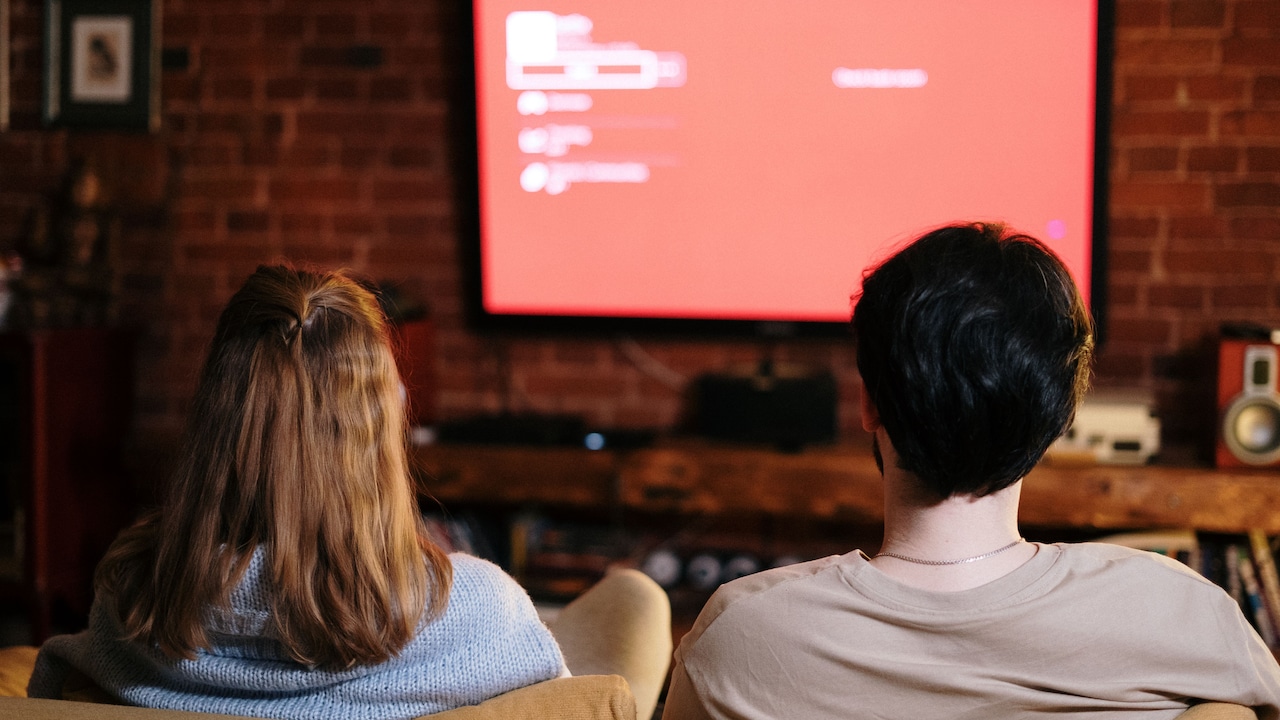
There is a familiar moment in many living rooms. The match is getting tense, the hero is finally revealing the secret, or a thriller has reached its darkest scene. Then the television suddenly shows something else entirely: the window, the ceiling light, the sofa and perhaps somebody walking behind you carrying a cup of chai. The immediate reaction is usually simple. Increase the brightness. Sometimes that helps. Sometimes it makes the picture look harsh while the reflection remains stubbornly visible. TV glare depends on several things working together, including screen coating, ambient light, window position, picture settings and even where the viewer sits. Modern televisions can get impressively bright, but brightness alone cannot defeat every reflection.
Does Increasing TV Brightness Fix Reflections? 10 Screen-Glare Myths Explained
Photo Credit: Pexels
Several myths have grown around the subject, partly because advice that works in one room may fail completely in another. A television beside a shaded balcony behaves very differently from one facing a large west-facing window.
Understanding what actually causes glare makes fixing it much easier. More importantly, it can save people from spending money on unnecessary upgrades when a curtain, lamp adjustment or small furniture shuffle might solve the problem. Here are ten screen-glare myths worth clearing up.
10 Common TV Screen-Glare Myths You Should Stop Believing
1. Increasing TV Brightness Completely Removes Reflections
Increasing brightness can make reflections less noticeable, but it rarely removes them.
Think of the television picture and the reflected room as two images competing for attention. When the TV becomes brighter, the programme can overpower some of the reflected light. Bright sports broadcasts, cartoons and daytime scenes often benefit noticeably. Dark films are another story.
A reflection from a sunny window can remain clearly visible even when the backlight or OLED brightness setting reaches its upper limit. At that point, increasing brightness further may simply make white areas uncomfortable to watch.
There is also a difference between glare and reflection. Glare may wash out the picture, while a reflection creates a recognisable mirror-like image on the screen. Extra brightness can fight washed-out colours reasonably well, but it cannot physically stop a glossy panel from reflecting the room.
The better approach combines sensible screen brightness with controlling the light source. Closing a curtain halfway, moving a lamp or changing the television angle often produces a larger improvement than pushing brightness from 70 to 100.
Brightness is useful ammunition. It is not a magic shield.
2. A Brighter TV Is Always Better For Sunny Rooms
A bright television certainly has an advantage in a well-lit room, but maximum brightness should not become the only buying criterion.
Imagine two televisions displayed under dazzling showroom lights. One reaches a spectacular peak brightness, while the other has a better anti-reflective coating. The brighter model may initially look more impressive, yet the second screen could perform better beside a living-room window.
Peak brightness figures can also be misleading. Some televisions achieve their highest brightness only in small highlights rather than across the entire screen. A sparkling firework may look brilliant, while a full-screen cricket pitch appears considerably dimmer.
Room conditions matter just as much. A flat in Mumbai with strong afternoon sunlight may demand different priorities from a bedroom where curtains remain drawn through most of the day.
A brighter television can improve visibility, particularly for sports, news and daytime viewing. However, anti-reflection performance, screen finish and sustained brightness deserve attention too.
The best bright-room television is not necessarily the one capable of producing the biggest number on a specification sheet.
Real rooms do not behave like marketing charts, and unfortunately, sunlight has never bothered reading product brochures.
3. Matte Screens Have No Reflections
Matte screens reduce obvious mirror-like reflections, but they do not make reflected light disappear.
A matte coating scatters incoming light across a wider area instead of reflecting a sharp image. That means a window may appear as a soft glow rather than a clear rectangle. This can make watching television considerably more comfortable.
There is a trade-off, though. Scattered light can spread across the screen and slightly reduce perceived contrast, especially in bright surroundings. Instead of seeing a sharp reflection of a lamp, viewers may notice a hazy patch around it.
Glossy screens often preserve deeper-looking blacks and stronger colour contrast in controlled lighting. Their weakness appears when a bright window or lamp sits opposite the panel.
Neither finish is automatically superior. The room decides.
A television facing several uncovered windows may benefit greatly from a strong anti-glare or matte treatment. In a darker media room, a glossy screen might deliver richer-looking contrast without causing much trouble.
So, a matte finish does not mean “reflection-free”. It simply changes the way reflections appear.
That difference can be dramatic, but physics still gets the final vote.
Does Increasing TV Brightness Fix Reflections? 10 Screen-Glare Myths Explained
Photo Credit: Pexels
4. Turning Off Every Light Gives The Best Picture
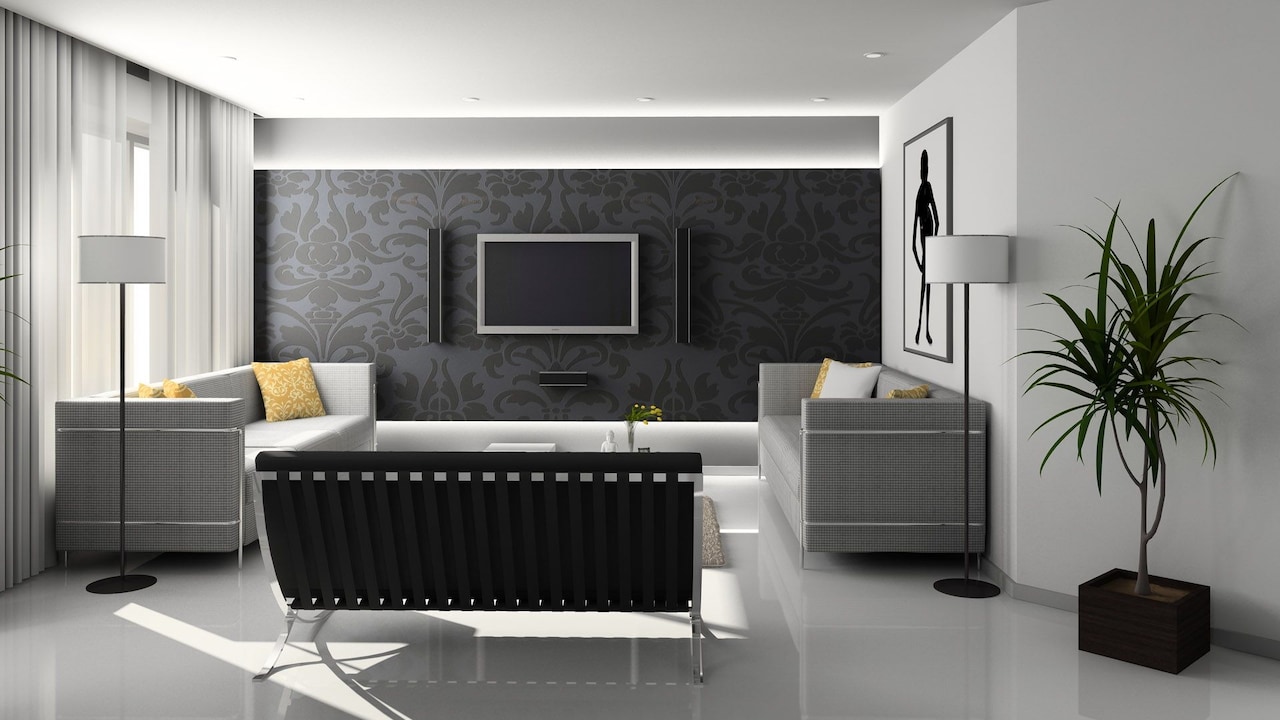
Darkening the room can reduce glare, but total darkness is not always the most comfortable environment for watching television.
When the only bright object in the room is the TV, the contrast between the screen and the surroundings becomes extreme. After a long film or an entire evening of streaming, that setup may feel tiring for some viewers.
A small amount of controlled ambient lighting can make the room more pleasant without creating troublesome reflections. The key is placement.
A lamp directly opposite the television is almost asking to become a supporting character in every scene. A softer light placed behind or beside the television is usually less intrusive.
Bias lighting behind the screen can also create gentle illumination around the television. It does not magically improve panel performance, but it can make the surrounding wall less dark and reduce the dramatic brightness difference between the screen and the room.
The important idea is not “remove all light”. It is “remove badly positioned light”.
A softly lit room with thoughtful lamp placement can provide a better experience than either harsh ceiling lights or complete darkness.
Cinema mood is lovely. Accidentally walking into the coffee table during an interval is less charming.
5. Curtains Need To Be Fully Closed To Stop Glare
Curtains are among the cheapest and most effective glare-control tools, but they do not always need to turn the living room into a cave.
Often, glare comes from one specific section of a window. Adjusting a curtain, blind or sheer panel just enough to block that direct light can make a substantial difference.
For example, afternoon sunlight may hit the television from the right-hand side for only two hours. Pulling one curtain across part of the window could solve the problem while keeping the rest of the room pleasantly bright.
Sheer curtains can also soften direct sunlight. They will not eliminate reflections as effectively as thick blackout curtains, but they reduce harsh contrast and prevent bright patches from dominating the screen.
Blinds offer even more control because their angle can redirect light rather than simply blocking it.
Before buying a new television because daytime viewing looks washed out, watch how sunlight moves through the room. The offending reflection may come from a surprisingly narrow angle.
A small adjustment could save thousands of rupees.
Sometimes the glamorous home-theatre upgrade is not a new panel worth ₹1,00,000. Sometimes it is moving a curtain by twenty centimetres.
Also Read: Best QLED TVs in 2026: Top 5 Picks For Stunning Picture Quality
6. Tilting The TV Slightly Cannot Make Much Difference
A small change in television angle can completely alter where a reflection travels.
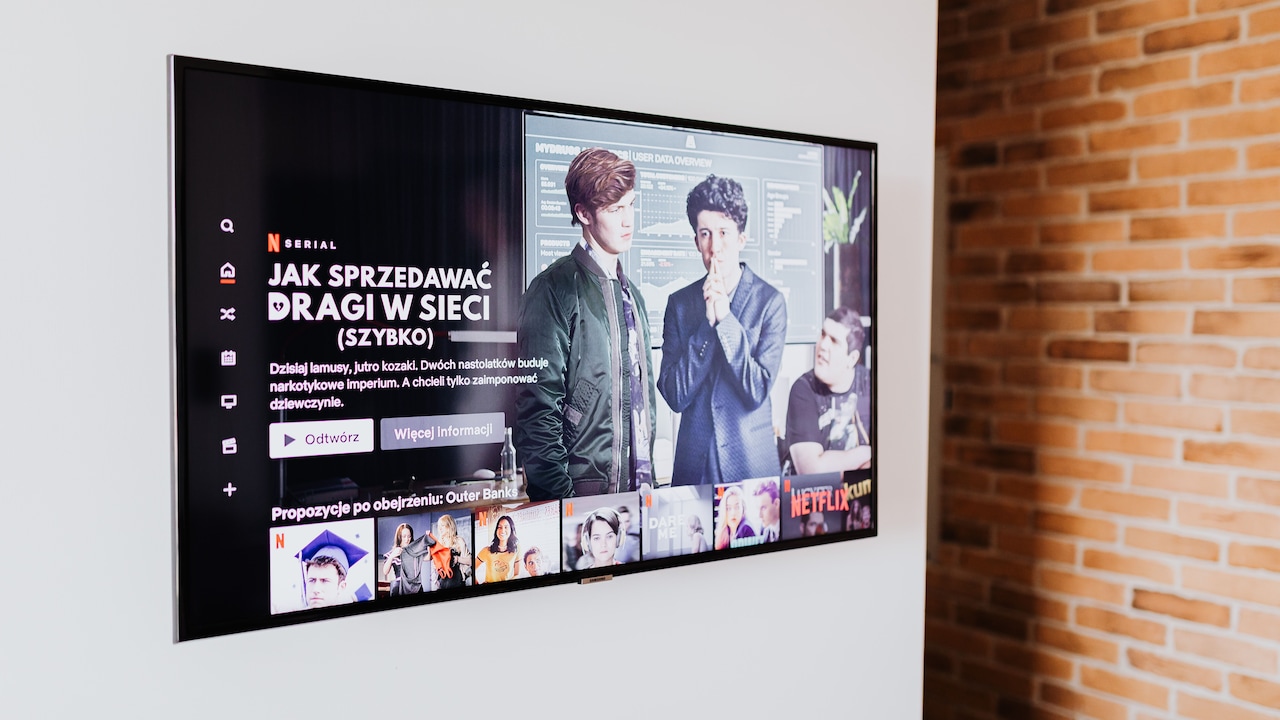
Reflections obey geometry. Light reaches the screen at one angle and leaves at another. Change the screen angle, and that reflected image may move away from the viewer's eyes.
This is why wall mounts with tilt or swivel adjustment can be useful in difficult rooms. Moving the television by only a few degrees may shift the reflection of a window from the centre of the display towards the floor or ceiling.
However, aggressive tilting creates its own problems. Some televisions lose colour accuracy, brightness or contrast when viewed far away from their ideal angle. Tilting the screen too much can also create an awkward viewing position.
The aim is not to hang the television like a restaurant menu board. Small changes are usually enough.
Before rearranging an entire room, test different angles. During the brightest part of the day, stand near one side of the television and gently compare how reflections change from different positions.
A swivel mount can be particularly useful when daytime and evening viewing conditions differ.
Sometimes the smartest anti-glare technology is simply a hinge.
7. OLED TVs Cannot Handle Bright Rooms
OLED televisions have traditionally been associated with dark rooms because of their excellent black levels and cinematic contrast. That reputation has led to the idea that every OLED struggles badly in daylight.
The reality is more nuanced.
Modern OLED televisions can become considerably brighter than earlier generations, and many perform well in ordinary living rooms. Some also use effective anti-reflective coatings that help maintain visibility under ambient light.
Still, room conditions matter. A television facing intense direct sunlight for hours presents a difficult challenge for almost any display technology. Very bright LCD and Mini-LED models may have an advantage when sheer brightness is the priority.
OLED can remain an excellent choice for mixed viewing, particularly when films and streaming matter more than defeating blazing afternoon sunshine.
The mistake lies in choosing the panel technology without considering the room.
A family that watches mostly after dinner may never encounter the supposed “bright-room problem”. Someone watching weekend cricket beside huge uncovered windows might notice it immediately.
Do not judge OLED by an old stereotype. Judge the actual television, its reflection handling and the room where it will live.
Screens have evolved. Some myths have been slower to update.
8. Anti-Glare Screen Protectors Always Improve The Picture
An anti-glare film sounds like a neat solution: stick it over the television and make reflections disappear. In practice, the results can vary significantly.
A film may reduce sharp reflections by scattering incoming light. However, that same scattering can soften the image, reduce perceived contrast or give the screen a slightly grainy appearance.
The effect becomes more noticeable on large, high-resolution televisions where clarity matters. A beautiful 4K picture can lose some of its crispness if a poor-quality layer sits in front of it.
Installation can also become tricky. Dust, bubbles and imperfect alignment are far easier to notice on a 55-inch or 65-inch screen than on a phone.
Before spending ₹2,000 or ₹5,000 on an accessory, it makes sense to tackle the room first. Adjust curtains, move lamps and experiment with viewing angles.
If those measures cannot solve the problem, a carefully chosen anti-glare product may help in specialised situations.
However, covering an expensive television with a film should not be the automatic first step.
A screen protector cannot compensate for a window firing direct sunlight at the panel like a searchlight.
Does Increasing TV Brightness Fix Reflections? 10 Screen-Glare Myths Explained
Photo Credit: Pexels
9. Picture Mode Has Nothing To Do With Glare
Picture mode cannot remove physical reflections, but it can strongly influence how visible those reflections feel.
Many televisions include modes such as Cinema, Filmmaker, Standard, Dynamic or Vivid. Cinema-oriented modes often prioritise accurate colour and comfortable viewing in darker conditions. During a bright afternoon, they may appear too subdued.
A brighter daytime preset can make the picture easier to see without permanently changing every setting. Standard mode often provides a useful middle ground, while extremely aggressive Vivid modes may push colours and contrast beyond natural-looking levels.
Some televisions also include ambient light sensors that adjust brightness automatically as the room changes. These systems can be convenient, although personal preference still matters.
The practical solution is to create separate habits for daytime and nighttime viewing. A brighter setting during lunch-hour cricket and a more restrained mode for evening films can provide the best of both worlds.
There is no trophy for leaving one picture mode untouched for ten years.
Settings exist because rooms change throughout the day.
Glare management begins with the environment, but sensible picture settings can finish the job nicely.
10. The Only Real Solution Is Buying A New TV
A new television can improve glare performance, but replacing the screen should usually come after testing simpler changes.
Start with the room. Identify exactly what appears in the reflection. Is it a window, ceiling bulb, balcony door or decorative lamp?
Once the source becomes obvious, the solution often becomes obvious too.
Move a lamp behind the viewing position. Add a sheer curtain. Rotate the television slightly. Shift the sofa. Change the daytime picture mode. Even moving a bright wall decoration can occasionally reduce distracting reflections.
Only when the room cannot realistically change should a new television become the main solution.
That situation certainly exists. A rented flat may limit wall-mount positions. Large windows may dominate one side of the living room. Furniture placement may leave only one sensible location for the screen.
In those cases, prioritise strong reflection handling and suitable sustained brightness when upgrading.
Do not assume price alone guarantees glare resistance. A ₹2,00,000 television can still show a bright window clearly if its screen finish and placement work against it.
The smartest purchase begins with understanding the room, not falling in love with the biggest display under showroom lights.
Products Related To This Article
1. iFFALCON 164 cm (65 Inches) 4K UHD Smart LED Google TV
2. Hisense 164 cm (65 Inches) 4K Ultra HD Smart QLED TV
3. Xiaomi 80 cm (32 inch) F Series HD Ready Smart LED Fire TV
4. Samsung 108 cm (43 inches) FHD Smart LED TV
5. TCL 80 cms (32 inches) HD Ready Smart QLED Google TV | Dolby Audio
6. Toshiba 139 cm (55 Inches) 4K Ultra HD Smart QLED TV
7. VW 109 cm (43 inches) Spectra Series Full HD Smart QLED Android TV
Increasing TV brightness can reduce the impact of reflections, but it does not truly remove them. Screen glare is a room problem as much as a television problem.
Windows, lamps, viewing angles, panel coatings and picture settings all contribute to what appears on the screen. That is why the same television may look spectacular in one home and frustrating in another.
Before turning brightness to maximum or planning an expensive upgrade, study the room during the hours when glare is worst. A curtain adjustment, lamp move or slight screen tilt may deliver a surprisingly large improvement.
For difficult bright rooms, television specifications still matter. Higher sustained brightness and effective anti-reflection treatment can make daytime viewing far easier. Yet even the best panel benefits from sensible placement.
Ultimately, the goal is not to create the brightest television possible. It is to create enough contrast between the programme and the surrounding light for the picture to remain clear and enjoyable.
When the screen stops showing the balcony, ceiling fan and half the living room during a dramatic scene, that is usually bright enough.
(Disclaimer: This article may include references to or features of products and services made available through affiliate marketing campaigns. NDTV Convergence Limited (“NDTV”) strives to maintain editorial independence while participating in such campaigns. NDTV does not assume responsibility for the performance or claims of any featured products or services.)