10 Hidden Storage Hogs That Can Make A Smart TV Feel Full Surprisingly Quickly
Smart TVs can run out of space faster than expected. Cached files, forgotten apps, updates, downloads and background data quietly eat into storage, causing slowdowns, failed updates and frustrating performance issues.
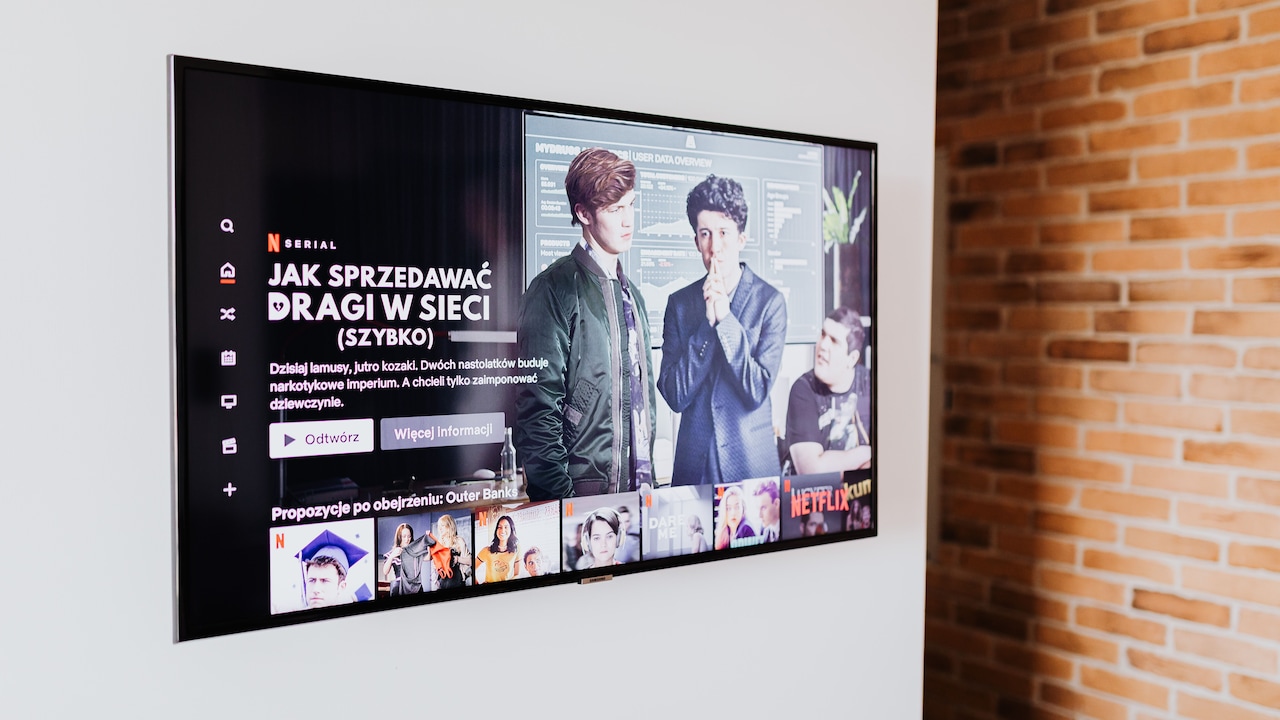
10 Surprising Things That Can Quickly Fill Up Your Smart TV Storage
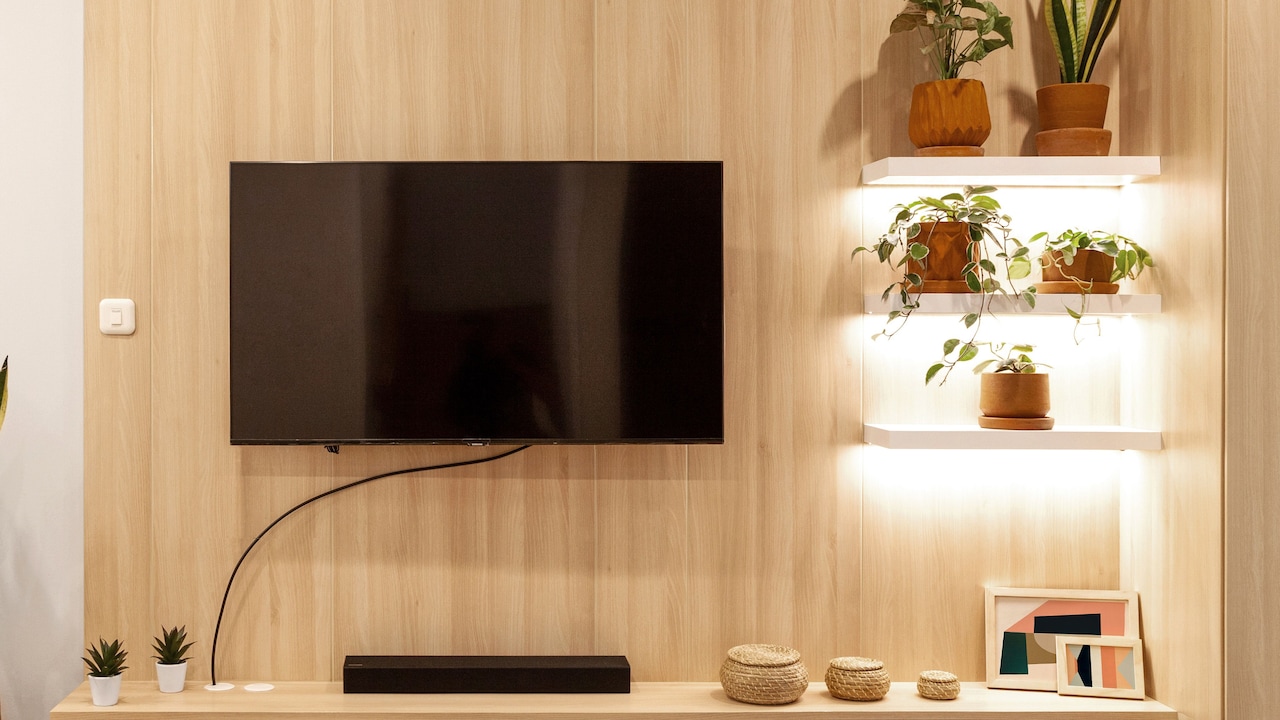
Smart TVs have become the entertainment headquarters of many homes. One screen handles films, cricket matches, music, gaming, video calls and the occasional late-night YouTube rabbit hole. With so much happening through streaming rather than traditional downloads, storage might seem like the last thing worth worrying about. Unfortunately, smart TVs do not enjoy unlimited internal space. Many models reserve a considerable portion of their built-in storage for the operating system and essential files. What remains must accommodate apps, updates, temporary data and everything else collected during daily use.

10 Hidden Storage Hogs That Can Make A Smart TV Feel Full Surprisingly Quickly
Photo Credit: Pexels
The frustrating part is that storage rarely disappears in one dramatic gulp. It vanishes quietly. An app leaves temporary files behind. Another stores artwork for hundreds of shows. A game downloads additional resources. Several months later, the television announces that there is not enough room for one small update.
Understanding these hidden storage hogs can make managing a smart TV far less frustrating.
What's Quietly Eating Up Your Smart TV Storage?
1. Streaming App Cache That Keeps Growing
Streaming sounds wonderfully storage-friendly. A film lives somewhere on a remote server, the television plays it, and nothing substantial should stay behind. In practice, streaming apps constantly create temporary files to make browsing and playback smoother.
Apps may cache programme artwork, menus, previews, login information and small pieces of streamed content. A little cached data helps an app feel responsive, but frequent use can turn that modest collection into a surprisingly chunky digital cupboard.
Imagine a household switching between several streaming services every evening. One person watches a serial, somebody else searches for a film, and another scrolls through children's programmes without choosing anything. All that browsing can generate temporary data.
The trouble begins when apps fail to clear older cache efficiently. Hundreds of megabytes can accumulate without any obvious warning.
Clearing an app's cache from the television's settings can often reclaim space without deleting the app or signing the household out. Just avoid confusing "clear cache" with "clear data", since the latter may remove preferences and account information. A quick cache clean every few months can give an overloaded television some useful breathing room.
2. Apps Installed Once And Forgotten
Smart TVs make installing apps almost too easy. A new music service looks interesting, a relative recommends a fitness app, or a sports platform becomes essential during one tournament. Tap install, try it twice, then forget it exists.
Months later, the home screen may still contain apps nobody has opened since a festive sale or last season's cricket final.
Unused apps occupy more than the space shown on their original download page. Many add updates, databases and temporary files after installation. An app that started small can quietly become several times larger.
This problem becomes more noticeable on televisions with limited user-accessible storage. Ten neglected apps may not sound alarming individually, but collectively they can steal enough capacity to block an important system update.
The easiest cure involves a quick home-screen audit. If nobody remembers what an app does, that provides a fairly strong clue about its usefulness. Removing forgotten apps also reduces background clutter and makes navigation less chaotic.
There is no trophy for maintaining the largest smart TV app collection. A leaner selection usually leaves more room for the services people actually enjoy.
Also Read: Top 10 4K Ultra HD Smart TVs For Your Home Entertainment Needs
3. Automatic App Updates Adding Extra Weight
Automatic updates save effort. Nobody wants to manually check whether a streaming service has released version 8.7.3 while dinner is getting cold. Yet convenience has a storage cost.
Modern app updates frequently add features, interface elements, security components and compatibility files. Developers may optimise certain parts while expanding others. As a result, an app that once occupied a modest amount of space can become considerably heavier after several updates.
Updates may also require temporary working space during installation. The television sometimes downloads the new package before removing old components, which means it briefly needs enough room for both.
That explains the maddening situation where a TV appears to have free storage but still refuses an update.
Popular apps naturally deserve current versions, particularly when updates fix security or playback problems. The better approach involves removing unused software rather than avoiding useful updates.
Checking app sizes occasionally can reveal unexpected growth. If an obscure application suddenly occupies a substantial chunk of storage, uninstalling it may prove more useful than repeatedly clearing tiny files elsewhere. Think of automatic updates as expanding wardrobes: perfectly reasonable, until every shelf belongs to clothes nobody wears.
4. Offline Downloads Hiding Inside Streaming Apps
Offline downloads make perfect sense on phones and tablets, but some television platforms and media apps also allow content to remain locally available. Downloads may arrive intentionally, through synchronised libraries, or as content prepared for temporary offline access.
A single high-quality film can occupy a significant amount of storage. Several episodes of a series can consume even more. On a television with limited free capacity, just a handful of large video files can crowd everything else remarkably quickly.
The confusing part is that these files may not appear in the television's ordinary file browser. They can sit inside an app's private storage area, making the app itself look unusually large.
This creates a familiar mystery: the settings page says storage is nearly full, yet browsing visible files reveals almost nothing worth deleting.
Opening individual streaming or media apps and checking their download sections can solve the puzzle. Old episodes, abandoned films and children's programmes saved for a journey months ago may still be hanging around.
Deleting watched downloads provides one of the quickest ways to recover meaningful space. Digital hoarding feels harmless until the television starts charging rent in megabytes.
5. System Update Packages Waiting Around
Smart TV operating systems need updates for bug fixes, security patches, new features and compatibility improvements. Before an update can install, however, the television usually needs to download a sizeable package.
That package occupies local storage while waiting for installation. If something interrupts the process, such as a power cut, weak internet connection or installation error, temporary update files may remain behind.
Repeated download attempts can sometimes create even more clutter. The owner sees only an unsuccessful update notification while the storage meter quietly heads towards its limit.
Some televisions automatically remove installation packages once an update finishes. Others may retain temporary files until the system performs housekeeping or restarts properly.
A complete restart can help the operating system clean up abandoned temporary data. Checking for pending system updates also makes sense, because completing one may allow the TV to remove files it no longer needs.
Avoid unplugging the television during an active installation, of course. Nothing turns an ordinary storage problem into a stressful evening faster than interrupting system software halfway through an update.
Routine maintenance may sound boring, but it beats discovering the problem five minutes before a much-awaited match begins.

10 Hidden Storage Hogs That Can Make A Smart TV Feel Full Surprisingly Quickly
Photo Credit: Pexels
6. Screensavers, Wallpapers And Ambient Mode Media
A television sitting idle no longer has to display a blank rectangle. Modern models offer art galleries, scenic photographs, weather panels, family pictures and elaborate ambient modes designed to help the screen blend into the room.
They look lovely, but some of that visual polish requires local storage.
High-resolution photographs, animated backgrounds and downloaded art collections can occupy considerably more space than a simple static screensaver. A rotating gallery containing dozens or hundreds of images gradually adds up, particularly when the files use 4K resolution.
Personal photographs can create another hidden stash. Copying an entire holiday folder onto the television might feel harmless until hundreds of camera images settle into internal memory.
Checking ambient mode, gallery and screensaver settings can reveal content that ordinary app-storage menus overlook. Removing unused collections or keeping personal media on an external drive can free internal capacity.
There is little benefit in storing 240 sunset photographs locally when the household regularly looks at three of them.
A beautiful idle screen has its charms. Still, when storage gets tight, the television does not need enough landscape photography to open its own travel agency.
7. Games And Their Additional Data Files
Smart TV gaming has grown far beyond a few simple puzzle apps. Televisions and connected platforms now support increasingly sophisticated games, controllers and gaming services. The downside comes with the size of modern game files.
The initial installation rarely tells the whole story. After launching, a game may download additional levels, textures, audio packs, saved assets and updates. What appeared to be a manageable installation can expand dramatically.
Games also generate save data and temporary files. Individual save files usually remain small, but multiple games plus repeated updates can turn gaming into one of the biggest storage consumers on the television.
Families often keep games installed "just in case" somebody wants them later. Six months pass, nobody opens them, and they continue occupying valuable space like unused exercise equipment in a spare room.
Checking the storage section for large games can reveal easy candidates for removal. Cloud gaming services may reduce local storage demands because much of the heavy processing happens remotely, although their requirements vary.
If a game can return through a fresh download later, keeping an untouched installation forever rarely offers much advantage when storage has already become scarce.
8. Browser Cache, Cookies And Website Data
The built-in web browser often receives far less attention than streaming apps, yet it can quietly collect an impressive amount of digital debris.
Every browsing session can create cached images, website files, cookies, local databases and browsing history. News sites, shopping pages and video-heavy websites contain plenty of visual material, and browsers store some of it to make future visits faster.
Use the browser regularly for checking prices, reading articles or watching web content and its storage footprint can steadily expand.
Even occasional browsing can leave leftovers for months because nobody thinks about clearing television browser data. On a laptop, a few hundred megabytes may barely matter. On a smart TV with much tighter internal capacity, the same amount can prove irritatingly significant.
The browser settings usually provide options for clearing cache, cookies and browsing data. Removing cache offers the least disruptive starting point. Clearing cookies may sign users out of websites, so keep account details handy before choosing that option.
A browser clean-up also gives privacy a small boost, particularly on a television shared by several people.
The browser may look innocent, but digital crumbs accumulate just as reliably as biscuit crumbs around the sofa.
9. Thumbnails, Recommendations And Home Screen Data
Those colourful recommendations covering a smart TV's home screen do not appear from thin air. The system constantly retrieves posters, thumbnails, banners, previews and personalised suggestions from apps and online services.
Much of this material gets cached locally so the home interface loads quickly instead of downloading every image from scratch each time the television starts.
Individually, these files remain tiny. Their strength lies in numbers.
Browse hundreds of films, switch among several streaming platforms and open recommendation rows daily, and the TV may accumulate a substantial collection of cached artwork. Some operating systems manage these files efficiently. Others become less enthusiastic about housekeeping as time passes.
Users cannot always delete home-screen cache separately, but restarting the television, clearing selected app caches or using built-in storage optimisation tools can encourage a clean-up.
Reducing unnecessary home-screen services may also help on platforms that allow customisation.
It feels slightly unfair that merely looking for something to watch can consume storage, especially after spending 25 minutes scrolling before returning to the same comedy series. Yet all those glossy posters need somewhere to stay, even when nobody actually presses play.
10. Diagnostic Logs And Temporary System Files
Not every storage hog belongs to an app. The television's operating system creates its own temporary files while handling crashes, installations, network activity and routine background processes.
Diagnostic logs help software developers and service technicians identify problems. Temporary files help the system complete everyday tasks. Under normal conditions, the operating system manages them automatically and removes older material when necessary.
Occasionally, something goes wrong. A crashing app may generate repeated logs. A failed update may leave temporary files behind. A television that remains in standby for months without a proper restart may postpone some housekeeping tasks.
These files rarely appear with friendly labels such as "Delete this to recover 900 MB". They hide inside system storage instead.
Performing a full restart rather than simply placing the television in standby can trigger routine clean-up processes. Some models also include storage optimisation or device-care features that remove unnecessary temporary files.
A factory reset should remain the final option because it wipes apps, accounts and settings. When ordinary clean-up fails and mysterious system storage dominates the capacity meter, however, a carefully prepared reset can restore order.
Even smart televisions occasionally need the digital equivalent of clearing out the junk drawer.
10 Hidden Storage Hogs That Can Make A Smart TV Feel Full Surprisingly Quickly
Photo Credit: Pexels
Products Related To This Article
1. Toshiba 126 cm (50 inches) E350SP Series 4K Ultra HD Smart LED Google TV 50E350SP
2. Lumio Vision 7 109 cm (43 inches) 4K Ultra-HD Smart QLED Google TV
3. Xiaomi 80 cm (32 inch) F Series HD Ready Smart LED Fire TV
4. VW 101 cm (40 inches) Spectra Series Full HD Smart QLED Android TV
5. PHILIPS 217 cm (85 inch) 8101 Series 4K Ultra HD Smart QLED Google TV
6. Hisense 108 cm (43 inches) E6S Series 4K Ultra HD Smart LED Google TV
7. Samsung 80 cm (32 inches) HD Smart LED TV
A smart TV does not need thousands of downloaded films to run short of storage. The real culprits often work quietly: streaming caches, forgotten apps, update packages, thumbnails, browser files, games and temporary system data. None seems particularly dramatic alone, yet together they can leave a television struggling for space surprisingly quickly.
The good news is that storage problems rarely demand complicated technical surgery. Regularly removing unused apps, clearing oversized caches, deleting forgotten downloads and restarting the television can prevent much of the clutter from building up. Keeping personal media on external storage can also protect precious internal capacity.
Most importantly, a nearly full smart TV deserves attention before it starts refusing updates or slowing down at inconvenient moments. A few minutes of housekeeping every couple of months can spare the household from frantic troubleshooting just before movie night or a major match. Smart televisions may be clever, but they share one wonderfully human habit: given enough time, they collect far more clutter than anyone remembers putting there.
(Disclaimer: This article may include references to or features of products and services made available through affiliate marketing campaigns. NDTV Convergence Limited (“NDTV”) strives to maintain editorial independence while participating in such campaigns. NDTV does not assume responsibility for the performance or claims of any featured products or services.)