How To Choose Books Beyond Bestseller Lists: 10 Checks For Genre, Pacing And Writing Style
Bestseller labels can point towards popular books, but they cannot predict personal taste. Before buying your next read, check its genre, pacing, prose, characters and structure to find a book you’ll actually want to finish.

What to consider before selecting your next book
Walking into a bookshop with no reading plan can feel surprisingly complicated. One table announces the latest bestsellers. Another displays books everyone seems to be discussing online. Covers promise heartbreak, murder, romance, reinvention and life-changing wisdom. Somewhere between all those choices sits the real question: which book will actually suit you? Popularity offers one clue, but it isn't a personal recommendation. A thriller that keeps thousands of readers awake until 2 am could feel exhausting to someone who prefers slow character studies. A literary novel praised for beautiful prose might frustrate a reader who wants a strong plot. Even a five-star review tells you more about somebody else's taste than your own.

How to add variety to your usually preferred reading list
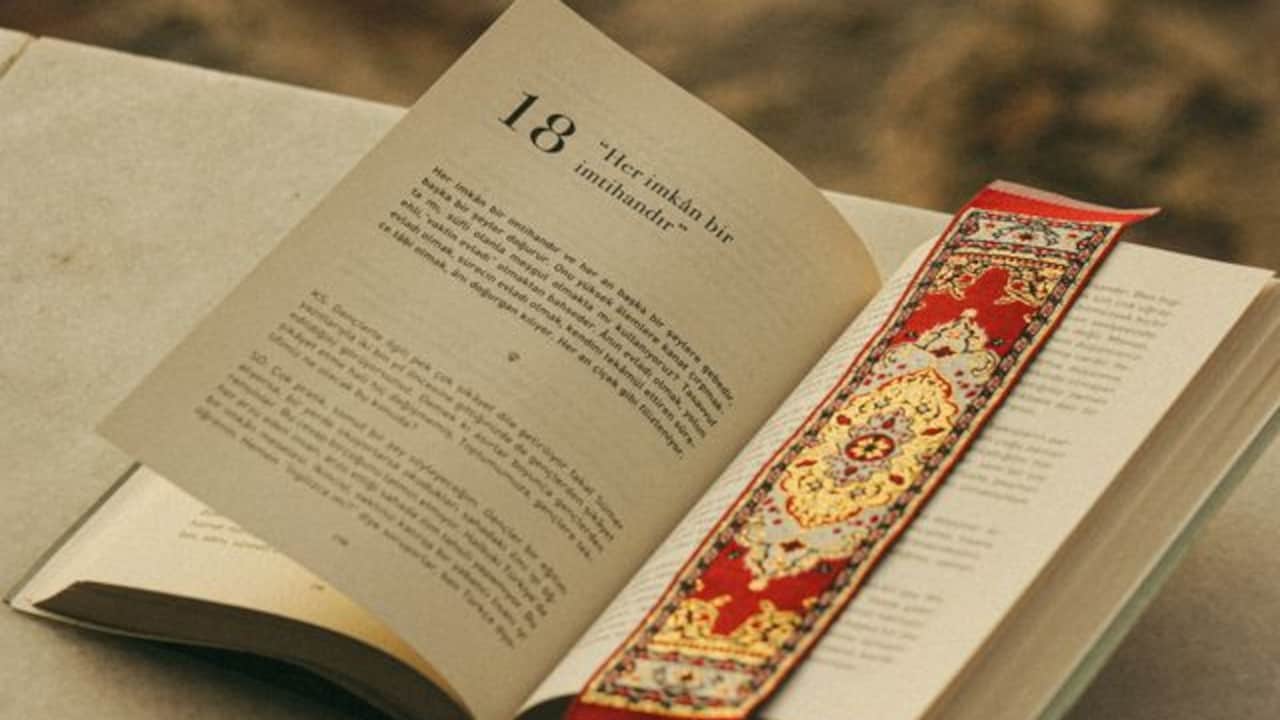
Photo Credit: Pexels
Choosing better books therefore requires looking beyond rankings. Genre matters, but so do pacing, writing style, narrative structure, emotional intensity and even chapter length. Once you start recognising these signals, buying books becomes less of a gamble. Here are 10 useful checks that can help you find books that suit the way you actually like to read.
Also Read: Learn The Art Of Setting Boundaries: 5 Books To Stop People Pleasing
What To Check Before You Commit To Your Next Read
1. Check The Subgenre, Not Just The Genre
Calling a book a romance, thriller or fantasy only tells part of the story. Each broad genre contains several very different reading experiences.
Take thrillers. A psychological thriller might spend hundreds of pages exploring unreliable memories and tense relationships. A legal thriller may revolve around courtroom strategy. A spy thriller could focus on international politics, surveillance and action. All sit under the same umbrella, yet they move differently.
Romance offers the same problem. Someone who enjoys light romantic comedy may not necessarily enjoy dark romance or emotionally heavy historical love stories. Fantasy ranges from cosy adventures to sprawling epics filled with kingdoms, maps and invented political systems.
Before buying, look for the more specific category. Publisher descriptions, jacket copy and reader discussions often reveal whether the book is a slow-burn romance, locked-room mystery, domestic thriller or coming-of-age drama.
Think of genre as the neighbourhood and subgenre as the exact address. Knowing the neighbourhood helps, but knowing the address prevents you from knocking on the wrong door.
2. Read The First Few Pages For Writing Style
A clever premise can sell a book. Writing style determines whether you will enjoy spending several hours inside it.
Open the book and read two or three pages before deciding. Pay attention to how the sentences feel rather than simply what happens. Some authors write short, sharp lines that push the story forward quickly. Others favour detailed descriptions, long sentences and quieter observations.
Neither approach is automatically better.
Readers who enjoy lyrical prose may happily spend a paragraph reading about rain falling across an old railway platform. Someone who prefers plot-driven storytelling may start wondering when the train is actually going to arrive.
Also notice the vocabulary. Does the author use straightforward language, elaborate descriptions or experimental sentence structures? Does the dialogue sound natural to you?
A bestseller sticker cannot answer those questions.
The opening pages usually reveal more about compatibility than dozens of enthusiastic reviews. If reading three pages already feels like homework, another 300 pages probably won't improve the relationship. Books deserve patience, but reading for pleasure shouldn't feel like preparing for an examination.
3. Find Out Whether The Story Is Fast Or Slow Paced
Readers often abandon books not because the stories are bad, but because the pacing doesn't match what they wanted at that moment.
Fast-paced books usually contain frequent developments, short scenes, cliff-hangers or clear external goals. They suit readers who enjoy momentum. These are often the books responsible for the classic “just one more chapter” mistake that somehow turns midnight into 3 am.
Slow-paced stories work differently. They may spend more time developing relationships, atmosphere, inner thoughts or everyday details. Major events can arrive gradually.
Neither style guarantees quality.
The useful question is whether you currently want movement or immersion.
Look at reviews for phrases such as “slow burn”, “character driven”, “action packed” or “takes time to build”. Even complaints can provide useful clues. One reader writing “nothing happens for the first 100 pages” might accidentally describe exactly the type of contemplative novel another reader loves.
Choosing pacing according to mood can also help. A quiet literary novel may work beautifully during a relaxed weekend but feel impossible during a hectic week filled with unfinished errands and buzzing notifications.
4. Check Whether Plot Or Characters Drive The Book
Some novels make readers ask, “What happens next?” Others make them ask, “What happens to these people?”
That difference matters.
Plot-driven books usually revolve around external events. A murder needs solving, a mission must succeed, a secret threatens exposure or a disaster approaches. The characters matter, but momentum comes from events.
Character-driven books spend more time exploring relationships, emotions, identity and personal change. The external plot may appear fairly simple. A family gathers for a wedding. Someone returns to their childhood home. Two old friends meet again. Yet the emotional shifts create the real story.
Readers who expect constant developments can find character-driven novels painfully slow. Readers who enjoy complex personalities may find some high-speed thrillers emotionally thin.
The book description often reveals which side dominates. Plot-heavy summaries usually emphasise danger, mysteries and goals. Character-focused descriptions often highlight relationships, personal histories or emotional conflicts.
Neither approach deserves automatic preference. The trick lies in knowing what keeps your attention. A book can win awards, dominate bestseller charts and still leave you unmoved if its storytelling engine runs differently from yours.
5. Notice The Point Of View
Point of view quietly changes how close you feel to a story.
First-person narration places you directly inside one character's thoughts. The narrator says “I”, and the reader experiences events through that person's perspective. This can create strong emotional intimacy, especially in romance, psychological thrillers and coming-of-age fiction.
Third-person narration offers more distance. Some books stay close to one character, while others move between several people.
Then there are books with multiple narrators. These can add complexity because the same event may look completely different depending on who tells it. However, frequent viewpoint changes can frustrate readers who prefer following one central character.
Second-person narration, where the story addresses “you”, appears less often and can feel immersive or unusual depending on personal taste.
Check a sample rather than assuming the point of view won't matter. Readers sometimes discover that a storytelling style they dislike becomes distracting regardless of how interesting the plot sounds.
This becomes particularly useful when choosing longer novels. Spending ₹500 or more on an intriguing hardback only to discover that its narration style irritates you by page twenty makes for an unnecessarily expensive experiment.

Consider different point of views and narration styles; Photo Credit: Pexels
6. Look At Chapter Length And Story Structure
Chapter length sounds like a minor detail until you start reading a book filled with 40-page chapters at bedtime.
Short chapters often create momentum. They provide natural stopping points and can make large books feel easier to tackle. Thrillers frequently use this technique, particularly when chapters end with revelations or unanswered questions.
Long chapters can allow deeper immersion. Literary fiction, historical novels and sweeping fantasy stories often give scenes more space to develop.
Structure matters too.
Some books follow a straightforward timeline. Others alternate between the past and present. A mystery might switch between several characters. Experimental novels may include letters, diary entries, transcripts, emails or newspaper reports.
None of these structures automatically makes a book difficult. Still, readers have preferences.
Someone who reads in short bursts during commutes may appreciate compact chapters. A reader settling down for long weekend sessions may enjoy chapters that unfold more slowly.
Flip through the book before buying. You don't need to read spoilers. Simply look at the chapter layout. The physical shape of a book can reveal surprisingly useful information about how reading it will feel.
7. Check How Much World-Building The Book Requires
Certain books ask readers to learn an entire world before they can fully enjoy the story.
Fantasy and science-fiction novels often introduce invented countries, magical systems, political alliances, technologies or fictional histories. For some readers, discovering these details provides half the fun. Maps become fascinating rather than intimidating.
Other readers just want the story to start.
World-building appears outside speculative fiction too. Historical novels may require familiarity with a particular period. Political dramas may contain detailed institutional structures. Even novels set within specialised professions can introduce unfamiliar terminology.
Before choosing such a book, consider how much mental effort you want to invest.
A dense fantasy novel featuring fifteen kingdoms and several generations of royal families might be thrilling during a holiday. It could feel considerably less charming after a long workday when remembering your own passwords already feels like an achievement.
Reviews can help reveal the learning curve. Look for comments about complex lore, large casts or detailed settings.
The best book isn't necessarily the easiest one. It's the one whose level of complexity matches the amount of attention you're willing to give it.
8. Consider The Emotional Intensity
Books can affect mood more than readers sometimes expect.
A brightly illustrated cover might hide a devastating family story. A romance could explore grief, illness or abuse alongside its love story. A mystery may contain disturbing scenes despite an otherwise conventional premise.
That doesn't mean difficult subjects should be avoided. Many powerful books explore uncomfortable experiences brilliantly. But knowing what you are walking into can help you choose the right book for the right moment.
Check descriptions and content notes when emotional themes matter to you. Reviews often mention whether a book feels cosy, heartbreaking, disturbing, hopeful or emotionally draining.
Your current mood matters as much as your usual taste.
Sometimes a complicated family drama feels exactly right. On another week, you may want a detective who solves a charming village mystery while everyone drinks tea and nobody emotionally destroys the reader.
Reading doesn't need to become an endurance test.
Matching emotional intensity with your current headspace can also prevent perfectly good books from becoming unfairly abandoned. A powerful story picked at the wrong moment can feel exhausting rather than moving.
9. Compare Reviews From Readers Who Share Your Taste
Average ratings can mislead because they combine opinions from readers who may want completely different things.
A more useful approach involves reading the reasons behind the ratings.
Suppose someone gives a book two stars because it contains “too much dialogue and not enough description”. If you love dialogue-heavy books, that negative review may actually encourage you.
Another reader might complain that a romance takes 250 pages before the characters admit their feelings. Fans of slow-burn romance could consider that excellent news.
Look for reviewers who mention books you already know. If someone loved three novels you enjoyed and disliked two you abandoned, their comments may prove more useful than the overall rating.
Still, avoid reading too many reviews before starting. Detailed reviews can spoil plot twists or create expectations that change the reading experience.
Use them as filters, not verdicts.
One thoughtful paragraph explaining pacing, humour and writing style often tells you more than a row of star ratings. Bestseller lists measure popularity. Reviews become useful when they help you understand why particular readers reacted the way they did.
10. Keep Track Of What You Actually Enjoy
Finding better books becomes easier once you stop thinking only about titles and start noticing patterns.
After finishing a book, consider what worked. Perhaps the humour kept you reading. Maybe you liked the short chapters, first-person narration or complicated family relationships. Perhaps you enjoyed the setting more than the actual plot.
Do the same with books you abandon.
You may discover that you frequently lose interest in stories with enormous casts or lengthy descriptions. Maybe dual timelines confuse you. Perhaps thrillers appeal to you only when they focus on investigations rather than domestic drama.
These patterns gradually form your personal reading profile.
You don't need a complicated spreadsheet. A simple note on your phone or inside a reading journal can work. Record a few words about pacing, style, characters and overall mood.
Over time, choosing books becomes much easier because you stop asking whether a book is “good” and start asking whether it suits you.
That small shift makes reading far more satisfying. Plenty of celebrated books may not fit your taste, while an overlooked paperback on a quiet shelf could become the story you recommend for years.
Products Related To This Article
1. Stop Letting Everything Affect You: How to break free from overthinking, emotional chaos, and self-sabotage
2. The 5 AM Club: Own Your Morning. Elevate Your Life
3. Don't Believe Everything You Think
4. A Nation of Idiots: Daksh Tyagi's National Bestseller
5. How Lucky Am I: A Skeleton's Guide to Living Your Best Life
6. The Comfort Book: THE INSTANT NUMBER ONE SUNDAY TIMES BESTSELLER
7. Murdoku: 80 Murder Mystery Logic Puzzles
Bestseller lists can introduce you to interesting books, but they shouldn't become your only shopping guide. Reading tastes depend on far more than popularity. Genre, pacing, writing style, structure, emotional intensity and character focus all shape the experience.
The more attention you pay to those details, the easier it becomes to recognise books that genuinely suit you. Read a sample. Study the description. Notice chapter length. Understand what reviewers actually liked or disliked.
Most importantly, trust patterns in your own reading history. The perfect next book doesn't have to be the title everyone else is carrying around. Sometimes it's the quiet book sitting two shelves away, waiting for exactly the right reader.
(Disclaimer: This article may include references to or features of products and services made available through affiliate marketing campaigns. NDTV Convergence Limited (“NDTV”) strives to maintain editorial independence while participating in such campaigns. NDTV does not assume responsibility for the performance or claims of any featured products or services.)