Why Your Mascara Smudges: How Eye Shape Affects Your Makeup
Mascara smudges are often caused by eye shape, oily lids, watery eyes, or lashes touching the skin. Here’s how to spot the real reason and fix it.
Why Your Mascara Smudges: The Eye Shape Factor
Mascara has a dramatic sense of humour. It promises fluttery lashes in the morning, then slips under the eyes by lunchtime like it has an entirely different plan. One minute, the mirror says “fresh and awake”. A few hours later, it whispers “slept through three alarms”. The usual blame falls on the mascara tube. Too creamy. Too wet. Too old. Too cheap. Too expensive but still moody. Yet the formula is only one part of the story. Eye shape plays a bigger role than most people realise. The way lids fold, lashes sit, skin touches skin, and eyes blink can decide whether mascara stays on the lashes or migrates towards the under-eye area. This explains why one person can wear the same ₹799 mascara through a humid family lunch and look polished, while another ends up with black shadows before the starter arrives. It is not a beauty failure. It is simply anatomy meeting product chemistry, sweat, sebum, tears, kajal, face sunscreen, and a long day.
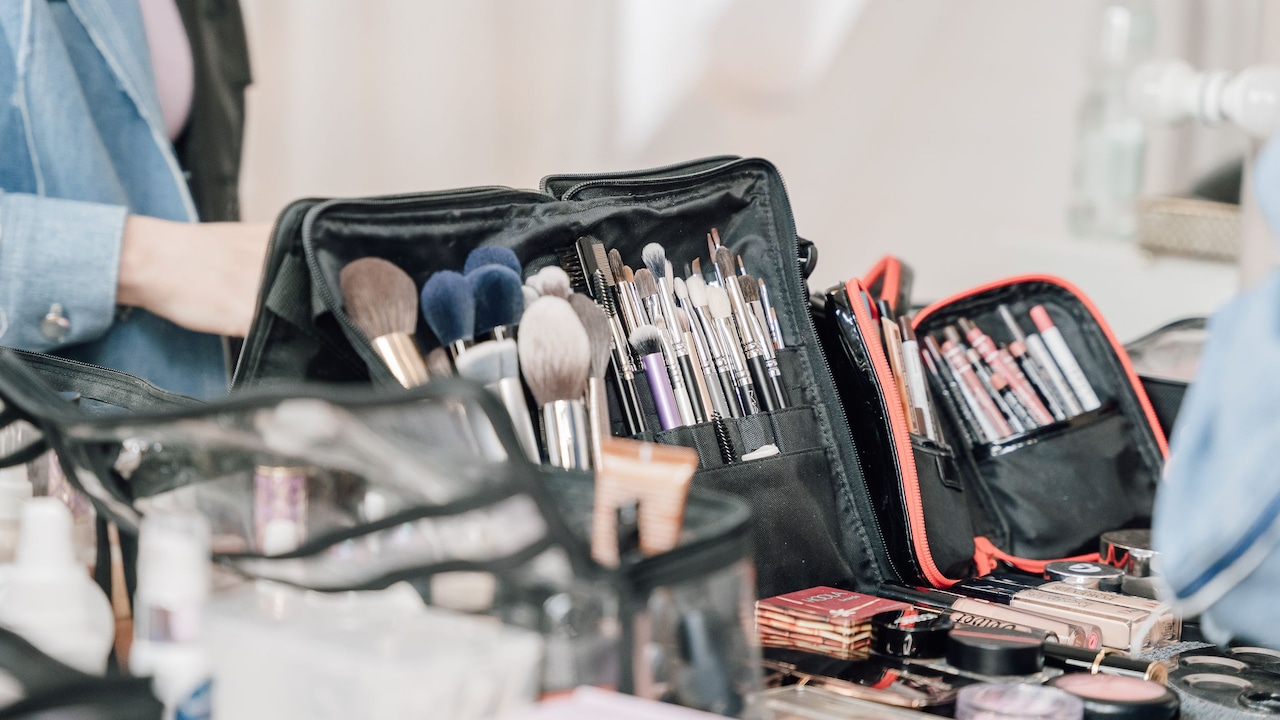
Why Your Mascara Smudges: The Eye Shape Facto; Photo Credit: Pexels
Smudging often happens because lashes touch the skin. Hooded eyes may press mascara against the upper lid. Deep-set eyes may create more transfer under the brow bone. Downturned or straight lashes may brush against the lower eye area. Monolids may fold in a way that brings the lash line very close to the lid. Add oily skin, moisturiser, concealer, heat, and a bit of emotional traffic jam music, and mascara begins to travel. The good news is simple. Once eye shape enters the conversation, mascara stops feeling like a gamble. A few clever shifts in formula, wand style, placement, drying time, and powdering can make a huge difference.
How Eye Shape Affects Mascara Smudging
Hooded Eyes And The Case Of The Disappearing Mascara
Hooded eyes have a soft fold of skin that rests close to the lash line. This gives the eyes beautiful depth, but it can also create a tiny smudge trap. When mascara coats the lashes, the upper lid may touch them each time the eyes blink. Fresh mascara transfers quickly, especially when the formula feels wet or glossy.
The common result is a faint black crescent above the lash line. It may look like a badly behaved eyeliner stamp. On humid days, that crescent can deepen before the first cup of chai cools down. Rich creams, sunscreen, and oily lids make the situation livelier.
For hooded eyes, mascara needs patience. Let the first coat dry before adding a second. A quick lash curl also helps lift the lashes away from the lid. Tubing mascara works well because it wraps each lash in tiny polymer tubes rather than soft pigment that can melt. A slimmer wand also gives better control near the roots.
Avoid heavy layers at the base if the lid touches the lashes. Concentrate more product through the mid-lengths and tips. The lashes still look longer, but the lid has less mascara to steal.
Also Read: Try These 5 Best Mascaras For Volume And Length In India
Deep-Set Eyes And The Shadow Smudge Problem
Deep-set eyes sit slightly further back under the brow bone. This shape often looks intense and expressive, especially with kohl or soft brown shadow. The challenge comes from contact. The upper lashes may brush against the skin above the eyes, while the lower lashes may sit close to the under-eye area.
Mascara smudges on deep-set eyes can look like natural shadows at first. By evening, though, the soft haze may turn into tired-looking darkness. This feels especially unfair after careful concealer blending. The face may look as if it has survived a full wedding sangeet, even on a regular workday.
The fix starts with texture. Avoid very creamy mascaras that stay flexible for too long. Choose a formula that sets quickly. A waterproof mascara can help, but it may feel harsh for daily use if removal gets aggressive. Tubing formulas often offer a gentler middle path.
Lower lashes need extra care. A full coat on the bottom lashes may look pretty for five minutes, then betray the under-eye area. Try coating only the outer lower lashes, or skip them on long days. Set the under-eye concealer with a light layer of powder. This reduces slip and gives mascara less moisture to cling to.
Monolids And Mascara Transfer Along The Lid
Monolids have little or no visible crease when the eyes are open. They can look smooth, fresh, and striking, but mascara often transfers because the lid sits close to the lash line. When lashes point straight forward or slightly downward, the product can meet the lid before it fully dries.
This creates small black dots or soft smears along the lid. The problem grows when the mascara wand leaves too much product at the roots. A thick, wet formula may weigh down the lashes, making them touch the skin even more. Add heat, sweat, and a busy train platform, and the mascara may start behaving like calligraphy ink.
Curling makes a major difference here. A good lash curler lifts the lashes and changes their direction. Hold the curler gently at the base, then pulse once in the middle and once near the tips. This creates a natural curve rather than a sharp bend.
A lightweight, lengthening mascara usually works better than a heavy volumising one. Look for a small, precise brush that separates lashes instead of loading them. Apply thin coats and allow drying time. For extra grip, dust the lids lightly with translucent powder before mascara. It keeps oil in check and gives the formula a cleaner surface to work with.
Why Your Mascara Smudges: The Eye Shape Factor; Photo Credit: Pexels
Almond Eyes And The Outer-Corner Smudge
Almond eyes have a balanced shape with slightly tapered inner and outer corners. Many makeup looks suit this eye shape, from soft kajal to winged liner. Yet mascara can still smudge, especially at the outer corners. This usually happens because the lashes fan outward and touch the skin during blinking or smiling.
The outer-corner smudge can be sneaky. It begins as a tiny grey mark near the lower edge of the eye. By late afternoon, it may look like yesterday's liner has returned uninvited. This becomes more obvious when concealer, sunscreen, or eye cream sits close to the corner.
For almond eyes, application angle matters. Avoid dragging the wand too far outward unless a dramatic winged lash effect is needed. Instead, comb the centre lashes upward and the outer lashes slightly up, not straight out. This keeps the tips away from the skin.
A curved wand can help, but too much product on the outer lashes may create transfer. Wipe excess mascara from the brush before touching the corners. A clean spoolie can separate clumps and remove extra product. Setting the outer under-eye area with powder also helps, especially before long lunches, office events, or festive evenings.
Round Eyes And Lower-Lash Smudging
Round eyes often look open, bright, and youthful. Mascara can make them look even more doll-like. The trouble begins when the lower lashes are long or the eyes water easily. Since round eyes reveal more of the lash line, mascara sits closer to the lower skin and transfers with movement.
Lower-lash smudging can make the eyes look smaller and tired. It may also mix with kajal, creating a smoky effect that nobody asked for. A little smudge can look charming at a late-night concert, but not during a presentation, school pick-up, or family puja.
The solution is not to abandon mascara. It is to choose placement wisely. Focus on the top lashes and keep the lower lashes almost bare for daytime. When mascara on the lower lashes feels necessary, use a tiny brush and apply just one light coat. Brown mascara can look softer and less obvious if it transfers slightly.
Avoid heavy concealer directly under the lash line. Creamy concealer can behave like a welcome mat for mascara pigment. Set it with a fine powder, but do not overload the area. Too much powder can settle into lines. The balance should feel soft, not chalky.
Downturned Eyes And The Corner Melt
Downturned eyes have outer corners that tilt slightly downward. This shape can look gentle, romantic, and expressive. Mascara, however, may gather near the outer lower corners because the lashes naturally point towards that area. When the eyes blink, smile, or water, pigment can collect where the skin folds.
The smudge often appears like a dark teardrop at the outer edge. It may make the eyes look sadder than they are. This can annoy anyone who started the day aiming for lifted, fresh lashes and ended up with a monsoon-drama finish.
The application can shift the whole effect. Concentrate mascara on the centre and upper outer lashes, but brush them upward rather than outward or downward. Curl the outer lashes gently. A lifting mascara with a drier formula helps hold the shape better.
Skip heavy mascara on the lower outer lashes. It may drag the eye down visually and increase smudging. Instead, keep the lower lash line clean or use a soft brown pencil lightly at the centre. A tiny touch of powder at the outer corner helps control oil and moisture. Think of it as setting a boundary. Mascara, like some relatives at weddings, needs clear limits.
Upturned Eyes And The Lash-To-Skin Rub
Upturned eyes have outer corners that lift slightly higher than the inner corners. This natural lift looks lively and elegant. Mascara usually works well with this shape, but smudging can happen when the outer upper lashes touch the crease or the skin near the brow bone.
The issue becomes stronger with lengthening mascaras. Long lashes look wonderful until they tap the lid all day. A wet formula can leave dotted marks above the eye, especially after applying two or three coats. Oily lids make those dots softer and messier.
For upturned eyes, the key is controlled drama. Use a mascara that lengthens without turning lashes into stiff little paintbrushes. Apply most of the product near the centre of the lash line. Use a lighter hand at the outer corners, particularly during the day.
Comb through the lashes after application. This removes excess product from the tips, where transfer often starts. A quick eyelid prep also helps. Blot sunscreen or moisturiser before makeup. Then set the lid lightly with powder or a skin-toned shadow. This creates a dry surface and reduces transfer. The result still looks lifted, but less likely to leave tiny black souvenirs behind.
Oily Lids Make Every Eye Shape Trickier
Eye shape matters, but oily lids can turn even the most careful mascara into a wandering artist. Natural oils break down mascara, liner, and concealer. In warm weather, the process speeds up. A short auto ride, a crowded market, or a kitchen full of festive cooking can add enough heat to loosen makeup.
Oily lids do not mean poor skincare. They simply produce more sebum. Some sunscreens and moisturisers also create slip around the eyes. When lashes touch that slick surface, mascara transfers easily. This affects hooded, monolid, deep-set, and almond eyes in different ways, but the root problem stays the same.
Preparation makes the biggest difference. Keep eye cream away from the lash line during the day. Blot the lids gently before makeup. A thin layer of translucent powder or matte eyeshadow can absorb oil. Avoid thick foundation around the eyes, as it may mix with mascara and create grey smudges.
Mascara choice also matters. A smudge-proof or tubing formula usually performs better than a soft, waxy one. Do not confuse waterproof with smudge-proof. Waterproof mascara resists water, but oil can still break it down. For oily lids, oil resistance matters more than rain resistance.
Why Your Mascara Smudges: The Eye Shape Factor; Photo Credit: Pexels
Watery Eyes And The Emotional Mascara Test
Some eyes water at the smallest excuse. Wind, dust, air conditioning, bright sunlight, allergies, spicy food, or one sentimental advertisement can start the tears. In many cities, pollution and dry air make this even more common. Mascara then faces its toughest test.
Watery eyes cause smudging in two ways. Tears can dissolve or loosen the formula, and constant dabbing can move pigment around. The outer and inner corners suffer most. Once moisture reaches the lash line, mascara may slide into tiny creases.
The answer starts with gentleness. Avoid applying mascara too close to the waterline. Keep the roots cleaner and focus on the lengths. This gives the tears less product to disturb. A tubing mascara can work beautifully because it resists smearing and comes off in tiny tubes with warm water at removal time.
Carry tissues, but do not rub. Press gently at the corner instead. Rubbing spreads mascara and irritates the eye further. On allergy-heavy days, choose minimal eye makeup. A curled lash with a light coat often looks better than a heavy coat that cannot survive the weather. Mascara should support the face, not demand a full rescue operation by noon.
Lash Direction Can Change Everything
Two people can have similar eye shapes and still experience different mascara results. Lash direction often explains why. Some lashes grow upward, some forward, some downward, and some in a charming but chaotic mix. Straight or downward lashes are more likely to touch the skin and cause smudges.
This matters especially for hooded, monolid, and downturned eyes. If the lashes point down, mascara sits closer to the under-eye area. If they point straight out, they may hit the lid. A heavy mascara can pull them lower as the day goes on.
Curling helps, but technique matters. Squeezing too hard at the base can create an awkward bend. Gentle pulses along the lash length create a softer curve. Heat can help, but avoid risky shortcuts. A curler warmed slightly between the palms works better than anything dramatic. The eye area does not need kitchen experiments.
Choose mascara according to lash behaviour. Straight lashes often need a lightweight lifting formula. Sparse lashes may need definition before volume. Long lashes need a formula that sets firmly without flaking. Short lashes benefit from a slim wand that reaches every hair. Once lash direction gets proper attention, smudging often reduces without changing the whole makeup routine.
The Right Formula For Your Eye Shape
Mascara shopping can feel like decoding a family WhatsApp forward. Every tube claims length, volume, curl, drama, definition, and miracles before breakfast. The smarter approach starts with eye shape and daily life.
Hooded and monolid eyes usually need quick-drying, lightweight formulas. Deep-set eyes need smudge-resistant mascara that does not transfer to the brow bone or under-eye area. Round eyes often benefit from top-lash focus and careful lower-lash use. Downturned eyes need a lift without heavy product at the outer lower corners. Oily lids need oil-resistant formulas. Watery eyes need tubing or water-resistant options that do not crumble.
Wand size also matters. Big fluffy brushes create volume, but they can overload small or folded lids. Slim brushes offer control and reduce accidental lid marks. Curved brushes lift, while comb-like brushes separate. The best mascara is not always the most expensive one. A ₹399 tube with the right texture can beat a ₹1,500 tube that does not suit the eye shape.
Removal deserves respect too. Tugging at stubborn mascara can weaken lashes and irritate skin. Use a gentle remover, hold it over the lashes for a few seconds, then wipe softly. Clean lashes behave better the next day.
Products Related To This Article
1. Maybelline New York Lash Sensational Sky High Mascara
2. MARS Double Trouble 2-in-1 Mascara (15 ml)
3. L'Oreal Paris Voluminous Panorama Waterproof Mascara Volumizing
4. Lakmé Eyeconic Volumizing Mascara
5. LoveChild Masaba High-Hopes Tubing Mascara
6. INSIGHT Stay Real Lash Mascara
7. RENEE Everyday Mascara 2X Instant Volumizing
Mascara smudging can feel personal, but it rarely is. The problem often comes from simple contact between lashes, lids, oil, moisture, and skin. Eye shape decides where that contact happens. Hooded eyes may stamp mascara on the upper lid. Deep-set eyes may collect shadows. Round eyes may smudge below. Downturned eyes may gather pigment at the corners. Monolids may transfer along the lid fold.
Once the eye shape factor becomes clear, mascara feels less mysterious. A small change in formula, wand, curl, placement, or powder can transform the result. The goal is not to fight natural features. The goal is to work with them.
Beauty routines should not feel like exams. They should leave room for weather, long days, laughter, sweat, tears, and the occasional dramatic family function. Mascara can still lift the lashes, brighten the face, and add that tiny spark of confidence. It just needs the right strategy.
So the next time mascara smudges before lunch, do not blame the mirror or the entire makeup pouch. Look at the eye shape, notice where the lashes touch, and adjust from there. The answer may sit not in a new trend, but in understanding the lovely, unique shape of the eyes already there.
(Disclaimer: This article may include references to or features of products and services made available through affiliate marketing campaigns. NDTV Convergence Limited (“NDTV”) strives to maintain editorial independence while participating in such campaigns. NDTV does not assume responsibility for the performance or claims of any featured products or services.)