What To Do If You're Allergic To A New Skincare Product
Skin turned red or itchy after a new product? Here's what to do immediately, how to calm the reaction, and when you should actually go and see a doctor.

What To Do If You're Allergic To A New Skincare Product
Trying a new serum or moisturiser always feels a little exciting, doesn't it? You bring it home, you're hopeful it will fix that one skin issue you've been dealing with, and then two days later, your face decides to protest. Redness, itching, maybe even tiny bumps that weren't there before. This happens more often than people admit. Skin allergies from cosmetics are common, and honestly, even expensive or "dermatologist-recommended" products can trigger one. Your skin doesn't care about the price tag or the brand name. So if you're currently panicking in front of a mirror, wondering what went wrong, take a breath first. Below is a clear, practical guide on what to do right now and how to prevent this from happening again.

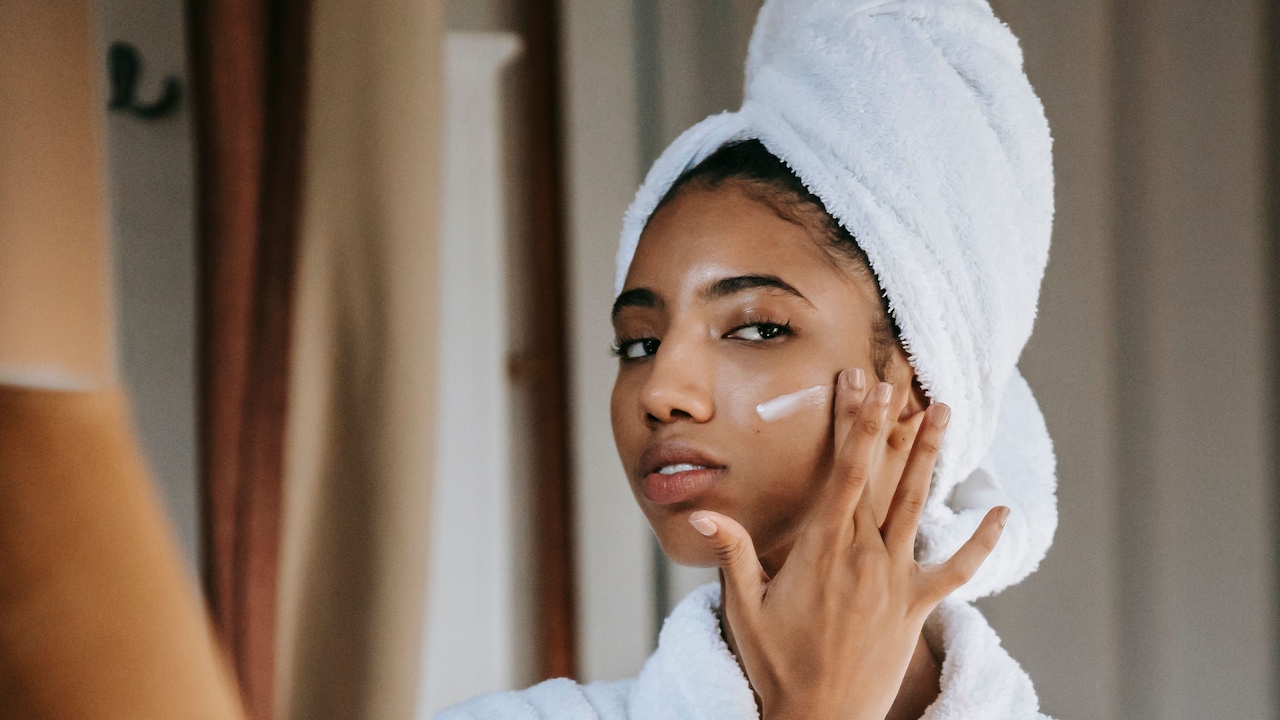
Discover how to soothe sudden cosmetic skin irritation and know when to see doctors; Photo Credit: iStock
What Counts As An Allergic Reaction On Skin
Not every bit of redness means an allergy. Sometimes it's just mild irritation, and it settles on its own within a few hours. An allergy will persist for longer periods and be more irritating.
1. Common signs to watch for
Some common signs include widespread redness outside the product's applied area and nonstop itching, even after washing one's face. Small bumps or blisters filled with liquid, burning sensations, which recur several hours after application of the product, are also common. Then, you can also experience eye or lip swelling, which requires urgent treatment.
2. Irritation vs allergy: the real difference
Irritation is usually immediate and localised, stinging right where you applied the product. Allergy, on the other hand, can take a few hours or even a day to show up fully, because your immune system needs time to react. This is exactly why patch testing matters so much, something we'll get into shortly.
Also Read: Unmissable Deals On The Derma Co Anti-Acne And Sunscreen During Amazon The Beauty Sale
Immediate Steps To Take After A Reaction
The moment you notice something's off, stop everything else you were planning to do, skincare-wise. Your only job right now is calming the skin down, not fixing it further.
1. Wash it off gently
Use plain, lukewarm water, not hot. Hot water will only worsen the irritation. A mild, fragrance-free cleanser works fine here; nothing fancy is needed. Pat dry with a soft towel; don't rub.
2. Stop all other active products immediately
This means no retinol, no vitamin C, no exfoliating acids, nothing with fragrance. Basically, pause your entire routine except the very basics. Give your skin a proper break, even if it feels like you're doing "nothing".
3. Apply a cold compress
Put some ice into a soft piece of cloth or use a chilled spoon to put it on the affected area for a few minutes to reduce swelling and relieve itching.
4. Use a simple, soothing moisturiser
Look for something with ceramides or plain aloe vera – nothing else added. Avoid anything labelled "brightening" or "anti-ageing" for now; those usually carry active ingredients your skin doesn't need at this moment. A basic barrier repair cream from a pharmacy usually does the job well.
How To Calm Down Irritated Skin Naturally
Once the initial reaction has settled a bit, your focus shifts to recovery. This part takes patience; honestly, skin doesn't heal overnight just because you want it to.
1. Stick to a bare-minimum routine
Cleanser, moisturiser, sunscreen. That's it for at least a week, maybe longer, depending on how bad the reaction was. Adding anything extra right now, even something "good", can confuse your skin barrier further.
Oatmeal-based masks or plain aloe gel from the plant itself can genuinely help, too. Our households have used besan and curd combos for calming skin for generations, and while it's not scientifically proven for allergic reactions specifically, the coolness does offer some relief.
2. Avoid direct sun exposure
Reactive skin becomes extra sensitive to UV rays. Stepping out without sunscreen, or worse, without any protection at all, can turn a mild reaction into something pigmented and long-lasting. If you must go out, a physical sunscreen with zinc oxide is usually gentler than chemical ones.
Patch Testing, The Step Everyone Skips
Here's something almost everyone knows about, but almost nobody actually does. Patch testing takes barely two minutes but saves you days of discomfort later.
Apply a small amount of the new product on your inner forearm or behind your ear. Leave it there for 24 to 48 hours without washing that spot. If there's no redness, itching or bumps in that time, it's generally safe to try on your face. Skipping this step is basically like gambling with your skin, and the odds aren't always in your favour.

Follow these critical tips to treat product-induced skin reactions and identify serious warning signs; Photo Credit: iStock
Some Gentle Skincare Products You May Like
1. Cetaphil Gentle Skin Cleanser
2. Minimalist 0.3% Ceramide Face Moisturizer For Barrier Repair & Deep Moisturisation
3. La Shield Lite SPF 50+ PA+++ Pure Mineral Sunscreen
4. Dr Sheth's Non-Irritating Ceramide & 15% Vitamin C Ampoule Serum
5. Neutrogena Hydro Boost Hyaluronic Acid Face Moisturizer
6. Bioderma Sebium H2O Purifying Micellar Cleansing Water
7. The Derma Co. 4% Ceramide Barrier Repair Moisturizer
8. Jovees Herbal 100% Pure Aloe Vera Gel
Sensitive skin needs thoughtful product choices that nurture rather than aggravate. Effective products that protect and hydrate your skin through festive celebrations and changing seasons. All these carefully selected products are available online, currently offered at attractive discounts, helping you care for your sensitive skin while enjoying the joy of shopping. Shop now on Amazon
Frequently Asked Questions (FAQs)
1. How long does a skin allergy from a new product usually last?
A mild skin allergy will be treated and gone in three to five days, while a severe one may last for up to a week or more, depending on the condition of the skin barrier before the use of the product.
2. Can I use ice directly on an allergic reaction?
It is better to wrap ice in a soft piece of cloth rather than apply it to the skin directly, since in this case, it may cause additional irritation to already sensitive skin.
3. Is it normal for old products to suddenly cause allergies, too?
Yes, as the tolerance of the skin may change over time due to weather changes, hormones, stress, and so on, which causes skin reactions to products.
4. Should I stop my entire skincare routine after a reaction?
Not necessarily; it would be better to simplify it by using only a gentle cleanser, a basic moisturiser, and a sunscreen for now.
5. Can allergic reactions on the skin leave permanent marks?
Usually not, if treated properly; however, if the skin is scratched repeatedly or exposed to sunlight unprotected, some dark patches may appear, which will disappear in a few weeks' time.
(Disclaimer: This article may include references to or features of products and services made available through affiliate marketing campaigns. NDTV Convergence Limited (“NDTV”) strives to maintain editorial independence while participating in such campaigns. NDTV does not assume responsibility for the performance or claims of any featured products or services.)