How To Prevent A Rotating Hair Brush From Tangling Long Hair: Top 10 Tips
Prevent long hair from getting tangled in a rotating hair brush with 10 simple styling tips. Learn how to prep, section, dry and use your brush correctly for smooth, snag-free results while reducing breakage and making styling quicker.
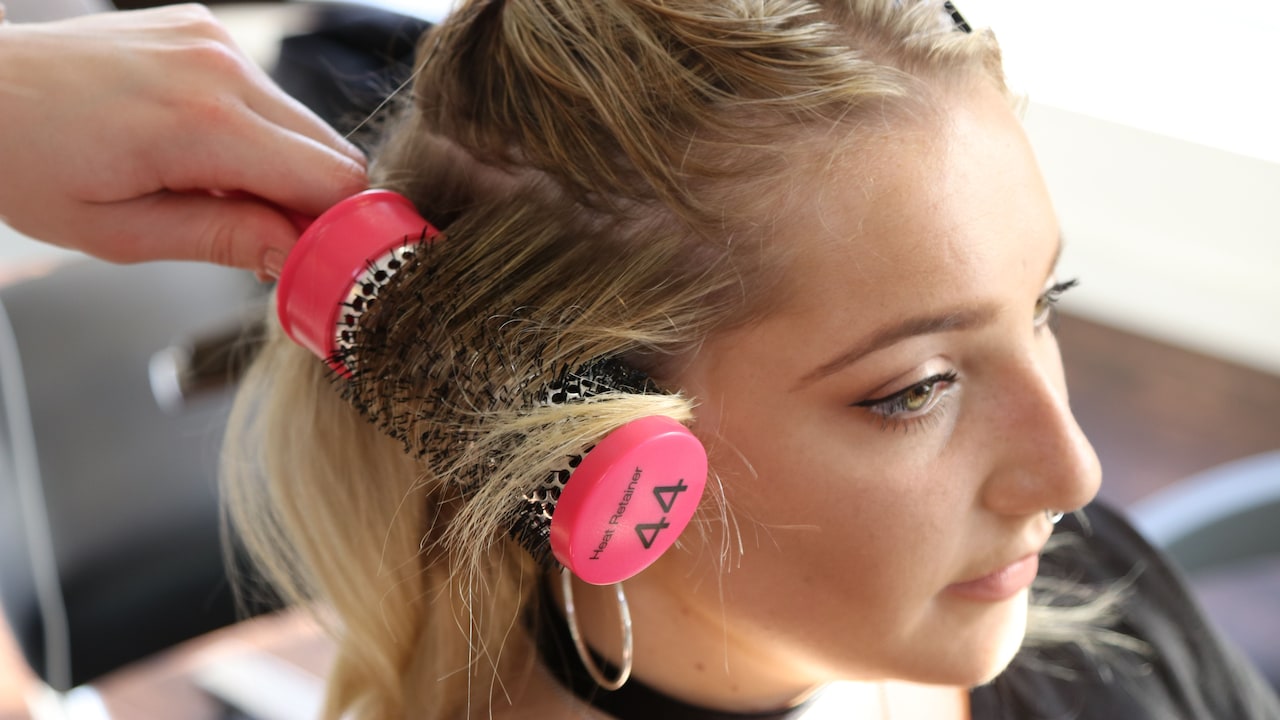
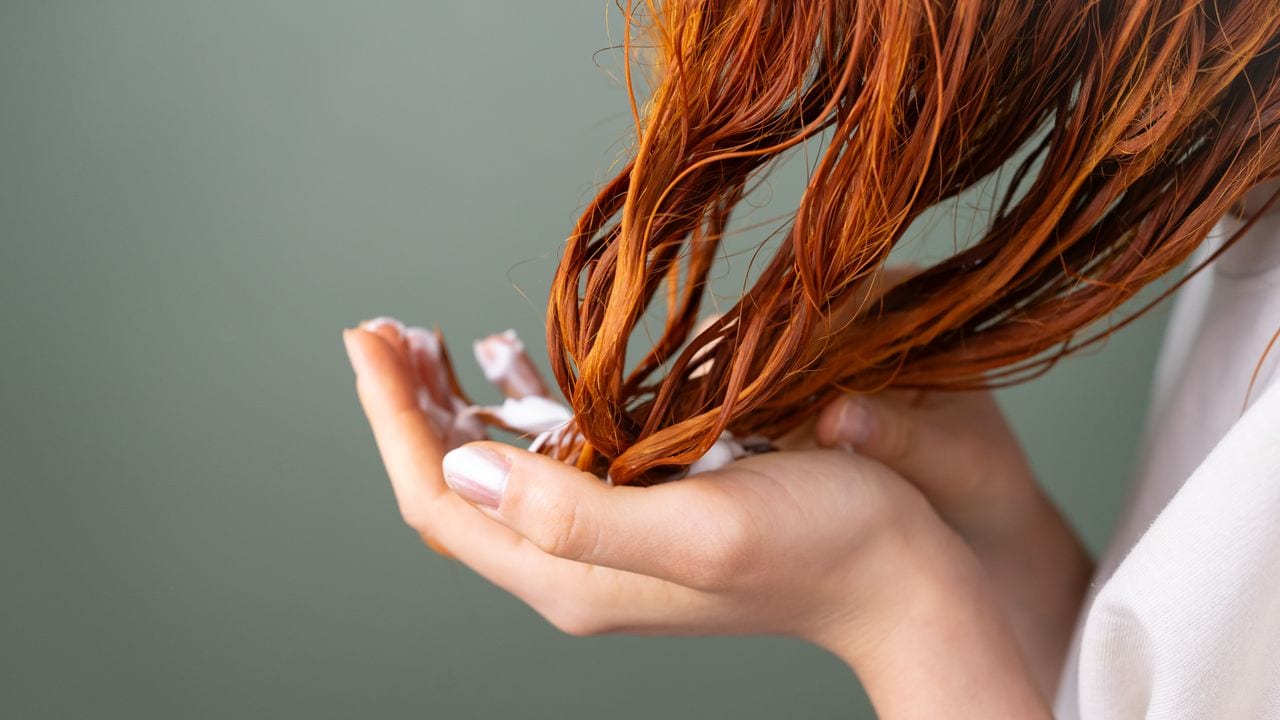
Detangling your hair before styling can significantly reduce the risk of breakage
Rotating hair brushes promise the sort of bouncy finish that usually requires a hairdryer, a round brush and an impressive amount of wrist coordination. For anyone with long hair, however, that promise may quickly unravel. A few careless turns can trap several inches of hair around the barrel, leaving the brush humming helplessly near the scalp. The problem often starts before the brush even touches the hair. Knots, oversized sections, excess moisture and hurried movements create the perfect conditions for tangling. Long hair also needs more room to move. When too much of it reaches a spinning barrel at once, strands overlap, twist and tighten.

Slightly damp hair is easier and safer to style with a rotating air brush than soaking wet hair.
Photo Credit: Pexels
The good news is that safe styling does not demand professional training. A calmer routine and a handful of practical adjustments can make a dramatic difference. These ten tips explain how to use a rotating hair brush smoothly, comfortably and without turning the bathroom into a rescue operation.
Also Read: Top 7 Shower Filters For Homes Struggling With Scale, Dry Skin And Rough Hair
Top 10 Ways To Stop A Rotating Hair Brush From Tangling Long Hair
1. Detangle Your Hair Before Switching On The Brush
A rotating brush should style hair, not search for hidden knots. Before plugging it in, use a wide-tooth comb or a gentle detangling brush from the ends upwards. Starting at the roots may push knots further down, where they join together and become harder to remove.
Pay close attention to the nape of the neck, the area behind the ears and the lower few inches. These spots often collect tiny tangles from scarves, backpacks, helmet straps and long commutes. They may seem harmless until the rotating barrel catches them.
A light detangling spray can help with stubborn or textured hair. Avoid soaking the strands with product, though. Too much slip can make it difficult to control each section on the brush.
Take an extra minute to run fingers through the full length. Hair should move freely without snagging. This simple check can prevent several minutes of tugging later. Think of it as clearing traffic before opening a busy flyover. Once every strand has a clear route, the brush can rotate without unexpected jams.
2. Let Your Hair Dry To The Right Level
Hair that drips with water rarely behaves well around a rotating brush. Wet strands cling together, stretch easily and wrap tightly around the barrel. They also take longer to style, which means repeated rotations and greater exposure to heat.
Allow hair to air-dry until it feels about 70 to 80 per cent dry. It should feel slightly damp rather than wet. When time feels tight, use a regular hairdryer on a gentle setting and direct the airflow down the hair shaft. Avoid rough drying in every direction, as this creates knots before styling even begins.
Fine hair may need less drying because it loses moisture quickly. Thick, curly or dense hair may need more time, especially near the roots. Check the underneath layers rather than judging only the surface.
After washing, squeeze out water with a microfibre towel or a soft cotton T-shirt. Do not twist the hair into a tight towel turban or rub it vigorously. That familiar post-shower scrub may feel efficient, but it turns long lengths into a tangled monsoon cloud. Gentle blotting keeps the strands aligned and easier to manage.
3. Divide Your Hair Into Small, Neat Sections
Large sections may appear to save time, but they often create the worst tangles. A rotating brush needs enough space to grip, smooth and release the hair evenly. When the section feels too thick, the outer strands move while the inner ones remain damp or trapped.
Divide long hair into four to six main sections, then work with smaller pieces within each one. Each styling section should stay narrower than the barrel. For very thick hair, sections around two to three centimetres wide offer better control.
Use sturdy sectioning clips rather than loose hair ties. Clips keep unstyled hair away from the rotating mechanism and stop stray strands from joining the section halfway through. Begin with the lower layers near the nape, then move upwards towards the crown.
Keep each section clean from root to tip. Uneven edges or loose side strands can wind around the barrel separately and create a knot. Neat sectioning may look like an extra chore, especially during a rushed weekday morning, but it usually shortens the total styling time. It also delivers a smoother, more uniform finish without repeated passes.
4. Choose A Barrel Size That Suits Your Hair Length
Barrel size plays a major role in how safely a rotating brush handles long hair. A small barrel creates tighter curves, but long strands may wrap around it too many times. Once several layers overlap, releasing the hair becomes difficult.
For hair below the shoulders, a medium or large barrel usually offers better control. A wider barrel creates fewer rotations along the length and produces a soft, blown-out finish. It also reduces the chance of the ends disappearing beneath several coils of hair.
The best size depends on the desired result. A larger barrel adds volume and gentle movement, while a medium one gives more shape. Very small barrels suit shorter layers, fringes or specific face-framing sections rather than the full length.
Brush design matters too. Look for smooth bristles, well-spaced vents and simple rotation controls. A reverse-rotation feature can prove especially useful when hair starts winding in the wrong direction.
Before buying a brush that costs ₹3,000 or more, check whether the barrel suits the actual hair length and density. A fashionable compact tool may look impressive online, yet a larger, practical model often treats waist-length hair far more kindly.

Regularly cleaning the brush removes trapped hair and product build-up, helping it perform more effectively.
Photo Credit: Pexels
5. Keep The Brush Away From The Scalp At First
Bringing a rotating barrel too close to the roots can create instant trouble. The hair near the scalp has less room to move, and shorter regrowth or baby hairs may catch between longer strands. If the brush rotates repeatedly in one spot, the section can tighten before there is time to react.
Start a few centimetres away from the scalp. Place the brush beneath the section, create gentle tension and guide it slowly towards the ends. Once the lengths feel smooth, return to the roots for volume with a shorter, controlled movement.
At the crown, lift the hair upwards rather than pulling it sharply backwards. This creates body without forcing the brush against the scalp. Around the temples and hairline, use the lowest speed because fine hairs tangle more easily.
Never press the rotating brush firmly into the roots as though polishing a floor. The tool needs movement, not pressure. Keep the wrist relaxed and allow the bristles to hold the section lightly.
This approach also protects the scalp from excess heat. Anyone who has ever touched a hot styling tool to the ear knows that the morning can become memorable for all the wrong reasons.
6. Control The Rotation Instead Of Holding The Button Continuously
The rotation button may feel convenient, but holding it down for the entire length often gives the brush too much control. Long hair can wrap around the barrel faster than expected, especially near the ends.
Use short, deliberate bursts of rotation. Press the button briefly, release it and check how the section sits. Continue only when the hair remains smooth and evenly spread across the barrel. This stop-and-check rhythm prevents several layers from winding around one another.
The direction of rotation matters as well. Style hair away from the face for an open, lifted look. On the right and left sides, switch the rotation direction so both sections move outwards. Using the wrong direction may pull hair across the face or twist it awkwardly towards the scalp.
Practise the motion with the brush switched off before the first proper use. Learn which button moves the barrel in each direction and how quickly it stops. Familiarity reduces panic when a section begins to catch.
Treat the brush like a scooter in heavy traffic: steady control works better than full acceleration. A slower rhythm may seem cautious, but it creates a cleaner finish and makes releasing the hair much easier.
7. Keep The Ends Smooth And Fully Visible
The ends of long hair cause many rotating-brush tangles. Dryness, split ends and uneven layers can catch on bristles, while thin tips may wrap around the barrel more tightly than the thicker mid-lengths.
Before styling, apply a tiny amount of lightweight serum or leave-in conditioner to the final few inches. Use only enough to smooth the surface. Heavy oils can make the ends sticky, causing strands to clump together on the barrel.
As the brush moves down the section, watch the ends carefully. Do not allow them to flick backwards, fold underneath or disappear inside several rotations. Guide them over the barrel in a flat, even layer. One gentle turn usually gives enough polish.
For a soft curl, rotate the ends once and hold them briefly with the heat switched low. Then stop the rotation before sliding the brush out. Avoid rolling the entire section upwards towards the scalp, as this traps the ends beneath the rest of the hair.
Regular trims also help. Frayed tips behave like the rough edges of an old broom; they catch on almost everything. Removing damaged ends every few months keeps long hair smoother and easier to release from styling tools.
8. Use Moderate Heat And A Lower Speed Setting
Maximum heat and speed may promise quicker styling, but they leave little room for correction. A fast-spinning barrel can gather loose strands before the hand has time to stop it. High heat may also dry the outer layer too quickly while the inside remains damp.
Begin with a low speed, especially when learning to use the brush. Increase it only after the technique feels comfortable. Fine, coloured or damaged hair usually needs low to medium heat. Thick hair may require a warmer setting, but controlled passes work better than holding intense heat on one section.
Apply a heat-protection product before styling. Spread it evenly through the mid-lengths and ends, then comb the hair again. Heat protection cannot prevent tangling by itself, but it helps maintain smoothness and reduces dryness over time.
Finish each section with a cool setting when available. Cool air helps set the shape and makes hair easier to release from the bristles.
Remember that more heat does not automatically create more shine. Excessive temperatures often produce the opposite result: roughness, flyaways and brittle ends. A polished blowout should look like a good hair day, not evidence of a disagreement with a power socket.
9. Release Each Section Slowly And In The Correct Direction
Even a perfectly styled section can tangle during release. Pulling the brush straight out may drag the ends through the bristles, while continuing to rotate can tighten the hair around the barrel.
Once the section feels dry and smooth, stop the rotation completely. Pause for a moment and check that no loose strands have joined from nearby sections. Then unwind the brush in the opposite direction or gently slide it downwards, depending on the style.
For curled ends, support the hair with the free hand while unwinding. This keeps the shape intact and prevents the section from dropping unevenly. Never yank the brush, even when running late. A sudden pull can stretch damp hair, cause breakage and turn a small snag into a stubborn knot.
When resistance appears, switch off and unplug the brush before attempting to free the hair. Use fingers or the pointed end of a tail comb to loosen the outer strands. Start from the edges of the tangle rather than attacking the tightest point.
Calm movements matter. Hair rarely becomes hopelessly stuck in a single second. Most severe knots happen when panic adds more rotation, more pulling and several dramatic promises never to style hair again.
10. Clean The Brush After Every Few Uses
A rotating brush cannot grip and release hair properly when old strands, dust and product residue cover the bristles. Loose hairs on the barrel may catch fresh sections and pull them into the rotating mechanism.
After the brush cools and the plug comes out, remove visible strands with fingers or a small cleaning tool. A tail comb can lift hair from the base of the bristles. Cut through tightly wound strands only when necessary, taking care not to damage the bristle bed or heating surface.
Wipe the barrel with a slightly damp cloth to remove hairspray, serum and heat-protection residue. Never immerse an electrical brush in water. Allow every part to dry fully before storing it.
Check the air vents regularly. Blocked vents reduce airflow and make the tool run hotter, which may encourage repeated passes and increase the risk of tangling. Examine the power cord and rotation buttons as well. If the barrel jerks, stalls or spins unpredictably, stop using the brush.
Store it in a dry drawer or heat-resistant pouch with the cord loosely coiled. A clean brush behaves more smoothly, lasts longer and avoids producing that mysterious burnt smell just as guests arrive.
Products Related To This Article
1. Remington Keratin Protect Rotating Air Styler AS8810
2. Urban yog MakeMeeBold 3-in-1 Hot Air Brush
3. Vega Pro Volumizer Hair Blow Dryer Brush
4. Havells 1000 Watts Air Care Volumizer Hair Dryer
5. Ownair Hot Air Brush for Hair with Dryer
6. Blow Dryer Brush 7 in One
7. Vega Pro Volumizer Hair Blow Dryer Brush
A rotating hair brush does not have to become the villain of a long-hair routine. Most tangles begin with rushed preparation, damp sections, excessive rotation or a barrel that does not suit the hair length. Small adjustments can prevent all four.
Detangle thoroughly, dry the hair partially and divide it into manageable sections. Use a suitable barrel, moderate heat and short bursts of rotation. Most importantly, keep the ends visible and release each section with patience. The extra care adds only a few minutes, yet it protects both the hair and the morning mood.
Long hair needs guidance rather than force. Once the brush moves in harmony with the strands, styling becomes far easier. The result should feel smooth, bouncy and pleasantly uneventful, with no trapped hair, no frantic unplugging and no scissors waiting beside the mirror.
(Disclaimer: This article may include references to or features of products and services made available through affiliate marketing campaigns. NDTV Convergence Limited (“NDTV”) strives to maintain editorial independence while participating in such campaigns. NDTV does not assume responsibility for the performance or claims of any featured products or services.)