How To Deep Condition Hair At Home After Monsoon Damage
Monsoon weather leaves hair dry, frizzy, and brittle. Here is how to deep condition it at home using simple ingredients and the right technique.
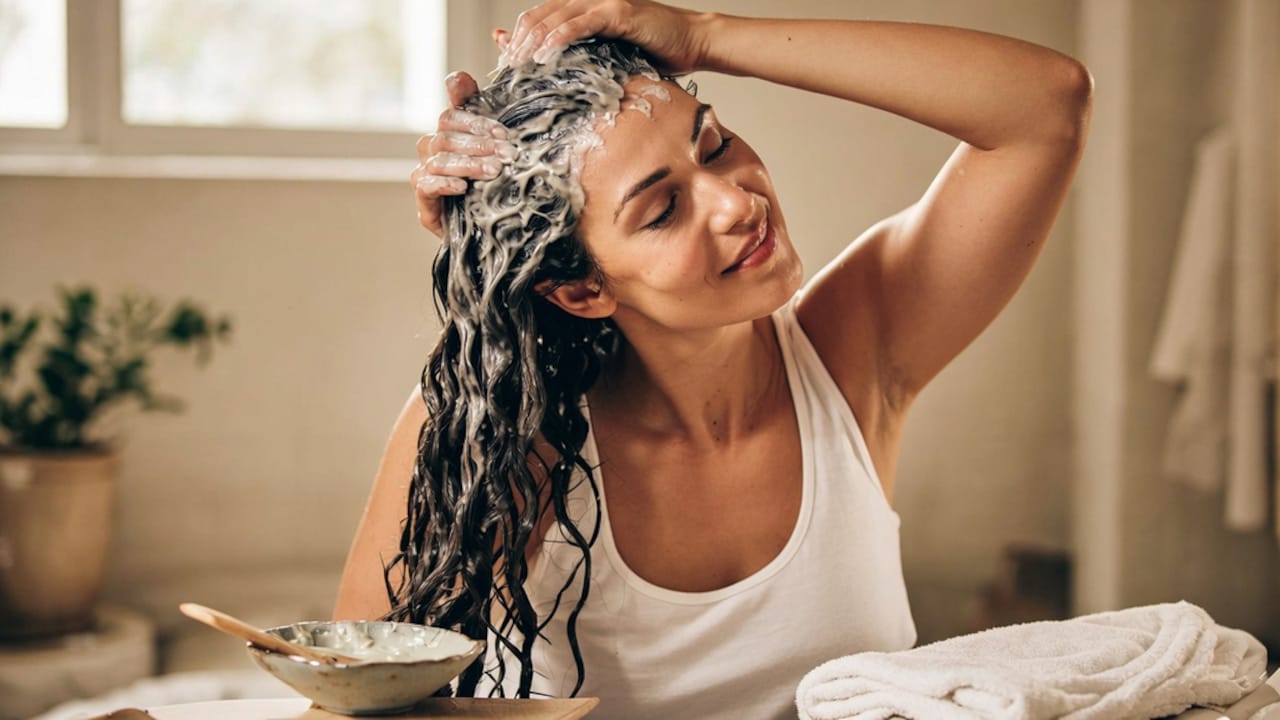
How To Deep Condition Hair At Home After Monsoon Damage
The monsoon does a specific kind of damage that is easy to underestimate while it is happening. Weeks of humidity, rainwater exposure, and fluctuating moisture levels leave hair in a state that only becomes obvious once the season ends: frizzy, brittle, stripped of shine, and snapping more easily than it should. For people who oil and wash regularly, the damage can still sneak up.
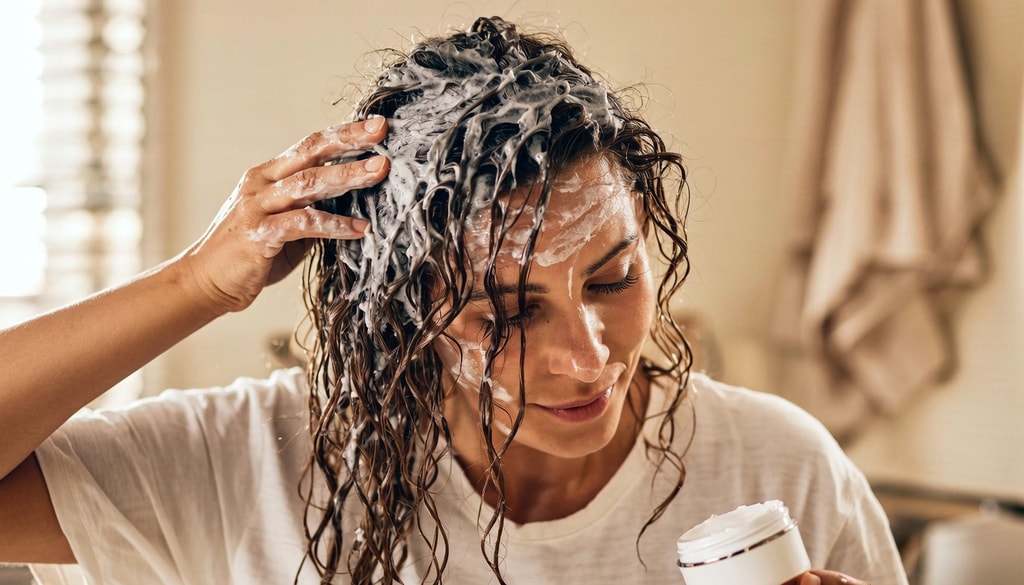
Use coconut or olive oil treatments with warmth, leave-in time, and cool rinse for deep hydration.
Photo Credit: iStock
Deep conditioning is the most effective way to restore hair after a rough monsoon season. Done correctly and consistently, it addresses dryness, smooths the cuticle, reduces breakage, and brings back some of the texture and weight that humidity and rainwater tend to strip out. The positive news is that it does not require a salon visit or expensive products.
How To Deep Condition Hair At Home After Monsoon Damage
The difference between a regular conditioner and a deep conditioning treatment is time and penetration. A rinse-out conditioner coats the surface of the hair shaft and washes off within minutes.
For monsoon-damaged hair specifically, the goal is to address both moisture loss and protein loss. Rainwater and humidity cause the cuticle to swell repeatedly, which over time weakens the hair structure. A treatment that balances moisture and protein, rather than just adding one, gives more lasting results.
Step 1: Start With Clarifying Your Scalp and Strands
Before deep conditioning, remove any buildup from the scalp and lengths. Weeks of oil, dry shampoo, hard water deposits, and product residue sitting on the hair shaft will prevent a conditioning treatment from absorbing properly. Use a clarifying or anti-dandruff shampoo once before the treatment, not your regular shampoo. This is not something to do every wash, but as a reset before a deep conditioning session, it makes a noticeable difference in how well the treatment works.
Step 2: Apply the Treatment on Damp, Not Dripping Wet, Hair
Hair that is soaking wet is already full of water and cannot absorb much else. Towel dry gently after washing until the hair is damp but not dripping, then apply the deep conditioner. Work it in sections from mid-length to ends, which is where the oldest and most damaged hair sits. The scalp generally does not need deep conditioner and on oily scalp types, it can cause buildup or greasiness, so keep it an inch or two away from the roots.
Best Ingredients For Deep Conditioning Monsoon-Damaged Hair
Eggs and Curd for Protein-Damaged Hair
Monsoon damage is often protein damage in disguise. Hair that feels mushy when wet, stretches more than it should, and breaks mid-strand is typically low on protein rather than moisture. A mask of one egg beaten with two tablespoons of plain curd applied for 30 minutes under a shower cap addresses the issue well. Eggs deliver protein directly to the hair shaft and curd adds moisture and shine without weighing the hair down. Rinse with cool water only, as heat will cook the egg in the hair.
Coconut Oil and Honey for Dry, Frizzy Hair
For hair that feels dry and rough rather than weak, a warm coconut oil and honey mask works well. Warm two tablespoons of coconut oil until liquid, mix in one teaspoon of raw honey, and apply generously from mid-length to ends. Wrap in a warm towel or shower cap and leave for at least 45 minutes. Coconut oil is one of the few oils that penetrates the hair shaft rather than just coating it, and honey is a humectant that draws moisture into the hair from the surrounding air.
Banana and Olive Oil for Brittle, Breakage-Prone Hair
A ripe banana, mashed very thoroughly with a tablespoon of olive oil, makes a deeply moisturising mask for brittle hair. The key word is "thoroughly": any unmashed banana chunks will dry in the hair and become nearly impossible to rinse out. Blend it if possible. Leave on for 30 to 40 minutes under a shower cap, then rinse with lukewarm water followed by a gentle shampoo. The results on dull, brittle post-monsoon hair are usually visible after two or three weekly treatments.
Also Read: Top 5 Bare Anatomy Haircare Bestsellers For Stronger, Healthier-Looking Hair
Aloe Vera Gel for Scalp Recovery
The scalp endures its challenges during the monsoon. Fungal issues, dandruff, and irritation from repeated exposure to rainwater and sweat are common. Fresh aloe vera gel applied to the scalp 20 minutes before washing helps calm irritation, reduce flakiness, and restore some of the moisture balance the scalp loses over a humid season. It is light enough to use weekly without buildup.
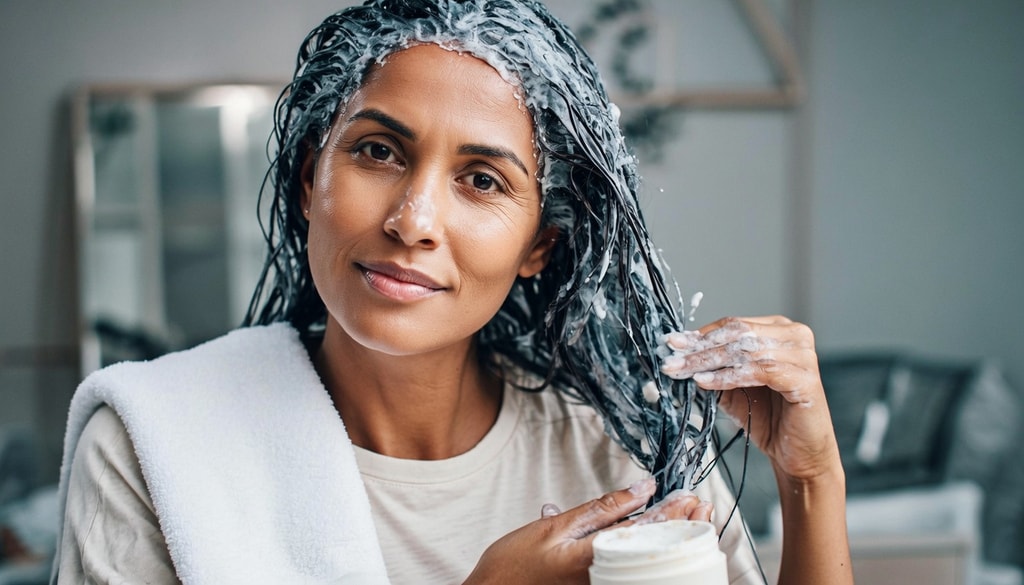
Apply nourishing DIY masks weekly, focus on tips and scalp, rinse gently to prevent frizz and breakage.
Photo Credit: iStock
How To Get the Most Out of a Deep Conditioning Treatment
Use Heat To Help the Treatment Absorb
Gentle heat opens the hair cuticle slightly and allows conditioning ingredients to penetrate more deeply than they would at room temperature. Wrapping the hair in a warm towel straight from the dryer, using a shower cap under a warm damp towel, or sitting under a hooded dryer for 20 minutes significantly improves the results of any deep conditioning mask. This is the step that separates a genuinely effective at-home treatment from one that just sits on the surface.
How Often To Deep Condition After Monsoon Damage
Once a week for the first month after the monsoon ends is a reasonable starting point for significantly damaged hair. Reduce to once every two weeks once the hair starts feeling more manageable. Over-conditioning is a real issue, particularly for fine hair, and can leave strands feeling limp and lacking in volume. The goal is restoration, not a permanent weekly ritual.
Some Deep Conditioning Products Worth Considering
1 . Moroccanoil Intense Hydrating Mask
2 . L'Oréal Paris Hyaluron Pure 72H Purifying Shampoo
3. Moroccanoil Hydrating Conditioner
4. Conscious Chemist® Full Strength Anti-Hairfall Leave-in Conditioner
5. Alps Goodness Rosemary, Hibiscus & Flaxseed Hair Gel
6. Fix My Curls Moisture Melt Deep Conditioning
7. Vedix Vardara Deep Conditioning Anti Dandruff Shampoo
8. Love Beauty And Planet Jojoba oil
In conclusion, reviving your hair after monsoon damage doesn't require expensive salon treatments consistent deep conditioning at home can work wonders. By using nourishing ingredients, hydrating masks, and maintaining a regular care routine, you can restore moisture, smoothness, and shine to your hair. With a little patience and the right approach, your strands can quickly bounce back to looking healthy, soft, and manageable again. Provide your feedback on BizChat
Frequently Asked Questions (FAQs)
1. How long should I leave a deep conditioner on for it to actually work?
Minimum 20 to 30 minutes for most store-bought treatments. When using homemade masks, first perform a patch test and avoid any ingredients that cause irritation, itching, or are difficult to wash off the scalp. People are advised to avoid the use of egg masks if they are sensitive to odour‚ scalp irritation‚ or protein overload․
2. My hair feels worse after deep conditioning. What went wrong?
Usually one of two things. If the hair feels limp and flat, the treatment was too heavy or left on too long, which is over-conditioning. If hair feels dry and rough after rinsing, the treatment may not have been given enough time or heat to absorb. Identifying whether your hair needs more moisture or more protein first helps avoid over-conditioning.
3. Can I deep condition hair that has been chemically treated or coloured?
Yes, and coloured or chemically treated hair generally needs it more than untreated hair. Stick to moisture-focused masks rather than heavy protein treatments, as chemically processed hair can become stiff and brittle with too much protein. Instead, consider using masks that contain eggs as the primary ingredient, along with honey, aloe, and oil-based treatments.
4. Does deep conditioning help with monsoon-related hair fall?
It helps indirectly. Deep conditioning reduces breakage, which is often mistaken for hair fall. If strands are snapping mid-length rather than falling from the root, better conditioning will reduce that noticeably. Actual hair fall from the scalp is a different issue and may need a separate approach addressing scalp health, diet, or underlying causes.
5. How do I know if my hair needs more protein or more moisture?
The wet stretch test is the simplest way. Take a strand of damp hair and stretch it gently. If it stretches a lot and snaps without bouncing back, it needs protein. If it snaps almost immediately with very little stretch, it needs moisture. Most post-monsoon hair in India needs both, which is why a balanced mask combining eggs or curd with a moisturising ingredient tends to work better than either one alone.
(Disclaimer: This article may include references to or features of products and services made available through affiliate marketing campaigns. NDTV Convergence Limited (“NDTV”) strives to maintain editorial independence while participating in such campaigns. NDTV does not assume responsibility for the performance or claims of any featured products or services.)