How To Select The Best Makeup Powder For Your Skin Type To Control Shine, Blur Pores And Achieve A Flawless Look
Attracted by labels like banana powder and mineral powder but don't know what they actually do? Here is a detailed breakdown of the types of makeup powders, their uses, and how to choose the right one for you.
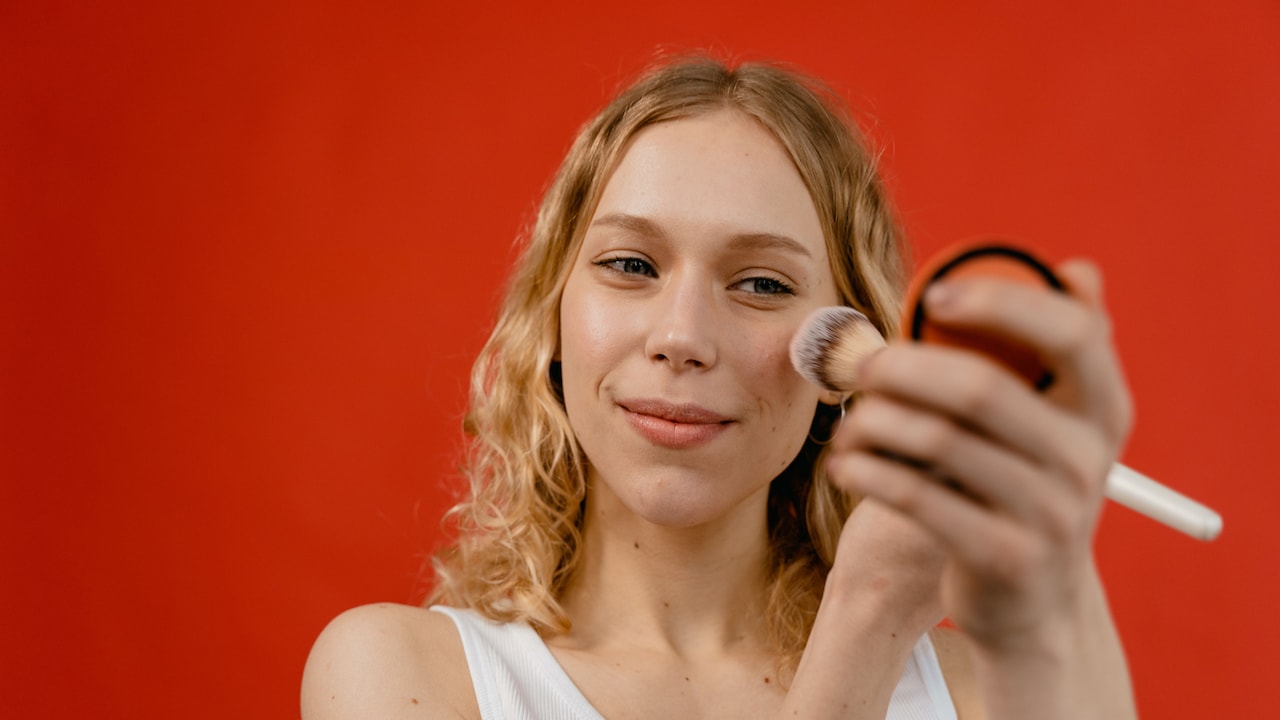
Elevate your makeup game by learning about the different types of face powders in makeup
For most people, makeup begins and ends with foundations, concealers, eyeshadow palettes, and lipsticks. As a result, face powder is often considered optional. In reality, what many people don't realise is that face powders can significantly impact the way your makeup looks, sits, feels, and lasts throughout the day. From controlling oil and shine to blurring pores, different powders are formulated to serve different purposes. However, with options ranging from banana powder and setting powder to mineral powder, the sea of options can feel confusing and neverending. Thus, it's important to understand what each type does and how to choose the best makeup powder for your routine.
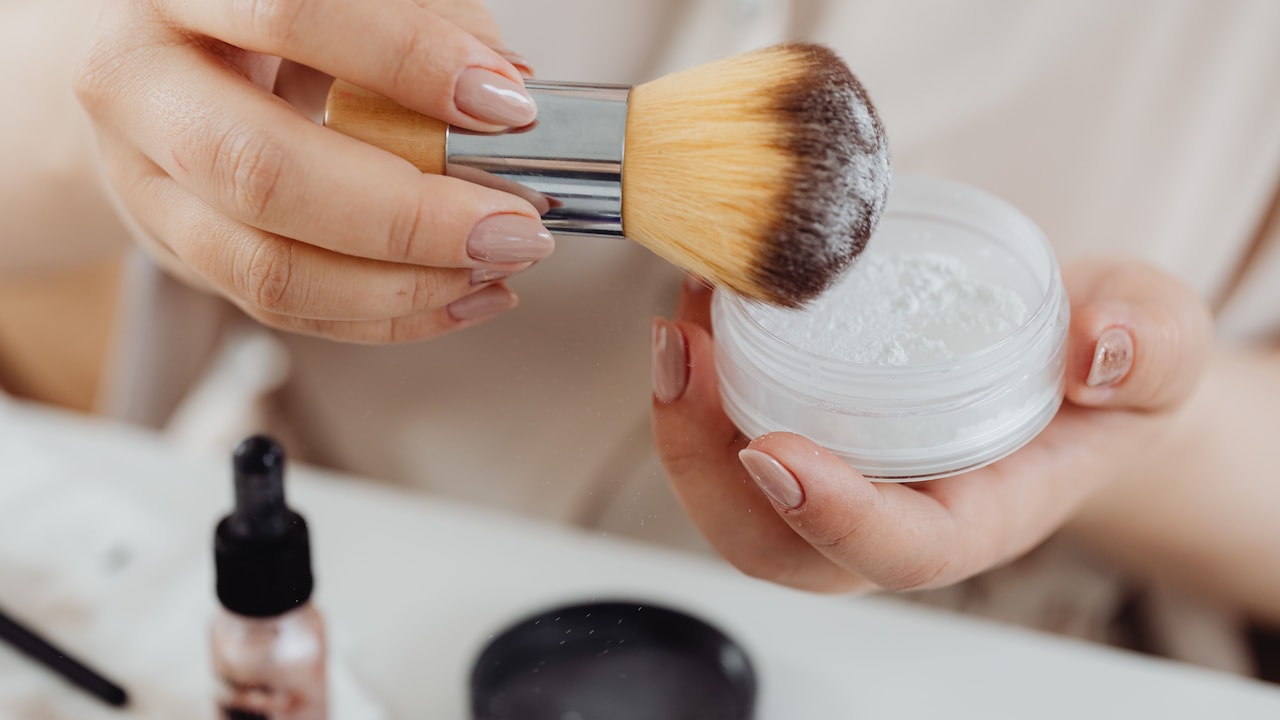
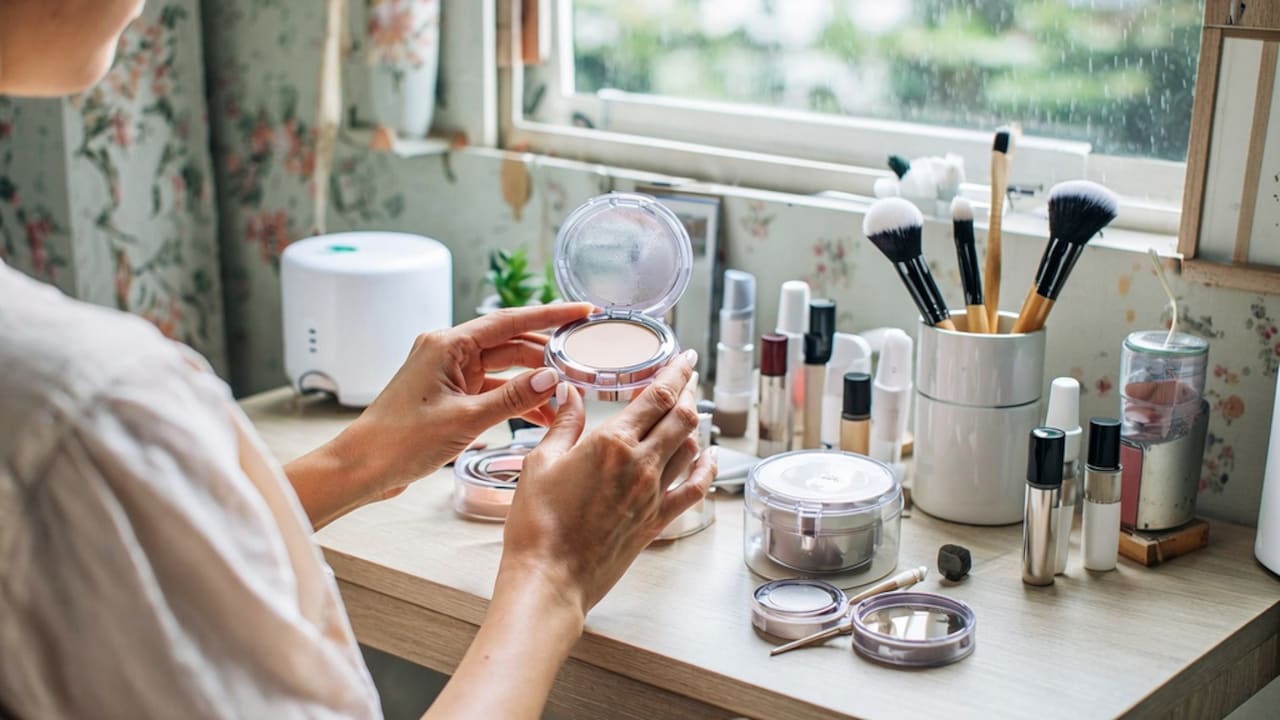
Read about the different types of makeup powders and their uses; Photo Credit: Pexels
The importance of makeup powders becomes more apparent in challenging weather conditions like summer and monsoon. These weather conditions bring excessive sweating, humidity, and increased sebum production that can compromise even the most flawless-looking base. While some powders are designed to mattify, others focus on creating a soft airbrushed finish. Here are the different types and key differences every makeup enthusiast needs to know.
Also Read: What Are The Different Types of Face Masks For effective Skin Care
Why Makeup Powder Matters
In countries like India, where temperatures range from hot afternoons to humid evenings, powder becomes indispensable in makeup. Summer can cause certain skin types to produce more sebum and look dull. That's where powders come to the rescue. They help absorb excess oil, reduce shine, and blur the appearance of pores. When applied correctly, powder can also prevent your makeup base from slipping or creasing throughout the day.
At the same time, choosing the wrong formula can do more harm than good. For instance, it can make your skin look dry and cakey, making it essential to understand the different types of powders in makeup.
Types Of Powder In Makeup
If you have ever wondered which type of powder belongs in your makeup routine, here is an easy breakdown of all the options.
1. Compact Powder
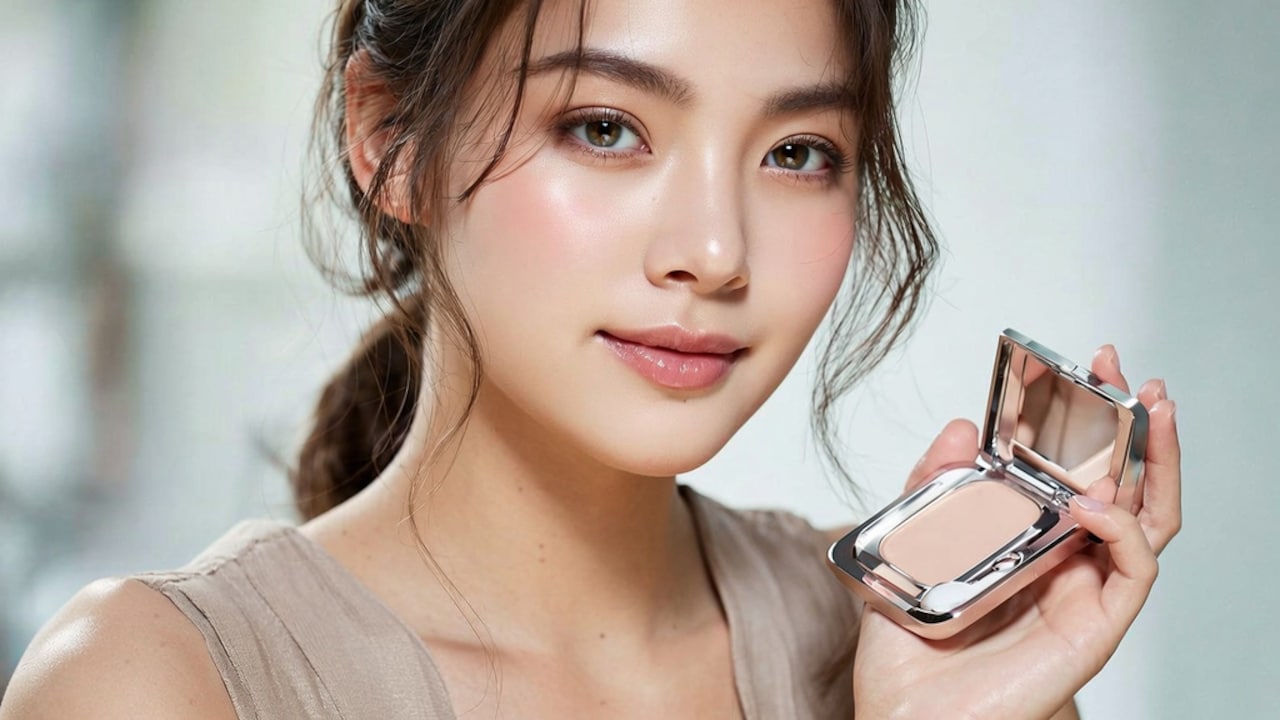
Compact powder is the most commonly used everyday essential. It refers to a finely milled powder pressed into a solid form. Designed to provide light-to-medium coverage, compact powders are best for on-the-go use. They offer quick and convenient touch-ups while helping control excess shine and oil.
Who Should Use It?
Compact powders are best for makeup beginners, college students, and anyone wanting fuss-free touch-ups. They are easy to carry around, don't spill or leak, and can help even out your skin tone in just a few dabs.
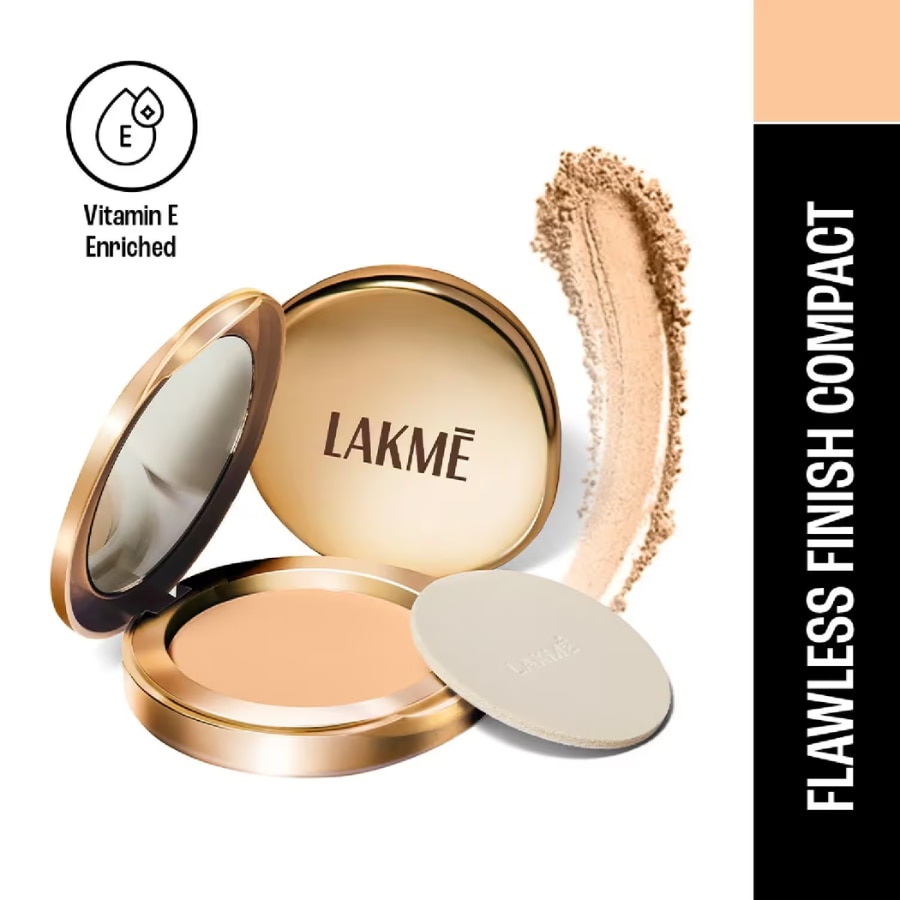
Click To Buy Lakme 9 to 5 Powerplay Matte Compact
Photo Credit: Tira
2. Loose Powder
As the name suggests, loose powder is an ultra-fine, uncompressed makeup powder that typically comes in a jar. It is generally applied using a fluffy brush or a powder puff. Designed to provide a soft, natural finish, loose powder is used to set liquid and cream products. Loose powder is especially helpful for baking and blends seamlessly into the skin.
Who Should Use It?
Loose powder is ideal for people who wear a heavy makeup base. It can help set layers of foundation, concealers, cream blushes, and other products without displacing them. Moreover, loose powder increases longevity and gives an airbrushed effect.
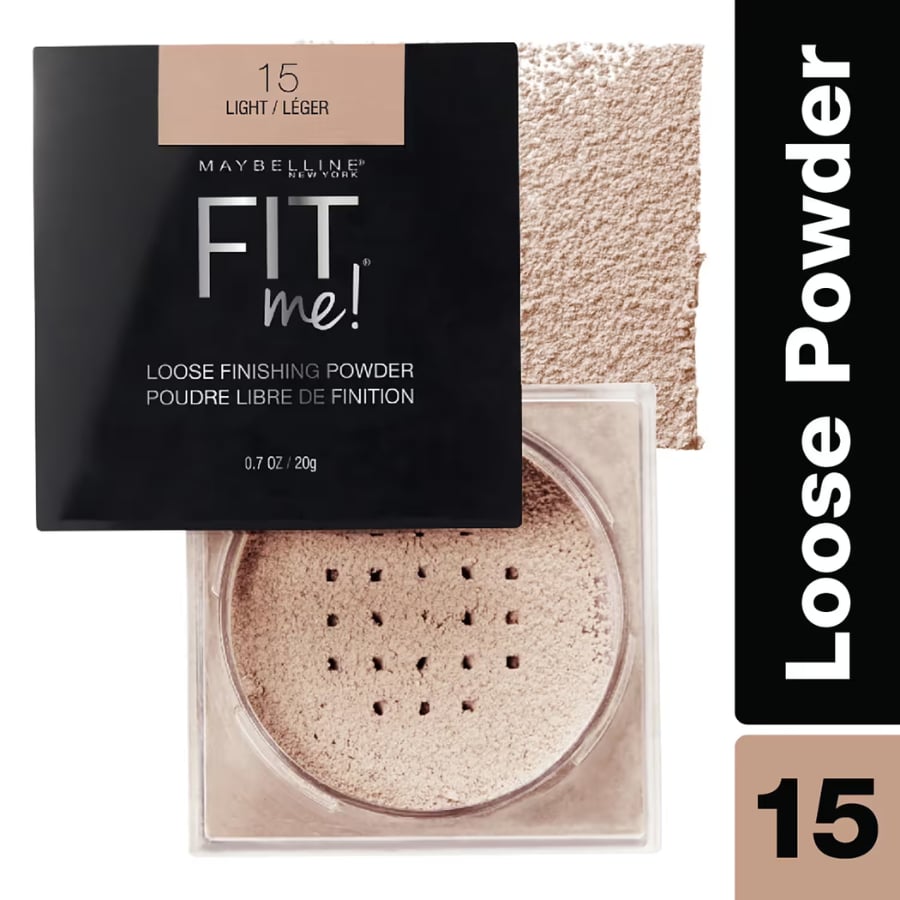
Click To Buy Maybelline New York Fit Me Loose Finishing Powder
Photo Credit: Tira
3. Setting Powder
Setting powder is generally confused with finishing powder. However, both products serve different purposes. Setting powder is used to keep your makeup in place for long hours. It prevents unwanted movement, controls shine, increases wear time, and prevents makeup transfer
Who Should Use It?
Setting powder prevents makeup from fading, creasing, or separating. If you are attending a wedding, function, or any event, a setting powder can help your makeup stay intact for hours.
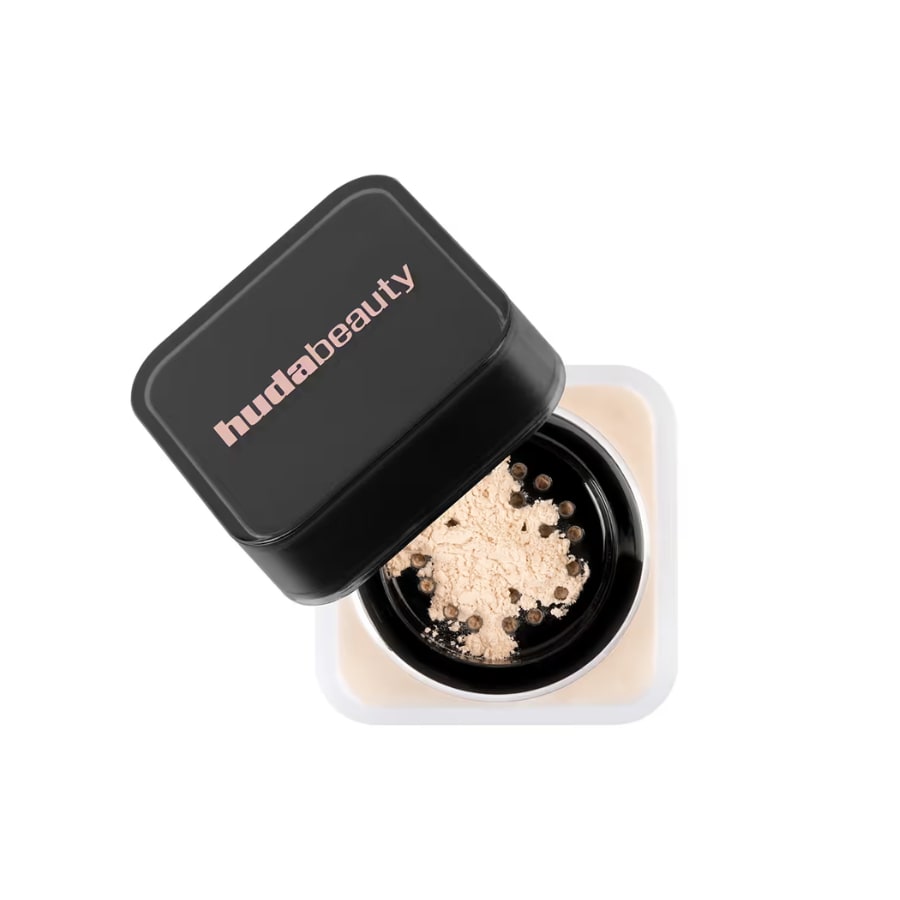
Click To Buy Huda Beauty Easy Bake Loose Powder
Photo Credit: Tira
4. Mineral Powder
Mineral powder is made from naturally occurring minerals. It is gentle on sensitive and acne-prone skin and provides light-to-medium coverage.
Who Should Use It?
Mineral powders are generally hypoallergenic and non-comedogenic, meaning that they don't clog your pores. This makes them an excellent choice for those looking for lightweight coverage without breaking out. Depending on the ingredients, mineral powders can also help soothe the skin.
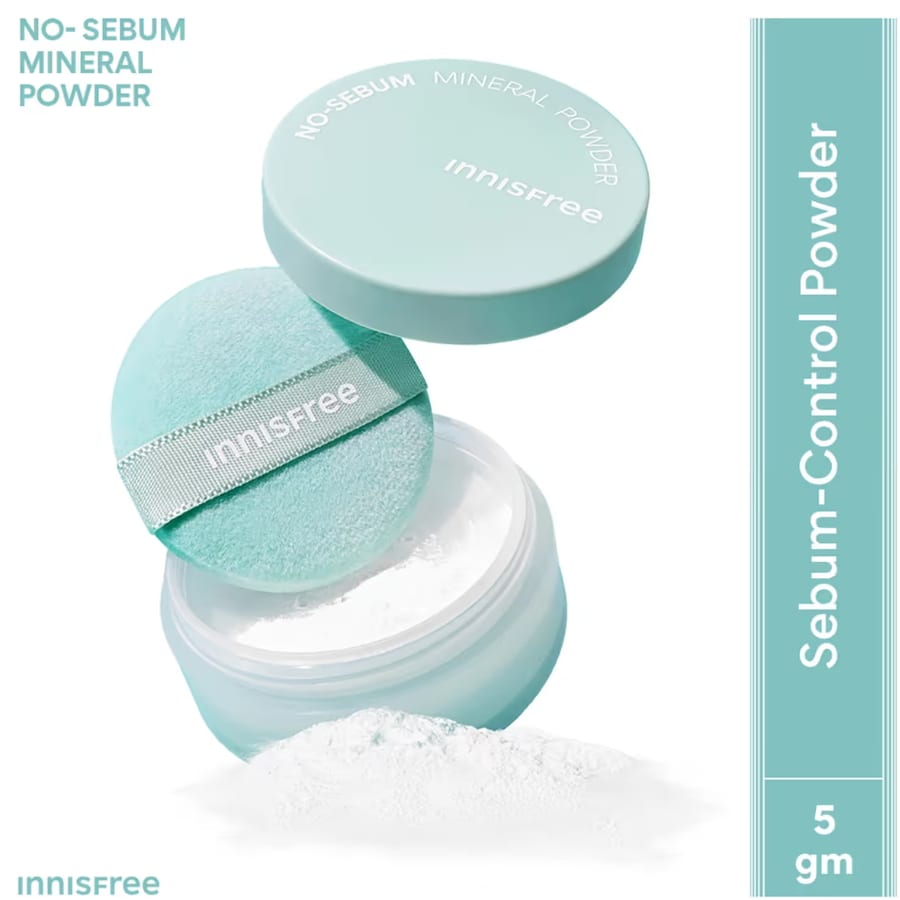
Click To Buy Innisfree No-Sebum Mineral Powder
Photo Credit: Tira
5. Banana Powder
Banana powder has a subtle yellow tint. It is commonly used to set, brighten, and colour-correct the skin for a flawless finish without leaving a noticeable white cast. Moreover, banana powder also helps conceal dark circles and blemishes.
Who Should Use It?
People with olive, warm, or golden undertones can benefit more from banana powder compared with translucent powder. The subtle yellow tint blends seamlessly and prevents the skin from looking grey or ashy.
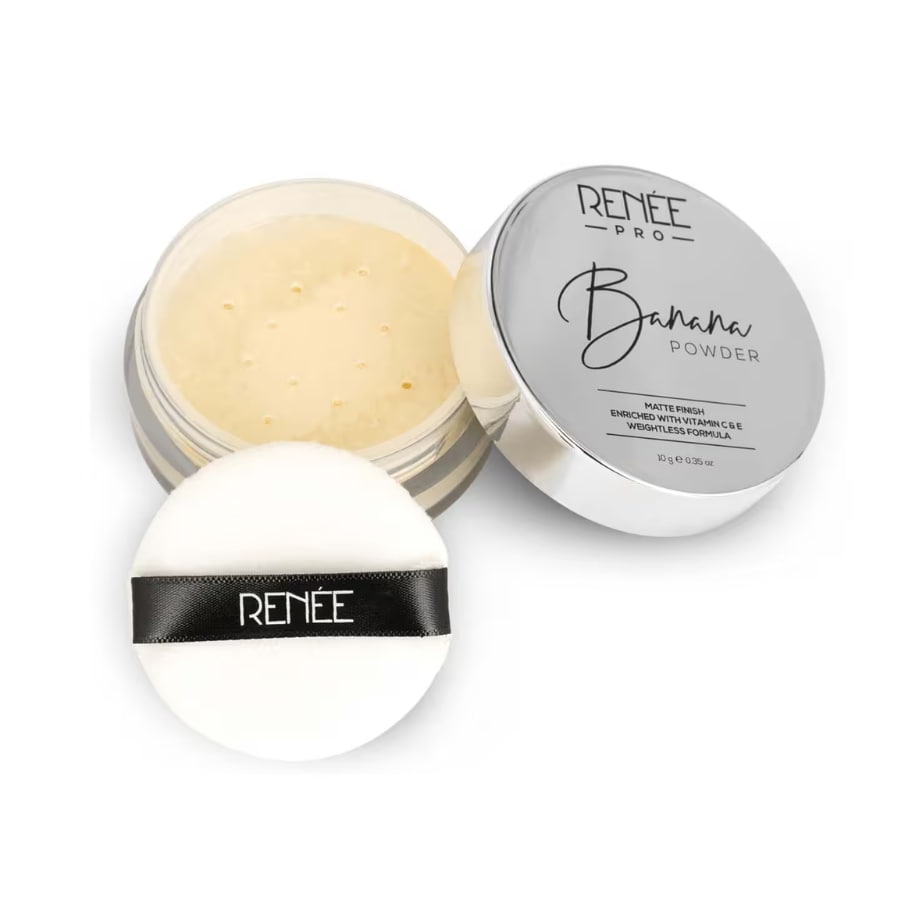
Click To Buy Renee Cosmetics Pro Banana Powder
Photo Credit: Tira
6. Finishing Powder
Finishing powder is used to give your makeup the final touch. It is applied at the end of the makeup routine and helps improve the overall appearance. Finishing powder gives an airbrushed effect, blurs pores and fine lines, and softens your skin texture.
Who Should Use It?
Finishing powder is best for prepping your skin for special events and occasions. It makes your skin look flawless for photography and gives it a soft, airbrushed effect.
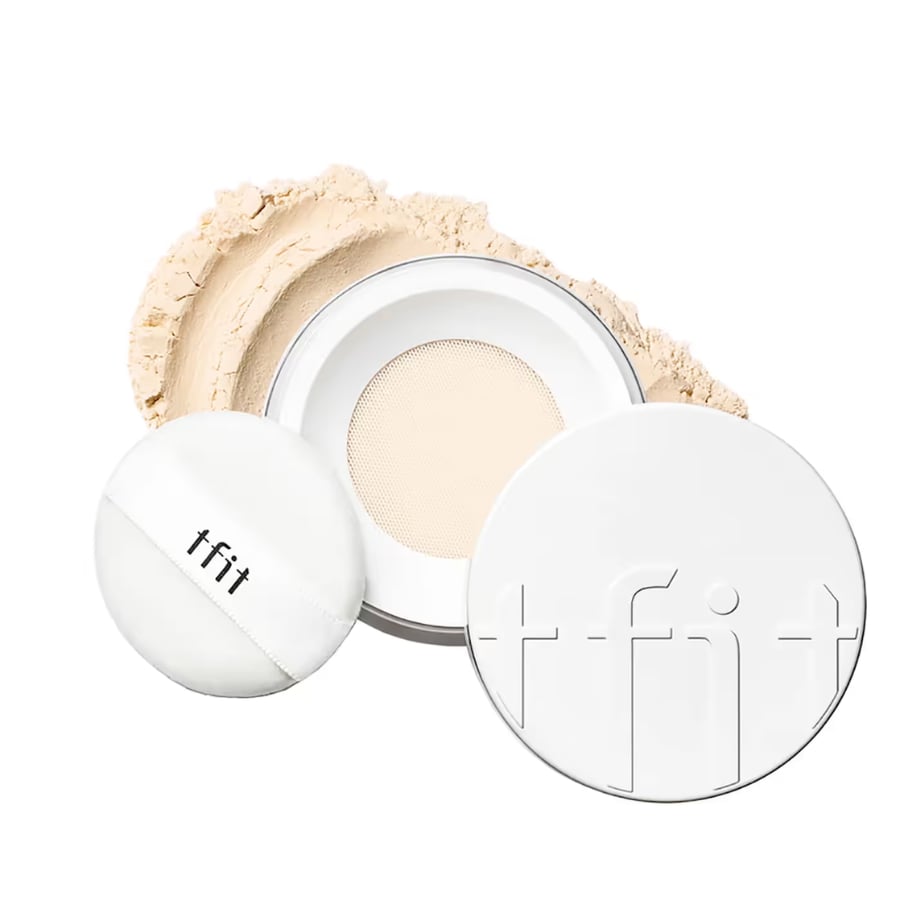
Click To Buy TFIT Translucent Set Finishing Powder
Photo Credit: Tira
How To Choose The Right Powder For Your Skin Type
| Powder Type | Skin Type | Use |
|---|---|---|
| Compact Powder | Normal, combination, oily | On-the-go touch-ups |
| Loose Powder | Oily and combination | Sets liquid and cream products |
| Setting Powder | All skin types | Increases makeup longevity |
| Finishing Powder | All skin types | Blurs pores and fine lines for an airbrushed look |
| Mineral Powder | Sensitive, acine-prone, and oily | Light coverage with breathable formulas |
| Banana Powder | Medium to deep skin tones | Brightening and colour correcting |
Common Powder Mistakes To Avoid
- Using too much face powder can make your base look dry, cakey, and unnatural
- Using the wrong shade of face powder can also make your skin look grey or ashy
- Powdering your entire face repeatedly can cause dryness and a tight, uncomfortable feeling
- Not setting your oily T-zone can cause makeup to slide easily
- Ignoring your skin type can lead to unsatisfactory results
- Skipping skin preparation before using any product can hamper the longevity of your makeup base
Finding The Right Powder Type For Every Skin Type And Occasion
Makeup powders may seem insignificant or like just another step in your makeup routine. However, they play a major role in making your makeup look stunning and last longer. From controlling oil and shine to blurring pores, the right powder can elevate your makeup game instantly. The trick is to choose the powder type based on your skin type, requirements, and weather. For instance, while compact powders work best for on-the-go touch-ups, loose powders set liquid or cream products effectively.
Luckily, well-curated beauty destinations like Tira simplify this search and provide answers worth investing in. This platform brings together an extensive range of trusted global and homegrown brands. This means you can explore various options, compare formulas, and coverage in one place. Whether you are searching for lightweight coverage or gentle mineral formulas, Tira has something for every skin type and occasion.
Frequently Asked Questions (FAQs)
1. What are the different types of makeup powder?
The most common types of makeup powder include compact powder, loose powder, setting powder, finishing powder, and mineral powder. Each product is designed to serve a different purpose and elevate your makeup game.
2. Which powder is best for makeup?
The best makeup powder depends on your skin type and specific needs. For instance, while compact powders are great for everyday touch-ups, setting powders help makeup last longer.
3. What is the purpose of powder in makeup?
Powders in makeup serve different purposes. They help set liquid and cream products, reduce shine, absorb excess oil, and improve makeup longevity. Moreover, powders also reduce the appearance of pores and fine lines.
4. When to use powder during makeup?
Powder is typically used after foundation and concealer to set the base. It is applied to the T-zone, including the nose and forehead, where sebum accumulates quickly.
5. Can I skip powder in makeup?
Yes, you can skip powder in makeup, especially if you have dry skin. It is more useful for oily and combination skin types and helps control sebum, sweat, and shine.
(Disclaimer: This article may include references to or features of products and services made available through affiliate marketing campaigns. NDTV Convergence Limited (“NDTV”) strives to maintain editorial independence while participating in such campaigns. NDTV does not assume responsibility for the performance or claims of any featured products or services.)