How To Build A Simple Monsoon Skincare Routine That Works
Build a simple monsoon skincare routine with the right cleanser, moisturiser and sunscreen. Learn how to manage oil, sweat, breakouts and humidity daily.

How To Build A Simple Monsoon Skincare Routine That Works
Monsoon brings the kind of weather that makes everything feel a little more complicated, including skincare. One minute your face feels fresh after washing, and a few hours later, humidity, sweat, and excess oil can leave it looking shiny and uncomfortable. The answer isn't a shelf full of new products. A practical monsoon skin-care routine should keep things clean, skin hydrated, and shielded, without piling on these heavy layers. It's more about staying comfortable than doing, like 10 steps every time. Here's a way to put it together that's simple enough to follow each day, even when the weather feels wet.
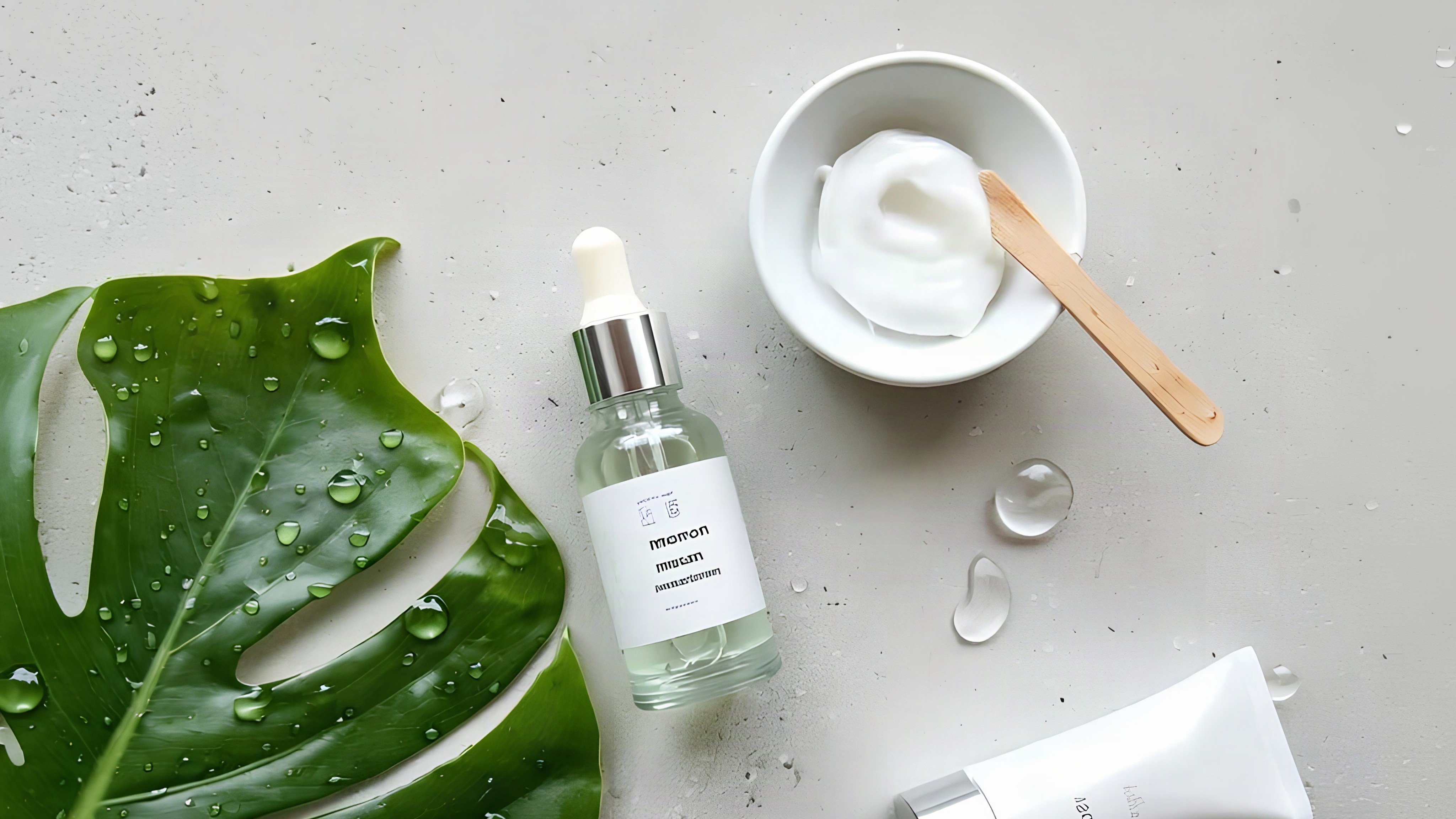
Does monsoon weather make skin more oily?; Photo Credit: iStock
Why Does Your Skin Need a Different Approach During the Monsoon?
Rainy weather brings higher humidity, which can make sweat and sebum linger on the skin. This can contribute to clogged pores, breakouts and a greasy appearance, particularly if you already have oily or combination skin.
At the same time, dry and sensitive skin still needs hydration. Over-cleansing or skipping moisturiser, even when the weather feels humid, can leave your skin feeling dehydrated and uncomfortable.
The goal, therefore, isn't to strip away every trace of oil. It is to find a balance between cleansing, hydration and protection.
Also Read: Dull And Dry Skin? Try These 5 Hydrating Moisturisers For That Dewy Glow In Winter
How To Build Your Monsoon Skincare Routine
Step 1: Start With A Gentle Cleanser
Kick off your morning and wind down routine with a cleanser that gets rid of sweat, extra oil, grime and sunscreen, without making your skin feel stretched out or tight. A gentle, soap-free mix is a solid first step for many skin types. If your skin runs oily or you're prone to acne, a salicylic acid face wash can be helpful, but try not to overdo the cleansing or rub too hard and too often.
Step 2: Add A Lightweight Serum
A serum is optional, but it can target a specific concern without making the routine feel heavy. Niacinamide is a practical choice for oily or combination skin because it can help with excess oil and the appearance of blemishes. If your skin is sensitive, introduce one active at a time rather than layering several.
Step 3: Keep Hydration In The Routine
Humidity doesn't mean your skin doesn't need moisture. Pick something lightweight, like a gel or a water-based moisturiser that feels good, not thick or kind of heavy and greasy. You can look for ingredients like hyaluronic acid and glycerin, they tend to keep skin hydrated without that more rich cream vibe, where everything feels coated.
Step 4: Don't Skip Sunscreen
Cloudy skies can make sunscreen feel unnecessary, but UV exposure doesn't disappear when the sun is hidden. Wrap up your morning habit with a broad-spectrum sunscreen, ideally the kind that feels a bit lightweight and comfortable enough to wear all the time. If you're spending time outside, go ahead and reapply the product how the label says, especially after you start sweating or after you get wet.
Step 5: Keep Your Night Routine Simple
At night, remove sunscreen, makeup and accumulated grime before applying your skincare. Cleanse gently, then apply your chosen serum, if you use one, and finish with moisturiser. You don't need a complicated overnight routine; consistency matters more than adding multiple products.
Step 6: Exfoliate, But Don't Overdo It
Exfoliation can help with dead skin cells and congestion, but monsoon weather is not an open season for scrubbing your face every single day. If your skin seems okay with chemical exfoliation, then maybe a gentle product, used only occasionally, might be plenty. Just be aware, overdoing it can mess up your skin barrier, and then any current sensitivity can get worse, kind of faster than you'd expect.
Step 7: Adjust Products To Your Skin Type
Oily skin may prefer gel textures and lightweight, non-comedogenic products, while dry skin may need a slightly richer moisturiser. Sensitive skin should generally prioritise gentle, fragrance-free formulas and avoid introducing multiple new actives at once. Your routine should respond to how your skin behaves rather than simply following a seasonal trend.
Step 8: Keep Your Skin And Accessories Clean
Skincare isn't only about what you apply. Frequently touching your face, using an unclean phone or repeatedly using damp towels and makeup tools can add unwanted dirt and microbes to the skin. Keep towels, pillowcases, makeup brushes and other items that regularly touch your face clean, and avoid picking at breakouts.
What Should You Avoid During Monsoon?
More products don't always translate into better skin. Heavy layers can feel uncomfortable in humid weather, and harsh cleansers plus frequent exfoliation can mess with the skin barrier. You know, like it starts to feel less calm, even if everything is supposed to help.
It is also worth avoiding the temptation to wash your face repeatedly whenever it feels oily. A consistent cleanser-moisturiser-sunscreen routine is usually a better foundation than constantly trying to remove every bit of shine.
If you develop persistent acne, irritation, unusual rashes or other skin concerns, it's better to consult a dermatologist instead of repeatedly changing products.
How Can You Keep The Routine Simple?
A useful way to think about your routine is cleanse, treat, moisturise and protect. Your morning routine could be kind of basic, like a cleanser, maybe a serum, then a moisturiser and sunscreen, or however you want to do it, really. At night your routine can be more about cleansing first, optional treatment second, and then moisturising, which is pretty straightforward most days.
You don't need to use every single trending ingredient either. Choose products that match your skin type, add the new things slowly, and make sure you give the whole routine enough time to actually turn into a habit.
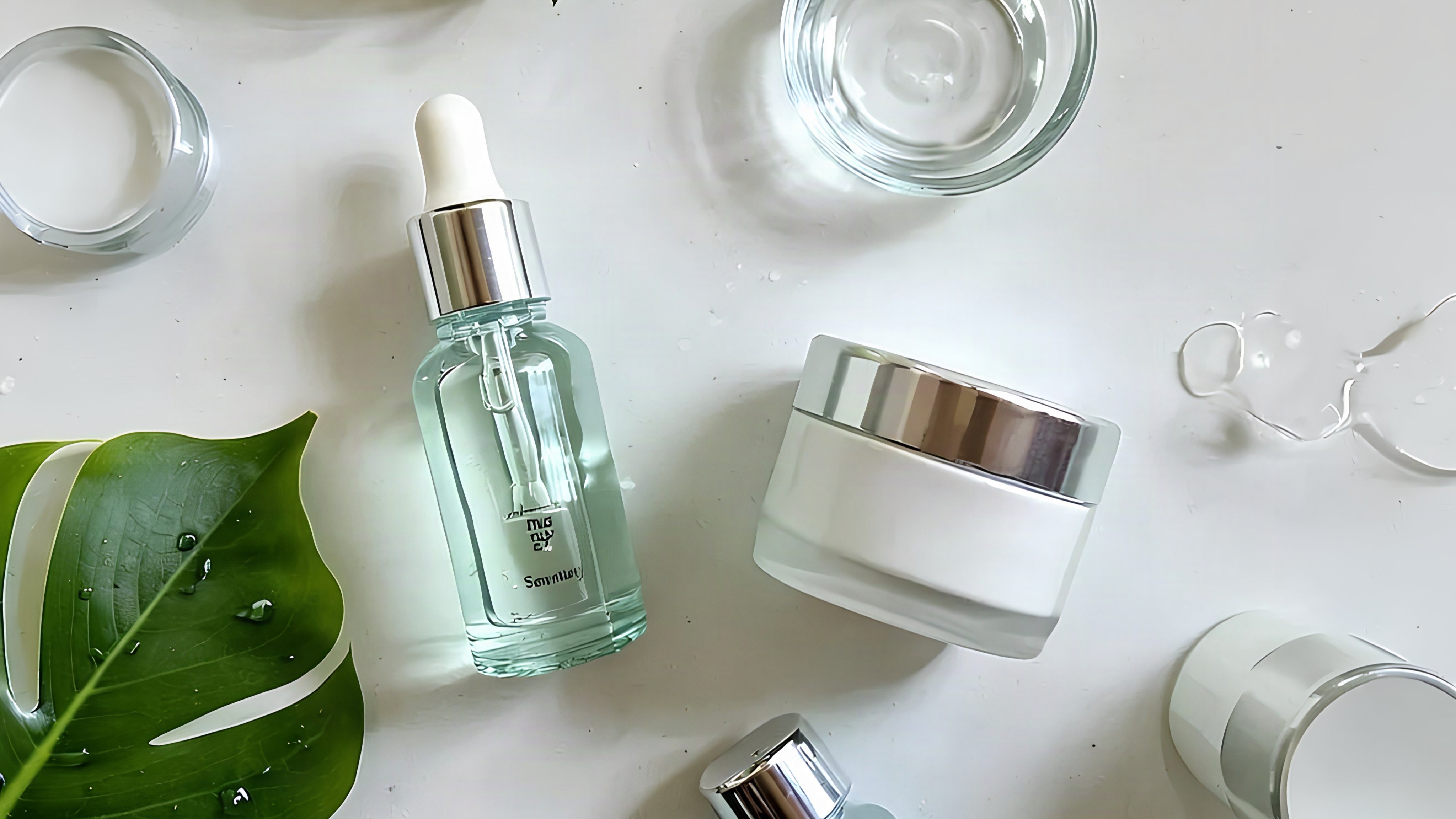
Why Does Your Skin Need a Different Approach During the Monsoon?; Photo Credit: iStock
Some Monsoon Skincare Products You May Like
1. Simple, Kind-to-Skin Refreshing Facial Wash
2. CLAYCO Matcha Enzyme Scrub with AHA & BHA
3. Plum 3% Niacinamide & Rice Water Face Toner
4. The Ordinary Glycolic Acid 7% Exfoliating Toner
5. Minimalist 10% Advanced Vitamin C Serum
6. Vitamin C + E Super Bright Gel Moisturiser
7. Pond's Super Light Gel-Oil-Free Face Moisturiser
8. Dot & Key Watermelon Cooling Sunscreen
Building a simple monsoon skincare routine doesn't have to be complicated; it's all about choosing lightweight, effective products and staying consistent. By focusing on gentle cleansing, hydration without heaviness, and protection from humidity-related issues, you can keep your skin fresh, balanced, and breakout-free. Start small, listen to your skin's needs, and adjust as required because even in the stickiest weather, healthy, glowing skin is totally achievable with the right routine. Shop now on Amazon.
Frequently Asked Questions (FAQs)
1. Does monsoon weather make skin more oily?
It can. More humidity, a bit of sweat, and higher sebum levels can make the skin feel like it's more slick, and it can lead to pores getting clogged, especially if you have oily skin and you're prone to acne.
2. Should I use moisturiser during the monsoon?
Yes. Even oily skin still needs hydration, and a lightweight gel or water-based moisturiser can give moisture without feeling too heavy or sticky.
3. Can I skip sunscreen on cloudy or rainy days?
No, UV exposure still can happen even with cloud cover there, so sunscreen should stay in your morning routine, like it always was.
4. How often should I exfoliate during the monsoon?
There is no single best frequency, but mild exfoliation once or twice a week is enough for many people. Avoid frequent or aggressive exfoliation, especially if your skin becomes irritated or sensitive.
5. What is the best skincare routine for oily skin during the monsoon?
Keep it lightweight: cleanse gently, use a suitable serum if needed, moisturise with a non-heavy formula and finish with sunscreen in the morning. The exact products should depend on your skin's tolerance and concerns.
(Disclaimer: This article may include references to or features of products and services made available through affiliate marketing campaigns. NDTV Convergence Limited (“NDTV”) strives to maintain editorial independence while participating in such campaigns. NDTV does not assume responsibility for the performance or claims of any featured products or services.)