Hair Mask Vs Conditioner: Do You Really Need Both In One Routine?
Conditioner handles everyday softness and detangling, while a hair mask offers deeper care for dry or damaged strands. Here’s how to decide whether your routine needs one or both.
Hair Mask Vs Conditioner: Do You Really Need Both In One Routine?
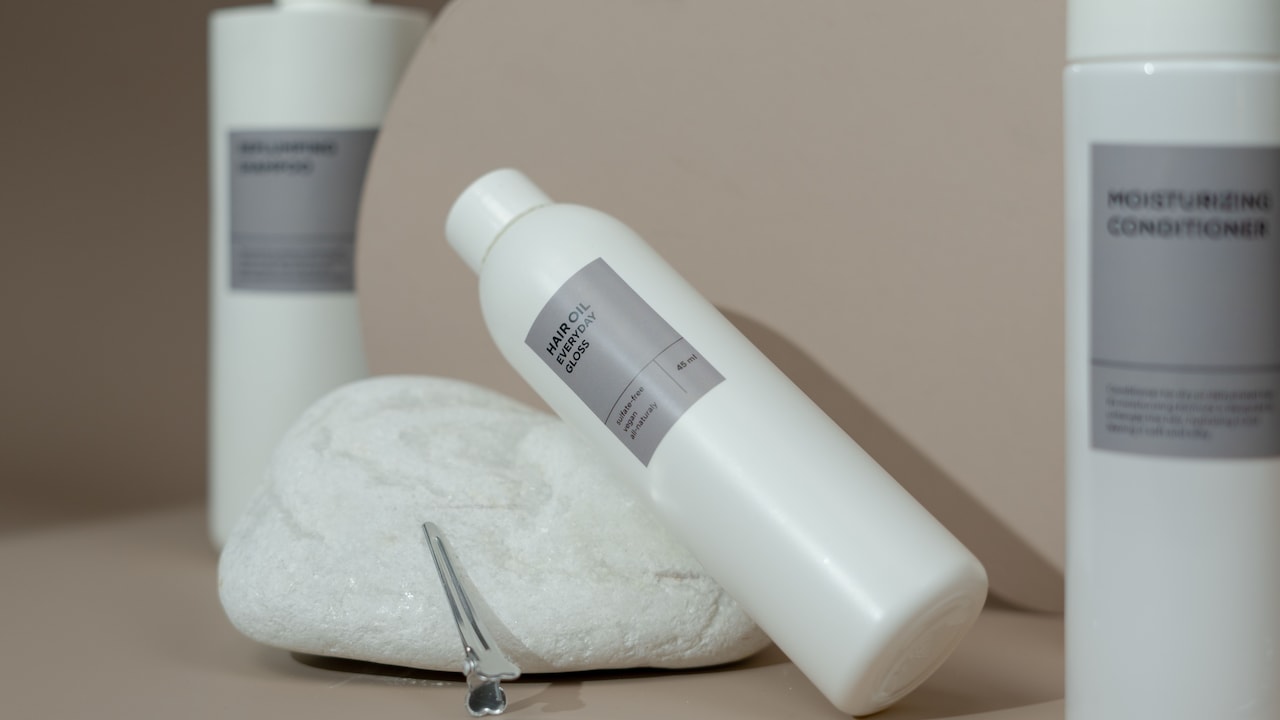
Hair care often starts simply. Shampoo goes on, conditioner follows, and everyone gets on with the day. Then hair masks enter the picture, promising softer lengths, fewer split ends, smoother texture and salon-like shine. Suddenly, the humble shower shelf starts looking crowded. The confusion makes sense. Conditioner and hair masks share several ingredients and often make similar claims. Both soften hair. Both reduce roughness. Both can make combing easier. Yet they differ in strength, texture, purpose and frequency of use. The right choice depends on hair type, damage level, weather, styling habits and even water quality. Someone with short, healthy hair may need only a light conditioner. Someone dealing with bleached ends, humid weather or frequent heat styling may benefit from both.
Hair Mask Vs Conditioner: Do You Really Need Both In One Routine?
Photo Credit: Pexels
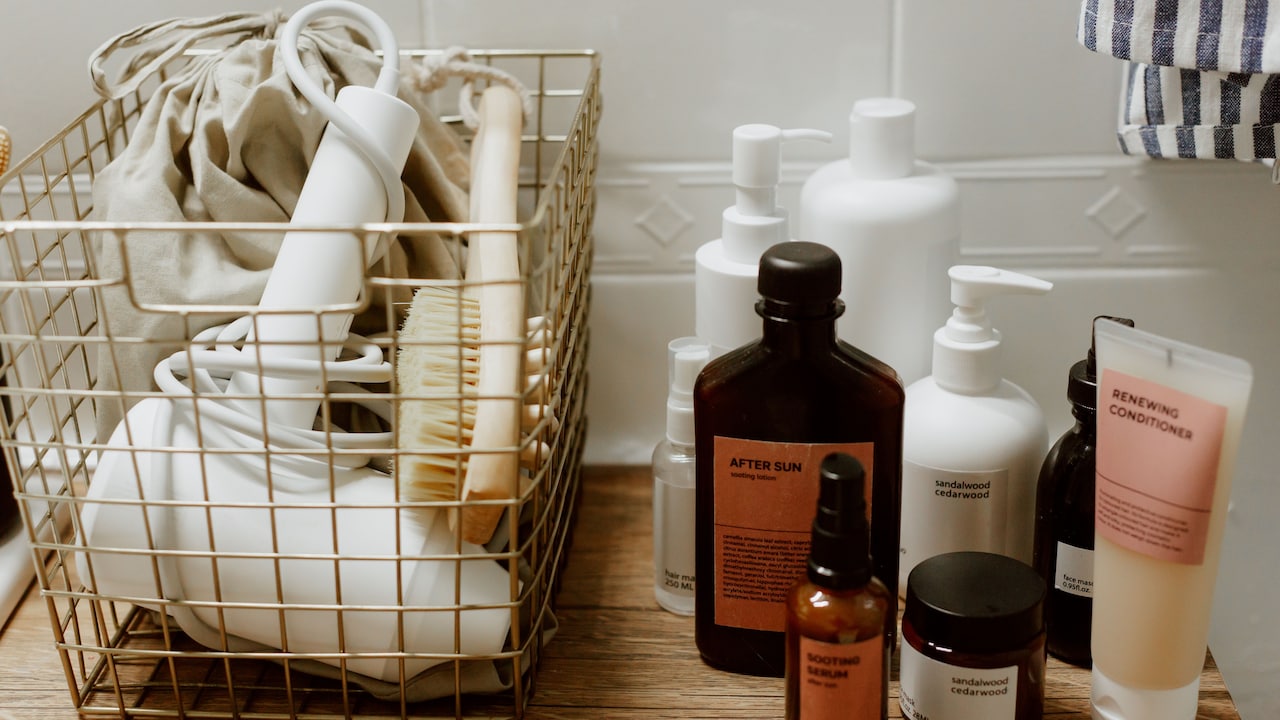
There is no need to follow an elaborate routine simply because social media says so. Hair does not need ten products and a motivational speech. It needs the right level of care. Understanding what conditioner and hair masks actually do makes that decision much easier.
Understanding The Difference Before Choosing Your Routine
1. Conditioner Handles Everyday Maintenance
Conditioner works like the dependable friend who quietly sorts out small problems before they become dramatic. Shampoo removes oil, sweat, dust and product build-up, but it can also leave the hair cuticle slightly raised. That rough surface causes tangles, dullness and friction.
Conditioner smooths the outer layer of the hair and adds slip. This makes strands easier to detangle and less likely to snap while brushing. It also helps hair feel softer and look shinier after washing.
Most conditioners have a lightweight texture designed for regular use. They usually sit on the hair for one to three minutes, which suits rushed mornings and bucket-bath schedules alike. Apply the product mainly from mid-lengths to ends rather than directly on the scalp.
Healthy or mildly dry hair may find this daily maintenance enough. A good conditioner can control frizz, reduce static and improve manageability without making hair heavy. Think of it as routine upkeep, much like sweeping the floor regularly instead of waiting for the entire house to resemble a storeroom.
2. Hair Masks Offer More Intensive Care
A hair mask provides deeper conditioning than an everyday conditioner. It usually contains a richer mix of oils, butters, proteins, fatty alcohols and smoothing agents. The thicker formula stays on the hair longer, often between five and twenty minutes.
This extra time allows the product to coat the strands more thoroughly. Some masks also help temporarily fill rough areas along damaged hair, making the texture feel smoother. The effect can feel especially noticeable on dry, porous or chemically treated lengths.
Hair masks do not permanently repair split ends or rebuild damaged hair from the inside. No product can glue a severely split strand back together forever. A trim remains the most honest solution. However, a mask can improve softness, flexibility and appearance between salon visits.
A weekly mask can feel like a small rescue session after heat styling, colouring, sun exposure or a week of wrestling with hard water. It is less like everyday moisturiser and more like an intensive treatment. Useful, comforting and effective, but not always necessary after every single wash.
3. The Biggest Difference Lies In Concentration
Conditioner and hair masks often contain similar types of ingredients, which explains why their labels can sound almost identical. The key difference lies in concentration, texture and intended contact time.
Conditioners usually contain enough smoothing ingredients to soften hair quickly without leaving too much residue. Hair masks tend to use richer blends that cling to strands for longer. This can make a mask more effective for coarse or damaged hair, but also too heavy for fine or oily hair.
The thicker texture does not automatically mean better results. Hair responds to balance, not excess. Applying a rich mask to healthy, low-porosity hair may leave it limp, greasy or strangely stiff. More product can also create build-up, especially when shampooing gently or using heavy styling creams.
Product labels offer clues. Words such as “daily”, “lightweight” and “detangling” usually point towards regular conditioner. Terms such as “intense repair”, “deep nourishment” and “bond care” often appear on masks.
Choosing between them resembles choosing between a light snack and a full thali. Both serve a purpose, but having the heavier option every time may feel unnecessary.
Also Read: Shopsy GOAT Sale: Top 5 Hair Colours Under ₹1,000 For Every Hair Type
4. Hair Type Should Guide The Routine
Hair type plays a major role in deciding whether both products belong in the routine. Fine, straight hair often needs lightweight conditioning because rich formulas can flatten the roots and reduce volume. In that case, a regular conditioner after most washes and an occasional mask may work well.
Thick, coarse or curly hair generally loses moisture more quickly. Its natural oils take longer to travel down bends and spirals, leaving the ends vulnerable to dryness. Using conditioner regularly and a mask once a week can help maintain softness and definition.
Wavy hair often sits somewhere in between. Too little moisture creates frizz, while too much makes waves droop. A light conditioner and a mask every ten to fourteen days may offer better balance.
Scalp type matters too. An oily scalp does not always mean oily ends. Long hair can have greasy roots and parched tips at the same time, a combination that feels unfair but remains common. Conditioner and masks should target the lengths rather than the scalp unless the product specifically states otherwise.
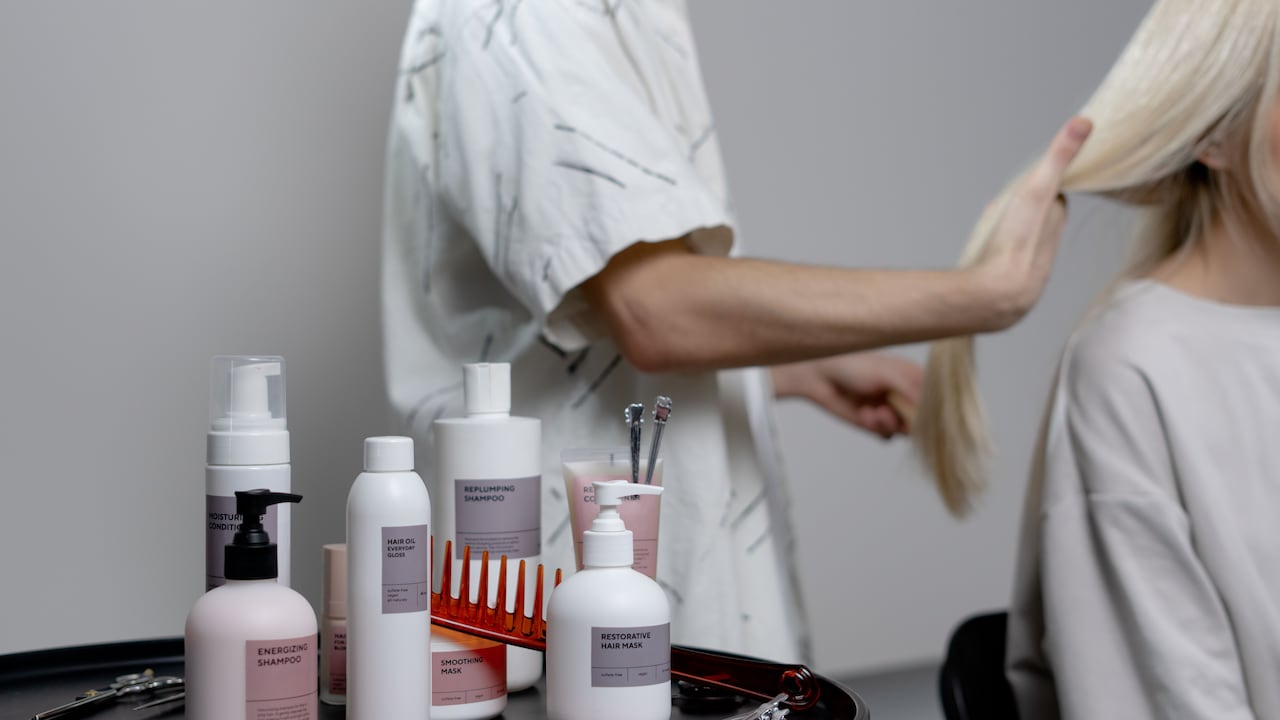
The best routine follows the hair's behaviour, not a trend.
Hair Mask Vs Conditioner: Do You Really Need Both In One Routine?
Photo Credit: Pexels
5. Damage Changes What Hair Needs
Healthy hair usually needs less intervention. Damaged hair, however, often benefits from an extra layer of care. Colouring, bleaching, straightening, rebonding and frequent heat styling can weaken the cuticle and increase porosity.
Porous hair absorbs water quickly but also loses moisture faster. It may feel rough, look dull and tangle at the slightest breeze. Conditioner can manage the daily symptoms, while a mask provides stronger support once or twice a week.
Protein-based masks may help hair that feels overly soft, stretchy or weak after chemical treatments. Moisturising masks suit hair that feels dry, rigid or frizzy. Using too much protein can make some hair feel hard, so alternating between strengthening and moisturising formulas may produce better results.
Heat protection also matters. A hair mask cannot cancel out repeated use of straighteners at the highest setting. It supports damaged hair, but prevention remains essential.
Those who colour their hair for ₹2,000 or spend ₹8,000 on a smoothing treatment may see a good mask as sensible maintenance. After all, protecting the result costs less than correcting fresh damage.
6. Climate And Water Quality Matter
Weather can turn a reliable hair routine upside down. During humid months, hair may swell, frizz and lose shape. In dry winters, it can feel brittle and static. Strong sunlight and pollution can also leave the lengths dull and rough.
Conditioner helps manage these daily changes by smoothing the hair after each wash. A mask offers extra nourishment when weather-related dryness becomes more noticeable.
Water quality creates another challenge. Hard water contains minerals that can build up on the hair, making it feel coated, stiff or difficult to manage. Adding more conditioner may not solve the problem because the issue comes from deposits rather than a simple lack of moisture.
A clarifying or chelating shampoo used occasionally can help remove build-up, followed by a moisturising mask. Regular conditioner can then maintain softness between deeper washes.
The same product may behave differently in Mumbai humidity, Delhi winter or Bengaluru's hard water. Hair care does not happen in a laboratory with perfect conditions. It happens during sweaty commutes, rushed mornings and unpredictable monsoons. Adjusting the routine with the season often works better than staying loyal to one fixed formula all year.
7. Using Both Does Not Mean Using Both Daily
Needing both conditioner and a hair mask does not mean layering them after every shampoo. For most people, that approach adds unnecessary weight and wastes product.
Conditioner suits regular use because it works quickly and rinses easily. A hair mask usually replaces conditioner once a week or once every few washes. Applying conditioner after a mask may help extremely dry hair, but many formulas already provide enough slip and softness on their own.
Start with shampoo, squeeze out excess water and apply the mask to damp lengths. Hair that drips heavily can dilute the formula and reduce its effectiveness. Leave the mask on for the recommended time, then rinse thoroughly.
On regular wash days, use conditioner instead. This simple rotation gives hair consistent care without coating it in layers of rich product.
Frequency should remain flexible. Damaged hair may benefit from a mask twice a week, while fine hair may need one only twice a month. Pay attention to how the hair feels after drying. Soft, bouncy hair signals balance. Flat, greasy or stiff hair usually asks for less.
8. More Product Does Not Guarantee Better Hair
Hair care marketing often suggests that every concern needs a separate jar. Dryness gets one mask, frizz gets another, breakage gets a third, and suddenly the bathroom shelf looks ready for wholesale distribution.
Using generous amounts may feel luxurious, but hair can absorb only so much. Excess conditioner or mask may cling to the strands, attract dust and make the scalp feel oily sooner. It can also reduce curl definition and volume.
A coin-sized amount may suit short or fine hair. Longer, thicker hair may need more, but the product should still spread evenly rather than sit in visible blobs. Sectioning the hair helps distribute it properly and prevents wastage.
Price does not always predict performance either. A ₹300 conditioner that matches the hair type can work better than a ₹2,500 mask filled with ingredients the hair does not need. Texture, formulation and consistency matter more than fancy packaging.
The goal is not to make hair feel slippery inside the shower. The real test comes after drying. Hair should feel smooth, flexible and clean, not coated like it has been dipped in candle wax.
9. Common Mistakes Can Reduce The Benefits
Even an excellent product can disappoint when used incorrectly. Applying conditioner or a rich mask directly to an oily scalp may lead to heaviness, itching or faster greasiness. Most formulas work best from the mid-lengths to the ends.
Rinsing too quickly creates another problem. Conditioner needs at least a minute or two to spread and smooth the hair. A mask needs the full time mentioned on the pack. Leaving it overnight, however, does not necessarily improve results and may irritate the scalp or overload the strands.
Using a mask on soaking-wet hair can also reduce its impact. Gently squeeze out water first. There is no need to rub the hair aggressively with a towel, as wet strands break more easily.
Another common mistake involves choosing products only by fragrance. A mask that smells like a tropical holiday may still leave fine hair flat. Ingredient balance and hair type should come before perfume.
Finally, switching products every week makes it hard to judge results. Give a routine several washes before deciding. Hair rarely transforms after one dramatic Sunday spa session, despite what glossy advertisements suggest.
10. So, Do You Really Need Both?
Not everyone needs both conditioner and a hair mask. Healthy, short or low-maintenance hair may stay soft and manageable with conditioner alone. Adding a mask in that situation may offer a pleasant treat but not a major necessity.
Dry, curly, coloured, chemically treated or heat-damaged hair often benefits from using both. Conditioner handles regular detangling and smoothing, while the mask gives occasional intensive support.
The easiest way to decide involves watching the hair rather than following rigid rules. If conditioner leaves the ends soft and manageable until the next wash, the routine may already be enough. If the hair still feels rough, tangled or brittle, a weekly mask could help.
Try introducing one mask every seven to ten days and observe the results. If hair becomes softer without losing volume, the frequency probably suits it. If it turns flat or greasy, reduce usage or choose a lighter formula.
Hair care should feel useful, not exhausting. A routine does not earn extra marks for having more steps. The best routine uses only what the hair genuinely needs and leaves enough time for everything else.
Hair Mask Vs Conditioner: Do You Really Need Both In One Routine?
Photo Credit: Pexels
Products Related To This Article
1. TRESemme Keratin Smooth Mask 300ml With Keratin Protein and Argan Oil
2. Love Beauty & Planet Argan Oil and Lavender Paraben Free Smooth and Serene Conditioner
3. L'Oréal Professionnel Absolut Repair Mask for Dry & Damaged Hair
4. TRESemme Keratin Smooth Conditioner 190ml With Keratin Protein and Argan Oil
5. Love Beauty And Planet Argan Oil & Lavender Magic Mask for Smooth Frizz Free Hair
6. Bare Anatomy Anti-Dandruff Hair Conditioner with Biotin & Rosemary
7. Kérastase Gloss Absolu Crème Anti-Frizz Mask For Bouncy
Conditioner and hair masks do not compete for the same job. Conditioner provides regular maintenance by smoothing, softening and detangling hair after shampooing. A mask offers richer, more concentrated care when strands need extra support.
Many people can use both without complicating their routine. Conditioner can follow most washes, while a mask can replace it once a week or a few times a month. Others may find that one well-chosen conditioner does everything their hair needs.
Hair type, damage, climate, water quality and styling habits should guide the decision. No universal schedule works for everyone, and no product can reverse severe damage completely.
A sensible routine feels balanced. Hair should look healthy, feel flexible and remain easy to manage without becoming limp or coated. Choose products based on real results rather than dramatic promises. After all, good hair care should make life simpler, not turn every wash day into a three-hour festival.
(Disclaimer: This article may include references to or features of products and services made available through affiliate marketing campaigns. NDTV Convergence Limited (“NDTV”) strives to maintain editorial independence while participating in such campaigns. NDTV does not assume responsibility for the performance or claims of any featured products or services.)