How To Pick A Hair Serum That Controls Frizz Without Making Hair Greasy
Pick a hair serum that tames frizz, adds shine and keeps hair light. This is how to choose the right formula for smooth, manageable hair without the greasy, flat finish.
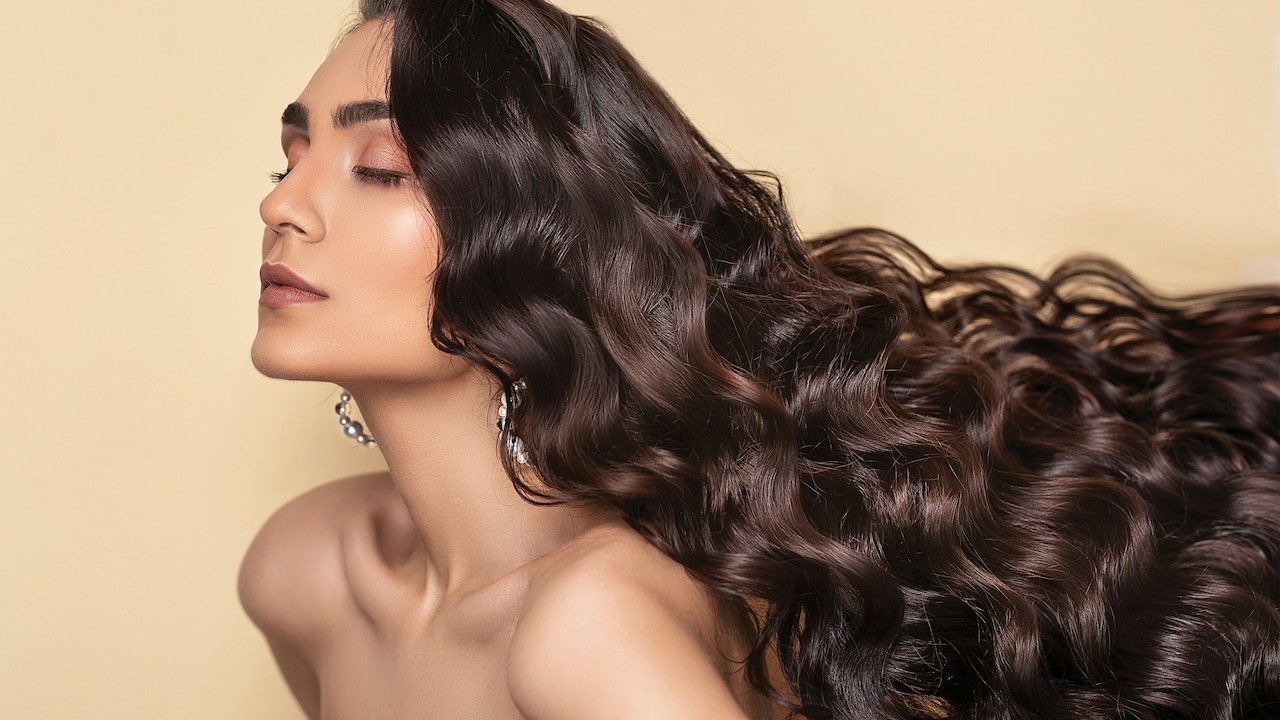
Best Tips To Pick A Hair Serum That Controls Frizz Without Greasiness
Frizz has a talent for appearing at the worst possible time. It shows up before a work meeting, during a wedding function, after a quick auto ride, or just when the monsoon breeze decides to act romantic in films but chaotic in real life. Many people reach for hair serum because it promises instant smoothness. Yet the same tiny bottle can either rescue your hair or make it look limp, sticky and tired. The trick lies in choosing wisely. Hair serum is not a one-size-fits-all product. Fine, straight hair needs something different from thick, wavy hair. Coloured hair has its own needs. Dry ends ask for nourishment, while oily roots demand restraint. A good serum works like a light raincoat for your strands. It seals moisture, softens roughness and keeps frizz from taking over, without sitting heavily on the scalp. The best part? You do not need a luxury salon budget to find one. Plenty of serums under ₹500 and ₹1,000 can do a neat job when the ingredients, texture and usage match your hair. The goal is simple: shine, softness and control, not a greasy curtain of hair stuck to the cheeks.
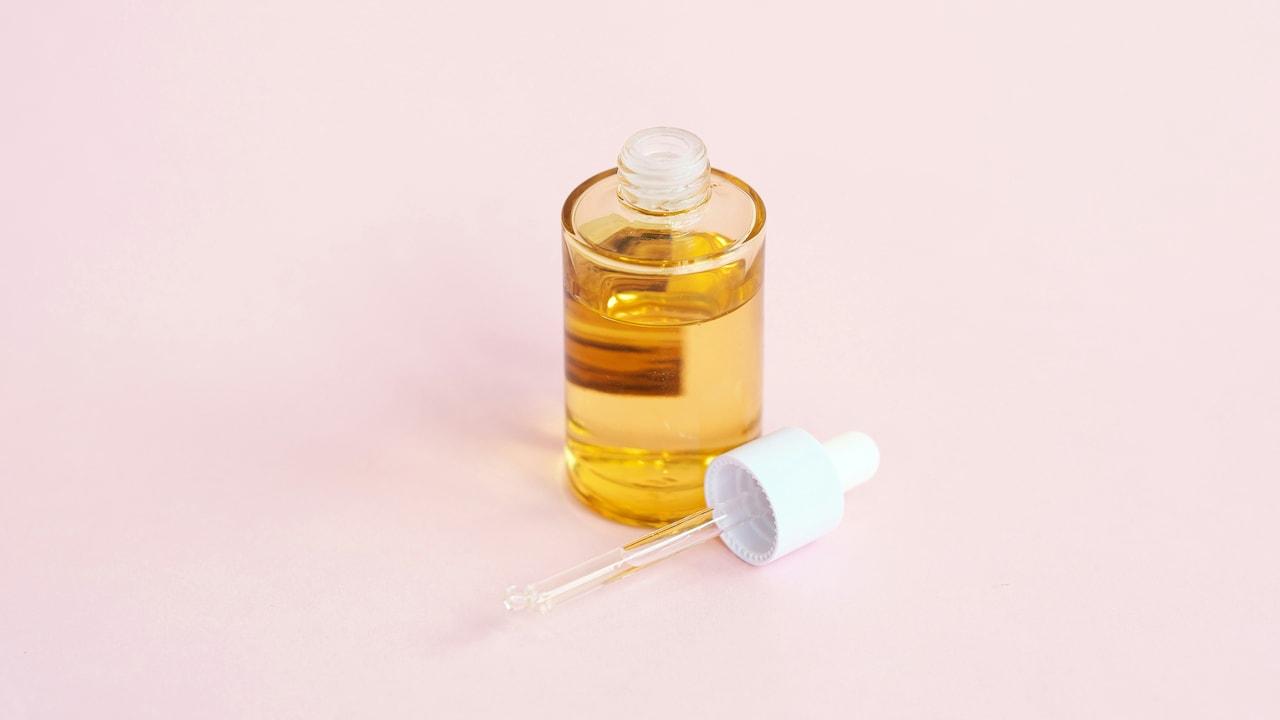
Best Tips To Pick A Hair Serum That Controls Frizz Without Greasiness; Photo Credit: Pexels
How To Choose The Right Hair Serum For Frizz-Free, Non-Greasy Hair
Understand Your Hair Type Before Buying
A serum that works beautifully for your cousin's thick curls may make your fine hair look like it skipped shampoo day. Before choosing any product, look at your hair type. Fine hair gets weighed down quickly, so it needs a lightweight, watery or gel-like serum. Thick, coarse or curly hair usually needs a richer formula that can tame dryness and give stronger frizz control.
Hair texture also matters. Straight hair often shows oiliness faster, especially near the crown. Wavy hair may need frizz control through the lengths without losing movement. Curly hair needs slip and moisture because every bend in the strand can lose hydration more easily. Dry, chemically treated or coloured hair may feel rough, so it benefits from smoothing ingredients that add shine and protection.
Climate plays a role too. In humid cities, frizz often comes from moisture in the air entering the hair shaft. In dry regions, hair may puff up because it lacks hydration. Pick the serum for your actual hair behaviour, not for the glossy promise on the bottle.
Also Read: Top 5 Anti-Frizz Hair Serums Under ₹500 For Summer
Choose Lightweight Textures For Daily Use
Texture can make or break a serum. A heavy, oily serum may look lovely for five minutes, then turn hair flat before lunch. For daily use, lightweight textures usually work better. Look for words such as “light”, “non-greasy”, “weightless”, “smooth finish” or “daily serum” on the pack. These formulas spread easily and give control without coating the hair too heavily.
A serum should disappear into the strands after application. It should not leave hands slippery for ages or make the hair clump together. When testing a serum in a shop, rub a small amount between the fingers. If it feels sticky or thick even after a few seconds, it may feel heavy on fine or oily hair. If it feels silky and spreads quickly, it has a better chance of giving a soft finish.
Daily serum should behave like a quiet helper, not a loud guest at a family function. It should smooth the hair, add a hint of shine and then step aside. Save richer textures for special styling days or very dry ends.
Look For Frizz-Fighting Ingredients
Ingredients can sound confusing, but a few names are worth knowing. Silicones such as dimethicone, cyclopentasiloxane and amodimethicone often appear in hair serums because they coat the strand, reduce friction and add shine. Many people fear silicones, but they are not automatically bad. In the right amount, they help control frizz and protect the hair from humidity. The problem starts when the formula feels too heavy or when build-up collects over time.
Light oils can also help. Argan oil, jojoba oil, grapeseed oil and almond oil offer shine and softness. However, oil-based serums suit dry or thick hair better than fine, oily hair. Keratin, ceramides, amino acids and vitamin E can support smoother-looking strands, especially when hair feels rough after colouring, straightening or regular heat styling.
Avoid choosing a serum only because one trendy ingredient appears in bold letters. A good formula balances smoothness and lightness. The serum should control flyaways, not behave like a mini oil champi trapped in a fancy bottle.
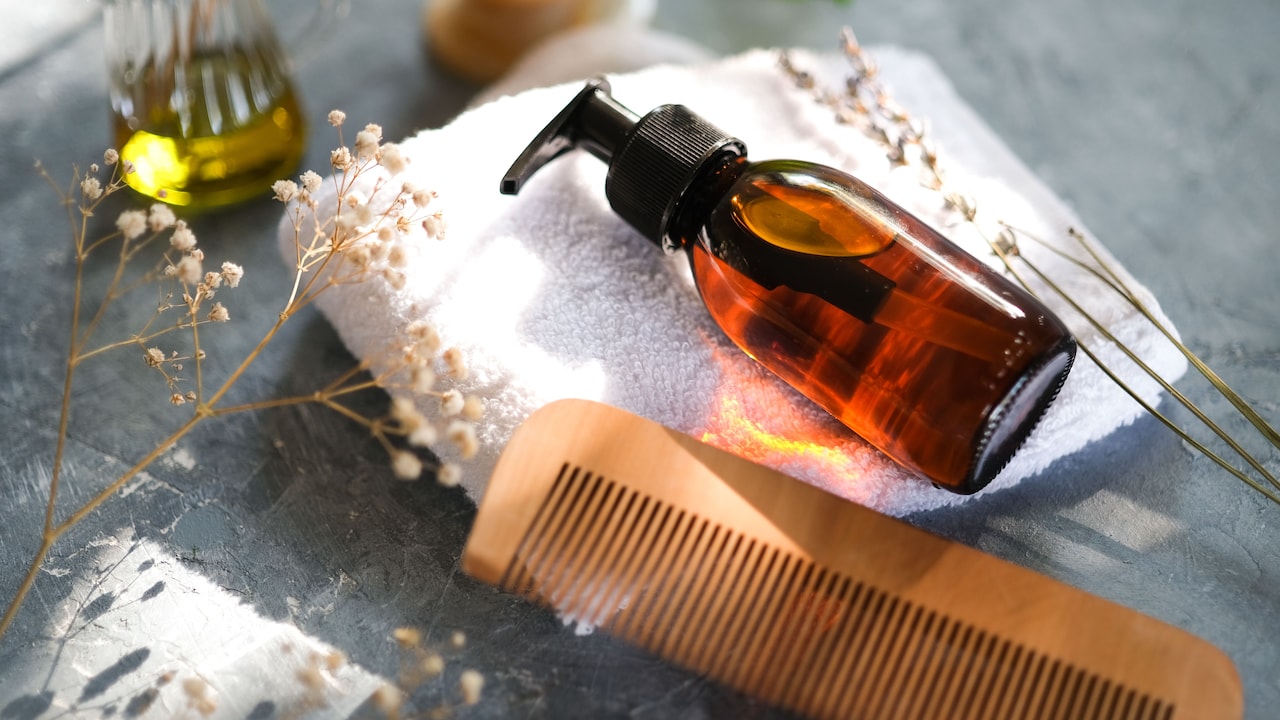
Best Tips To Pick A Hair Serum That Controls Frizz Without Greasiness; Photo Credit: Pexels
Avoid Applying Serum To The Scalp
The scalp produces natural oil, so it usually does not need serum. Applying serum near the roots can make hair greasy very quickly, especially in warm weather or after commuting. The safest method is to apply serum from mid-lengths to ends. These areas face more dryness, rubbing, sun exposure and split-end drama, so they need the most help.
Start with freshly washed, towel-dried hair. Take a small amount, rub it between the palms, then smooth it gently over the lengths. Keep the hands moving downwards instead of pressing the product into the crown. For shorter hair, use even less. For long hair, add more only if the ends still look frizzy.
This rule matters even more for people with oily scalps and dry ends, a very common combination. The roots may feel sticky within a day, while the ends resemble a neglected broom. Serum should solve the broom problem without upsetting the scalp. Treat it like kajal: a little in the right place works beautifully; too much everywhere creates chaos.
Match The Serum To Your Hair Routine
Your daily routine should guide your serum choice. If you blow-dry, straighten or curl your hair often, choose a serum that offers heat protection or pairs well with a heat protectant. Heat can make hair look smooth temporarily, but it can also worsen dryness over time. A protective serum helps reduce friction and gives a sleeker finish after styling.
If you prefer air-drying, look for a serum that works on damp hair and controls frizz as the hair dries. For people who wash hair at night, a light serum can stop pillow friction from making the ends rough by morning. For gym-goers or those who travel daily, a non-sticky serum matters more because sweat and pollution can make heavy products feel uncomfortable.
Also, think about how often you shampoo. If you wash your hair only twice a week, avoid very rich serums that build up quickly. If you wash more often, a nourishing serum may suit the routine better. The best serum should fit into your life smoothly, as a reliable umbrella kept near the door before monsoon clouds gather.
Pick Shine Without The Chipku Finish
Everyone wants glossy hair, but shine and greasiness are not the same thing. Healthy shine reflects light along the strands. Greasiness sits on top and makes hair look sticky. A good serum gives a polished finish without stealing volume. The difference often lies in quantity and formula.
For fine hair, even one full pump may be too much. Half a pump can work better. For medium hair, one pump usually does the job. Thick or long hair may need two, but only through the lengths and ends. Always start small. You can add more, but removing extra serum usually means tying the hair into a bun and pretending it was the plan all along.
Check the finish after fifteen minutes, not just immediately after applying. Some serums look good at first but turn oily as they settle. A suitable serum keeps hair soft, touchable and loose. The strands should move when you walk, not stick together like they have formed a small union against good styling.
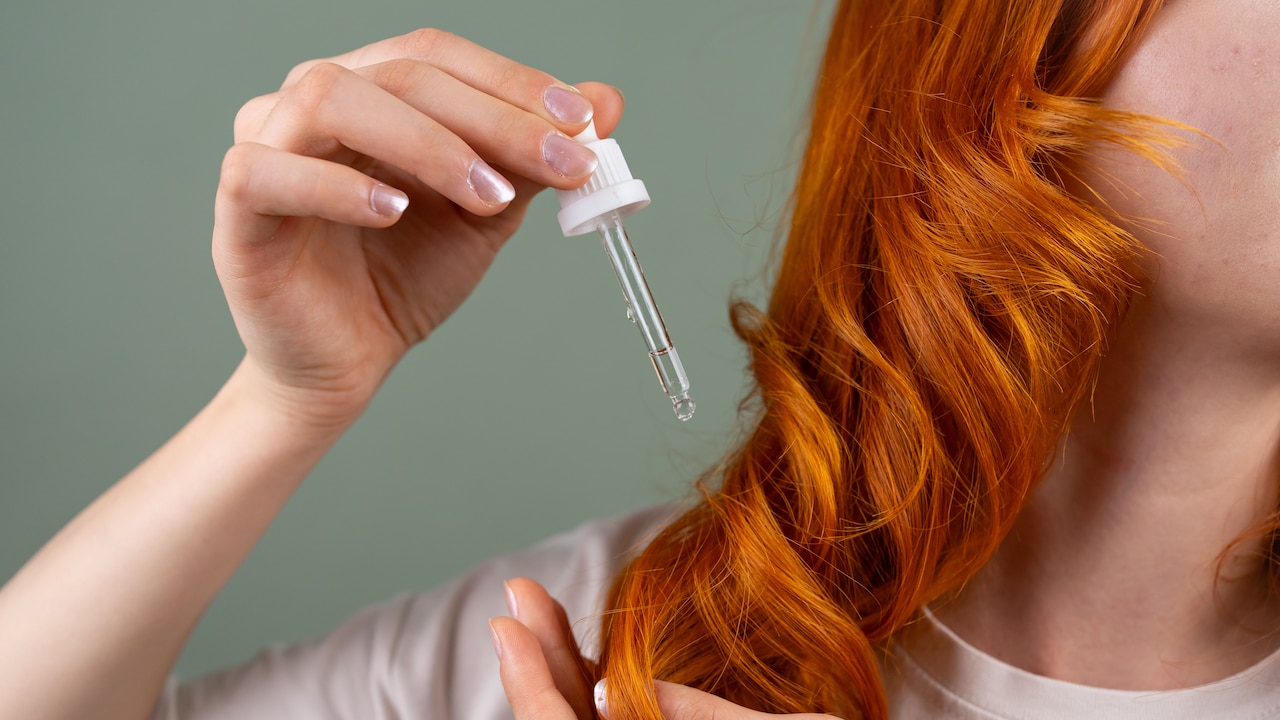
Best Tips To Pick A Hair Serum That Controls Frizz Without Greasiness; Photo Credit: Pexels
Consider Weather, Humidity, And Hard Water
Hair rarely behaves the same in every season. Summer sweat, monsoon humidity, winter dryness and dusty roads can all change how frizz appears. During humid months, choose a serum that mentions humidity control, anti-frizz protection or smoothing. These formulas help seal the cuticle so moisture from the air does not puff up the hair as easily.
Hard water can also make hair rough. Many homes receive water that leaves mineral deposits on hair, making it feel dull, heavy or straw-like. In that case, a serum can help with surface smoothness, but it will not solve the root issue completely. A gentle clarifying shampoo once in a while or a water softening solution may improve results.
Pollution adds another layer. Hair exposed to traffic, dust and heat often feels gritty by evening. A lightweight serum with protective benefits can reduce friction and make detangling easier. Think of it as a small shield for busy days. It will not defeat every weather mood swing, but it can stop your hair from staging a full rebellion.
Read The Label Beyond The Front Claims
The front of a serum bottle knows how to flirt. It may promise “salon shine”, “instant smoothness” or “frizz-free hair in seconds”. The back label tells a more useful story. Check whether the serum suits your hair type, whether it works on damp or dry hair, and whether it contains heavy oils, alcohols or fragrances that may bother your scalp or senses.
Fragrance deserves attention. A strong perfume may feel lovely in the shop but overwhelming during a long office day or crowded metro ride. Sensitive scalps may also dislike heavily scented products. If your skin reacts easily, patch test the product on a small section first.
Look at the quantity too. A ₹350 serum may seem cheaper than a ₹700 one, but bottle size and how much you need per use matter. A lightweight serum that needs only half a pump can last for months. A thick formula that requires repeated application may finish quickly and still disappoint. Smart shopping means reading beyond the front label sparkle.
Use The Right Amount Every Time
Even the best serum can fail when used like coconut oil before a Sunday head massage. Quantity matters. Start with a pea-sized amount for short or fine hair. Use one pump for medium-length hair. Use two small pumps for thick, long or very dry hair. Warm the product between the palms before applying because this helps spread it evenly.
Apply serum on damp hair for smoother drying. Use it on dry hair only to tame flyaways or add final polish. When using it on dry hair, take a tiny amount and focus on the ends. For baby hairs around the hairline, touch them lightly with whatever product remains on the palms. Do not add a fresh pump for that small area.
Comb through gently after applying, preferably with a wide-tooth comb. This spreads the serum and prevents greasy patches. Hair serum should work like seasoning in poha: the right amount brings everything together, but too much ruins the balance. Frizz control comes from consistent, careful use, not from drowning the strands.
Know When To Switch Your Serum
Hair changes with seasons, age, treatments and lifestyle. A serum that worked last year may not work after colouring, smoothing, pregnancy, stress, medication changes, or a move to a new city. If your hair suddenly feels flat, sticky or dull after using the same product, the formula may no longer suit your current needs.
Signs of a wrong serum include greasy roots, limp lengths, sticky ends, increased build-up, or hair that looks shiny but feels coated. On the other hand, if frizz returns within an hour, the serum may be too light for your texture or the weather. Dry, thick hair may need a richer blend, while fine hair may need a lighter one with better humidity protection.
Do not judge a serum after one rushed application before a wedding sangeet. Try it two or three times with the right amount and method. If it still disappoints, switch without guilt. Hair care is not a lifetime contract. It is more like finding the right chai strength: personal, seasonal and slightly emotional.
Balance Serum With Good Hair Habits
Serum can control frizz, but it cannot fix every hair concern alone. Frizz often begins when the hair cuticle becomes rough due to dryness, heat styling, harsh brushing, sun exposure or chemical treatments. A gentle shampoo, a nourishing conditioner and occasional deep conditioning can make serum work much better.
Avoid rubbing wet hair aggressively with a towel. This creates friction and invites frizz. Squeeze out water gently with a soft towel or cotton T-shirt. Detangle from the ends upwards instead of dragging a comb from the roots. Limit heat styling when possible, and always use protection when you do style.
Regular trims also help because split ends can make even smooth hair look messy. Sleep habits matter too. A satin pillowcase or loose braid can reduce friction overnight. Serum then becomes the finishing touch, not the entire rescue mission. Think of it as the final tadka on dal. The dal still needs to be cooked well first.
Products Related To This Article
1. L'Oreal Paris Extraordinary Oil Hair Serum Powered by Floral Oils for All Hair Types
2. L'Oréal Professionnel Paris Xtenso Care Leave-In Serum for Frizz-Free
3. Minimalist Hair Serum for Dry Frizzy Hair with SPF 30
4. Kérastase Elixir Ultime Hair Oil-In-Serum 30ml
5. Dove Scalp + Hair Therapy Density Boost Revitalizing Scalp Serum
6. Bare Anatomy Ultra Smoothing Hair Serum For Dry & Frizzy Hair
7. Pilgrim Argan Oil Hair Serum For Dry Frizzy Hair, Hair Smoothing
Picking a hair serum that controls frizz without making hair greasy comes down to three things: the right formula, the right amount, and the right placement. Choose a texture that suits your hair type. Keep richer formulas for dry, thick or treated hair. Use lightweight serums for fine, straight or oily-prone hair. Apply from mid-lengths to ends, never on the scalp, unless the bottle specifically says otherwise.
The best serum should make hair feel smoother, softer and more manageable without taking away bounce. It should help your hair survive humidity, traffic, hurried mornings and festive styling without looking like it has given up by noon. A little patience helps too. Try the serum properly, observe how your hair behaves through the day, and adjust the quantity as needed.
Good hair does not need to look perfect. It needs to feel comfortable, healthy and easy to live with. The right serum gives just enough control to keep frizz in check while letting your hair move, shine and behave like itself, only better.
(Disclaimer: This article may include references to or features of products and services made available through affiliate marketing campaigns. NDTV Convergence Limited (“NDTV”) strives to maintain editorial independence while participating in such campaigns. NDTV does not assume responsibility for the performance or claims of any featured products or services.)