How To Choose A Hair Dryer Wattage For Thick Indian Hair?
Not sure what hair dryer wattage suits thick Indian hair? This guide will tell you how to pick the right power, features, and settings without damaging your strands.
How To Choose A Hair Dryer Wattage For Thick Indian Hair?
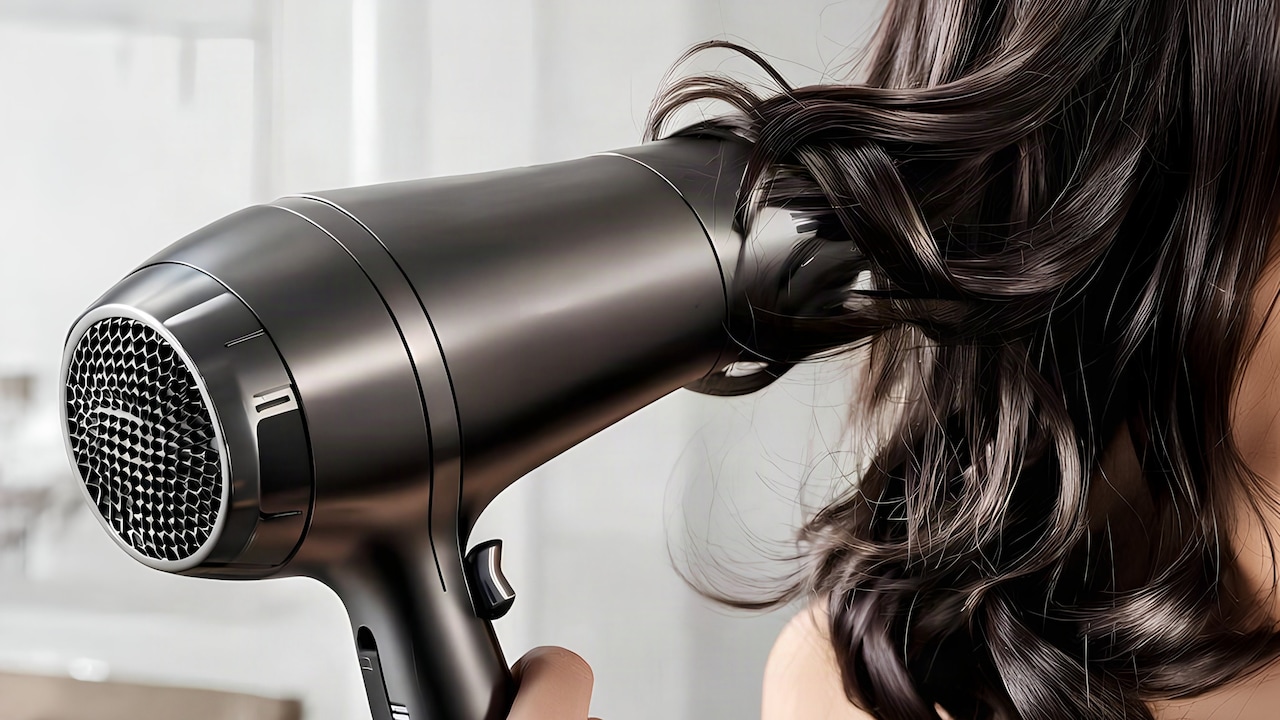
If you have thick, dense, or coarse hair, wattage is not just a number on the box. It decides how fast your hair dries, how much heat it's exposed to, and how frizzy or smooth you'll look at the end of it. Get it wrong, and you're either standing there for half an hour or frying your strands with more heat than they need.
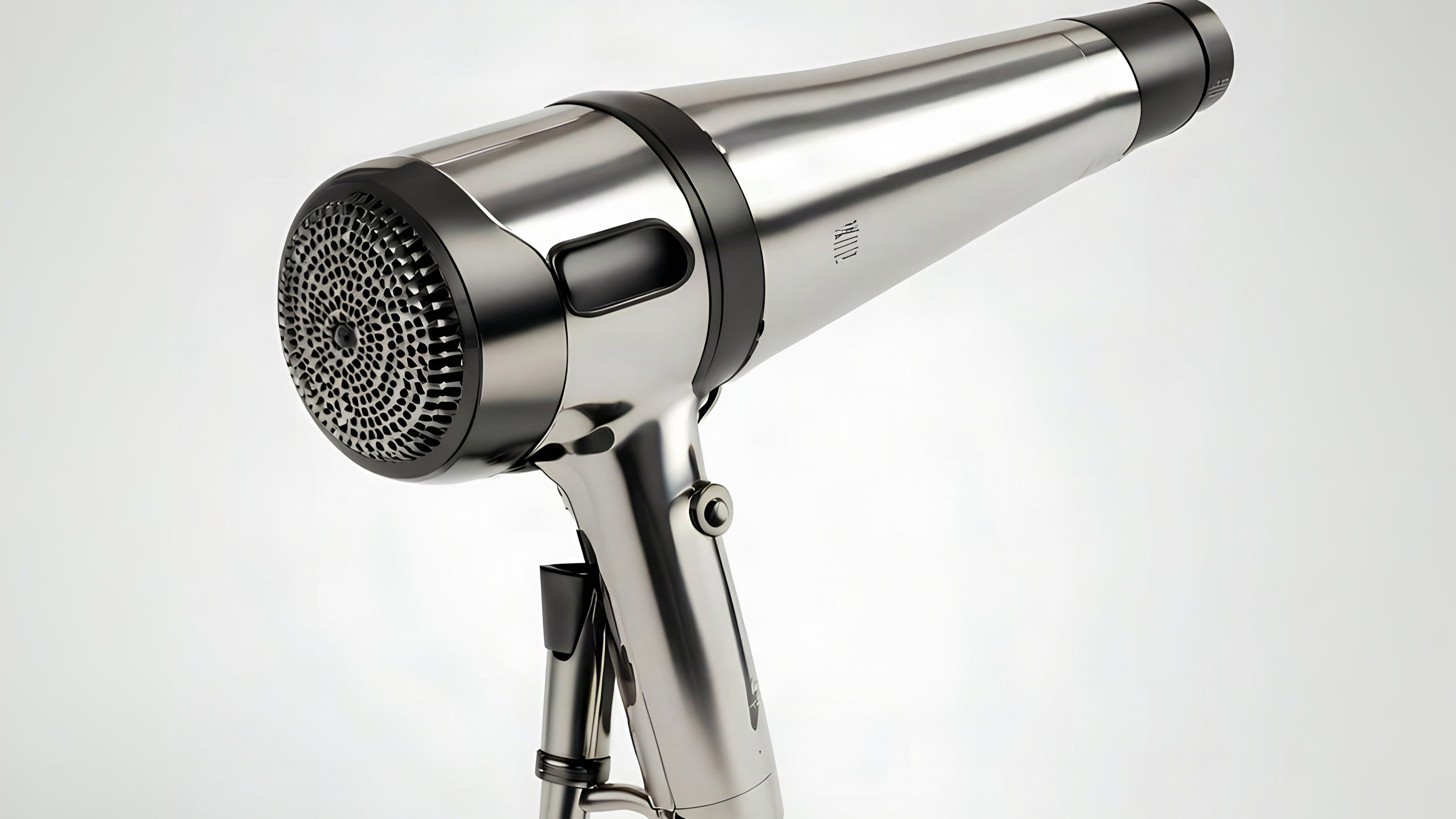
Choosing The Right Wattage For Your Hair Type
Photo Credit: iStock
This scenario is very common in our country, especially with the humidity most of us deal with for a good part of the year. Thick hair holds more moisture, so a weak dryer just won't cut it, no matter how patiently you use it. In this guide, we'll tell you how to choose the right hair dryer wattage for thick hair.
What Wattage Actually Means For Your Hair
Wattage isn't some fancy spec meant to confuse buyers; it genuinely tells you how much power the motor pulls, and that decides the airflow strength. Higher wattage usually means faster drying, though it's not the only thing you should look at.
What Wattage Tells You About a Hair Dryer
Think of wattage like the engine size of a car. A bigger engine doesn't automatically mean better, but it does mean more raw power available when you need it. A 1000W dryer works fine for fine, thin hair that dries in minutes anyway. Thick hair, though, needs something with real muscle behind it; you'll be standing there way longer than necessary, and your arm will thank you for choosing better.
Why Thick Hair Needs More Power
Most men have denser hair with a higher strand count per square inch than many other hair types. Add humidity into the mix, and you've got hair that soaks up moisture and holds onto it stubbornly. A low-wattage dryer basically pushes warm air weakly through all that density, which means longer exposure time and more heat damage overall, not less.
Choosing The Right Wattage For Your Hair Type
Not everyone needs the most powerful dryer on the market. The right wattage depends on your hair thickness and how often you use it.
1. 1000 To 1200 Watts, Only For Fine Or Short Hair
These are light, budget-friendly, and honestly not built for thick hair at all. If your hair is fine, short, or you rarely blow-dry it, this range works fine. For thick hair, though, it takes forever and uses more heat than needed to compensate for weak airflow.
2. 1400 to 1800 Watts, Good For Medium Thickness
This is the middle ground most people land on, and it works reasonably well for medium to slightly thick hair. It's a decent balance between speed and not frying your scalp every morning. If your hair sits somewhere between fine and properly thick, this range should serve you fine.
3. 1800 To 2200 Watts, Ideal For Thick, Coarse, Or Long Hair
This is where thick hair really needs to be. Anything above 1800W gives you enough airflow to dry dense hair quickly, without holding the dryer close to your scalp for ages. Salons mostly use dryers in this range or higher, and there's a reason for that. Powerful airflow means less time under heat, which helps protect your hair better over time.
Other Features That Matter Besides Wattage
Wattage gets all the attention, but a few other things decide whether your hair actually looks healthy after drying, not just dry.
1. Ceramic or Tourmaline Coating
Dryers with ceramic or tourmaline-coated barrels distribute heat more evenly across the airflow. Cheap metal coil dryers tend to have hot spots that can singe your hair if you hold them too close. For thick hair, especially, even heat matters more than you'd think, because you're exposing more surface area to the airflow at once.
2. Ionic Technology for Frizz Control
Ionic dryers release negative ions that break down water molecules faster and help seal the hair cuticle, which cuts down frizz considerably. If frizz is your biggest complaint after drying, and for most of us with thick hair, it usually is, this feature is worth paying a bit extra for.
3. Multiple Heat and Speed Settings
A dryer with just one heat setting gives you zero flexibility. Look for at least two or three heat levels along with a cool shot button. The cool shot is genuinely underrated; it helps set your style once you're done and closes the cuticle for extra shine.
Also Read: How To Choose The Best Hair Dryer For Healthy Hair: What To Look for Before You Buy
How To Dry Thick Hair Without Damaging It
Even the best wattage won't help much if your technique is off. A few small habits go a long way here.
1. Keep The Dryer Moving, Don't Hold It In One Spot
Holding a high-wattage dryer in one place for too long is basically asking for heat damage. Keep it moving constantly across sections, roughly six inches away from your scalp, and let the airflow do the work instead of the heat sitting still.
2. Use a Heat Protectant Spray First
This one's simple but skipped often. A light heat protectant spray before drying creates a barrier that reduces direct heat damage, especially useful when you're using anything above 1800W regularly. Your hair will thank you months down the line.
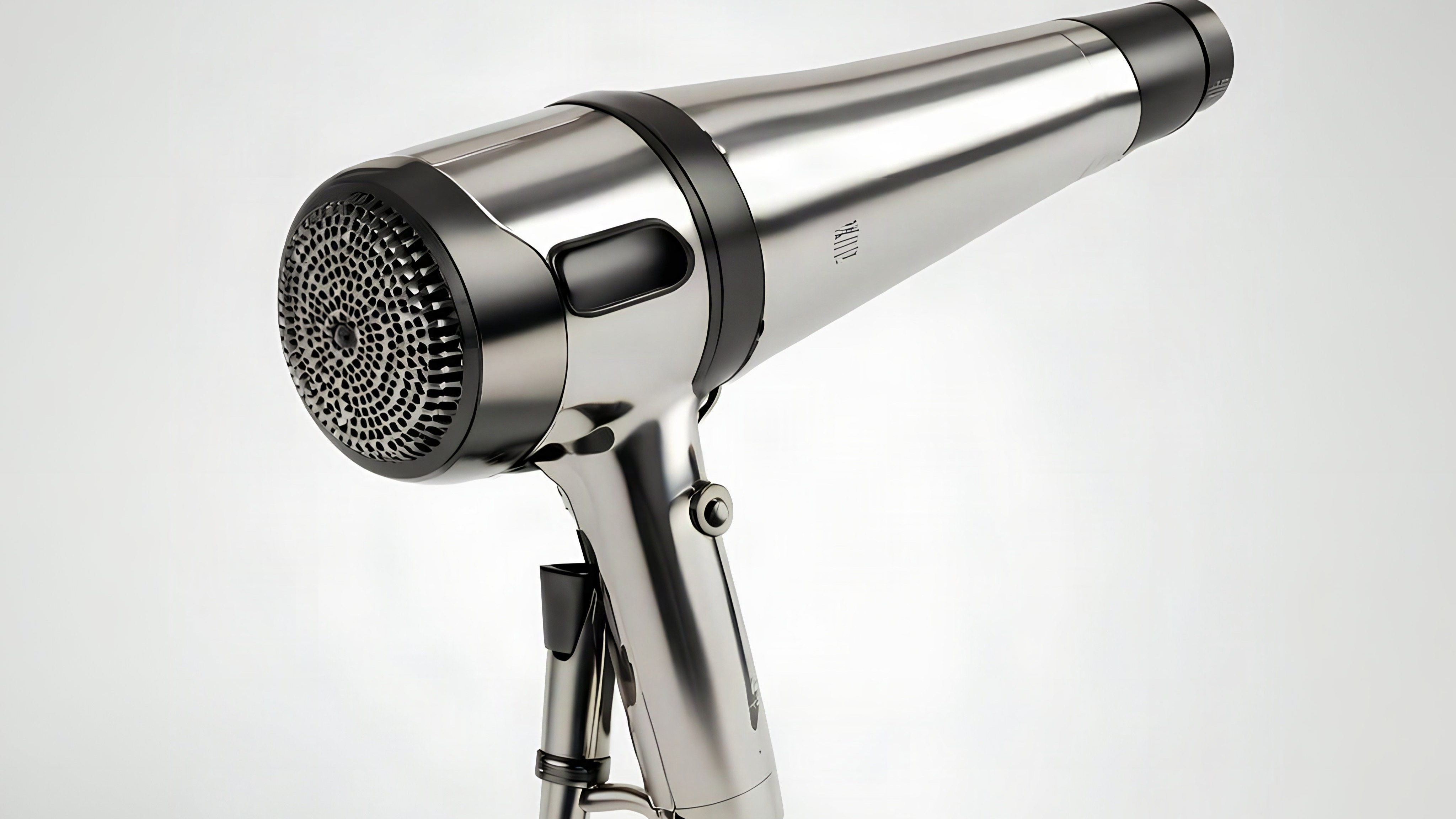
How To Dry Thick Hair Without Damaging It
Photo Credit: iStock
Some Hair Dryers You May Like For Thick Hair
1. AGARO HD-1120 2000W AC Professional Hair Dryer
2. Philips BHD356/10 2100W Foldable Hair Dryer With ThermoProtect
3. VEGA Dry-Up VHDH-36 2000W Hair Dryer With Cool Shot
4. BEARDO Studio Professional Tornado 2000W Hair Dryer
5. Havells HD3162 Men's 1565W Powerful Hair Dryer
6. VEGA Dry-Up 2000-Watt Hair Dryer
7. Ikonic Professional Pro 2100+ Hair Dryer 2000 Watts
8. Pigeon Elegant BLDC 1600 Watts
Choosing the right hair dryer wattage for thick Indian hair can make a noticeable difference in both drying time and hair health. While lower-wattage dryers may take longer to dry dense strands, a hair dryer with around 1800W to 2200W typically offers the power needed for faster and more efficient styling. However, wattage is only part of the equation. Features like multiple heat settings, cool shot functionality, and ionic technology can help reduce frizz and minimize heat damage. By balancing power with protective features, you can achieve smooth, salon-like results while keeping your hair healthy and manageable every day.
Frequently Asked Questions (FAQs)
1. Is an 1800W hair dryer enough for thick hair?
For most thick hair, 1800W does the job just fine. Extremely dense or very long hair is a different case; in that situation, increasing to 2000W or a bit more can noticeably reduce your drying time.
2. Does higher wattage always mean more hair damage?
Not really, and this confuses a lot of people. What higher wattage actually does is shorten drying time, and less time under heat generally works out better for your hair, provided you keep the dryer moving instead of parking it in one spot.
3. Can I use a low-wattage dryer on thick hair if I have more time?
You can, but ideally you should not. Stretching out the drying process at low power just means your scalp and hair sit under heat for longer, and that can end up doing more harm than a faster session at higher wattage.
4. What is the ideal distance to hold a high-wattage dryer from hair?
Six inches is usually the best distance for most high-wattage dryers. Get closer than that, particularly with anything over 1800W, and you're raising the odds of scorching your scalp or damaging the strands.
5. Are salon-grade dryers worth buying for home use on thick hair?
If you blow-dry frequently and have very thick hair, a salon-grade dryer (2000W and above) can genuinely save time. If you only blow-dry occasionally, a good 1800W dryer will do the job just as well, without the extra cost.
(Disclaimer: This article may include references to or features of products and services made available through affiliate marketing campaigns. NDTV Convergence Limited (“NDTV”) strives to maintain editorial independence while participating in such campaigns. NDTV does not assume responsibility for the performance or claims of any featured products or services.)