Does A Higher Temperature Setting Guarantee Hotter Water? 10 Instant-Geyser Myths Explained
Higher settings do not always mean hotter water. Discover 10 common instant-geyser myths about temperature, flow, power, pressure, safety and efficiency, and learn what really affects performance.
10 Instant-Geyser Myths That Could Be Affecting Your Hot Water
Few household appliances inspire as much casual confidence as the humble geyser. Switch it on, wait for hot water and get on with the morning. Simple. Then winter arrives. Suddenly, the water feels lukewarm, someone turns the temperature setting higher, another person complains about the pressure, and the bathroom becomes the scene of an impromptu engineering conference. Everyone has a theory. The knob needs to stay at maximum. A bigger geyser always heats better. Lower pressure means hotter water. Leaving the geyser running saves time. Somewhere between family advice and neighbourhood wisdom, myths begin to sound like operating instructions.
10 Instant-Geyser Myths That Could Be Affecting Your Hot Water
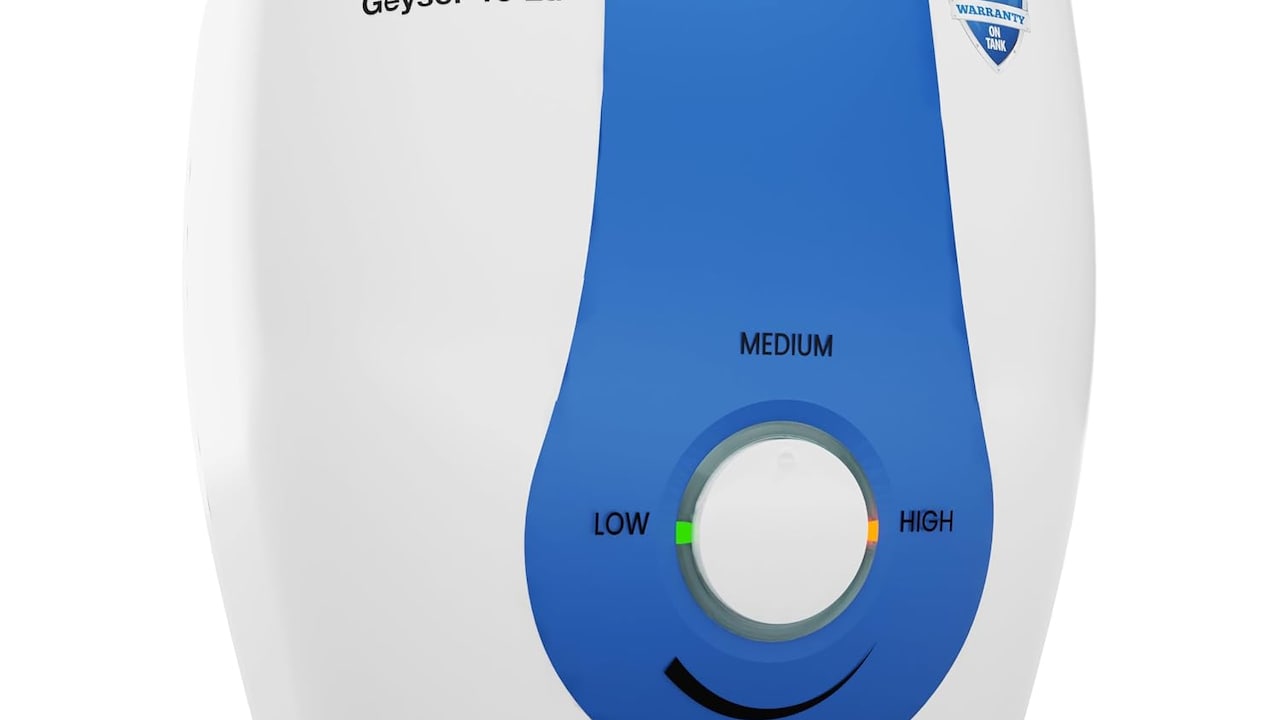
Photo Credit: Amazon
Instant geysers work on fairly straightforward principles, but several factors affect their performance. Their heating capacity, water flow, inlet temperature, electrical supply and safety controls all matter. Understanding those factors can make daily use more comfortable while helping households avoid waste and unrealistic expectations. So, does a higher temperature setting guarantee hotter water? Not quite. That familiar belief is only the beginning.
Common Instant-Geyser Myths You Should Stop Believing
Myth 1: A Higher Temperature Setting Always Means Hotter Water
Turning the temperature control upwards may increase the target temperature, but it cannot magically create unlimited heating power.
An instant geyser has a fixed heating capacity. When water moves through the unit quickly, the heating element gets less time to raise its temperature. During colder months, incoming water also starts several degrees cooler. The geyser therefore has more work to do before delivering comfortably hot water.
Imagine filling a bucket on a chilly January morning in Jaipur. With the tap fully open, the water might feel less hot than expected even though the temperature setting sits near maximum. Reduce the flow slightly and the same appliance may deliver noticeably warmer water.
Electrical supply also matters. Voltage fluctuations can affect the performance of some units, while built-in thermostats and safety cut-offs limit excessive heating.
The temperature setting acts more like a request than a magic command. Heating capacity, water flow and inlet conditions decide how successfully the geyser meets that request. Cranking the control to maximum may help in some situations, but it does not guarantee steaming-hot water every time.
Myth 2: An Instant Geyser Heats Water The Moment The Tap Opens
The word “instant” creates expectations worthy of a magician. Turn the tap and piping-hot water should appear before the first splash hits the bucket.
Reality needs a few seconds.
An instant geyser heats a small quantity of water rapidly rather than storing a large heated reserve like a storage geyser. Even after switching it on, water already sitting inside the pipes may reach the tap first. That water can feel cold or lukewarm until freshly heated water travels through the plumbing.
The distance between the geyser and outlet also affects the wait. A unit installed close to a washbasin can deliver hot water quickly, while longer pipes naturally create a short delay.
During winter, the heating element must also raise colder incoming water through a greater temperature range. That can make the initial difference more noticeable.
“Instant”, therefore, describes the heating method rather than a promise of zero waiting time. Expect quick hot water, not supernatural plumbing. Giving the system a few seconds to stabilise usually produces a more consistent temperature and a far less frustrating start to the morning.
Myth 3: A Higher Wattage Geyser Always Uses More Electricity
A powerful appliance sounds expensive to run, so many people assume a higher-wattage instant geyser automatically produces a frightening electricity bill.
The calculation is more nuanced.
Wattage tells how much electrical power an appliance can draw while operating. Energy consumption, however, also depends on how long it runs. A higher-powered geyser can often heat water faster, which may reduce its operating time for the same task.
Consider two appliances heating similar quantities of water. One draws more power but completes the job quickly, while another draws less power and runs longer. Their total energy use may sit closer than the wattage labels suggest.
Usage habits often make the larger difference. Long showers, repeated reheating, unnecessary operation and excessive hot-water consumption can increase electricity costs regardless of the appliance rating.
Efficiency, insulation where relevant, desired water temperature and incoming water temperature also influence consumption.
So, wattage alone cannot predict the monthly bill. It describes power demand, not total energy use. Looking at both wattage and operating time gives a much clearer picture than assuming the biggest number on the specification sheet must automatically cost the most.
Myth 4: Instant Geysers Provide Unlimited Hot Water At Any Flow Rate
Technically, an instant geyser can keep heating water while it receives water and power. That does not mean it can deliver unlimited quantities at any temperature and flow rate.
Every unit has a heating limit.
Push water through too quickly and the appliance may struggle to raise its temperature enough. Slow the flow and each litre spends longer receiving heat, which usually increases the outlet temperature. That relationship becomes particularly noticeable during colder weather.
This explains a common bathroom puzzle. The tap produces properly hot water at moderate flow, but opening it fully suddenly gives a less satisfying result. Nothing necessarily went wrong with the geyser. The demand simply exceeded its ability to produce the desired temperature rise at that flow.
The appliance's rated capacity matters too. A compact unit that works beautifully for a kitchen sink may not suit a demanding shower.
Think of an instant geyser as a fast cook with a small stove. It can keep serving continuously, but sending ten orders at once will affect the result. Matching flow rate and usage needs to the appliance makes a far bigger difference than expecting unlimited performance from a compact machine.
Myth 5: Low Water Pressure Always Produces Better Heating
There is a grain of truth behind this myth, which makes it particularly stubborn.
A slower flow can allow water more time to absorb heat, often resulting in a higher outlet temperature. However, very low water pressure creates another problem: some instant geysers need a minimum flow or pressure before they operate correctly.
If the flow drops below that threshold, the heating mechanism may fail to activate consistently. The result can include temperature fluctuations or no hot water at all.
This matters in homes where pressure varies between floors or changes throughout the day. Someone may reduce the tap dramatically in search of hotter water, only to wonder why the geyser starts behaving unpredictably.
The better approach involves finding a balanced flow. Water should move slowly enough for effective heating but strongly enough to satisfy the appliance's operating requirements.
Installation also plays an important role. Plumbing restrictions, clogged filters and unsuitable fittings can reduce effective flow and create performance problems that resemble heating faults.
Lower flow can certainly help raise water temperature. Extremely low pressure, however, does not turn a modest geyser into a miniature volcano. Sometimes it simply stops the system from working properly.
Myth 6: Leaving An Instant Geyser On All Day Saves Electricity
Keeping the geyser switched on sounds convenient. Hot water remains only a tap-turn away, and repeated switching seems unnecessary.
Convenience, however, should not become an excuse for careless energy use.
Unlike large storage heaters, instant geysers generally heat water when required rather than maintaining a full tank at temperature. Depending on the design, simply leaving the main switch on may not mean the heating element continuously consumes its full rated power. Even so, keeping an electrical water heater energised when nobody needs it offers little practical benefit and can create needless standby consumption in certain designs.
More importantly, sensible operation improves household safety. Switching the unit off when hot water is no longer required reduces unnecessary electrical exposure, particularly in wet areas.
The biggest savings usually come from shorter usage periods and reasonable temperature settings rather than obsessive switch-flicking every few seconds.
There is no prize for keeping the geyser ready from breakfast until bedtime. Use it when required, follow the manufacturer's operating guidance and switch it off after use where appropriate. A morning shower needs hot water, not an appliance spending the entire day waiting like an overenthusiastic hotel attendant.
10 Instant-Geyser Myths That Could Be Affecting Your Hot Water; Photo credit: Pexels
Myth 7: Bigger Capacity Always Means Better Performance
Buying the biggest available appliance feels reassuring. More capacity must mean stronger heating, better showers and fewer complaints, right?
Not necessarily.
Instant geysers and storage geysers use capacity differently. For instant models, heating power, flow rate and temperature rise often matter more than simply focusing on a litre figure. A small instant unit can suit a handwash basin or kitchen perfectly, while a bathroom with higher hot-water demand may need a more powerful model.
Oversizing also creates practical issues. Higher-powered models may require suitable wiring, dedicated circuits and correctly rated protective devices. Choosing one without checking the electrical setup can turn an upgrade into an electrician's emergency visit.
Usage pattern matters just as much. A household that mainly needs hot water for quick bucket baths has different requirements from one using a high-flow shower during cold mornings.
The best appliance fits the job rather than winning a specification contest. Before choosing a geyser, consider expected water flow, local winter temperatures, electrical infrastructure and point of use.
Bigger numbers look impressive on a carton. Comfortable hot water comes from matching the appliance to the household, not automatically choosing the most muscular machine on the shelf.
Myth 8: Instant Geysers Cannot Cause Scalding
Small appliance, small risk? Unfortunately, hot water does not care about the size of the heater producing it.
An instant geyser can deliver water hot enough to cause discomfort or burns, particularly when users select a high temperature and maintain a low flow rate. Children, older adults and people with reduced skin sensitivity need extra care because they may react more slowly to excessive heat.
Temperature changes can also catch someone by surprise. Imagine adjusting the tap while bathing, reducing the water flow and suddenly receiving much hotter water than expected. That change can happen quickly with some systems.
Modern geysers often include thermostats, thermal cut-outs and other safety mechanisms, but these features should support sensible use rather than replace it.
Avoid treating the maximum setting as the default. Comfortable bathing rarely requires the highest possible temperature. Checking the water before stepping beneath a shower or filling a bucket also takes only a moment.
Hotter does not mean cleaner, healthier or more luxurious. Once water crosses the comfort zone, extra heat delivers little benefit and creates unnecessary risk. The ideal geyser should make mornings pleasant, not turn the bathroom into a tea kettle.
Myth 9: Any Electrician Can Install An Instant Geyser Safely
A geyser may look like a straightforward appliance, but its installation brings water and high electrical load into very close company. That combination deserves proper attention.
Instant geysers can draw substantial current. The installation therefore needs appropriately sized wiring, reliable earthing, suitable protective devices and connections that match the manufacturer's requirements. A convenient spare socket does not automatically qualify.
Water pressure, inlet and outlet connections, mounting position and plumbing materials also influence safe operation. Incorrect installation can cause leaks, poor heating, nuisance tripping or more serious electrical hazards.
Homes with older wiring deserve particular caution. Installing a powerful modern appliance on ageing electrical infrastructure without checking the circuit can create problems that no temperature knob will fix.
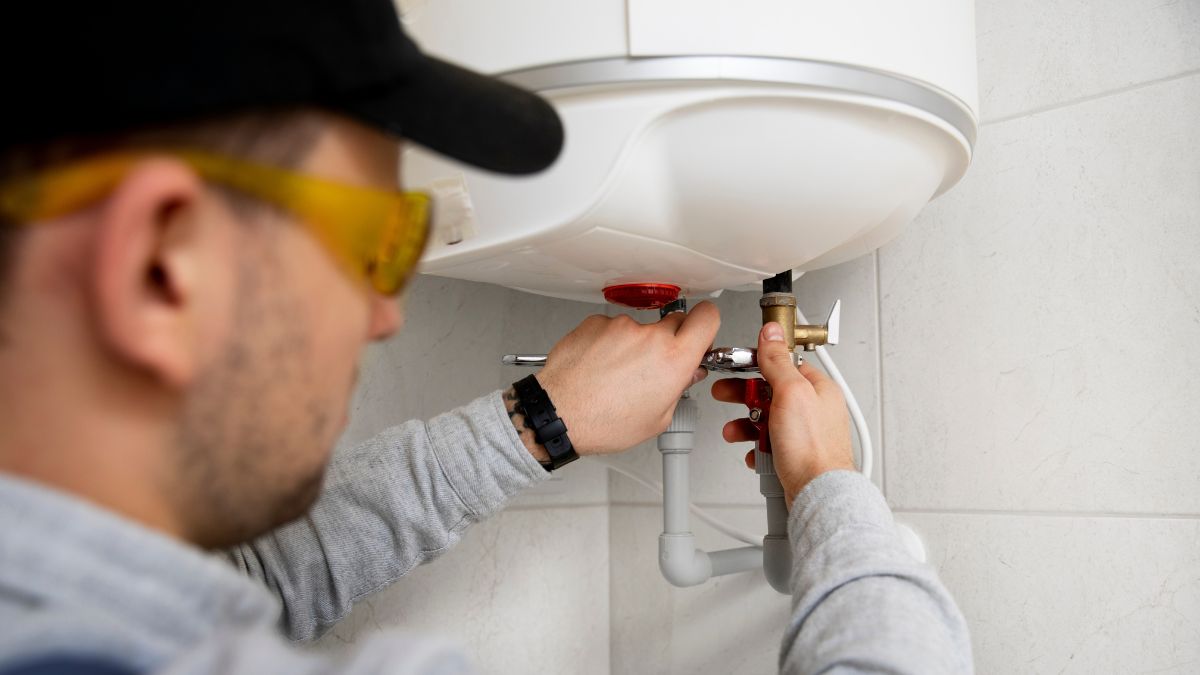
Qualified installation may cost more than calling the neighbourhood handyman who promises to finish everything before lunch, but water heaters are a poor place for creative shortcuts.
The safest approach involves following the manufacturer's installation instructions and using a competent professional familiar with electrical water heaters. A neatly mounted geyser means little if the wiring behind the wall cannot safely support it. Good installation remains part of the appliance, even though it does not arrive inside the box.
Myth 10: Regular Maintenance Does Not Matter For Instant Geysers
Because instant geysers lack a large storage tank, people often assume they need almost no attention. Switch them on, use them for years and remember their existence only when the water turns cold.
Mineral deposits have other plans.
Hard water can leave scale on heating surfaces and inside water passages. Over time, that build-up can reduce heating efficiency, restrict flow and contribute to uneven performance. Areas with mineral-rich water may experience the problem sooner.
Loose electrical connections, worn components and clogged inlet filters can also affect performance. A geyser that suddenly takes longer to heat water may not need replacement; it may simply need inspection or servicing.
Regular maintenance does not mean dismantling the appliance every Sunday morning. Users should keep the exterior clean and dry, watch for leaks or unusual sounds, and arrange professional checks according to the manufacturer's guidance and local water conditions.
Small warning signs deserve attention. Repeated electrical tripping, burning smells, inconsistent heating or water leaking from unexpected places call for immediate professional inspection.
Instant geysers work hard in a demanding environment. Giving them reasonable care can support efficiency, reliability and safety while helping households avoid an inconvenient cold-water surprise halfway through shampooing.
10 Instant-Geyser Myths That Could Be Affecting Your Hot Water
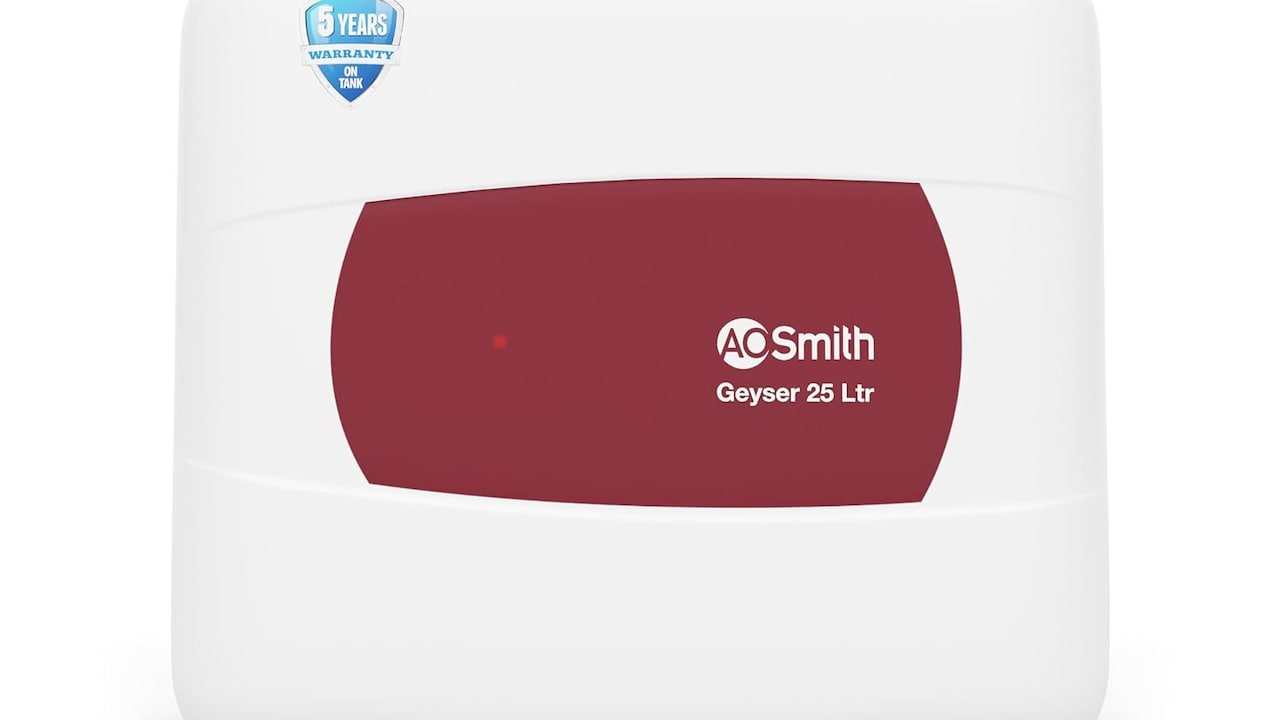
Photo Credit: Amazon
Products Related To This Article
1. Crompton Arno Neo 15-L 5 Star Rated Storage Water Heater
2. AO Smith Geyser 15 Ltr With 5 Star BEE Rating, Vertical Water Heater
3. Longway Superb 10 Ltr 5 Star Rated Automatic Instant Water Heater for Home
4. V-Guard Zio Geyser 5 Litre Instant Water Heater
5. Crompton Amica Pro 25L | Free Installation | 5‑Star Storage Water Heater
6. AO Smith Geyser 25 Litre 5 Star Rating
7. Symphony SPA Geyser 10 Litre 5 Star BEE Rating Water Heater
Instant geysers make everyday hot-water needs wonderfully convenient, but they still have limits. A higher temperature setting cannot override heating capacity, freezing-cold inlet water or an excessive flow rate. Likewise, wattage alone does not determine electricity costs, low pressure does not always improve performance, and a bigger model does not automatically make a better choice.
Most geyser myths grow from observations that contain a little truth. Slower water can become hotter. Powerful heaters can draw more electricity while operating. Instant models can provide continuous hot water. Problems begin when those half-truths become universal rules.
A better approach involves understanding how temperature, flow, power and installation work together. Use a sensible heat setting, match the appliance to the required flow, maintain safe electrical connections and pay attention when performance changes.
After all, nobody wants to conduct a thermodynamics experiment at 7 a.m. with shampoo in their hair. The right instant geyser, used properly, should quietly do its job: deliver comfortable hot water without unnecessary fuss, wasted electricity or bathroom folklore.
(Disclaimer: This article may include references to or features of products and services made available through affiliate marketing campaigns. NDTV Convergence Limited (“NDTV”) strives to maintain editorial independence while participating in such campaigns. NDTV does not assume responsibility for the performance or claims of any featured products or services.)