Can A Sandwich Maker Replace A Toaster? A Small Kitchen Experiment
A sandwich maker can toast bread, but can it truly replace a toaster? A practical kitchen experiment explores taste, convenience, speed and everyday usability.
Can A Sandwich Maker Replace A Toaster? A Small Kitchen Experiment
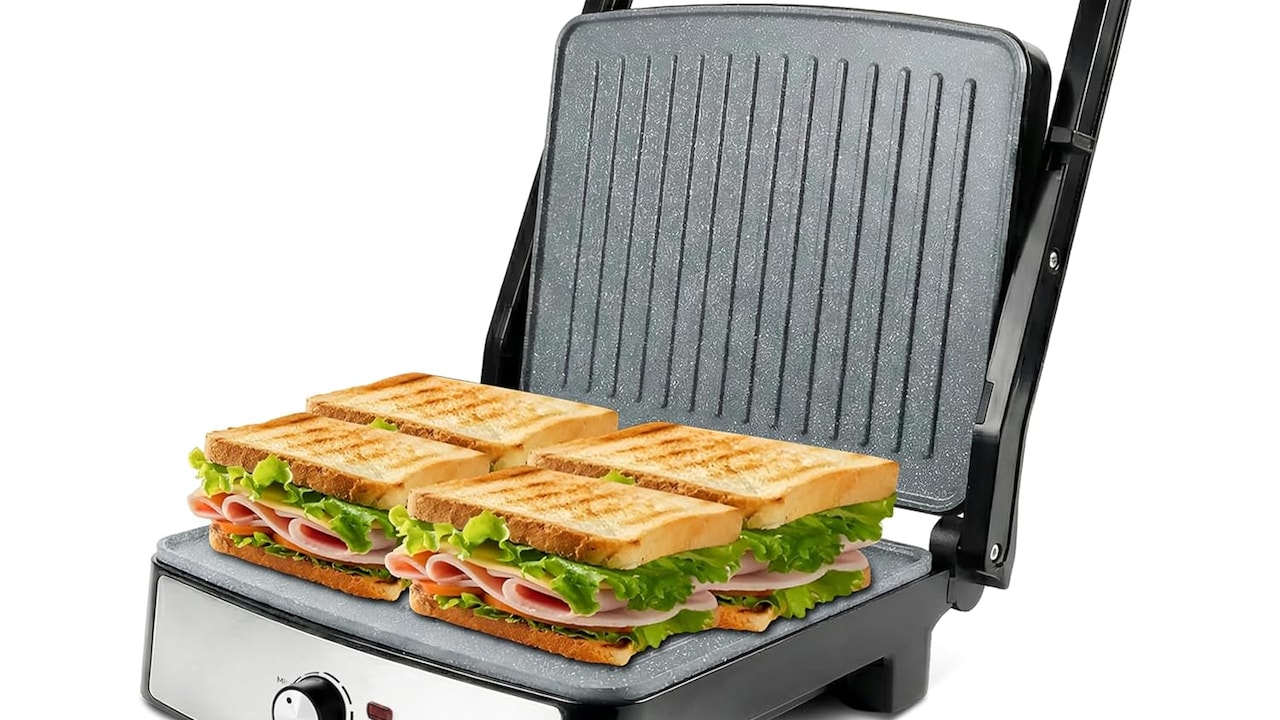
Modern kitchens rarely suffer from a lack of gadgets. The real challenge lies in deciding which ones actually earn their place. In many homes, especially compact flats where every inch matters, appliances often compete for space like passengers squeezing into a crowded local train during rush hour. Among the most common countertop companions are the toaster and the sandwich maker. One focuses on perfectly browned slices of bread, while the other transforms simple fillings into warm, crispy treats. Yet a practical question often pops up while staring at a cluttered kitchen shelf: if a sandwich maker can toast bread, does a separate toaster still make sense?
Can A Sandwich Maker Replace A Toaster? A Small Kitchen Experiment
Photo Credit: Pexels
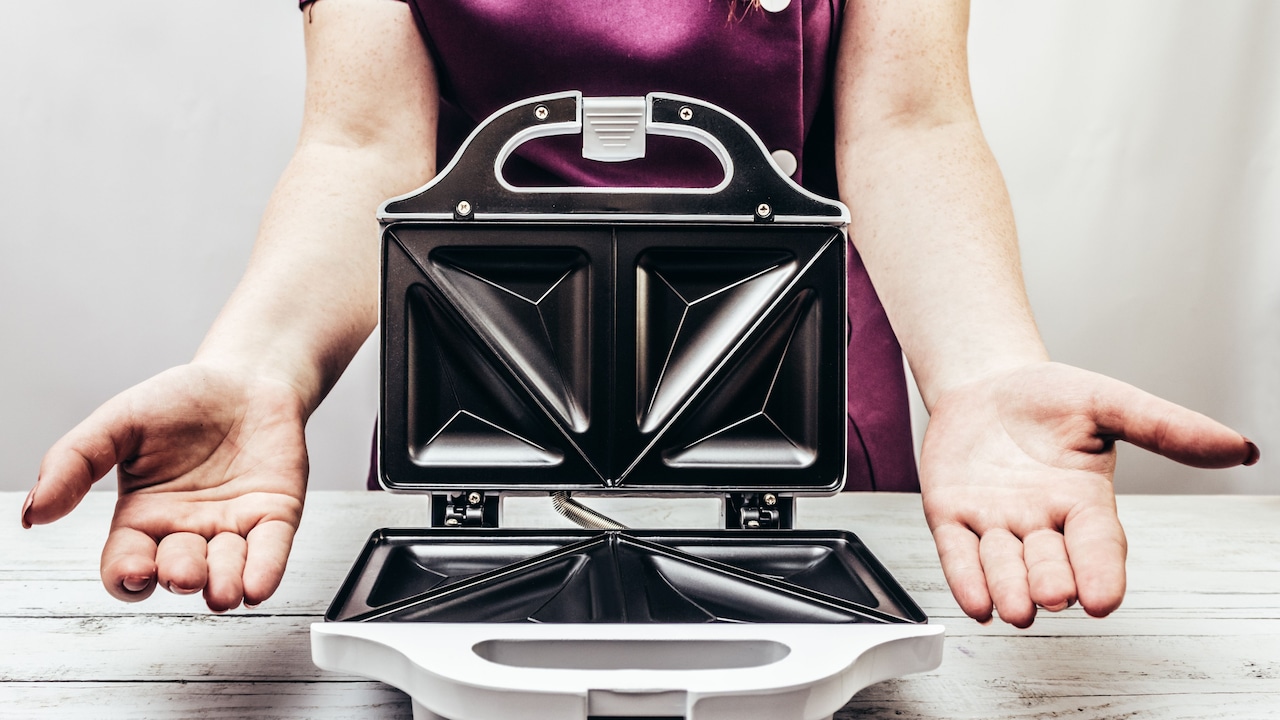
To find out, a small kitchen experiment puts the sandwich maker through a series of everyday breakfast challenges. The goal is not to crown a winner but to discover whether one appliance can genuinely handle both jobs without compromise. The results may surprise anyone considering a kitchen declutter.
Testing A Sandwich Maker Against A Toaster
The Rules Of The Experiment
Every fair test needs simple rules. The experiment focused on common breakfast situations rather than technical specifications. After all, most people do not measure heating elements before making tea and toast.
The challenge involved regular bread slices, buttered bread, frozen bread and quick breakfast preparation. The sandwich maker had to perform tasks that a toaster handles routinely. The comparison also considered ease of use, cleaning, speed and the final texture of the bread.
Cost formed another part of the discussion. A decent toaster can cost anywhere between ₹1,000 and ₹3,500, while many sandwich makers fall within a similar range. If one appliance could effectively replace the other, households might save money as well as precious storage space.
Rather than relying on laboratory-style measurements, the experiment focused on practical results. The question remained simple throughout: would someone miss a toaster after removing it from the kitchen and relying entirely on a sandwich maker?
First Test: The Classic Morning Toast
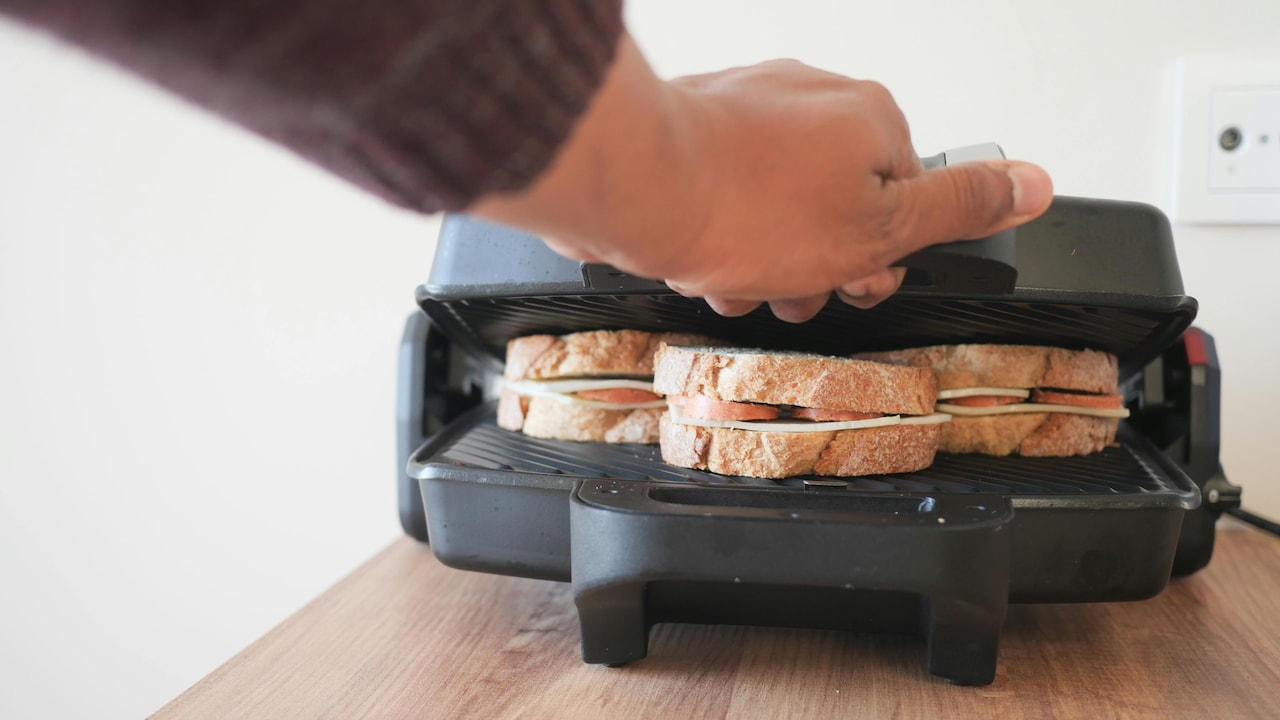
The first challenge seemed straightforward. A few slices of bread went into the sandwich maker without any filling. Expectations were modest. After all, if a sandwich maker could not handle basic toast, the experiment would end rather quickly.
The results looked promising at first glance. The bread emerged warm, golden and pleasantly crisp. The familiar grill lines added visual appeal, making breakfast look slightly more sophisticated than usual. A layer of butter melted beautifully across the surface.
However, a noticeable difference emerged. Unlike a toaster, which browns bread evenly across the entire slice, the sandwich maker applied heat through its plates. Some sections became darker while others remained softer. The texture felt closer to grilled bread than traditional toast.
This difference may not bother everyone. In fact, many people might prefer the richer flavour created by direct contact with the heated plates. Yet anyone who enjoys perfectly uniform toast would immediately notice the distinction. The sandwich maker passed the test, but not without revealing its unique personality.
Also Read: Top 5 Non-Stick Sandwich Makers That Are Easy To Clean
Speed Matters More Than Expected
Busy mornings rarely leave room for patience. The clock seems to move faster when tea is brewing and work calls are approaching. Speed, therefore, became a crucial part of the experiment.
A toaster usually requires minimal effort. Bread goes in, a lever goes down, and breakfast appears a few minutes later. During that time, other tasks continue uninterrupted.
The sandwich maker approached the process differently. The appliance needed preheating. Bread required careful placement. The lid needed closing. While none of these steps felt difficult, they demanded more attention.
The actual cooking time remained reasonably quick, but the overall process stretched slightly longer than using a toaster. This difference may seem minor during a relaxed weekend breakfast. On a rushed weekday morning, however, even a few extra minutes can feel significant.
The experiment revealed an important truth. Replacing a toaster with a sandwich maker remains possible, but convenience takes a small hit. The trade-off depends largely on how hectic breakfast routines tend to be.
The Crispness Challenge
Toast lovers often have strong opinions about texture. Some prefer a gentle crunch while others seek a satisfying crackle that echoes through the dining room.
The sandwich maker produced bread with a distinctive crispness. The outer surface became crunchy, particularly where the heated plates touched directly. Meanwhile, the inside retained a slightly softer texture.
Traditional toasters create a different result. Dry heat surrounds the bread more evenly, producing consistent crispness throughout the slice. The difference resembles comparing roasted potatoes with pan-fried ones. Both taste excellent, but the texture tells a different story.
Interestingly, buttered bread performed exceptionally well in the sandwich maker. The heat created a golden exterior with a rich flavour that felt indulgent without much effort. The result resembled café-style grilled toast often served alongside tea.
For texture enthusiasts, the sandwich maker offers a compelling alternative. It may not replicate traditional toaster results exactly, but it delivers a crisp experience that stands comfortably on its own merits.
Handling More Than Plain Bread
A toaster performs brilliantly with bread. Beyond that, its talents become somewhat limited. A sandwich maker enters the kitchen with broader ambitions.
The experiment expanded to include buns, stuffed bread and leftover pav. The sandwich maker handled each item with confidence. Warm fillings, melted cheese, and crispy exteriors emerged with little fuss.
This versatility quickly became one of its strongest arguments. A single appliance could prepare breakfast, evening snacks and even quick late-night comfort food. Anyone who has returned home during monsoon weather knows the appeal of a hot toasted sandwich paired with a steaming cup of chai.
The toaster struggled to compete in this area. Its purpose remains focused and efficient, but narrow. The sandwich maker behaves more like a multitasking performer willing to take on different roles.
This flexibility does not automatically replace the toaster, yet it adds significant value. The experiment began highlighting why so many households reach for the sandwich maker more frequently than expected.
Cleaning: The Hidden Deciding Factor
Few people purchase kitchen appliances while dreaming about cleaning them. Yet maintenance often determines whether a gadget becomes a daily favourite or a forgotten cupboard resident.
The toaster enjoys a major advantage here. Crumbs collect in a tray, which empties quickly. Most days require almost no effort at all.
The sandwich maker tells a different story. Toasted bread leaves relatively little mess, but butter, fillings and melted cheese can create extra cleaning work. Fixed plates make some models slightly harder to wipe thoroughly.
During the experiment, plain toast generated minimal mess. Even then, cleaning demanded more attention than a toaster would require. The difference remained manageable but noticeable.
This category highlighted a practical reality. Replacing one appliance with another involves more than cooking performance. Daily convenience matters just as much. A brilliant appliance that becomes annoying to clean often loses favour surprisingly fast.
For households prioritising simplicity, the toaster continues to hold a valuable advantage.
Can A Sandwich Maker Replace A Toaster? A Small Kitchen Experiment
Photo Credit: Pexels
Energy Use And Kitchen Space
Counter space often feels more precious than expensive jewellery in smaller kitchens. Every appliance must justify its presence.
A sandwich maker generally occupies more room than a compact toaster. However, owning one appliance instead of two naturally reduces clutter. For minimalist households, this benefit carries considerable appeal.
Energy consumption varies between models, but both appliances remain relatively modest users of electricity. The difference rarely affects monthly bills significantly. The real consideration lies in efficiency.
If a sandwich maker handles both sandwiches and toast successfully, maintaining a separate toaster may seem unnecessary. The experiment increasingly pointed towards this conclusion for casual users.
Storage also plays a role. Many sandwich makers stand upright inside cabinets, freeing valuable workspace. This flexibility makes them particularly attractive for apartments where countertop real estate remains permanently scarce.
The space-saving argument emerged as one of the strongest reasons to consider relying solely on a sandwich maker.
The Taste Surprise Nobody Expected
The most unexpected result involved flavour. The assumption entering the experiment was that toast would simply be toast regardless of the appliance used.
Reality proved more interesting.
Bread prepared in the sandwich maker developed a slightly richer taste. Direct contact with the heated plates created subtle caramelisation, especially when butter entered the equation. The aroma felt inviting and comforting.
Traditional toaster bread tasted cleaner and lighter. Neither result was objectively better. The distinction resembled choosing between grilled corn and boiled corn. Different methods create different experiences.
Several taste tests conducted during the experiment produced surprisingly divided opinions. Some preferred the familiar simplicity of toaster-made bread. Others favoured the fuller flavour delivered by the sandwich maker.
This finding reinforced an important lesson. Replacing an appliance is not merely about functionality. Small differences in taste and texture can influence satisfaction far more than expected.
Sometimes the best kitchen decisions come down to personal preference rather than technical superiority.
So, Can It Truly Replace A Toaster?
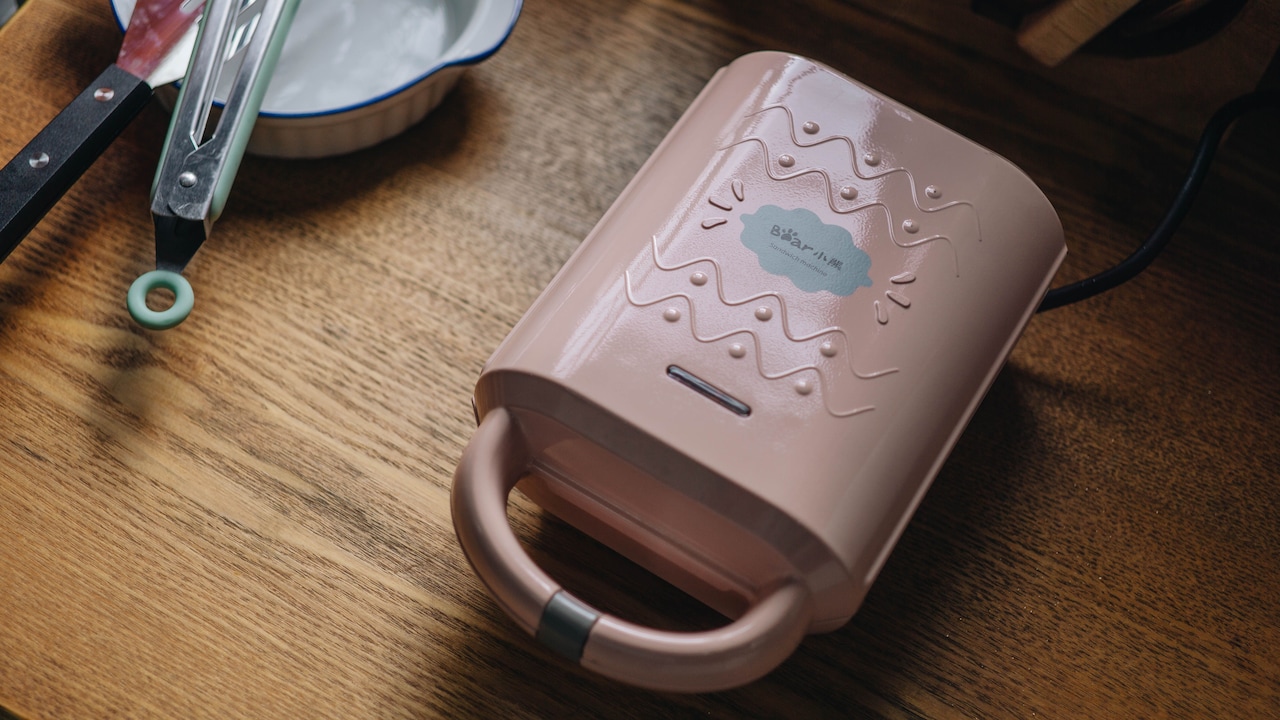
After multiple rounds of testing, the answer became clearer. A sandwich maker can absolutely replace a toaster for many households. It handles toast competently, offers greater versatility and saves the need for an additional appliance.
Yet the replacement is not perfect. Traditional toasters remain faster, simpler to clean and more consistent when producing classic toast. People who eat toast every morning may still appreciate those advantages.
On the other hand, households that enjoy sandwiches, grilled snacks and occasional toast may find a dedicated toaster increasingly unnecessary. The sandwich maker covers enough ground to justify standing alone.
The experiment ultimately revealed that the choice depends less on technology and more on lifestyle. The best appliance is often the one used regularly rather than the one with the longest feature list.
Can A Sandwich Maker Replace A Toaster? A Small Kitchen Experiment
Photo Credit: Pexels
Products Related To This Article
1. Wipro Elato BS206 1000 Watt Ceramic Grill Sandwich Maker
2. Milton Royal Express 800W Griller Sandwich Maker & Toaster
3. Prestige PGMFB 800 Watt Grill Sandwich Toaster with Fixed Grill Plates
4. INASLA 1000W Sandwich Maker
5. iBELL SM1515 Sandwich Maker with Floating Hinges
The small kitchen experiment delivered a surprisingly balanced verdict. A sandwich maker cannot imitate a toaster perfectly, but it comes remarkably close. More importantly, it brings additional capabilities that a toaster simply cannot match.
For homes seeking versatility, fewer appliances and greater value from every square inch of kitchen space, the sandwich maker proves itself a worthy all-rounder. It grills, toasts and handles a variety of snacks with ease.
However, the toaster retains its charm. Its speed, simplicity and consistency continue to make it a breakfast champion. There is a reason it has remained a kitchen staple for generations.
In the end, the question is not whether a sandwich maker can replace a toaster. The real question is whether the differences matter enough to justify keeping both. For many kitchens, the answer may be no. For devoted toast enthusiasts, the toaster's spot on the counter remains secure.
Either way, the experiment confirms one thing: breakfast conversations can be far more interesting than they first appear.
(Disclaimer: This article may include references to or features of products and services made available through affiliate marketing campaigns. NDTV Convergence Limited (“NDTV”) strives to maintain editorial independence while participating in such campaigns. NDTV does not assume responsibility for the performance or claims of any featured products or services.)