Blow-Dry Brush Vs Dryer: Which Gives A Better Diwali Blowout?
Confused between a blow-dry brush vs. a dryer for a Diwali blowout? Compare styling, volume, ease of use and finish to find which hair tool suits your festive look.
Blow-Dry Brush Vs Dryer: Which Gives A Better Diwali Blowout?
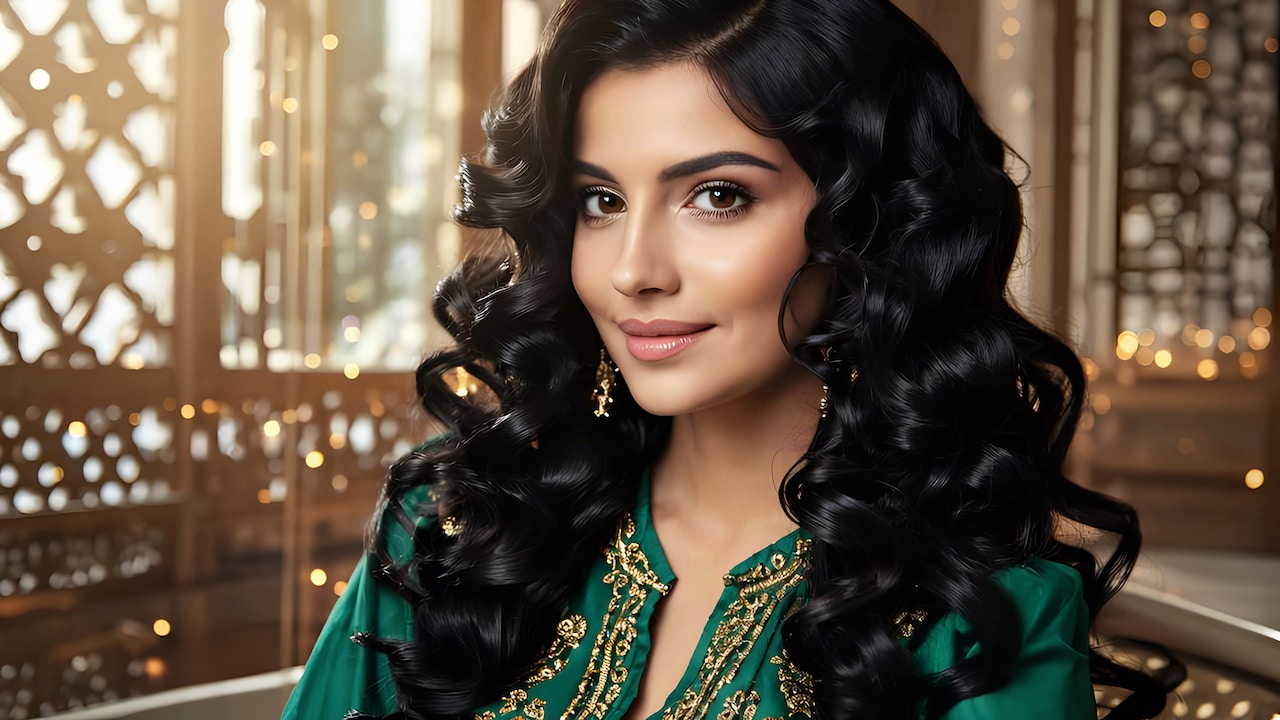
Diwali hair has its own little pressure. You may have your outfit ready, jewellery picked out and makeup planned, but then your hair decides to behave differently that day. A bouncy blowout can make even a simple kurta look more put together, while smooth, polished hair works beautifully with sarees, lehengas and festive suits. The problem starts when you have to choose between a blow-dry brush and a regular hair dryer. Both can dry hair, but the way they create volume, smoothness and shape is quite different. And when there are family visits, pujas and late-night Diwali parties, nobody wants to spend forever in front of the mirror.
Blow-Dry Brush And Dryer Do Different Jobs
Photo Credit: iStock
So, which one actually gives a better Diwali blowout? A blow-dry brush combines drying and brushing, while a regular dryer gives you more control when used with a separate round brush. The right choice depends on your hair length, texture, styling experience and the finish you want. Here's how to decide before the festive rush begins.
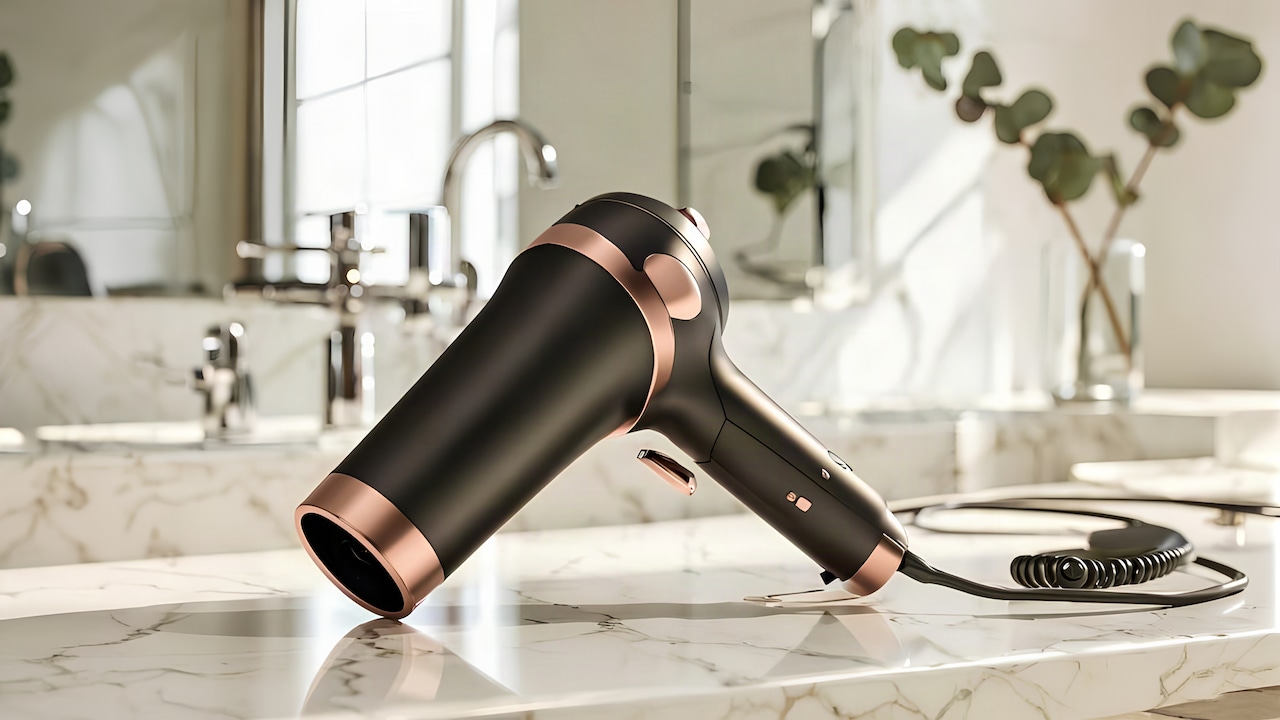
Blow-Dry Brush And Dryer Do Different Jobs
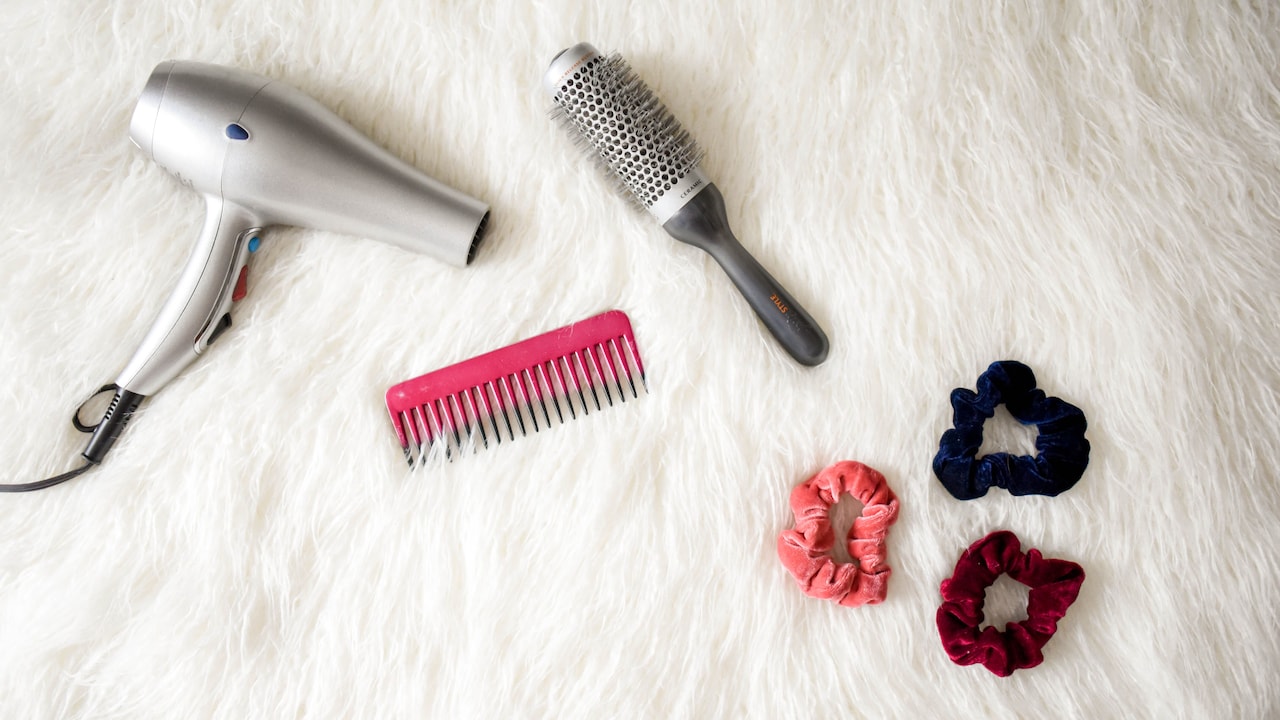
Both appliances use heated air; however, the styling process is slightly different. While a dryer distinguishes the brushing and drying stages, a blow-dryer merges them.
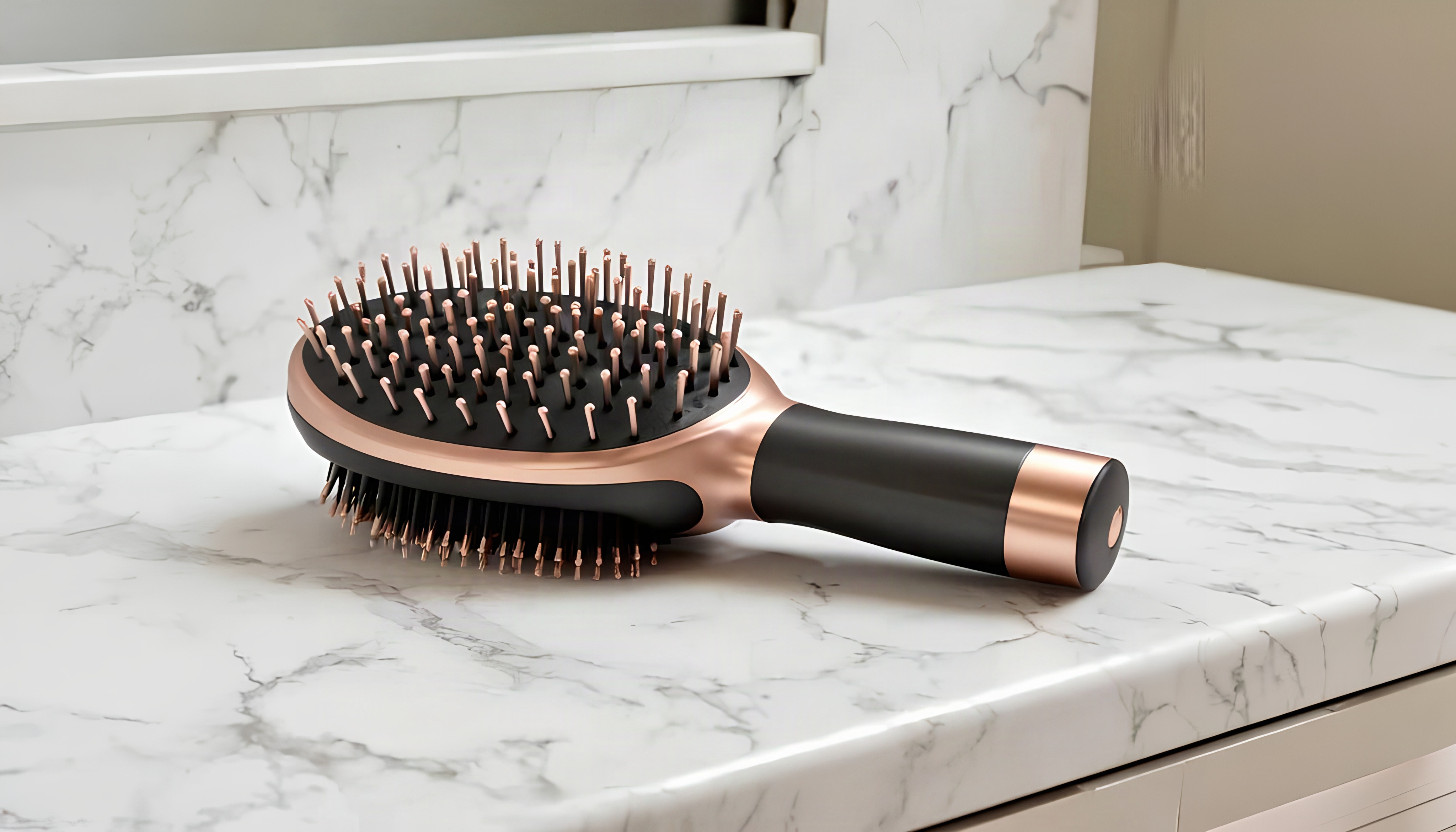
1. A Blow-Dry Brush Keeps Things Simpler
The appliance is helpful if you don't want to use a dryer and a round brush separately. The brush glides through the hair and warms up while drying and styling it.
It makes the process less difficult for the beginner. It is helpful if you do not want to do a complicated styling procedure but only need soft volume and a smooth finish.
2. A Dryer Gives You More Styling Control
A regular dryer is more difficult to use; however, this difficulty gives you more control over each separate section of hair. You can choose the nozzle concentrator, pick heat settings and work with a round brush in accordance with the desired finish. For traditional salon styling, it may be very helpful.
When A Blow-Dry Brush Works Better
If you need an easy festive hairstyle, a blow-dry brush has a few practical advantages.
1. It Is Easier For Quick Styling
Suppose you want to get yourself ready two hours before the Diwali puja and still have a lot of jewellery and clothing issues. The blow-dry brush can help you save some time, as drying and brushing happen simultaneously.
It is especially useful for straight-to-wavy hair, which requires some lifting and smoothing. However, you still should separate hair into sections, as rushing with huge sections will result in an uneven finish.
2. It Can Give Soft, Rounded Volume
A good blow-dry brush is very convenient if you want to achieve that rounded volume around the face. You can glide the brush through hair lengths and curl the ends slightly in or out.
For festive styling, this softer finish looks much more natural than the absolutely straight one. Moreover, it is very helpful if you want to wear statement earrings and need your hair to form a frame for your face.
When A Dryer Makes More Sense
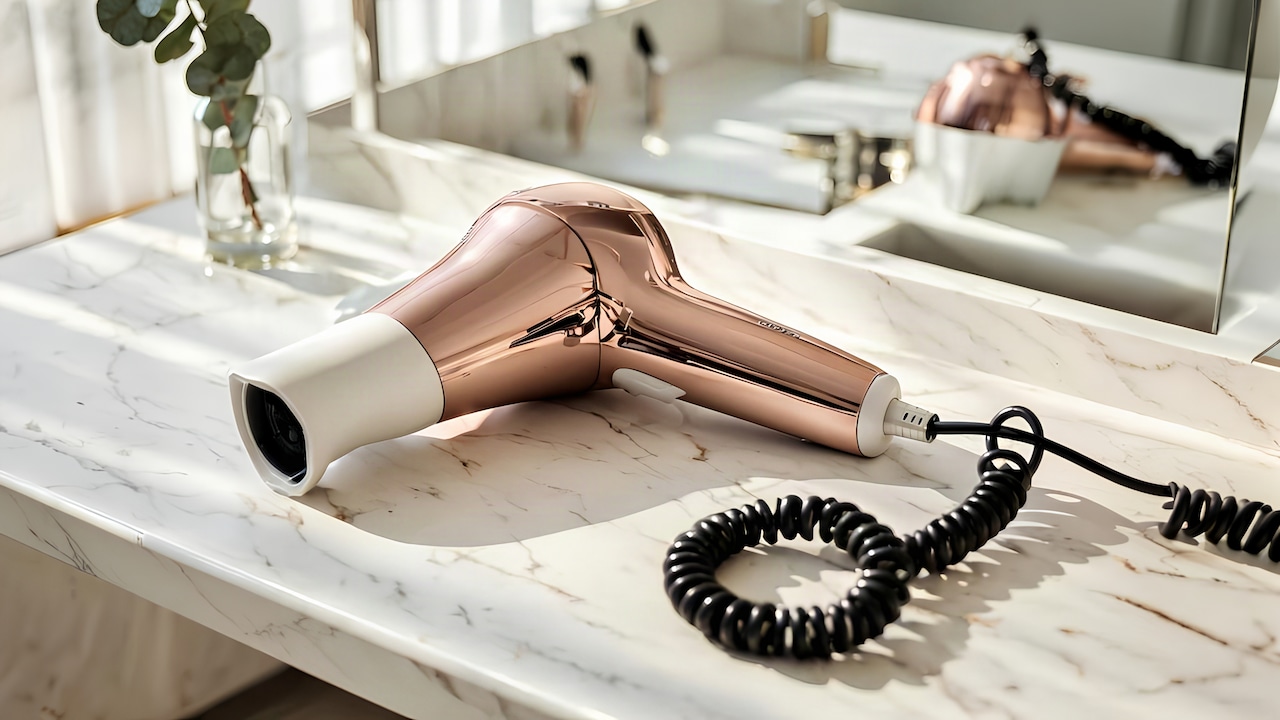
The regular dryer is not the boring option here. In fact, it may be the better choice when you already know how to use a brush properly.
1. It Works Better For Different Hair Textures
Thick, long or very curly hair can need stronger airflow and more deliberate sectioning. A dryer lets you change the way you dry each section instead of keeping the same brush movement throughout.
2. You Can Create A More Defined Finish
Want more root lift? Want the ends turned out? Need one section to look straighter than another? A dryer and round brush combination gives you more room to control all these aspects.
It does take some practice, yes. But once you get the hand movement right, you can create a more customised blowout instead of just getting a general finish over the whole head.
Also Read: How To Protect Your Hair From Heat Damage With Daily Styling?
Which One Gives A Better Diwali Blowout?
There isn't one winner for everyone. The better tool depends on how much control you need and how quickly you want the hairstyle done.
1. Pick The Brush For Easy Bouncy Hair
If you are not very confident with blow-drying, go for a blow-dry brush. It is simpler to handle and can create smooth, lifted hair without needing a separate brushing technique.
This makes it a good choice for first-time users, shoulder-length hair and quick festive preparations. Just don't expect it to create every type of salon hairstyle.
2. Pick The Dryer For More Styling Options
If you already know how to use a round brush, a dryer is probably more useful. You can change attachments, airflow and brushing technique depending on what your hair needs.
For Diwali, it can also be better if you want to dry the hair first and then spend extra time shaping certain sections. A cool-shot function can help finish the styling too, depending on the tool.
Hair Tools To Consider For A Diwali Blowout
Photo Credit: iStock
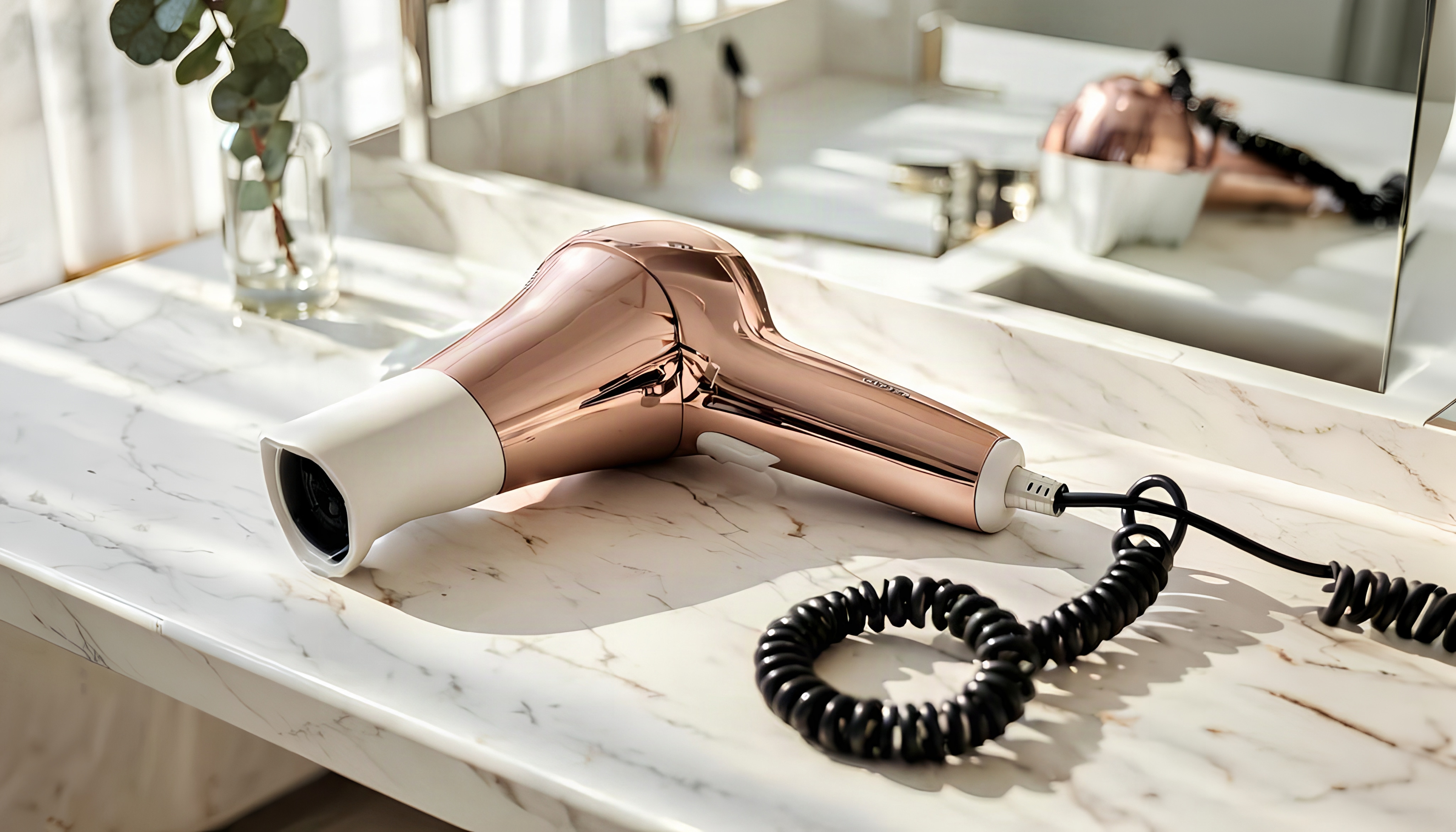
Hair Tools To Consider For A Diwali Blowout
1. WINSTON 2-in-1 Hair Volumiser Brush, Hair Blow Dryer Brush With Charcoal Bristles - Black
2. Agaro Professional 24K Gold Styling Ceramic Tourmaline Coating Volumiser Hair Dryer HV2179
3. VEGA VHSD-04 LitStyle L4 Volumiser Hair Dryer Brush - Blue Gold
4. URBANYOG MakeMeeBold 3-in-1 Hot Air Brush - Black
5. Philips ThermoProtect HP8144/46 Hair Dryer Quick Drying 1000W
6. BBLUNT Pro 1800W Ionic Technology Hair Dryer
7. VEGA Pro-Xpert 2200W Professional Hair Dryer with Diffuser & 2 Detachable Nozzles VHDP-03
8. Ikonic Professional Pro 2100+ Hair Dryer With Low Noise Function & Interchangeable Nozzles
Both a blow-dry brush and a traditional hair dryer can help you achieve a salon-like Diwali hairstyle, but the right choice depends on your styling needs. If you're looking for a quick, easy way to add volume, smoothness, and a polished blowout at home, a blow-dry brush is a convenient all-in-one tool. On the other hand, a hair dryer offers greater versatility and works well for creating different hairstyles with the help of styling attachments. For festive gatherings, office celebrations, and Diwali parties, a blow-dry brush can be the perfect pick for achieving a fuss-free, frizz-controlled blowout. Whichever tool you choose, using a heat protectant and the right hair care routine can help keep your locks healthy, shiny, and celebration-ready.
Frequently Asked Questions (FAQs)
1. Is a blow-dry brush better than a hair dryer for beginners?
Generally, yes, as drying and brushing are closely linked. A traditional dryer can afford more control, yet requires better coordination.
2. Can a blow-dry brush give salon-like volume?
It can produce impressive bounce and volume, particularly at the roots and tips. The end result is still determined by hair type and blowout technique.
3. Should I use a heat protectant before a Diwali blowout?
Indeed, it is a wise measure prior to working with heated styling products. Moreover, avoid leaving high temperatures on any single strand for too long.
4. Can I use a regular dryer without a round brush?
Yes, you can work with it simply for drying and straightening purposes. For a professional round styling, however, a separate brush is much more convenient.
5. How dry should hair be before blowout styling?
Hair shouldn't be dripping wet when styling. A widely adopted method is to rough-dry the hair until about 60% of its dryness and style it in sections.
(Disclaimer: This article may include references to or features of products and services made available through affiliate marketing campaigns. NDTV Convergence Limited (“NDTV”) strives to maintain editorial independence while participating in such campaigns. NDTV does not assume responsibility for the performance or claims of any featured products or services.)