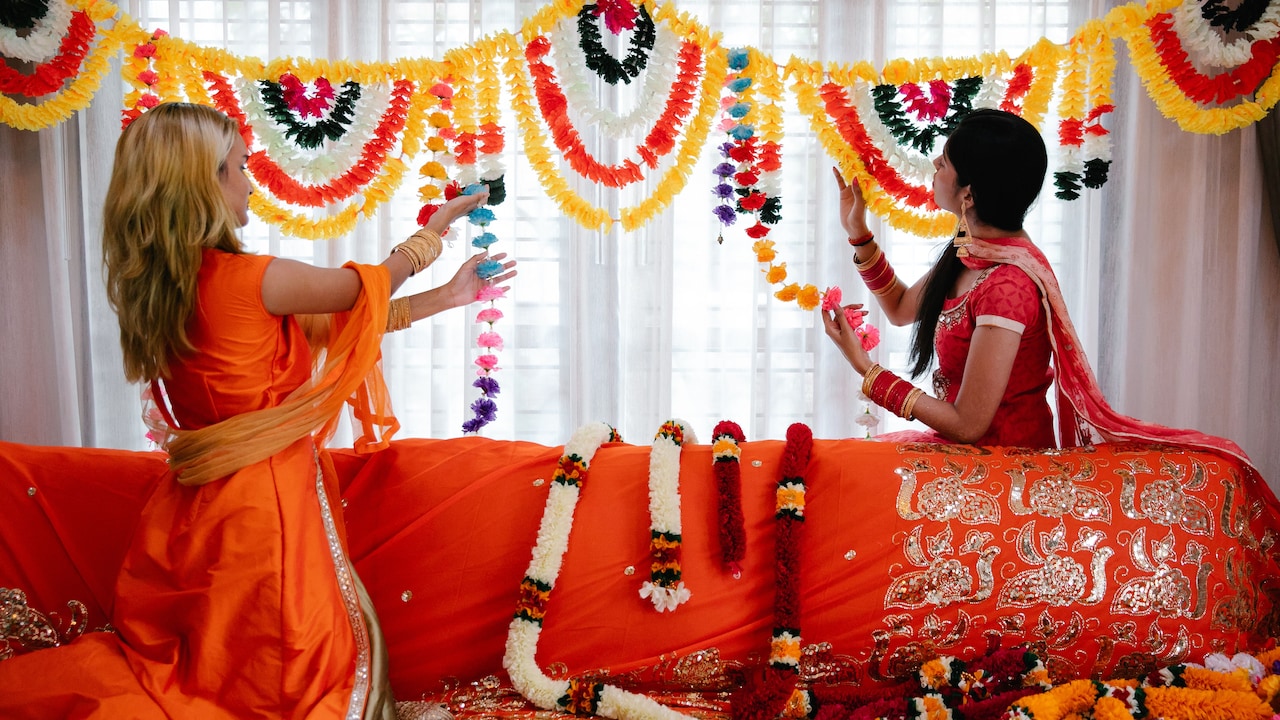
Mojaris Vs Juttis: Which Works For A Diwali Kurta For Men
Confused about whether to choose mojaris or juttis for Diwali? Find out which festive footwear suits your kurta style, comfort needs, and overall look this celebration season.
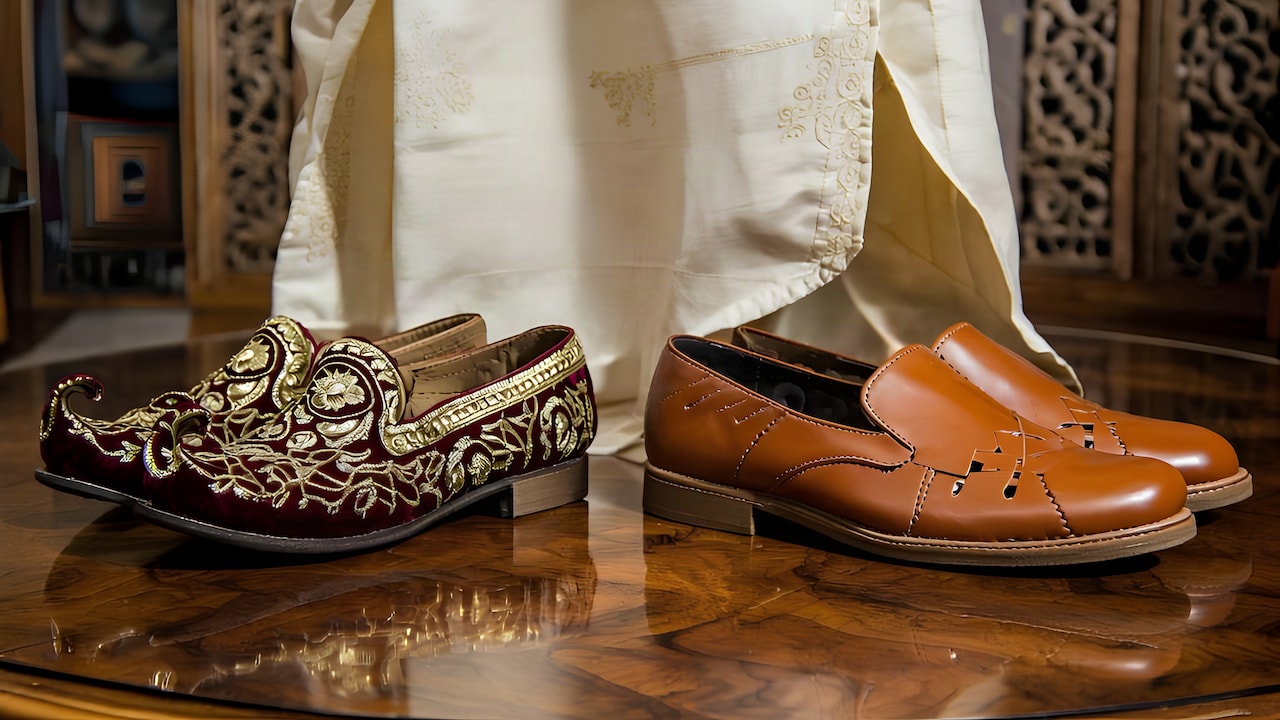
Which is a better option between mojari vs jutti for men
Diwali is one of those festivals when the whole outfit must come together, from kurta to footwear. And when we talk about traditional Indian footwear, the names mojaris and juttis come up almost every time. Both have been around for centuries, boast an unmistakable festive charm, and come in styles from understated to boldly embroidered that you can easily find on Amazon. But while they may appear similar at first glance, mojaris and juttis are very different in terms of construction, fit and how they complement a kurta.
What Are Mojaris And How Do They Look?
Photo Credit: iStock
A little knowledge of the difference can save a lot of confusion before Diwali shopping begins. One bad choice can upset the balance of an otherwise well-assembled look or leave you with sore feet by the end of the evening. This guide lays out both options clearly so the right call is a little more obvious.
Also Read: 5 Track Pants For Men That Unlock The Secret To Comfort Dressing
What Are Mojaris And How Do They Look?
1. The Design And Craft Behind A Mojari
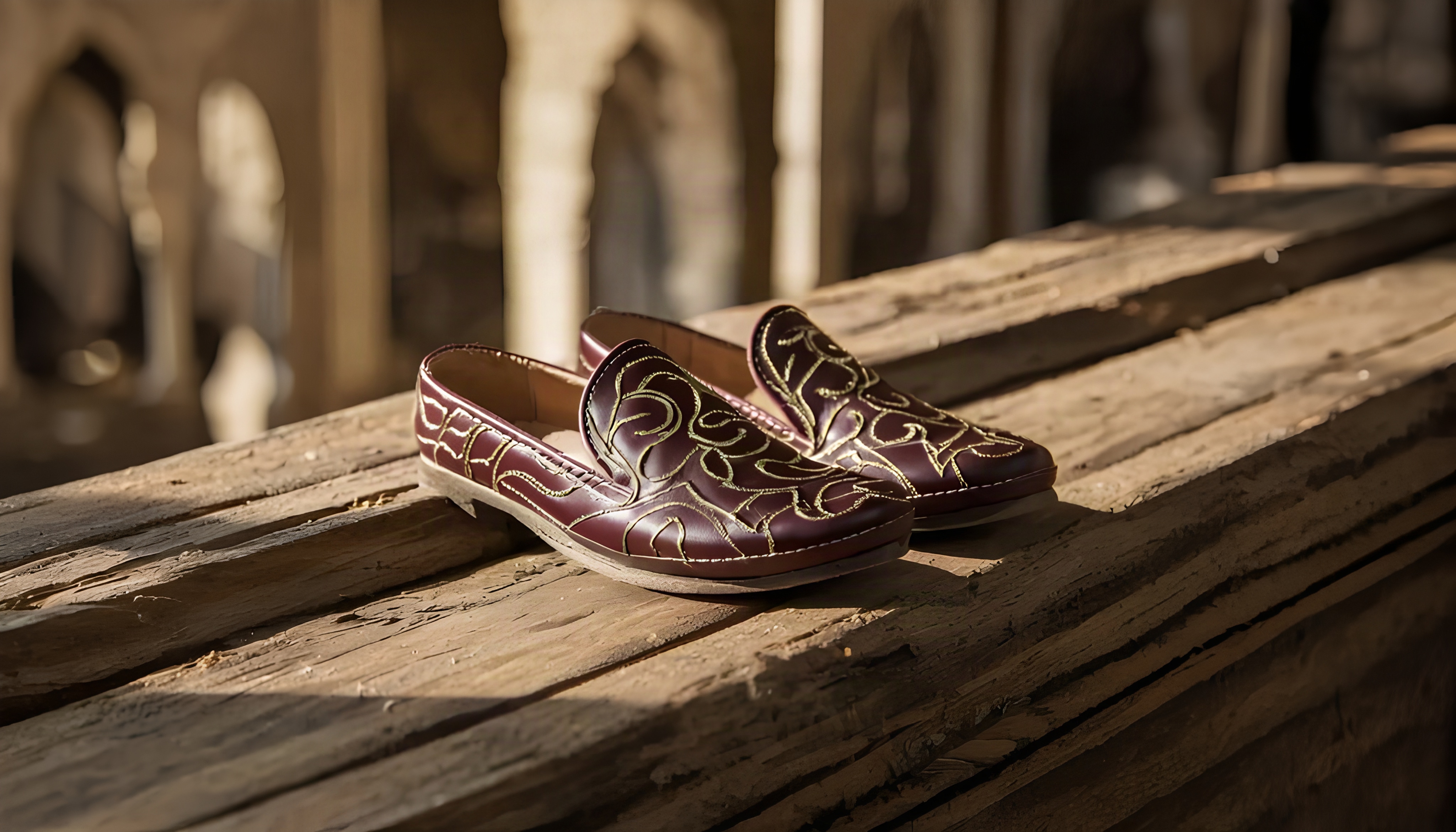
Mojaris are from Rajasthan and are known for their flat sole and pointed, upturned toe. They are usually made from leather – although there are plenty of faux leather options – and often have detailed embroidery, mirror work or metallic thread embellishments on the upper. The pointed toe is part of the appeal for festive occasions, giving them a more elongated and regal silhouette. They lie flat against the foot and fit pretty snugly around the heel with little or no cushioning in most traditional models.
2. How Mojaris Pair With A Kurta
Mojaris tend to look particularly striking with heavier, more embellished kurtas, such as silk, brocade or heavily embroidered fabrics in rich jewel tones. The mojari's structured silhouette brings a certain refinement to the look that matches festive dressing without doing it too much. Deep maroon or gold-toned mojari with a matching kurta-pyjama set can look like an effortlessly good choice for Diwali. A pointed toe lengthens the leg a little too, which is a particularly flattering look with fitted churidars or slim-cut trousers.
What Are Juttis And What Sets Them Apart?
1. The Construction And Silhouette Of A Jutti
Juttis are a style of footwear from Punjab. They have a rounder, more closed toe and a slip-on style that sits flush to the foot. Often embroidered and embellished like mojaris, their overall shape is more compact and less dramatic. The rounded toe of a jutti gives it a softer, more casual look than a mojari with sharper lines. They are usually made of leather or fabric too and come in a huge range of colours, patterns and decorative styles, from simple threadwork to elaborate phulkari-inspired designs.
2. The Fit And Comfort Factor
One thing that is often said about juttis is that they are comfortable to wear. The rounded toe allows a little more room across the foot, and many modern juttis now have foam or cushioned insoles that make them considerably more comfortable for long wear. That extra comfort helps a lot, especially since Diwali festivities often stretch late into the night – whether visiting family, attending parties, or just being on your feet for hours. For those who find pointed footwear constricting, juttis are a very practical option that is still very stylish.
Mojaris Vs Juttis — Key Differences For A Diwali Kurta
1. Style And Occasion Match
If you're going for a more formal or heavily embroidered Diwali outfit – a sherwani, a rich silk kurta with heavy embroidery or a structured bandhgala – mojaris are likely to give you a more polished and befitting look. The pointed toe and overall design language naturally align with festive dressing that is slightly ceremonial in nature. Juttis, however, go well with relaxed or semi-formal kurtas - linen kurtas, cotton blend sets, or those simpler kurtas meant to look effortlessly festive rather than heavily dressed up.
2. Colour And Embellishment Coordination
Mojaris and juttis come in several shades, though the embellishments are different. Mojaris usually have embellishments all over the upper, including the toe, making them a statement piece in themselves. Juttis tend to have a more central, patchy kind of embroidery and are thus a little easier to match without the footwear competing with a heavily embroidered kurta. A jutti helps keep things balanced if the kurta is doing most of the visual work. A plain kurta can be taken to a whole new level with a statement mojari.
3. Practicality On Diwali Night
Traditional mojaris without cushioned insoles can quickly become uncomfortable, especially on hard floors or when standing for long periods of time. Fortunately, many sellers on Amazon now stock mojaris with padded insoles, which helps a lot, so it is worth checking product descriptions carefully before buying. Juttis with foam soles are now easier to find and are more beginner-friendly for those not used to traditional footwear.
How To Make The Final Choice For Your Diwali Look
1. Go With Mojaris If…
If the Diwali outfit is a bit on the heavier or more formal side, then go for mojaris. The well-made mojari goes naturally with silk kurtas and jackets, which are finely embroidered in rich festive colours. They also appeal to people who want their shoes to feel like a thoughtful part of the outfit, not just an afterthought. Mojaris in darker shades like navy, bottle green or burgundy can be very striking without being loud.
2. Go With Juttis If…
If you are planning a more relaxed Diwali look, or if you are new to traditional footwear, then juttis are a better option as they prioritise comfort over ceremony. They are also a smart choice for long-running Diwali events — late-night get-togethers or back-to-back family visits where you'll be on your feet for hours. A jutti with exquisite embroidery in a warm gold or earthy tone can be as festive as a mojari, but you'll feel considerably less strain by the end of the night.
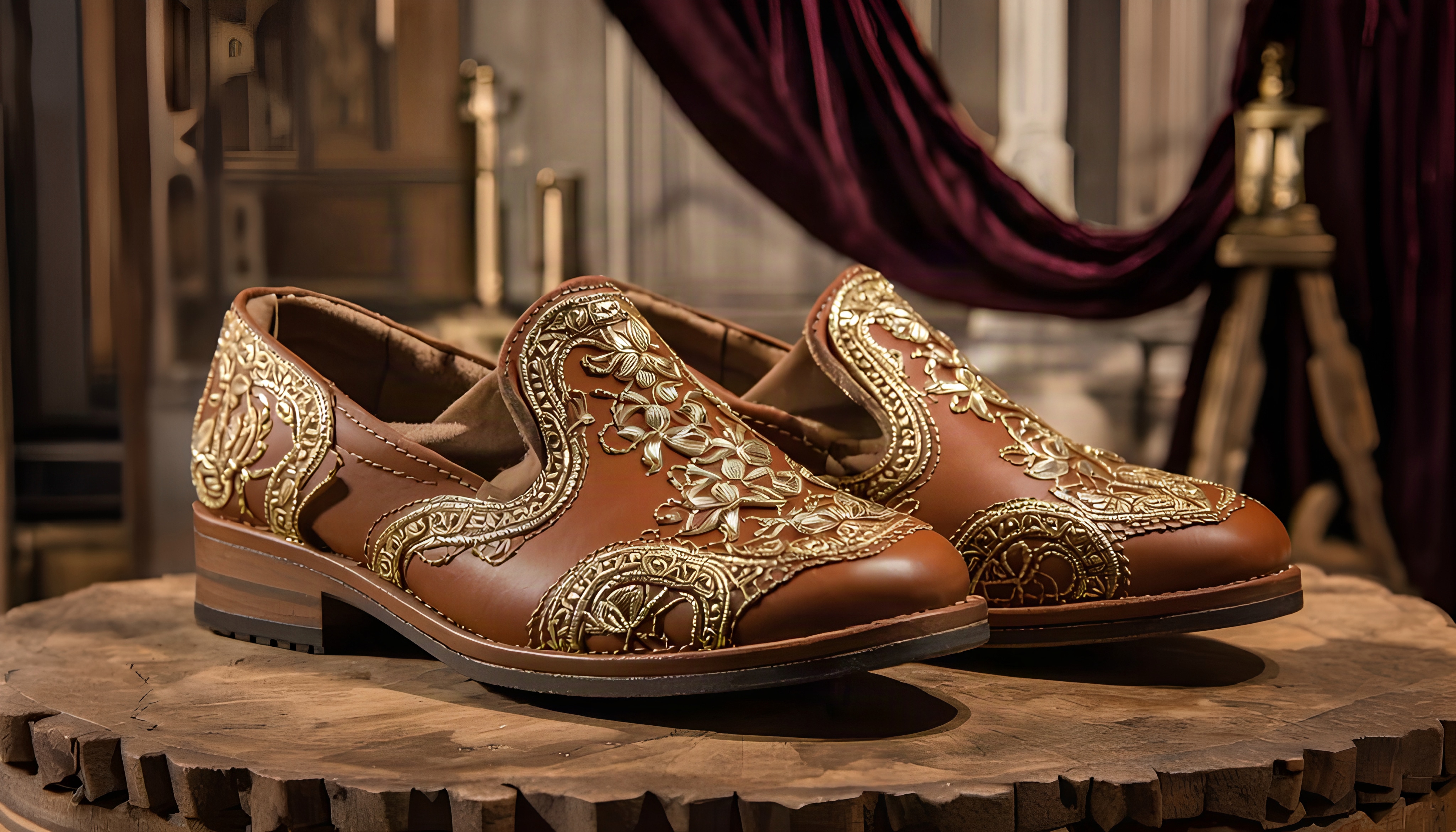
Some Products You May Like
Photo Credit: iStock
Some Products You May Like
1. FAUSTO Men Mojari
2. FAUSTO Men Jutti
3. Karaddi Stylish Ethnic Mojari
4. VEESHOE Ethnic Jutti
5. IndieStride Men's Ethnic Jutti
6. Bata Men's Slip-on Mojari
7. DFR Men's Jute Jutti
8. Vestra Aura Men's Ethnic Mojari
Frequently Asked Questions (FAQs)
1. Are mojaris or juttis better for long Diwali gatherings?
Juttis with foam or cushioned soles are generally more comfortable to wear for longer and are a better option for long Diwali evenings. That said, a lot of mojaris these days also have padded insoles, so it's always a good idea to check the product details before buying.
2. Can mojaris and juttis be worn with all types of kurtas?
Both are suitable for most styles of kurta, but mojaris are better suited to heavier, more formal dress, while juttis are better suited to more relaxed or lightly embroidered kurtas. Usually, the best overall result is to match the footwear to the weight and formality of the kurta.
3. Do mojaris and juttis run true to size?
Different brands have different sizing. Both styles tend to fit tight at first. Many sellers recommend ordering a half-size up, especially if you get the leather version and haven't broken them in yet. It is worth the extra few minutes to check out the size guide on Amazon before ordering.
4. Which is easier to maintain — a mojari or a jutti?
Both need similar care. To keep their shape, keep them away from moisture and store them in shoe bags or tissue paper inside. If you have an embroidered version, take care to keep it away from rough surfaces, which can fray or otherwise damage the threadwork.
5. Are there budget-friendly mojari and jutti options available on Amazon?
Yes, Amazon has a variety of mojaris and juttis at all price points — from budget fabric versions to high-end leather styles. Sales during the festive season also tend to bring good deals on traditional footwear, so it is worth browsing a bit before settling on a pick.
(Disclaimer: This article may include references to or features of products and services made available through affiliate marketing campaigns. NDTV Convergence Limited (“NDTV”) strives to maintain editorial independence while participating in such campaigns. NDTV does not assume responsibility for the performance or claims of any featured products or services.)